
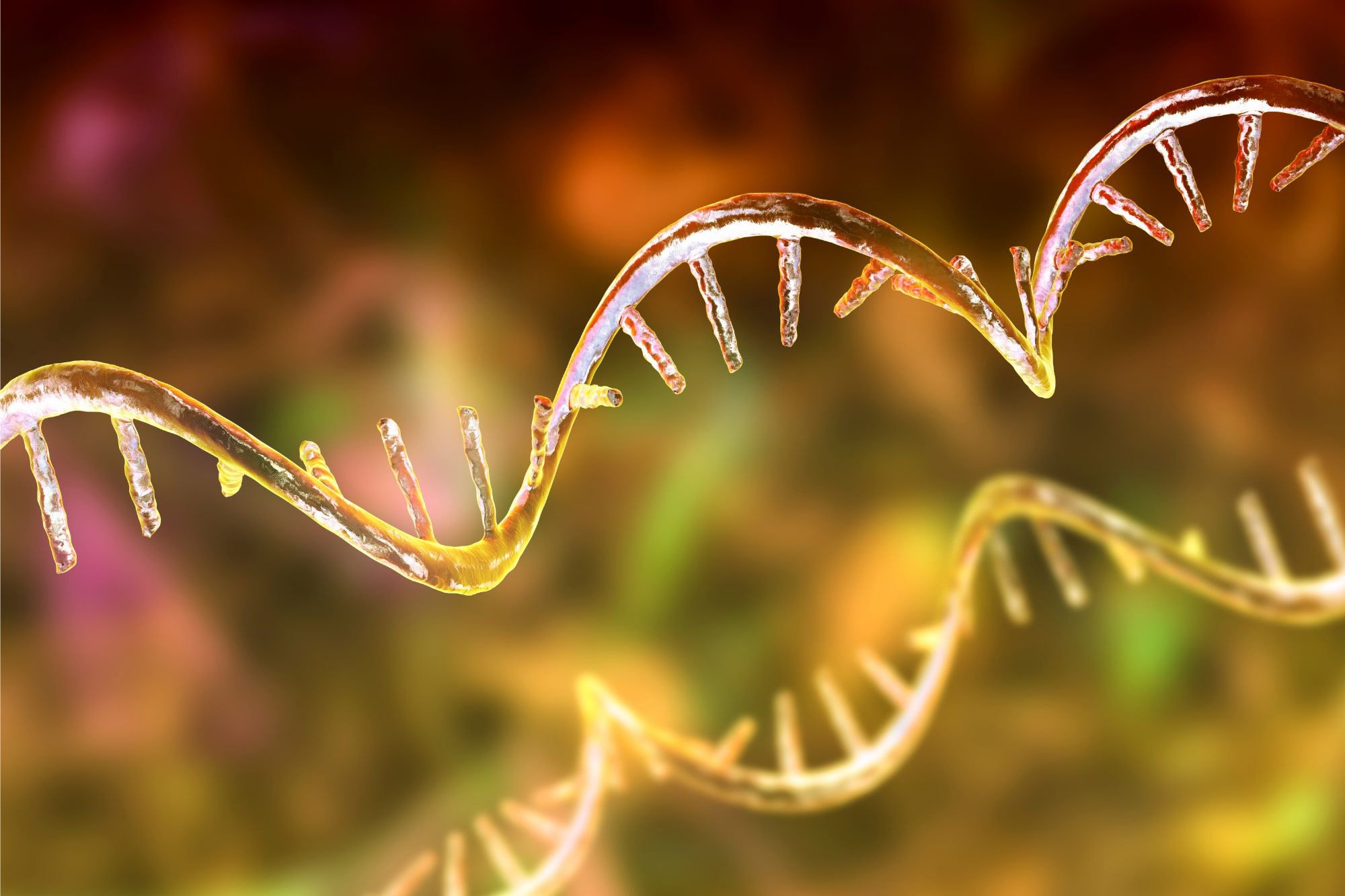
Researchers unveil the inner mechanisms of the most intricate and complex molecular machine in human biology.
Scientists at the Centre for Genomic Regulation (CRG) in Barcelona have developed the first comprehensive blueprint of the human spliceosome, the most complex and intricate molecular machine found in every cell. This groundbreaking achievement, over a decade in the making, was published in the journal Science.
The spliceosome edits genetic messages transcribed from DNA, allowing cells to create different versions of a protein from a single gene. The vast majority of human genes – more than nine in ten – are edited by the spliceosome. Errors in the process are linked to a wide spectrum of diseases including most types of cancer, neurodegenerative conditions, and genetic disorders.
The sheer number of components involved and the intricacy of its function has meant the spliceosome has remained elusive and uncharted territory in human biology – until now.
The blueprint reveals that individual components of the spliceosome are far more specialized than previously thought. Many of these components have not been considered for drug development before because their specialized functions were unknown. The discovery can unlock new treatments that are more effective and have fewer side effects.
“The layer of complexity we’ve uncovered is nothing short of astonishing. We used to conceptualize the spliceosome as a monotonous but important cut-and-paste machine. We now see it as a collection of many different flexible chisels that allow cells to sculpt genetic messages with a degree of precision worthy of marble-sculpting grandmasters from antiquity. By knowing exactly what each part does, we can find completely new angles to tackle a wide spectrum of diseases,” says ICREA Research Professor Juan Valcárcel, lead author of the study and researcher at the CRG.
The most complex molecular machine in human biology
Every cell in the human body relies on precise instructions from DNA to function correctly. These instructions are transcribed into RNA, which then undergoes a crucial editing process called splicing. During splicing, non-coding segments of RNA are removed, and the remaining coding sequences are stitched together to form a template or recipe for protein production.
While humans have about 20,000 protein-coding genes, splicing allows the production of at least five times as many proteins, with some estimates suggesting humans can create more than 100,000 unique proteins.
The spliceosome is the collection of 150 different proteins and five small RNA molecules which orchestrate the editing process, but until now, the specific roles of its numerous components were not fully understood. The team at the CRG altered the expression of 305 spliceosome-related genes in human cancer cells one by one, observing the effects of splicing across the entire genome.

Their work revealed that different components of the spliceosome have unique regulatory functions. Crucially, they found that proteins within the spliceosome’s core are not just idle support workers but instead have highly specialized jobs in determining how genetic messages are processed, and ultimately, influence the diversity of human proteins.
For example, one component selects which RNA segment is removed. Another component ensures cuts are made at the right place in the RNA sequence, while another one behaves like a chaperone or security guard, keeping other components from acting too prematurely and ruining the template before it’s finished.
The authors of the study compare their discovery to a busy post-production set in film or television, where genetic messages transcribed from DNA are assembled like raw footage.
“You have many dozens of editors going through the material and making rapid decisions on whether a scene makes the final cut. It’s an astonishing level of molecular specialization at the scale of big Hollywood productions, but there’s an unexpected twist. Any one of the contributors can step in, take charge, and dictate the direction. Rather than the production falling apart, this dynamic results in a different version of the movie. It’s a surprising level of democratization we didn’t foresee,” says Dr. Malgorzata Rogalska, co-corresponding author of the study.
Cancer’s ‘Achilles’ Heel’
One of the most significant findings in the study is that the spliceosome is highly interconnected, where disrupting one component can have widespread ripple effects throughout the entire network.
For example, the study manipulated the spliceosome component SF3B1, which is known to be mutated in many cancers including melanoma, leukemia, and breast cancer. It is also a target for anti-cancer drugs, though the exact of mechanisms of action has been unclear – until now.
The study found that altering the expression of SF3B1 in cancer cells sets off a cascade of events that affected a third of the cell’s entire splicing network, causing a chain reaction of failures which overwhelm the cell’s ability to fuel growth.
The finding is promising because traditional therapies, for example, those targeting mutations in DNA, often cause cancer cells to become resistant. One of the ways cancers adapt is by rewiring their splicing machinery. Targeting splicing can push diseased cells past a tipping point that cannot be compensated for, leading to their self-destruction.
“Cancer cells have so many alterations to the spliceosome that they are already at the limit of what’s biologically plausible. Their reliance on a highly interconnected splicing network is a potential Achilles’ heel we can leverage to design new therapies, and our blueprint offers a way of discovering these vulnerabilities” says Dr. Valcárcel.
“This pioneering research illuminates the complex interplay between components of the spliceosome, revealing insight into its mechanistic and regulatory functions. These findings not only advance our understanding of spliceosome function but also open potential opportunities to target RNA processing for therapeutic interventions in diseases associated with splicing dysregulation” says Dom Reynolds, CSO at Remix Therapeutics, a clinical-stage biotechnology company in Massachusetts who collaborated with the CRG on the study.
Bringing splicing treatments into the mainstream
Apart from cancer, there are many other diseases caused by faulty RNA molecules produced by mistakes in splicing. With a detailed map of the spliceosome, which the authors of the study have made publicly available, researchers can now help pinpoint exactly where the splicing errors are occurring in a patient’s cells.
“We wanted this to be a valuable resource for the research community,” says Dr. Valcárcel. “Drugs correcting splicing errors have revolutionized the treatment of rare disorders like spinal muscular atrophy. This blueprint can extend that success to other diseases and bring these treatments into the mainstream,” he adds.
“Current splicing treatments are focused on rare diseases, but they are just the tip of the iceberg. We are moving into an era where we can address diseases at the transcriptional level, creating disease-modifying drugs rather than merely tackling symptoms. The blueprint we’ve developed paves the way for entirely new therapeutic approaches. It’s only a matter of time,” concludes Dr. Rogalska.
Reference: “Transcriptome-wide splicing network reveals specialized regulatory functions of the core spliceosome” by Malgorzata E. Rogalska, Estefania Mancini, Sophie Bonnal, André Gohr, Bryan M. Dunyak, Niccolò Arecco, Peter G. Smith, Frédéric H. Vaillancourt and Juan Valcárcel, 31 October 2024, Science.
DOI: 10.1126/science.adn8105
Never miss a breakthrough: Join the SciTechDaily newsletter.
Follow us on Google and Google News.
7 Comments
“Spliceosome”? Are you sure that’s the actual technical term? Shouldn’t the prefix be in Greek our Latin, and not English?
What’s next? “Gizmosome”?
A simple Google search will answer your question.
Ai probablity
Effects net results
J
Yea that’s the precise name of the complex components that come together to perform that elegant function.
Boba is fixated on what it is named? Wow, no wonder it’s taken so long to make amazing discoveries. Lol
What is curious and puzzling is why this gene editing took so long for evolution to come up with the two extra amino acids in the genetic code needed to make the important connective tissue protein collagen…Hydroxyproline and hydroxylysine.