
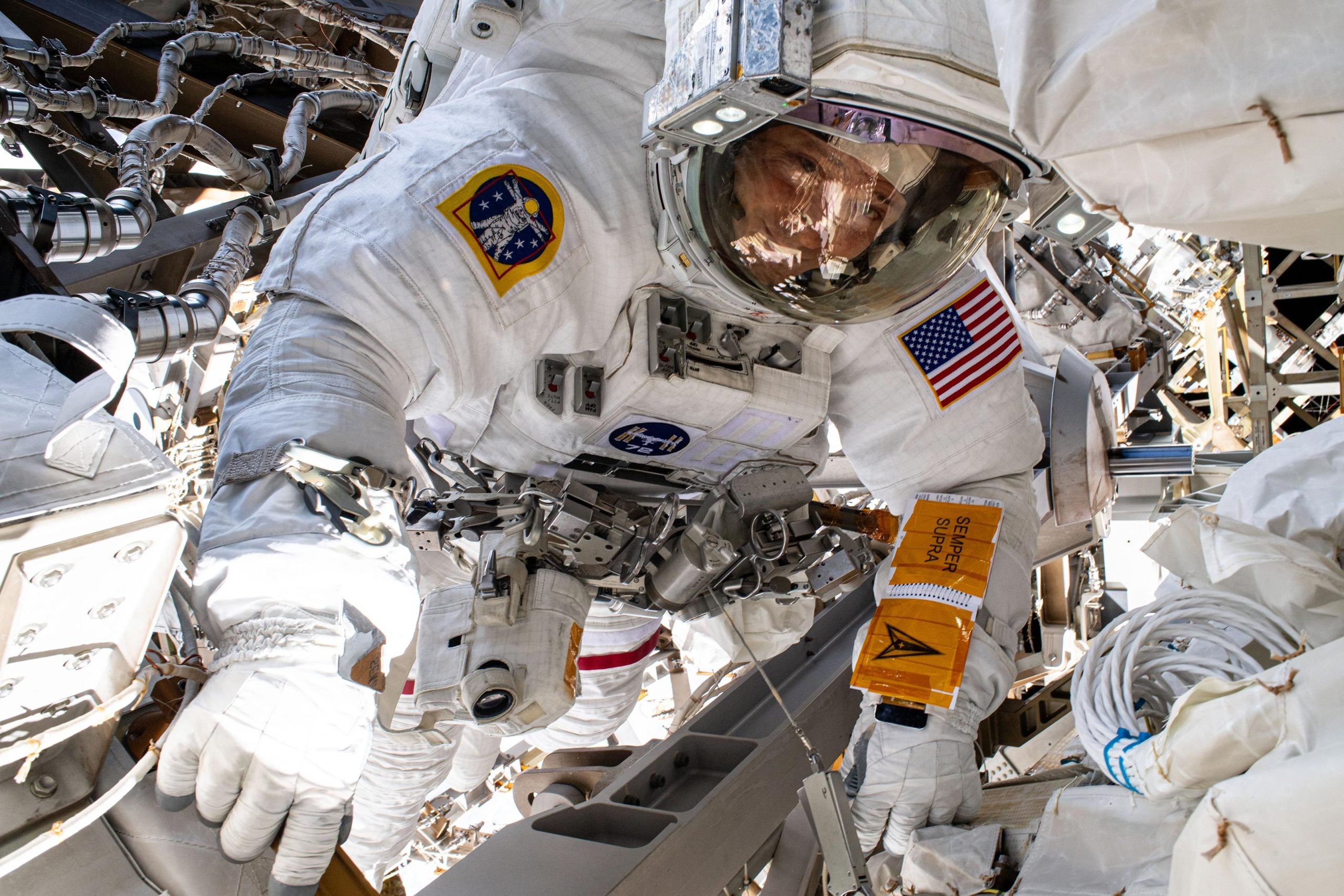
On January 21, the Expedition 72 crew spent the day getting ready for their second spacewalk of 2025 outside the International Space Station (ISS). This mission focuses on removing old communications equipment and investigating the presence of potential microbes. Meanwhile, the crew continued their ongoing scientific research, which included studying advanced space navigation, analyzing microbial DNA, and testing new piloting techniques.
Spacewalk Preparations and Microbial Research
On Tuesday, Station Commander Suni Williams and Flight Engineer Butch Wilmore dedicated their time to organizing essential spacewalk tools inside the Quest airlock. They prepared items such as tethers, stowage bags, and foot restraints to ensure a smooth operation. The astronauts also reviewed the steps they will follow to detach and store a radio frequency antenna assembly and collect samples from the station’s exterior to determine if microbes can survive in space. Their spacewalk is set to begin on Thursday, January 30, at 8 a.m. EST, when they switch their spacesuits to battery power, officially marking the start of the mission.
Flight Engineers Nick Hague and Don Pettit also took part in the spacewalk preparations. Hague started first as he studied the steps he will take when he helps the spacewalkers in and out of their spacesuits, guides them in and out of Quest, and monitors the duo during the science and maintenance excursion. Later, he joined Pettit and practiced installing the spacesuits’ jetpacks a spacewalker would use to maneuver back to the station in the unlikely event they became untethered from the orbital outpost.
Advanced Navigation Experiments
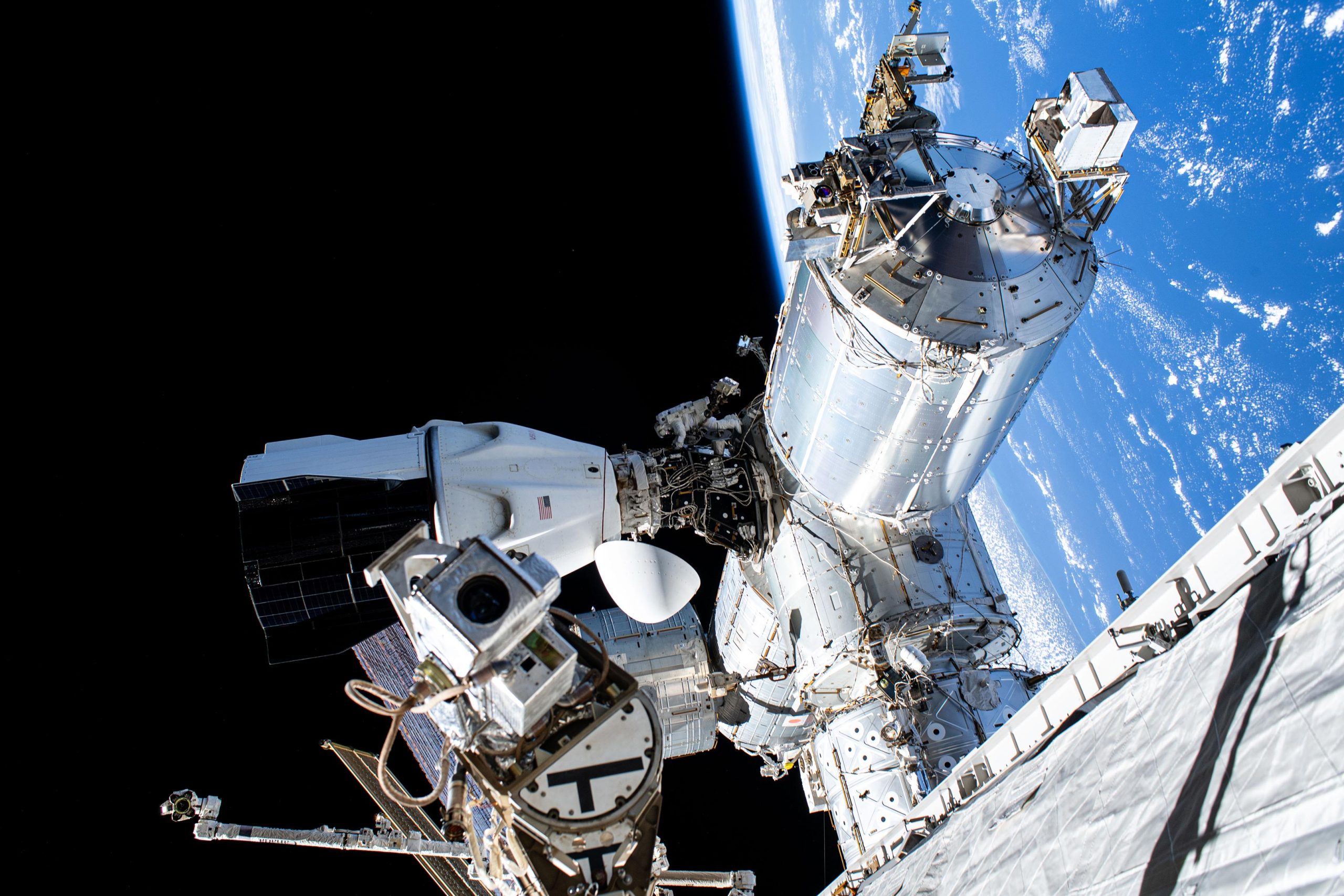
Hague and Pettit were also on science duty keeping up advanced research benefitting humans living on and off the Earth. Hague worked inside the Columbus laboratory module installing the NAVCOM technology demonstration. The space navigation hardware is being tested as a backup solution to the Global Navigation Satellite System in support of future lunar missions. Pettit, in the Harmony module’s maintenance work area, sequenced the DNA of bacteria samples to quickly analyze and identify the microbes that live in space station water systems. The GISMOS biotechnology study increases DNA research on orbit without returning the samples to Earth for analysis and is critical to protecting crew health on spacecraft.
Enhancing Space Operations and Biotechnological Studies
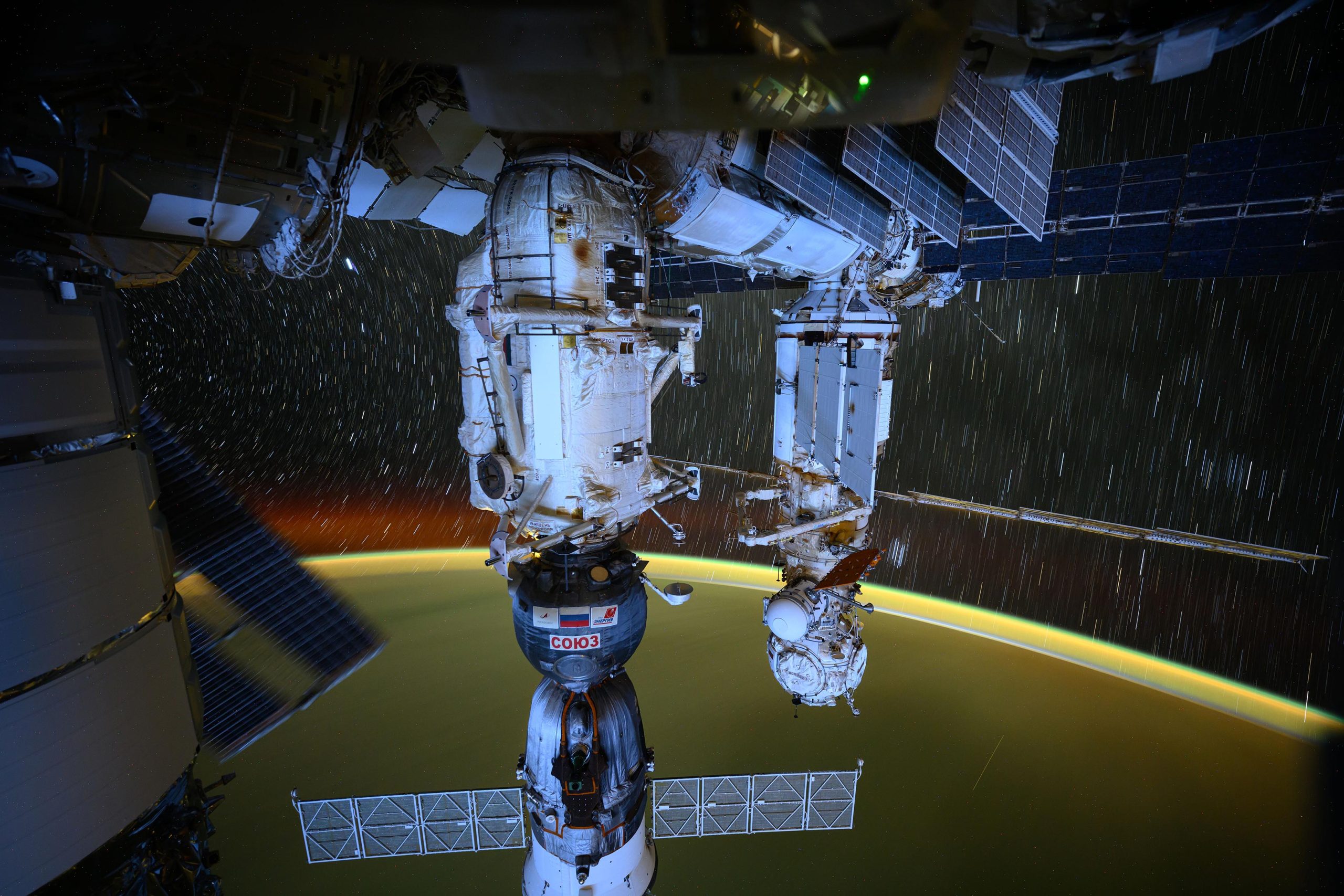
Working in the orbiting lab’s Roscosmos segment, Flight Engineer Alexey Ovchinin wore a sensor-packed cap and explored on a computer how crews may operate spacecraft and robots on future planetary missions. Flight Engineer Ivan Vagner spent his day servicing electronics hardware and unplugging cables inside the Zarya module. Flight Engineer Aleksandr Gorbunov pointed a camera installed with a spectrometer out a window in the Zvezda service module and photographed the effects of natural and man-made disasters on Earth in a variety of wavelengths.
Never miss a breakthrough: Join the SciTechDaily newsletter.
Follow us on Google and Google News.