

A study in Nature Climate Change suggests that reforestation in developing countries can sequester up to ten times more carbon at lower costs than previously estimated.
The research advocates for a balanced approach using both natural regeneration and tree planting to optimize carbon capture. Economic incentives like carbon payments and timber sales can further enhance the viability of these reforestation efforts.
Global Impact of Reforestation in Developing Countries
Reforestation in low- and middle-income countries can remove up to 10 times more carbon dioxide from the atmosphere at lower cost than previously estimated, making this a potentially more important option to fight climate change, according to a study published on July 24 in the journal Nature Climate Change.
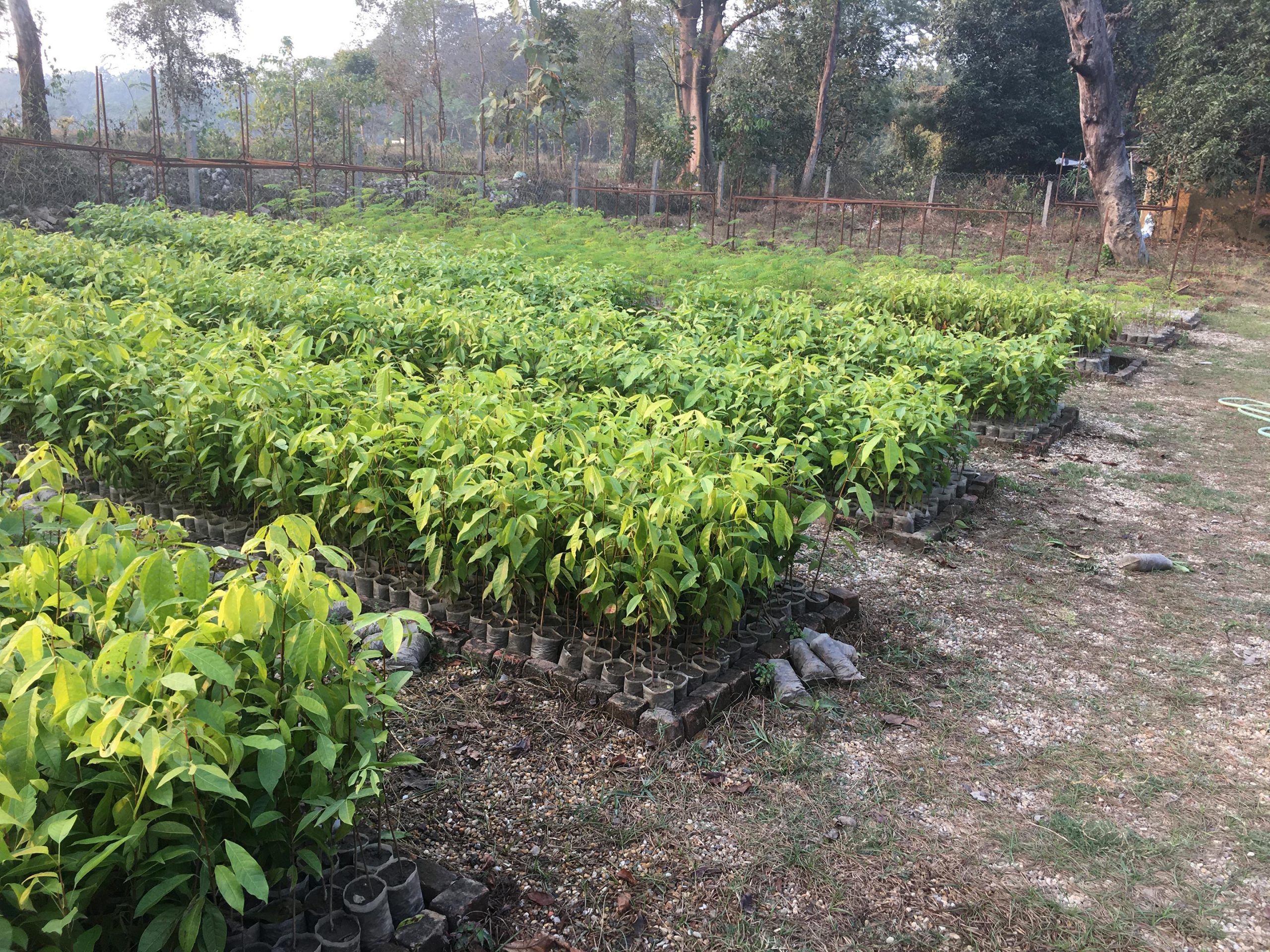
Reforestation regrows trees on degraded lands where human activities removed original forests. Most current reforestation programs focus on tree planting alone, but the study estimates that nearly half of all suitable reforestation locations would be more effective at sequestering carbon if forests were allowed to grow back naturally.
Economic Viability of Reforestation Methods
“Wood markets are one key to large-scale reforestation,” said co-author Jeff Vincent, professor of forest economics and management at Duke University’s Nicholas School of the Environment. “In more than half the areas we studied, timber plantations sequester carbon at a lower cost than forests that grow back naturally.”
Carbon sequestration captures and stores carbon dioxide from the atmosphere, which reduces greenhouse gases and helps combat climate change. It can be done naturally by plants or through technology. In countries that are among the most affected by deforestation, but least resourced to reforest, determining how to allocate scarce funding to sequester the most carbon can be a challenge.
Balancing Reforestation Approaches
“A mix of planted and naturally regenerated forests is often the best way to balance society’s many demands on forests,” said Vincent. “That’s what we find for the case of carbon.”
“This more biodiverse method of reforestation is vastly underutilized,” said Jonah Busch, lead author of the study, who conducted the research as a Climate Economics Fellow at Conservation International.
Financial Incentives for Carbon Sequestration
Using a mix of the two reforestation methods – replanting the forest in some locations, and letting nature take its course in others – could sequester more carbon than using only tree planting or natural regeneration alone, the researchers calculate.
Carbon payments made by companies and other organizations looking to offset, or cancel out, their own greenhouse gas emissions are one way to incentivize reforestation.
“Carbon payments can provide a sufficient reforestation incentive on their own in some places,” said Vincent. “While the net cost of carbon sequestration can be reduced in other places by earning income from sustainable wood harvests.”
Analysis of Reforestation Costs
That net cost is the total expense involved in capturing and storing carbon dioxide from the atmosphere, minus any savings or benefits gained from the process. If a project generates income from timber sales or wood products, for example, that brings down its net cost.
Which method is more cost-effective, natural growth vs. planting trees, in a given location depends on multiple factors. Variables include forest growth rates; proximity to natural seed sources for natural regeneration and wood-processing mills for plantations; the value of land in its current use, typically some form of agriculture; the costs of implementing each method, typically much lower for natural regeneration; and, for plantations, the frequency of timber harvests and the duration of carbon storage in wood products.
Strategic Mapping for Effective Reforestation
The research team modeled these factors for the two reforestation methods. The result is a world map showing which reforestation method is more cost-effective by location.
“We hope our map will help governments, companies, and other organizations use their forest restoration budgets more efficiently,” said Vincent.
For more on this study, see Cutting-Edge Reforestation Methods to Boost Carbon Sequestration.
Reference: “Cost-effectiveness of natural forest regeneration and plantations for climate mitigation” by Jonah Busch, Jacob J. Bukoski, Susan C. Cook-Patton, Bronson Griscom, David Kaczan, Matthew D. Potts, Yuanyuan Yi and Jeffrey R. Vincent, 24 July 2024, Nature Climate Change.
DOI: 10.1038/s41558-024-02068-1
Never miss a breakthrough: Join the SciTechDaily newsletter.
Follow us on Google and Google News.
2 Comments
So, another critical thing they didn’t know when they built their climate models. But that didn’t stop them from claiming that they know everything about climate and that we’re doomed by tomorrow.
How do we know what will grow where, 60 years from now?
We’ve changed THE CLIMATE.
Zombie forests already exist.