
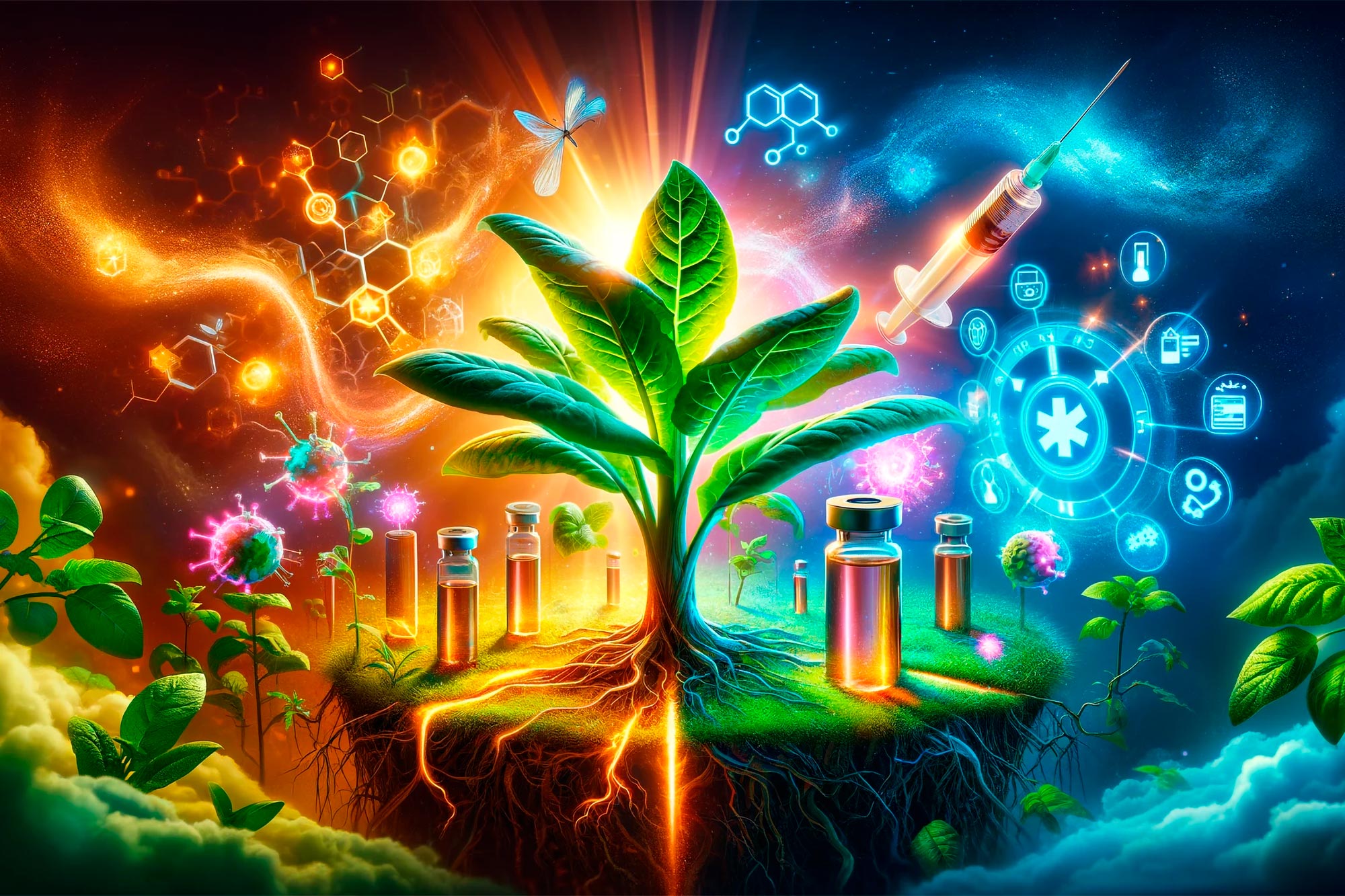
Soap bark discovery offers a sustainability booster for the global vaccine market, opening unprecedented opportunities for bioengineering vaccine adjuvants.
A valuable molecule sourced from the soapbark tree and used as a key ingredient in vaccines, has been replicated in an alternative plant host for the first time, opening unprecedented opportunities for the vaccine industry.
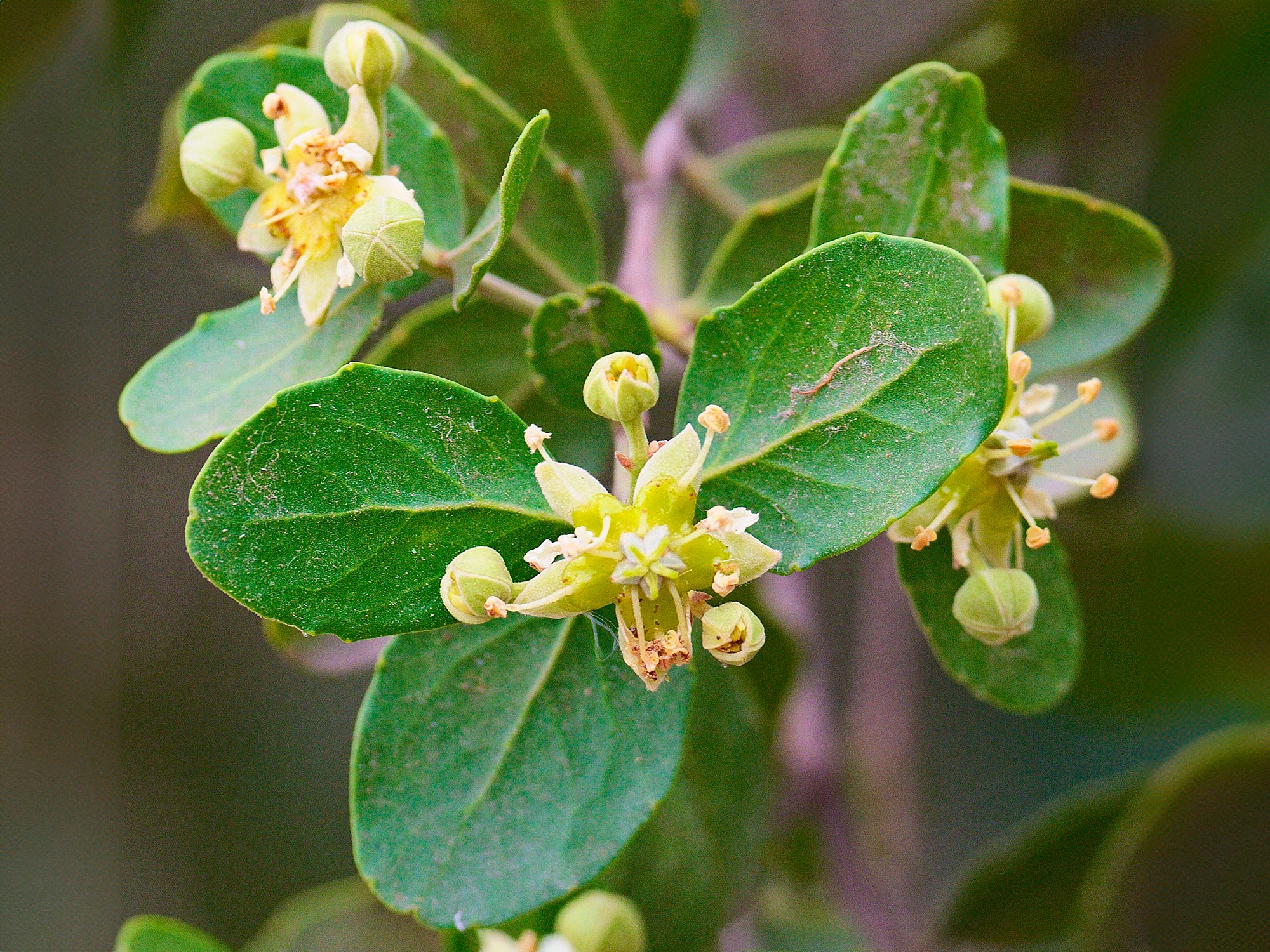
A research collaboration led by the John Innes Centre used the recently published genome sequence of the Chilean soapbark tree (Quillaja saponaria) to track down and map the elusive genes and enzymes in the complicated sequence of steps needed to produce the molecule QS-21.
Advancing Vaccine Development
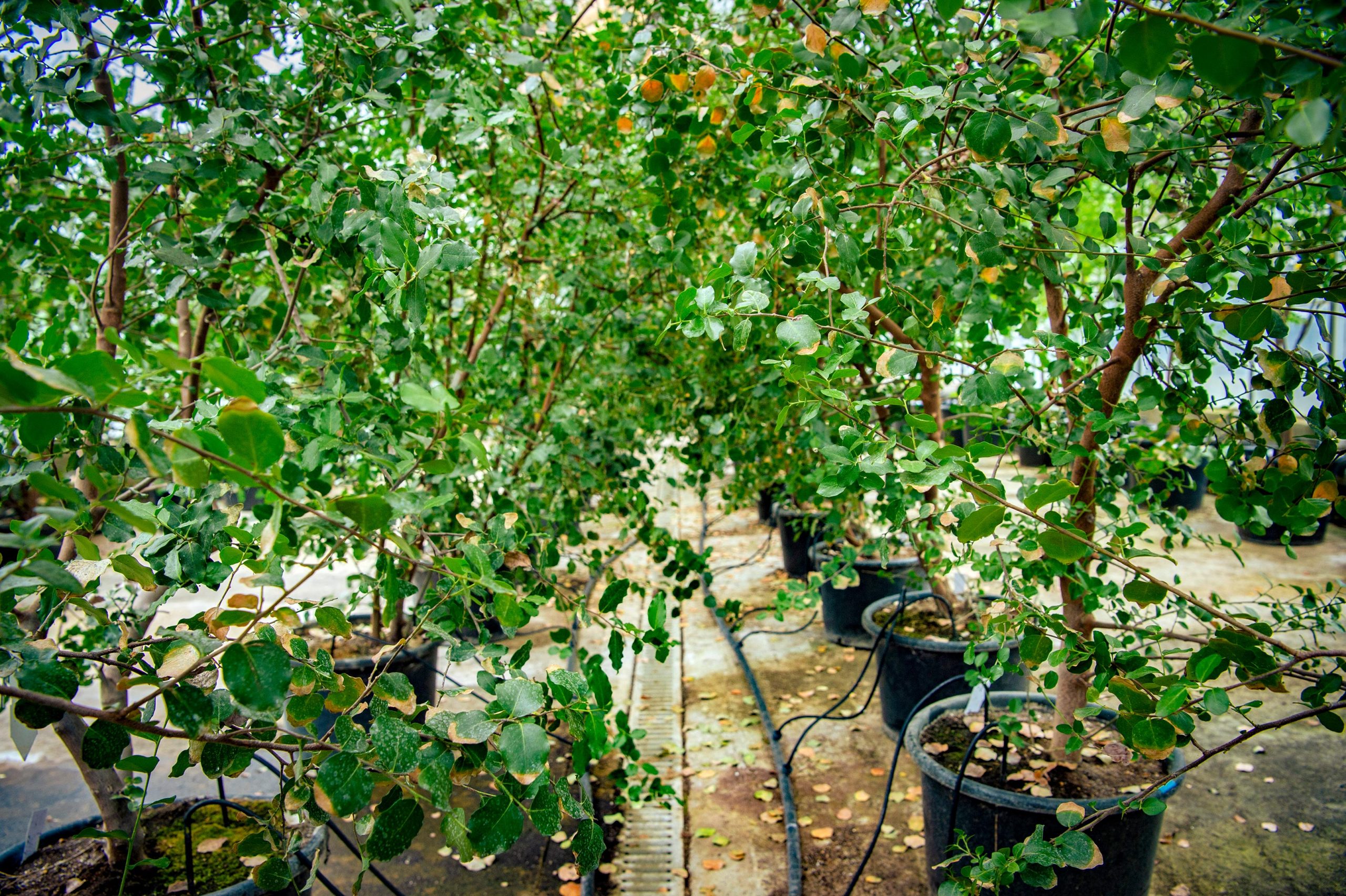
Using transient expression techniques developed at the John Innes Centre, the team reconstituted the chemical pathway in a tobacco plant, demonstrating for the first time ‘free-from ‘tree’ production of this highly valued compound.
Professor Anne Osbourn FRS, group leader at the John Innes Centre said: “Our study opens unprecedented opportunities for bioengineering vaccine adjuvants. We can now investigate and improve these compounds to promote the human immune response to vaccines and produce QS-21 in a way that does not depend on extraction from the soapbark tree.”
Vaccine adjuvants are immunostimulants that prime the body’s response to the vaccine – and are a key ingredient of human vaccines for shingles, malaria, and others under development.
Sustainable Solutions for Vaccine Ingredients
QS-21, a potent adjuvant, is sourced directly from the bark of the soapbark tree, raising concerns about the environmental sustainability of its supply.
For many years researchers and industrial partners have been looking for ways to produce the molecule in an alternative expression system such as yeast or tobacco plants. However, the complex structure of the molecule and lack of knowledge about its biochemical pathway in the tree have so far prevented this.
Previously researchers in the group of Professor Osbourn had assembled the early part of the pathway that makes up the scaffold structure for QS-21. However, the search for the longer full pathway, the acyl chain which forms one crucial part of the molecule that stimulates immune cells, remained unfinished.
In a new study that will be published today (January 26) in Nature Chemical Biology, researchers at the John Innes Centre used a range of gene discovery approaches to identify around 70 candidate genes and transferred them to tobacco plants.
By analyzing gene expression patterns and products, supported by the Metabolomic and Nuclear Magnetic Resonance (NMR) platforms at the John Innes Centre, they were able to narrow the search down to the final 20 genes and enzymes that make up the QS-21 pathway.
First author Dr Laetitia Martin said: “This is the first time QS-21 has been produced in a heterologous expression system. This means we can better understand how this molecule works and how we might address issues of scale and toxicity.
“What is so rewarding is that this molecule is used in vaccines and by being able to make it more sustainably my project has an impact on people’s lives. It’s amazing to think that something so scientifically rewarding can bring such good to society.”
“On a personal level, this research was scientifically extremely rewarding. I am not a chemist so I could not have done this without the support of the John Innes Centre metabolomics platform and chemistry platform.”
The team has partnered with Plant Bioscience Limited PBL (Plant Bioscience Limited) Norwich Limited who are leading the commercialization of this project.
Reference: “Complete biosynthesis of the potent vaccine adjuvant QS-21” by Laetitia B. B. Martin, Shingo Kikuchi, Martin Rejzek, Charlotte Owen, James Reed, Anastasia Orme, Rajesh C. Misra, Amr El-Demerdash, Lionel Hill, Hannah Hodgson, Yuzhong Liu, Jay D. Keasling, Robert A. Field, Andrew W. Truman and Anne Osbourn, 26 January 2024, Nature Chemical Biology.
DOI: 10.1038/s41589-023-01538-5
Never miss a breakthrough: Join the SciTechDaily newsletter.
Follow us on Google and Google News.
3 Comments
I heard somewhere that if you combine tobacco plants with tomato plants, you get a hybrid called Tomacco, which tastes bitter but is highly addictive.
😂
someday, have tobacco produce the vaccine and adjuvant for lung cancer , BOOM tobacco in fa$hion again