
Research Highlights:
- High blood pressure is a risk factor for cognitive decline and dementia in older adults.
- Studies have shown that commonly prescribed high blood pressure medications, or antihypertensives, may have a positive, beneficial impact on cognitive function including memory.
- This is the first meta-analysis to compare the impact on memory over time associated with taking antihypertensives that cross the blood-brain barrier versus those that do not.
- Researchers found that older adults taking antihypertensive medications that cross the blood-brain barrier, such as angiotensin-converting-enzyme (ACE) inhibitors and angiotensin II receptor blockers, had better memory recall over time compared to people taking other types of antihypertensive medicines.

Older adults taking blood pressure-lowering medications known to cross the blood-brain barrier had better memory recall over time compared to those taking other types of medicines to treat high blood pressure, according to new research published today in the American Heart Association journal Hypertension.
Hypertension and Cognitive Decline Risk
High blood pressure, or hypertension, is a risk factor for cognitive decline and dementia in older adults. Nearly half of American adults have elevated blood pressure. Treating high blood pressure with blood pressure-lowering medicines reduced the cases of mild cognitive impairment by 19% in one large trial (SPRINT MIND).
ACE inhibitors, angiotensin II receptor blockers (ARBs), calcium channel blockers, and diuretics are different classes of blood pressure-lowering medicines. Each class acts in a different way to reduce blood pressure, and some cross the blood-brain barrier, thereby impacting cognitive function.
“Research has been mixed on which medicines have the most benefit to cognition,” said study author Daniel A. Nation, Ph.D., an associate professor of psychological science in the Institute for Memory Impairments and Neurological Disorders at the University of California, Irvine. ”Studies of angiotensin II receptor blockers and angiotensin-converting-enzyme (ACE) inhibitors have suggested these medicines may confer the greatest benefit to long-term cognition, while other studies have shown the benefits of calcium channel blockers and diuretics on reducing dementia risk.”
This is the first meta-analysis to compare the potential impact over time of blood pressure lowering medicines that do vs. those that do not cross the blood-brain barrier. The medicines were evaluated for their effects on several cognitive domains, including attention, language, verbal memory, learning and recall.
“Hypertension occurs decades prior to the onset of dementia symptoms, affecting blood flow not only in the body but also to the brain,” Nation said. “Treating hypertension is likely to have long-term beneficial effects on brain health and cognitive function later.”
Long-Term Memory and Attention Findings
Researchers gathered information from 14 studies of nearly 12,900 adults ages 50 years and older. These included studies done in the United States, Australia, Canada, Germany, Ireland and Japan. The meta-analysis found:
- Older adults taking blood pressure-lowering medicines that cross the blood-brain barrier had better memory recall for up to 3 years of follow-up compared to those taking medicines that do not cross the blood-brain barrier even though they had a higher level of vascular risk.
- Adults taking hypertension medications that did not cross the blood-brain barrier had better attention for up to 3 years of follow-up.
“These findings represent the most powerful evidence to-date linking brain-penetrant ACE-inhibitors and angiotensin receptor blockers to better memory. It suggests that people who are being treated for hypertension may be protected from cognitive decline if they medications that cross the blood-brain barrier,” said study co-author Jean K. Ho, Ph.D., a postdoctoral fellow at the University of California, Irvine.
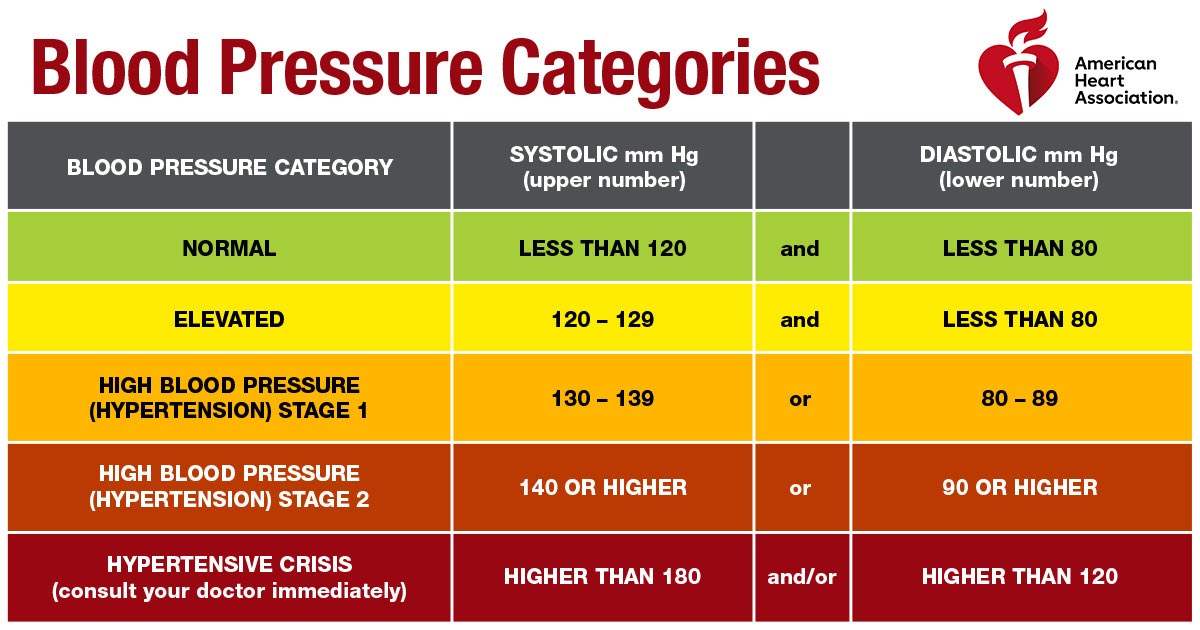
Blood pressure is considered elevated at 120/80 mm Hg and higher. The current American Heart Association/American College of Cardiology guidelines for treating high blood pressure suggest changes to diet and activity levels to lower blood pressure and adding blood pressure-lowering medication for people with levels of 130/80 mm Hg or higher depending on their risk status. If blood pressure reaches 140/90 mm Hg, blood pressure-lowering medication is recommended.
Limitations of this analysis are that the authors could not account for differences in racial/ethnic background based on the available studies, and there is a higher proportion of men vs. women in the group who took medications that cross the blood-brain barrier. This is an important area of future research since previous studies have shown that people from various racial/ethnic backgrounds may respond differently to different blood pressure medications.
Reference: “Blood-Brain Barrier Crossing Renin-Angiotensin Drugs and Cognition in the Elderly: A Meta-Analysis” by Jean K. Ho, Frank Moriarty, Jennifer J. Manly, Eric B. Larson, Denis A. Evans, Kumar B. Rajan, Elizabeth M. Hudak, Lamiaa Hassan, Enwu Liu, Nobuyuki Sato, Naoyuki Hasebe, Danielle Laurin, Pierre-Hugues Carmichael and Daniel A. Nation, 21 June 2021, Hypertension.
DOI: 10.1161/HYPERTENSIONAHA.121.17049
Co-authors are Frank Moriarty, Ph.D.; Jennifer J. Manly, Ph.D.; Eric B. Larson, M.D., M.P.H.; Denis A. Evans, M.D.; Kumar B. Rajan, Ph.D.; Elizabeth M. Hudak, Ph.D.; Lamiaa Hassan, M.Sc.; Enwu Liu, Ph.D.; Nobuyuki Sato, M.D., Ph.D.; Naoyuki Hasebe, M.D., Ph.D.; Danielle Laurin, Ph.D.; and Pierre-Hugues Carmichael, M.Sc.
The National Institute on Aging of the National Institutes of Health, and the Alzheimer’s Association funded this study. A full list of funding sources for the 14 individual studies within the meta-analysis are available in the manuscript.
Never miss a breakthrough: Join the SciTechDaily newsletter.
Follow us on Google and Google News.
1 Comment
Could it be possible that the reason the medications help is because the medications make your brain create more P-glycoprotein which correlates with dementia and neutral degeneration? Next will they be recommending we take chemo to cure dementia….