
Close Menu
    Facebook X (Twitter) Instagram
    SciTechDaily
    • Biology
    • Chemistry
    • Earth
    • Health
    • Physics
    • Science
    • Space
    • Technology
    Facebook X (Twitter) Pinterest YouTube RSS
    SciTechDaily
    Home»Earth»Canadian Ice Caps Completely Disappear, Confirming Scientific Prediction
    Earth

    Canadian Ice Caps Completely Disappear, Confirming Scientific Prediction

    By University of Colorado at BoulderAugust 5, 20202 Comments4 Mins Read
    Facebook Twitter Pinterest Telegram LinkedIn WhatsApp Email Reddit
    Share
    Facebook Twitter LinkedIn Pinterest Telegram Email Reddit
    Mark Serreze
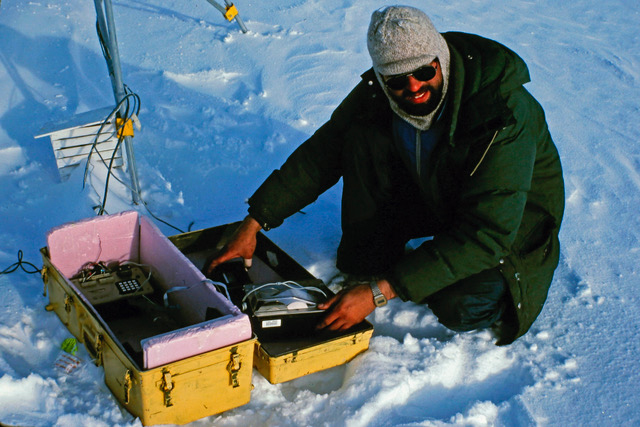
    National Snow and Ice Data Center director Mark Serreze conducted research on the St. Patrick Bay ice caps as a graduate student with the University of Massachusetts in 1982. The ice caps have since melted completely and disappeared. Credit: Ray Bradley

    The St. Patrick Bay ice caps in Canada have completely disappeared.

    The St. Patrick Bay ice caps on the Hazen Plateau of northeastern Ellesmere Island in Nunavut, Canada, have disappeared, according to NASA satellite imagery. National Snow and Ice Data Center (NSIDC) scientists and colleagues predicted via a 2017 paper in The Cryosphere that the ice caps would melt out completely within the next five years, and recent images from NASA’s Advanced Spaceborne Thermal Emission and Reflection Radiometer (ASTER) have confirmed that this prediction was accurate.
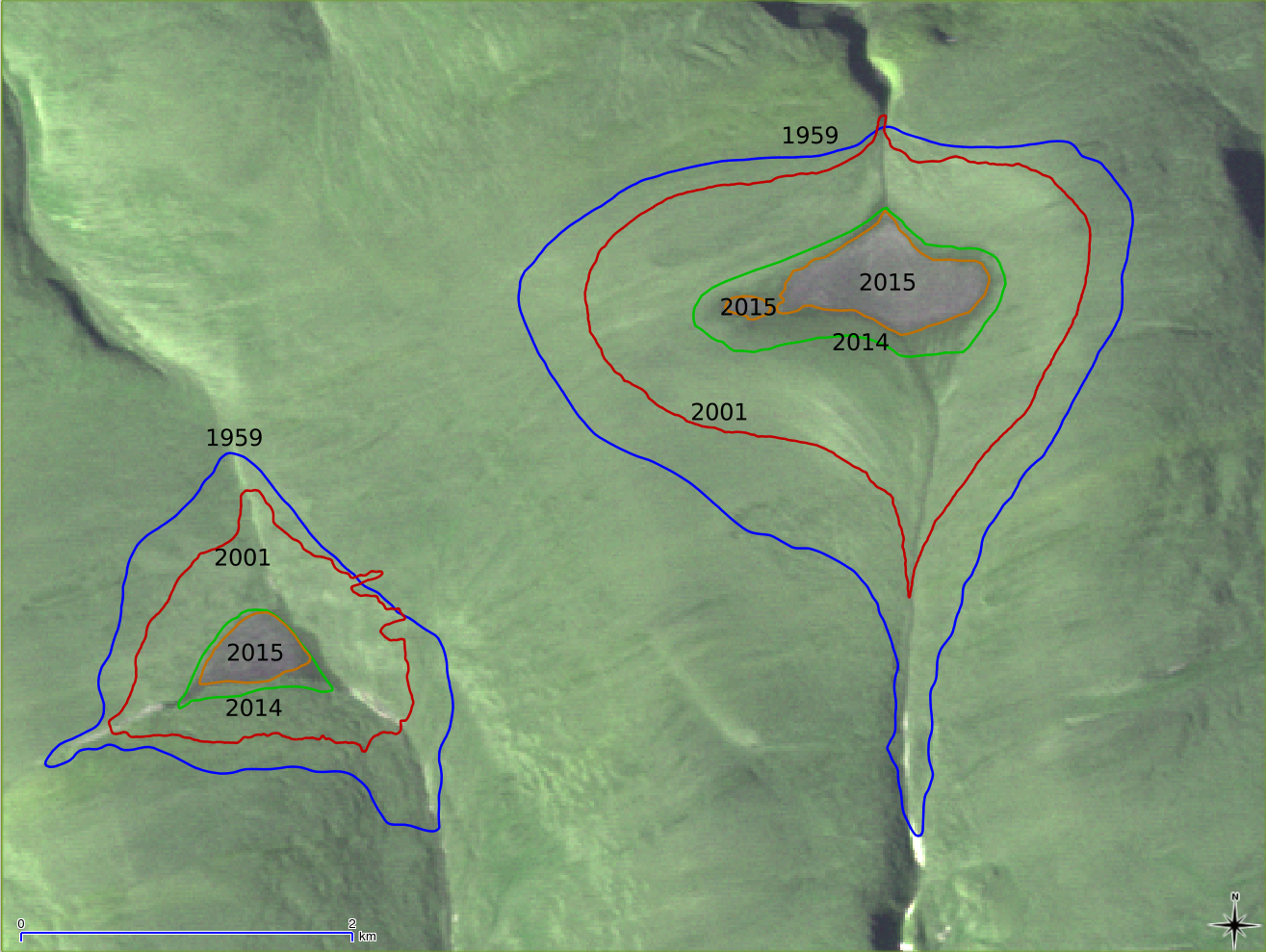
    St Patrick Bay Ice Caps
    This outline of the St. Patrick Bay ice caps, taken from the 2017 The Cryosphere paper, is based on aerialphotography from August 1959, GPS surveys conducted during August 2001, and for August of 2014 and 2015 from NASA’s Advanced Spaceborne Thermal Emission and Reflection Radiometer (ASTER). It shows the area of the St. Patrick Bay ice caps in 1959, 2001, 2014, and 2015. The ice caps were markedly smaller in 2015 than in previous years. Credit: University of Colorado at Boulder

    Mark Serreze, director of NSIDC, Distinguished Professor of Geography at the University of Colorado Boulder, and lead author on the paper, first set foot on the St. Patrick Bay ice caps in 1982 as a young graduate student. He visited the ice caps with his advisor, Ray Bradley, of the University of Massachusetts.
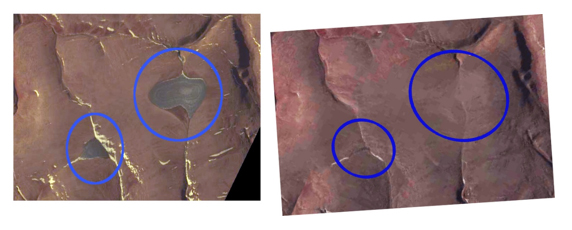
    St Patrick Bay Ice Caps Satellite Images
    These NASA Advanced Spaceborne Thermal Emission and Reflection Radiometer (ASTER) satellite images show the location where the St. Patrick Bay ice caps used to exist on the Hazen Plateau of northeastern Ellesmere Island in Nunavut, Canada. The ice caps were still intact in the photo on the left, which was taken in August of 2015. As of the photo on the right, which was taken in July of 2020, the ice caps have melted out and no longer exist. Credit: Bruce Raup, NSIDC

    “When I first visited those ice caps, they seemed like such a permanent fixture of the landscape,” said Serreze. “To watch them die in less than 40 years just blows me away.”

    In 2017, scientists compared ASTER satellite data from July 2015 to vertical aerial photographs taken in August of 1959. They found that between 1959 and 2015, the ice caps had been reduced to only five percent of their former area, and shrank noticeably between 2014 and 2015 in response to the especially warm summer in 2015. The ice caps are absent from ASTER images taken on July 14, 2020.
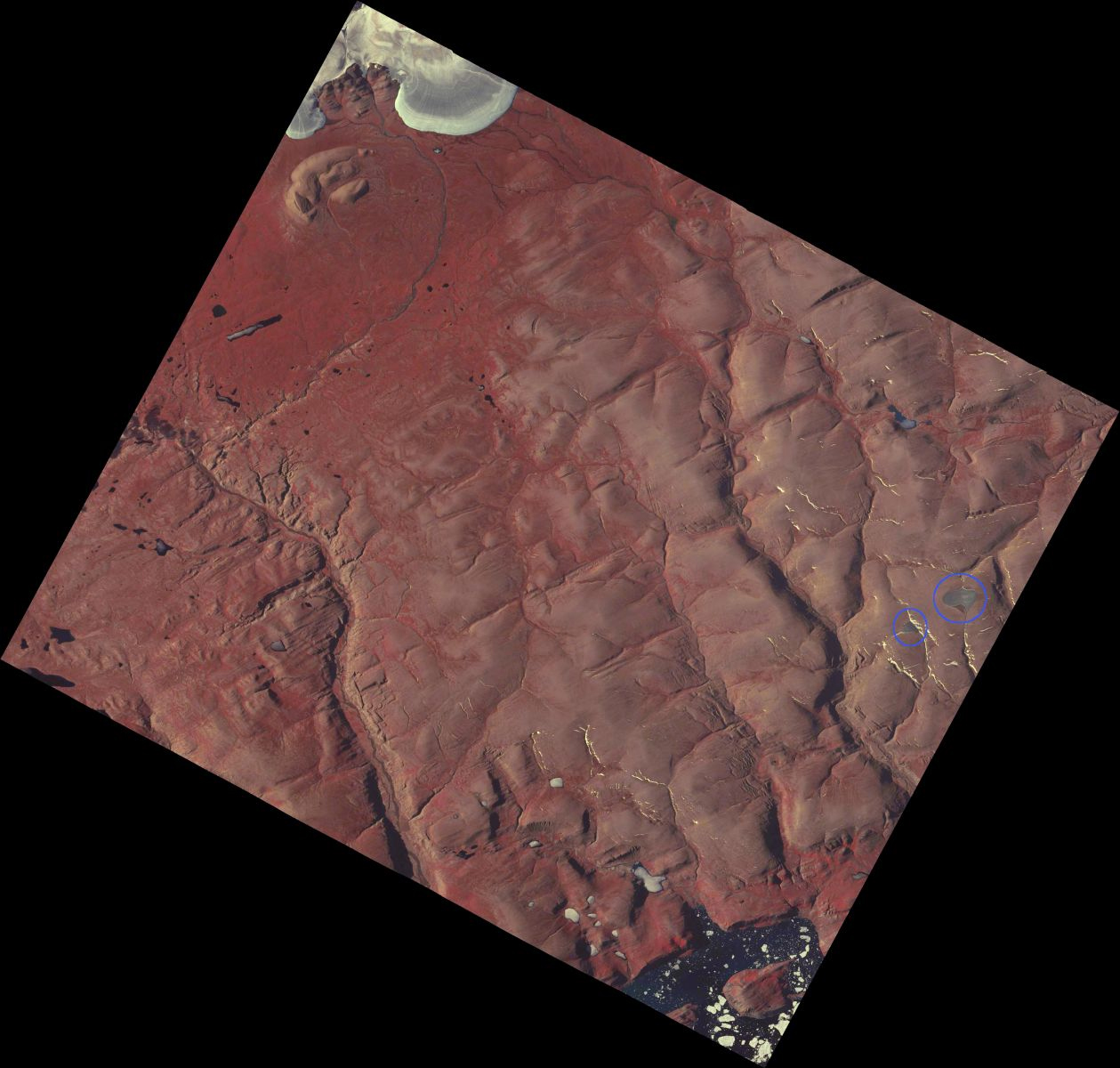
    St. Patrick Bay Ice Caps Satellite Image 2015
    This NASA Advanced Spaceborne Thermal Emission and Reflection Radiometer (ASTER) satellite image from August 4, 2015, shows the location where the St. Patrick Bay ice caps (circled in blue). As of July 2020, satellite images show that these ice caps have disappeared. Credit: Bruce Raup, NSIDC

    The St. Patrick Bay ice caps were one-half of a group of small ice caps on the Hazen Plateau, which formed and likely attained their maximum extents during the Little Ice Age, perhaps several centuries ago. The Murray and Simmons ice caps, which make up the second half of the Hazen Plateau ice caps, are located at a higher elevation and are therefore faring better, though scientists predict that their demise is imminent as well.
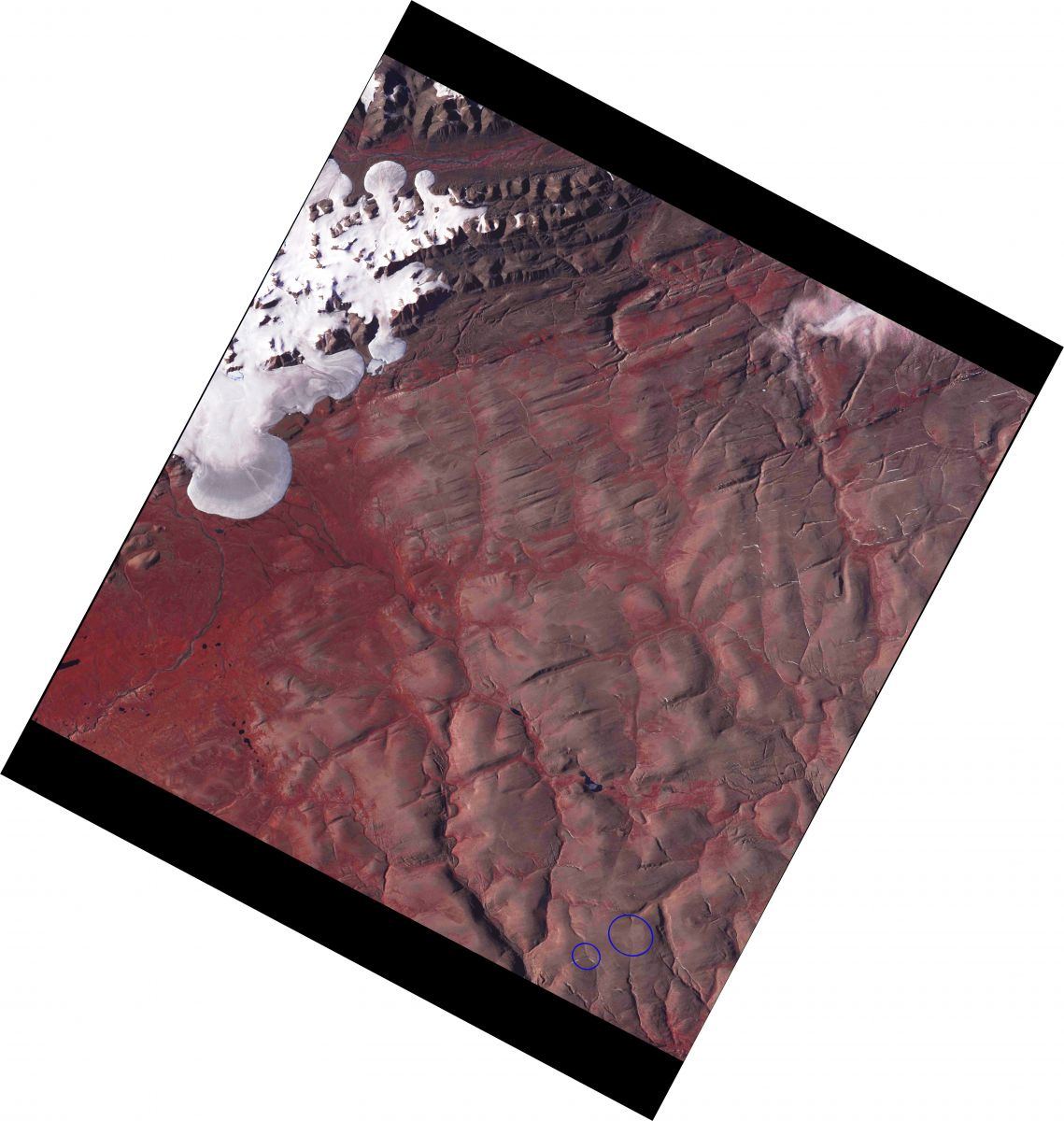
    St Patrick Bay Ice Caps Satellite Image 2020
    This NASA Advanced Spaceborne Thermal Emission and Reflection Radiometer (ASTER) satellite image from July 14, 2020, shows the location where the St. Patrick Bay ice caps once were (area circled in blue). As of July 2020, satellite images show that these ice caps have disappeared. Credit: Bruce Raup, NSIDC

    “We’ve long known that as climate change takes hold, the effects would be especially pronounced in the Arctic,” said Serreze. “But the death of those two little caps that I once knew so well has made climate change very personal. All that’s left are some photographs and a lot of memories.”

    Never miss a breakthrough: Join the SciTechDaily newsletter.
    Follow us on Google and Google News.

    Arctic Climate Change Global Warming University of Colorado at Boulder
    Share. Facebook Twitter Pinterest LinkedIn Email Reddit

    Related Articles

    Earth’s Tipping Point: Arctic Meltdown Signals a Climate Catastrophe

    Increasingly Mobile Sea Ice Risks Polluting Arctic Neighbors With Oil and Microplastics

    Half of Late 20th-Century Arctic Warming Caused by Ozone-Depleting Substances – “It’s a Good-News Story”

    Upside-Down “Rivers” of Warm Ocean Water Attacking Antarctic Ice Shelves [Video]

    Carbon Locked in Arctic Permafrost Will Contribute to Global Warming

    Melting Arctic Ice May Lead to Severe Weather Changes

    Increased Methane Gas Levels Found Over Cracks in Arctic Sea Ice

    Fossil Fuel Emissions, Organic Carbon and Alaska’s Glaciers

    NASA Study Reveals Multi-Year Ice Declining Faster than Perennial Ice that Surrounds It

    2 Comments

    1. Donald Swager on August 5, 2020 3:44 pm

      I’m scared s#!tless!!!!!!! Help me!!

      Reply
    2. Rob on December 8, 2024 1:56 pm

      ” “To watch them die in less than 40 years just blows me away.”

      Alas that the glacier across on which I used to walk to work 50 years ago is now just a mere lake, as is the one on which I bivouaced under a large boulder. Had I only known the future, I could have waited a bit and used a dinghy and outboard motor to get around.

      Reply
    Leave A Reply Cancel Reply

    • Facebook
    • Twitter
    • Pinterest
    • YouTube

    Don't Miss a Discovery

    Subscribe for the Latest in Science & Tech!

    Trending News

    New Study Reveals Why Ozempic Works Better for Some People Than Others

    Climate Change Is Altering a Key Greenhouse Gas in a Way Scientists Didn’t Expect

    New Study Suggests Gravitational Waves May Have Created Dark Matter

    Scientists Discover Why the Brain Gets Stuck in Schizophrenia

    Scientists Engineer “Tumor-Eating” Bacteria That Devour Cancer From Within

    Even “Failed” Diets May Deliver Long-Term Health Gains, Study Finds

    NIH Scientists Discover Powerful New Opioid That Relieves Pain Without Dangerous Side Effects

    Collapsing Plasma May Hold the Key to Cosmic Magnetism

    Follow SciTechDaily
    • Facebook
    • Twitter
    • YouTube
    • Pinterest
    • Newsletter
    • RSS
    SciTech News
    • Biology News
    • Chemistry News
    • Earth News
    • Health News
    • Physics News
    • Science News
    • Space News
    • Technology News
    Recent Posts
    • Household Cats Could Hold the Secret to Fighting Breast Cancer
    • Scientists Say This Natural Hormone Reverses Obesity by Targeting the Brain
    • This 15,000-Year-Old Discovery Changes What We Know About Early Human Creativity
    • 35-Million-Year-Old Mystery: Strange Arachnid Discovered Preserved in Amber
    • Revolutionary Gas Turbine Generates Power Without Air Compression
    Copyright © 1998 - 2026 SciTechDaily. All Rights Reserved.
    • Science News
    • About
    • Contact
    • Editorial Board
    • Privacy Policy
    • Terms of Use

    Type above and press Enter to search. Press Esc to cancel.