
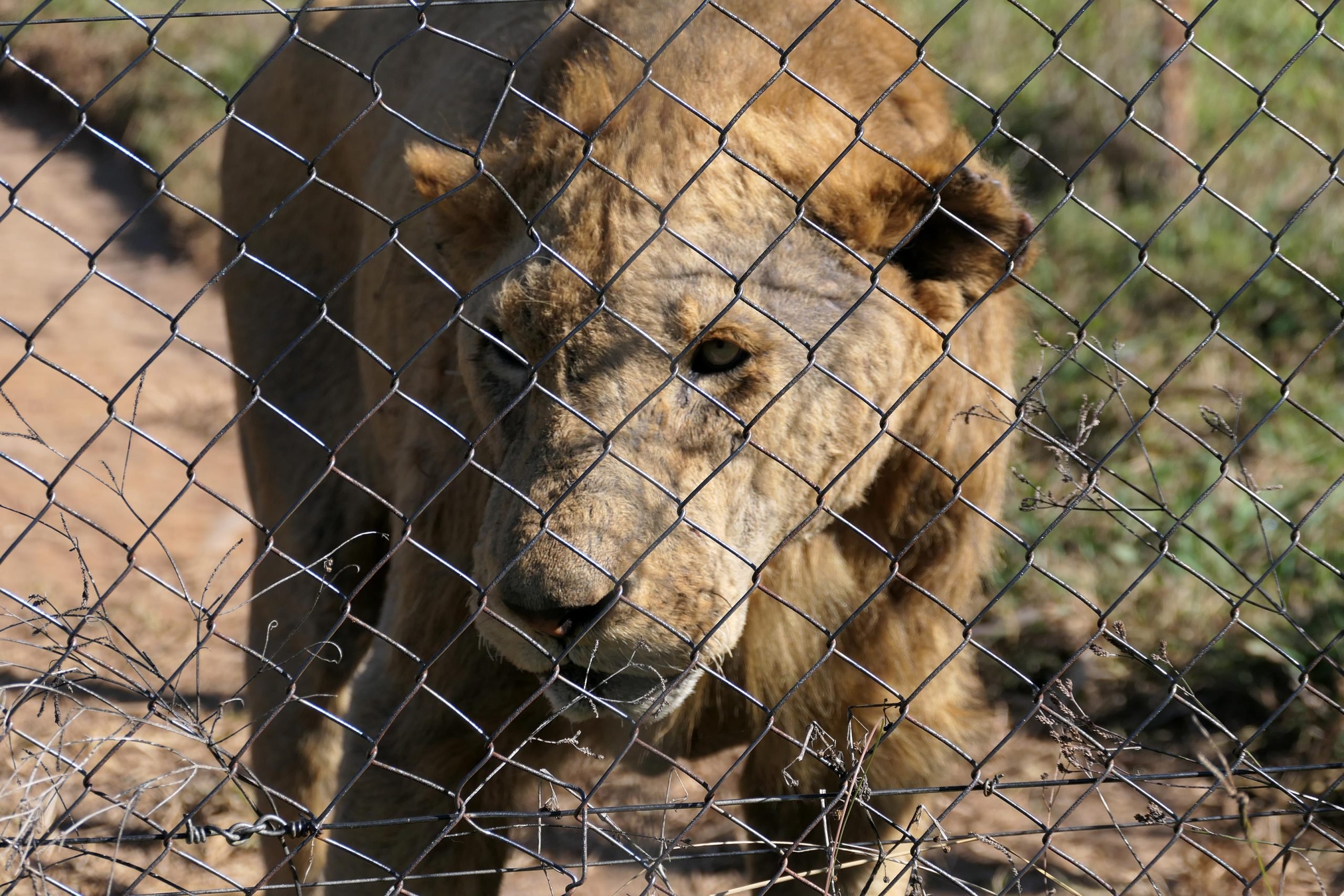
Concerning findings from a Nature Conservation study highlight rampant illegal and unethical practices within South Africa’s captive lion industry, prompting calls for strict governmental regulation and a comprehensive phase-out plan.
A new research paper published today (August 8) in the scientific journal Nature Conservation has uncovered concerning activities within South Africa’s captive lion industry, shedding light on the urgent need for comprehensive governmental action.
The study by World Animal Protection, conducted through direct interviews with workers at two closed-access lion facilities in South Africa’s North West Province, reveals disturbing practices. These include:
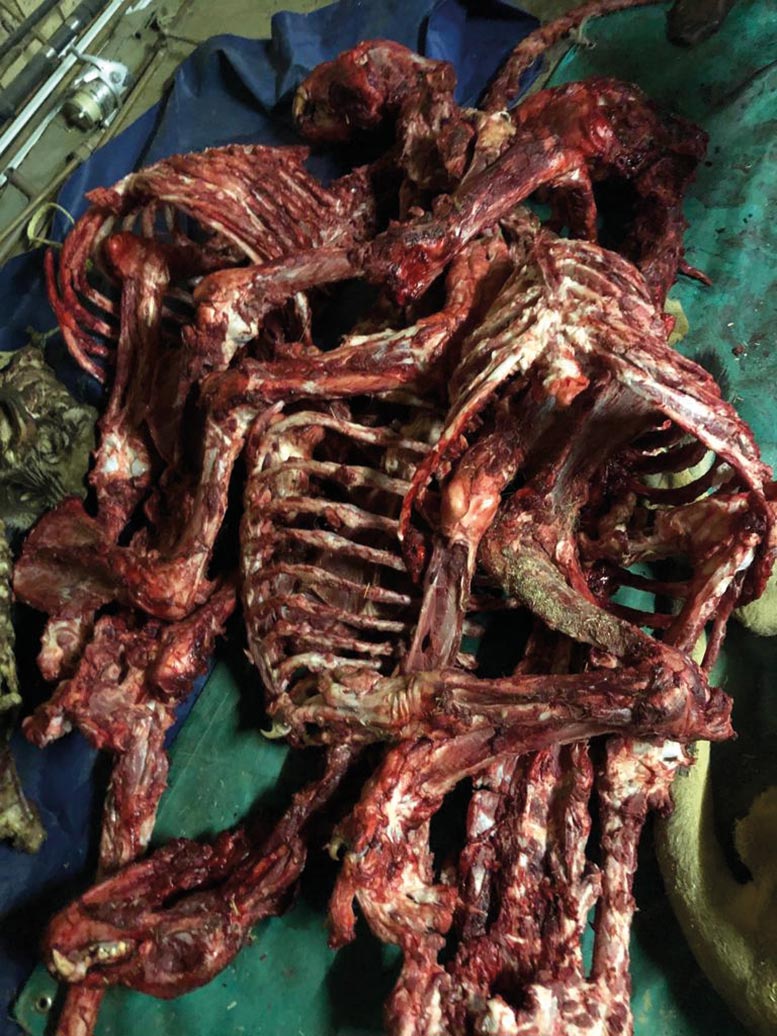
- The use of legal activities such as commercial captive lion breeding and canned hunting to mask involvement in the illegal international trade of lion and tiger bones.
- Animal welfare violations including reports of malnutrition, lack of clean water, filthy enclosures, and animals being deliberately starved throughout the low-hunting season.
- Illegal hunting practices such as reports of animals being drugged and hunted within an hour of release in enclosures that violate legal minimum size requirements.
- Unsafe working conditions including reports of a lack of protective gear for workers when preparing the bodies of hunted animals.
- Potential shifts towards commercial exploitation of other felid species like tigers which could be used as substitutes for lion bones.
- Poaching incidents of big cats from commercial captive lion farms by unaffiliated actors, with often only the heads and paws of the animals harvested by the poachers.
Facility workers detailed the use of various strategies, including security cameras, patrols, and messaging apps, to evade detection during inspections. These findings emphasize the complexity and severity of issues within the captive lion industry, necessitating immediate and decisive action.
Calls for Government Action
Lead researcher Dr. Angie Elwin, Research Manager at World Animal Protection said: “Our study highlights the troubling reality of South Africa’s captive lion industry. Legal activities are being exploited to facilitate illegal trade, and this is compounded by serious animal welfare violations and unsafe conditions for workers. Urgent action is needed to protect lions and people.”
Although the commercial captive breeding and canned hunting of lions remains legal, though poorly regulated in South Africa, the export of lion skeletons – including claws and teeth – was declared unconstitutional by the South African High Court in 2019.
Strategies for Industry Reform
In 2021, the South African Government announced its intention to immediately halt the “domestication and exploitation of lions, and to ultimately close all captive lion facilities in South Africa.”
However, a lack of enforcement of regulations and clarity on the future of the industry, has left a legal grey area, enabling some farms to operate what on the surface appear to be legitimate captive lion breeding and ‘canned’ trophy hunting businesses – but which in reality supply the illegal international big cat bone trade facilitated by organized crime gangs.
In light of these revelations, the study calls for the South African Government to implement a comprehensive and well-managed plan to transition away from current practices in the captive lion industry. Key recommendations include:
- Full Audit of the Industry: To ensure all commercial captive lion farms are officially registered and compliant with regulations until the industry is phased out.
- Breeding Moratorium: Establish an immediate moratorium on lion breeding to prevent further growth of the commercial captive lion population.
- Prevention of Bone Stockpiling: Develop and enforce plans to prevent the accumulation of lion bones, which risks fuelling the illegal international lion bone trade.
- Phase out Plan: Enact a time bound strategic plan to phase out the captive lion farming industry, ensuring ethical treatment of animals and safety for workers.
Senior researcher Dr. Neil D’Cruze, Head of Wildlife Research at World Animal Protection said: “The South African Government must take immediate action to fulfil its public pledge to end the controversial captive lion industry. Without a comprehensive time-bound plan and stringent enforcement, this commercial industry will continue to pose significant legal, animal cruelty, and conservation concerns.”
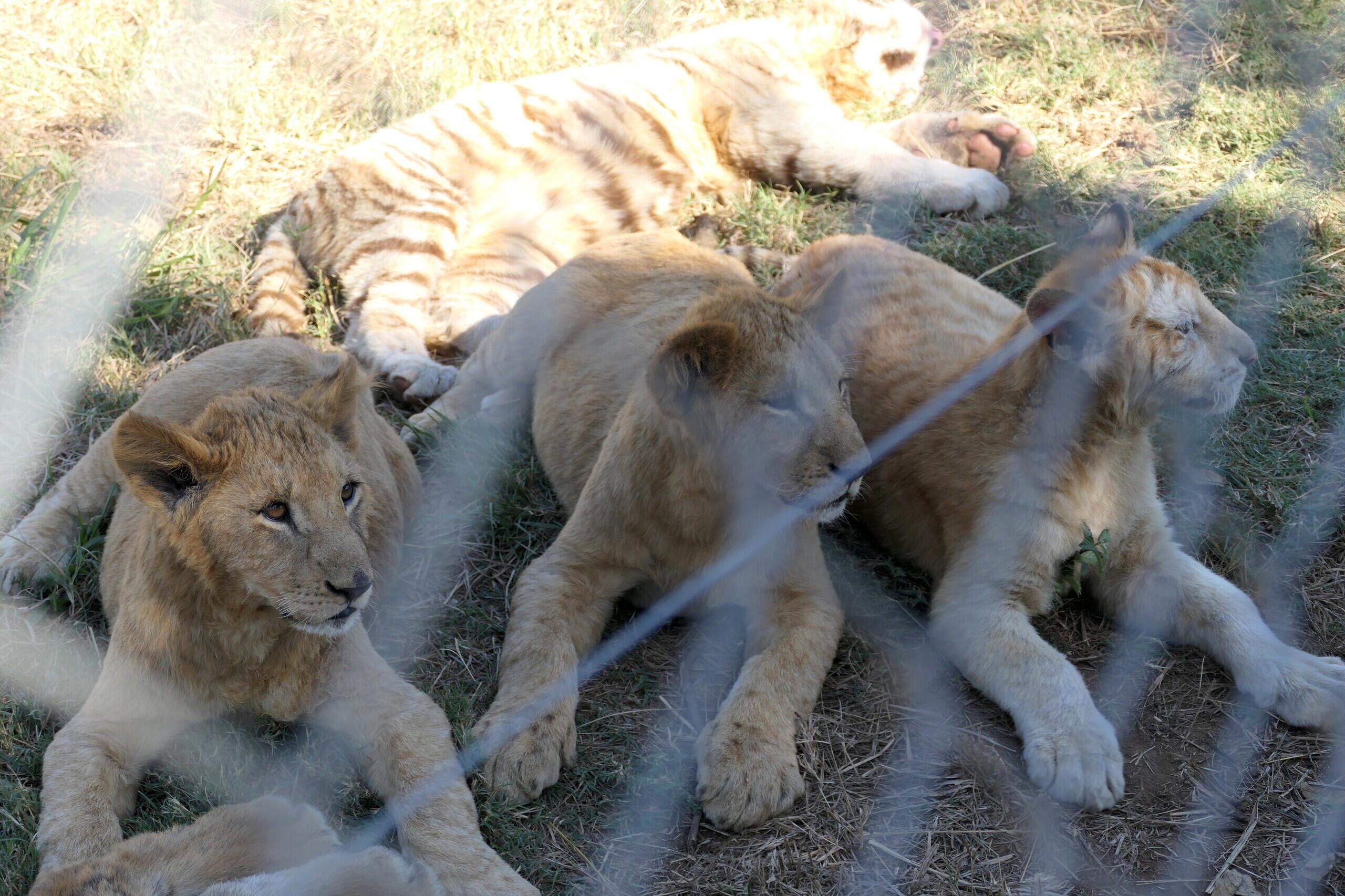
It is estimated that between 8,000-12,000 lions and other big cats, including tigers, are bred and kept in captivity in more than 350 facilities across the country.
This study serves as a crucial call to action for both the South African Government and the international community to address and resolve the complex issues surrounding the captive lion industry.
The publication comes at a time when South African NGO Blood Lions encourages the public to raise their voice by sharing the 2024 World Lion Day “You’re killing them softly” campaign message, aimed at informing tourists and visitors to lion farms about the hidden suffering and cruelty involved, and to sign this petition urging the South African government among others to extend the ban on captive lion breeding and trading to other predators.
Reference: “Under the lion’s paw: lion farming in South Africa and the illegal international bone trade” by Angie Elwin, Eyob Asfaw and Neil D’Cruze, 8 August 2024, Nature Conservation.
DOI: 10.3897/natureconservation.56.124555
Never miss a breakthrough: Join the SciTechDaily newsletter.
Follow us on Google and Google News.
1 Comment
Captive breeding produces animals with poor instincts when encountering human trophy hunters. Such things as “canned hunting” should be banned. The overall mistreatment of all those animals is sickening.