
Close Menu
    Facebook X (Twitter) Instagram
    SciTechDaily
    • Biology
    • Chemistry
    • Earth
    • Health
    • Physics
    • Science
    • Space
    • Technology
    Facebook X (Twitter) Pinterest YouTube RSS
    SciTechDaily
    Home»Science»Pangolins Are at Risk – Illegal Trade and Poor Regulation
    Science

    Pangolins Are at Risk – Illegal Trade and Poor Regulation

    By Pensoft PublishersApril 13, 2023No Comments3 Mins Read
    Facebook Twitter Pinterest Telegram LinkedIn WhatsApp Email Reddit
    Share
    Facebook Twitter LinkedIn Pinterest Telegram Email Reddit
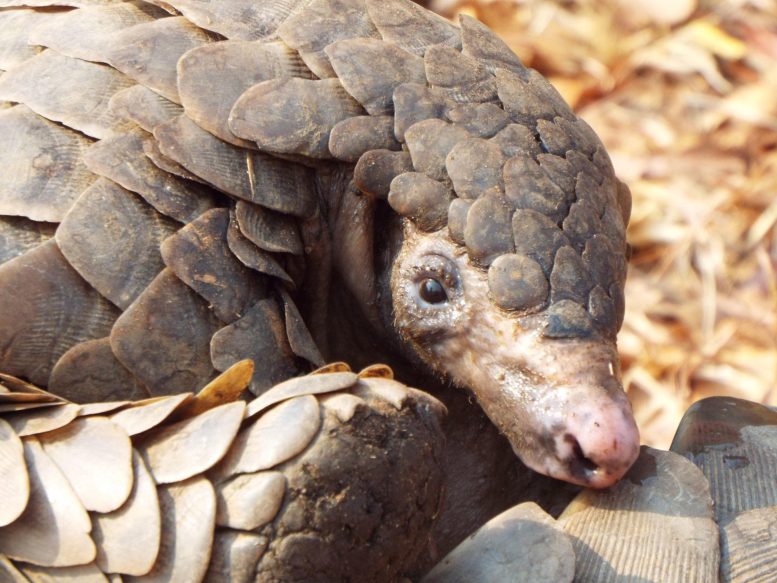
    Pangolin
    Pangolins are unique mammals known for their large, keratin scales that cover their bodies. They are found in Asia and Africa and are highly valued for their meat and scales, which are used in traditional medicine.

    Pangolin populations face critical decline due to high demand in traditional medicine and widespread illegal trade in China.

    Pangolins, a group of mammals with distinctive scale-covered bodies, are facing a sharp decrease in their populations across Asia and Africa due to rampant illegal trade. The trade of pangolins, both legal and illicit, fuels the market for traditional Chinese medicine, drawing the attention of conservationists. Despite this, the extent of demand for pangolins and other wildlife products in traditional Chinese medicine remains under-researched.

    A recent study published in Nature Conservation by Dr. Yifu Wang, a postdoctoral researcher at the University of Hong Kong, delved into the trade of pangolin scales in China. The study was conducted by interviewing personnel from hospitals and pharmaceutical shops in two provinces, Henan and Hainan. From October 2016 to April 2017, Dr. Wang and her team engaged in conversations with 41 hospital doctors and 134 pharmaceutical shop owners and assistants.

    The research found pangolin scales and their derivatives were widely available in hospitals and pharmaceutical shops across Henan and Hainan Provinces. The legislation in place, however, has not been able to prevent ongoing illegal trade in pangolin products. Her team found that 46% of surveyed hospitals and 34% of surveyed pharmaceutical shops were selling pangolin-scale products illegally.
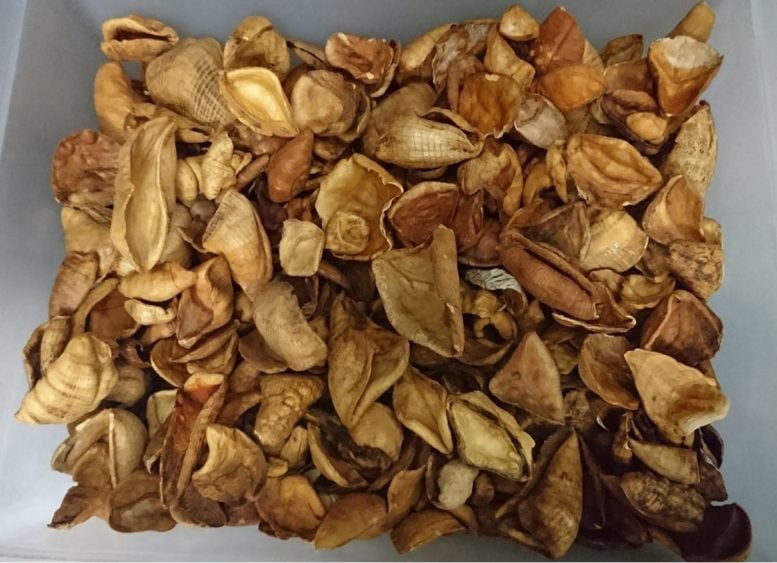
    Processed Pangolin Scales
    Processed pangolin scales. Credit: Yifu Wang

    Gaps in Legal Trade Enforcement

    “Existing legal trade allows 711 hospitals to sell pangolin products as medicine with regulations on manufacturer, package, and national annual sale quantity,” explains Dr. Yifu Wang. “However, we show that pangolin scales are under heavy demand and unpermitted sellers are commonly found illegally selling pangolin products.”

    “Quantities of products traded by permitted legal sellers are estimated to greatly exceed the supply capacity of legal sources,” she continues.

    This widespread illegal trade, coupled with the very limited legal supply capacity compared to market demand, is concerning. The researchers point to the urgent need to reduce the demand for traditional Chinese medicine on pangolin scales and revise the current legal pangolin scale trade system.

    “We also highlight the importance of incorporating the traditional Chinese medicine sector into combating illegal wildlife trade and species conservation beyond pangolins,” they conclude.

    The researchers plan to continue investigating the pangolin scale market in China to understand the trade after COVID-19.

    Reference: “The scale of the problem: understanding the demand for medicinal pangolin products in China” by Yifu Wang, Samuel T. Turvey and Nigel Leader-Williams, 3 April 2023, Nature Conservation.
    DOI: 10.3897/natureconservation.52.95916

    Never miss a breakthrough: Join the SciTechDaily newsletter.
    Follow us on Google and Google News.

    Biodiversity Conservation The University of Hong Kong Wildlife
    Share. Facebook Twitter Pinterest LinkedIn Email Reddit

    Related Articles

    Cryo Conservation – A Cool Solution to Saving Species From Extinction

    Over 800 Human-Harvested Shellfish Species and Their Remarkable Resilience to Extinction

    Australia’s Rarest Bird of Prey Is Facing Extinction

    New Research Reveals Why You Shouldn’t Let Your Cat Outside

    How Vacation Photos of Zebras and Whales Can Help Wildlife Conservation

    Wildlife Crisis: Decline of Vultures and Rise of Dogs Carries Serious Disease Risks

    Conservation Paradox: The Pros and Cons of Recreational / Trophy Hunting

    Pacific Fisheries Fail to Stop Tuna Overfishing

    Protected California Sea Lions Devour Threatened Salmon in Columbia River

    Leave A Reply Cancel Reply

    • Facebook
    • Twitter
    • Pinterest
    • YouTube

    Don't Miss a Discovery

    Subscribe for the Latest in Science & Tech!

    Trending News

    Even Occasional Binge Drinking May Triple Liver Damage Risk

    Liftoff! NASA’s Artemis II Launch Sends Astronauts Around the Moon for First Time in 50 Years

    Scientists Discover New Way To Eliminate “Zombie Cells” Driving Aging

    This New Quantum Theory Could Change Everything We Know About the Big Bang

    This One Vitamin May Help Protect Your Brain From Dementia Years Later

    Stopping Weight-Loss Drugs Like Ozempic Can Quickly Erase Heart Benefits

    A 500-Million-Year-Old Surprise Is Forcing Scientists to Rethink Spider Evolution

    Coffee and Blood Pressure: What You Need To Know Before Your Next Cup

    Follow SciTechDaily
    • Facebook
    • Twitter
    • YouTube
    • Pinterest
    • Newsletter
    • RSS
    SciTech News
    • Biology News
    • Chemistry News
    • Earth News
    • Health News
    • Physics News
    • Science News
    • Space News
    • Technology News
    Recent Posts
    • Tiny 436-Million-Year-Old Fish Fossil Rewrites the Origins of Vertebrates
    • 1,800 Miles Down: Scientists Uncover Mysterious Movements at the Edge of Earth’s Core
    • Scientists Uncover Earth’s Hidden “Gold Kitchen” Beneath the Ocean Floor
    • You Don’t Need To Be Rich: New Study Reveals a Simple Life Is the Real Secret to Happiness
    • “Crazy Dice” Help Scientists Prove Only One 150-Year-Old Theory About Randomness Works
    Copyright © 1998 - 2026 SciTechDaily. All Rights Reserved.
    • Science News
    • About
    • Contact
    • Editorial Board
    • Privacy Policy
    • Terms of Use

    Type above and press Enter to search. Press Esc to cancel.