

In January 2025, NASA’s Goldstone Solar System Radar is closely tracking asteroid 2024 PT5 during its nearest approach to Earth, a distance still five times farther than the Moon.
First spotted in August 2024 by the University of Hawaiʻi’s ATLAS telescope, this small, 33-foot-wide asteroid has been orbiting the Sun in a path similar to Earth’s, making it a temporary companion over the past few months.
Discovery and Nature of Asteroid 2024 PT5
The small near-Earth asteroid 2024 PT5, first observed on August 7, 2024, by the University of Hawaiʻi’s ATLAS telescope in Sutherland, South Africa, has captured the attention of astronomers. Measuring approximately 33 feet (10 meters) across, it poses no threat to Earth.
2024 PT5 shares a similar motion to Earth as it orbits the Sun, making it a temporary companion of our planet. For several months, it has remained at a distance about nine times farther than the Moon, never coming close enough to be captured by Earth’s gravity. While not technically a “mini-moon,” its unique orbit makes it a fascinating object for study. NASA planned to monitor it with planetary radar for further insights.
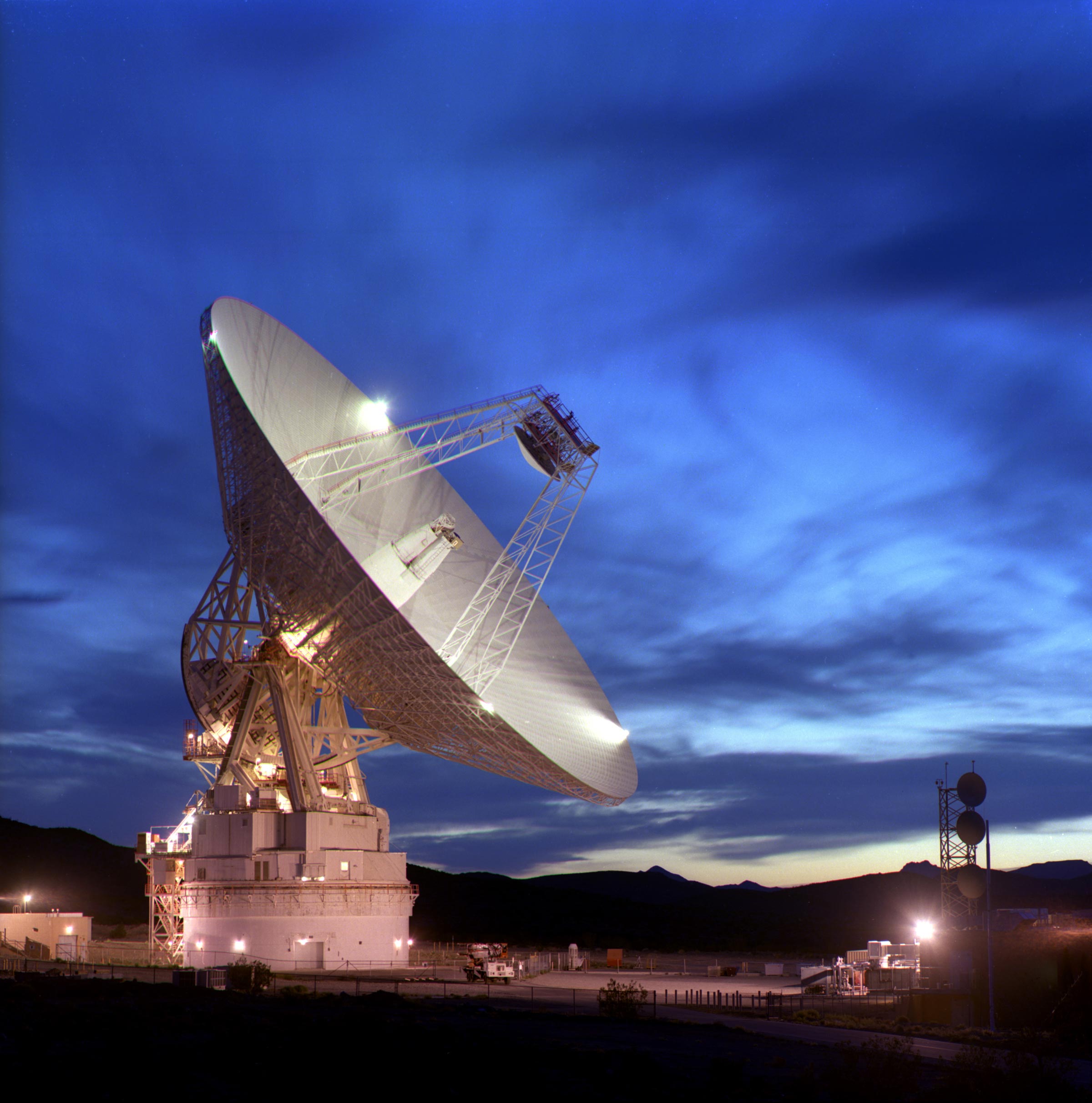
As of January 2025, the Goldstone Solar System Radar, part of NASA’s Deep Space Network near Barstow, California, is tracking the asteroid during its closest approach, which is still five times the distance from Earth to the Moon. After this encounter, 2024 PT5 will move away from Earth and continue its journey around the Sun.
Speculations on Asteroid Origin
Given the similarity between asteroid 2024 PT5’s motion and that of our planet’s, scientists at NASA’s Center for Near Earth Object Studies (CNEOS) suspect that the object could be a large chunk of rock ejected from the Moon’s surface after an asteroid impact long ago. Rocket bodies from historical launches can also be found in such Earth-like orbits, but after analysis of this object’s motion, it has been determined that 2024 PT5 is more likely of natural origin.
NASA’s Near-Earth Object Surveillance
Based at NASA’s Jet Propulsion Laboratory in Southern California, CNEOS precisely characterizes the orbits of all known near-Earth objects, predicts their close approaches with Earth, and makes comprehensive impact hazard assessments in support of the agency’s Planetary Defense Coordination Office (PDCO) at NASA Headquarters in Washington.
ATLAS and the Goldstone Solar System Radar are supported by NASA’s Near-Earth Object Observations Program within PDCO. Managed by JPL, the Deep Space Network receives programmatic oversight from the Space Communications and Navigation program office within the Space Operations Mission Directorate at NASA Headquarters.
Never miss a breakthrough: Join the SciTechDaily newsletter.
Follow us on Google and Google News.