Close Menu
    Facebook X (Twitter) Instagram
    SciTechDaily
    • Biology
    • Chemistry
    • Earth
    • Health
    • Physics
    • Science
    • Space
    • Technology
    Facebook X (Twitter) Pinterest YouTube RSS
    SciTechDaily
    Home»Science»Climate Catastrophe Forces Island Monkeys to Quickly Master New Social Skills
    Science

    Climate Catastrophe Forces Island Monkeys to Quickly Master New Social Skills

    By University of ExeterJune 20, 2024No Comments4 Mins Read
    Facebook Twitter Pinterest Telegram LinkedIn WhatsApp Email Reddit
    Share
    Facebook Twitter LinkedIn Pinterest Telegram Email Reddit
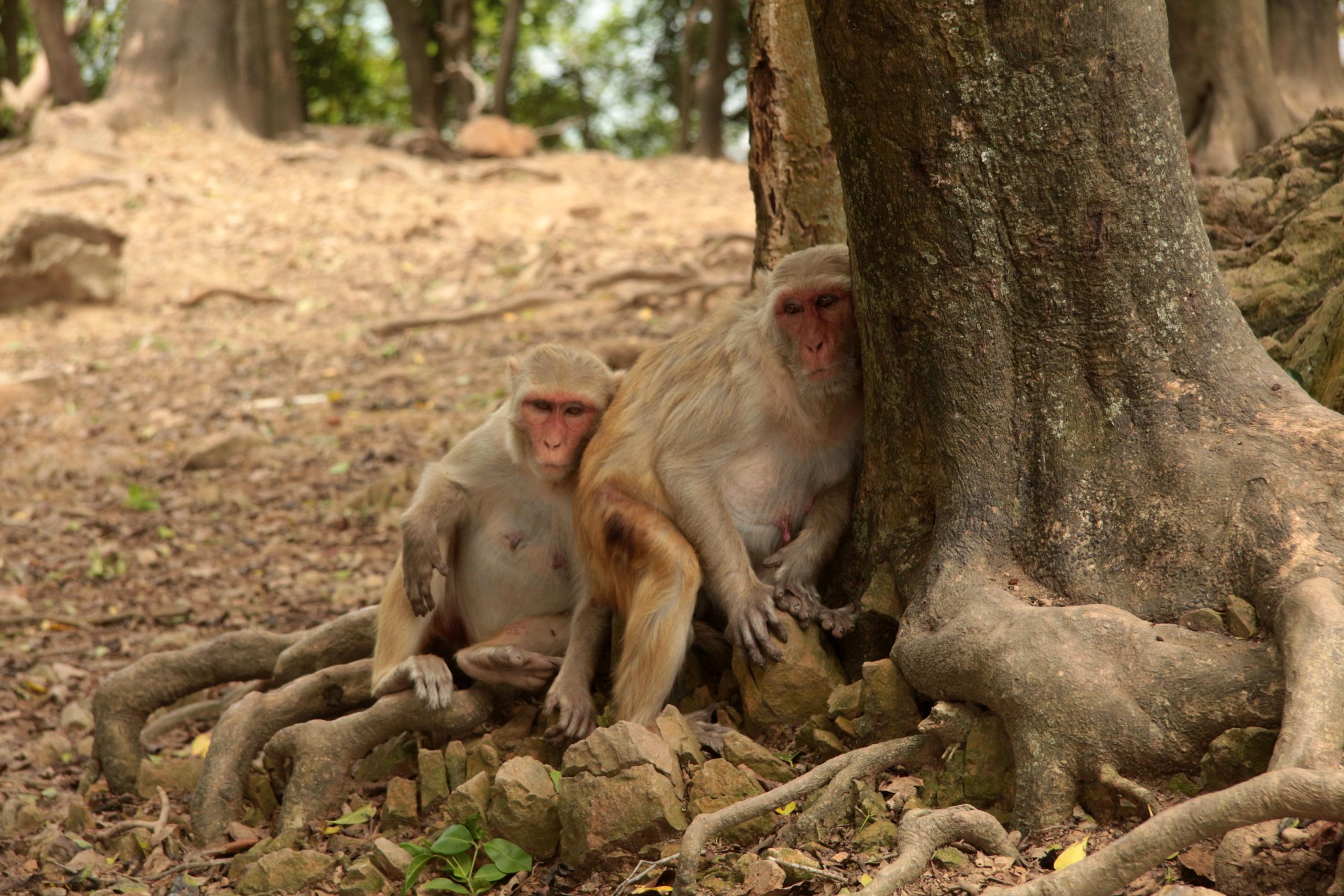
    Macaques in the Shade on Cayo Santiago
    Macaques in the shade on Cayo Santiago. Credit: Lauren Brent

    Following Hurricane Maria, rhesus macaques in Puerto Rico adapted their social behavior for survival.

    The reduction in shade led to increased tolerance among macaques, significantly lowering mortality rates for those who shared space. This adaptation highlights their flexibility in facing environmental challenges.
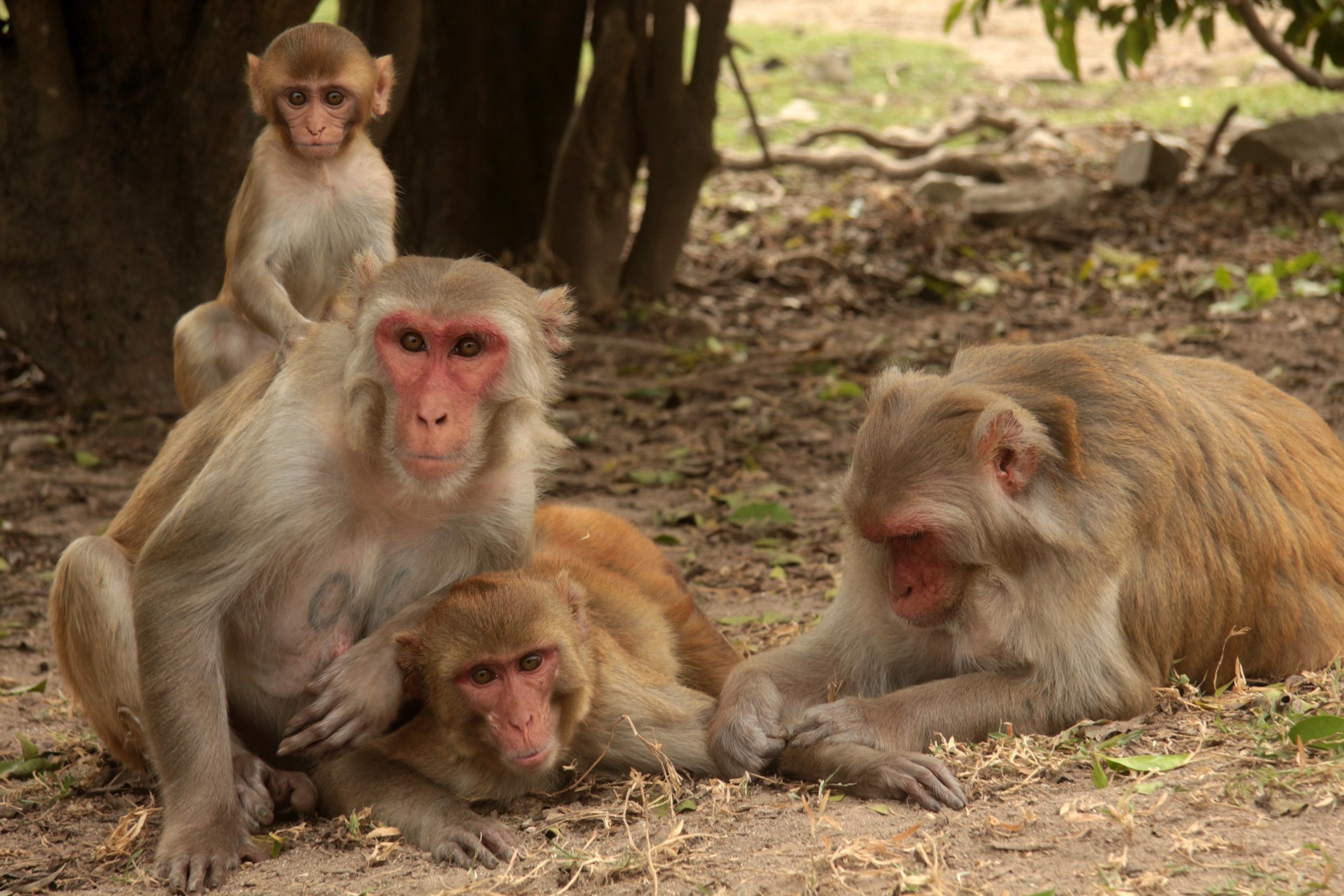
    Cayo Santiago Macaque Family
    Family of macaques grooming. Credit: Picture taken by Dr. Lauren Brent in 2013 in January 2017

    Impact of Hurricane Maria on Monkey Social Dynamics

    A devastating hurricane transformed a monkey society by changing the pros and cons of interacting with others, new research shows.

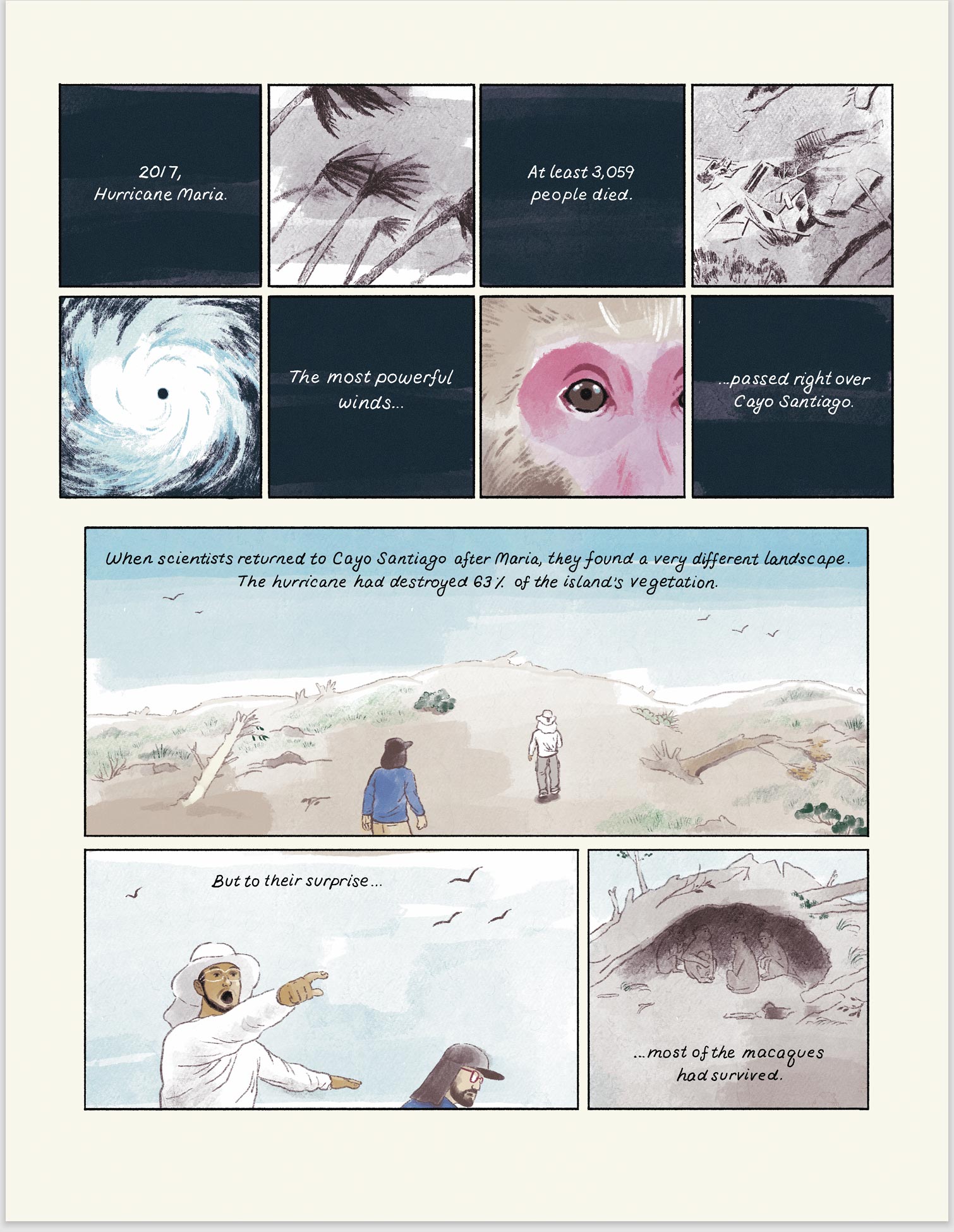
    Hurricane Maria hit Puerto Rico in 2017, killing more than 3,000 people. It also destroyed 63% of the vegetation on Cayo Santiago (also known as Monkey Island), which is home to a population of rhesus macaques.

    Even now, tree cover remains far below pre-hurricane levels and – in this hot part of the world – that makes shade a scarce and precious resource for the macaques.
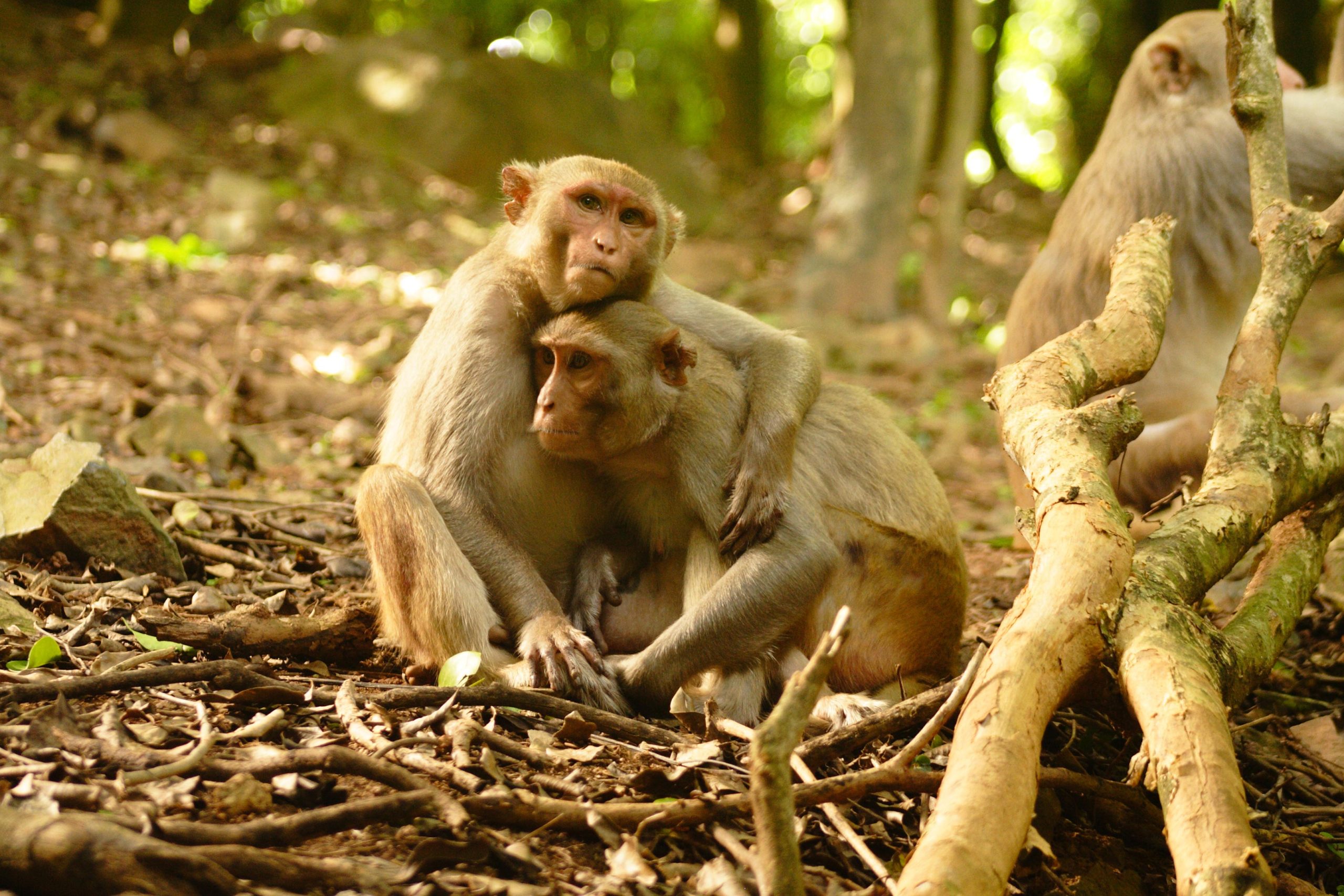
    Cayo Santiago Macaque Huddle
    Macaques huddling. Credit: Picture taken by Dr. Lauren Brent in April 2013

    Evolutionary Shifts in Macaque Behavior

    The new study, led by the universities of Pennsylvania and Exeter and published in the journal Science, shows the storm damage altered the evolutionary benefits of tolerating others and sharing shade – giving a survival advantage to tolerant macaques.

    With many ecosystems changing rapidly due to human activity, this study is an example of a species adapting its social strategy to survive.
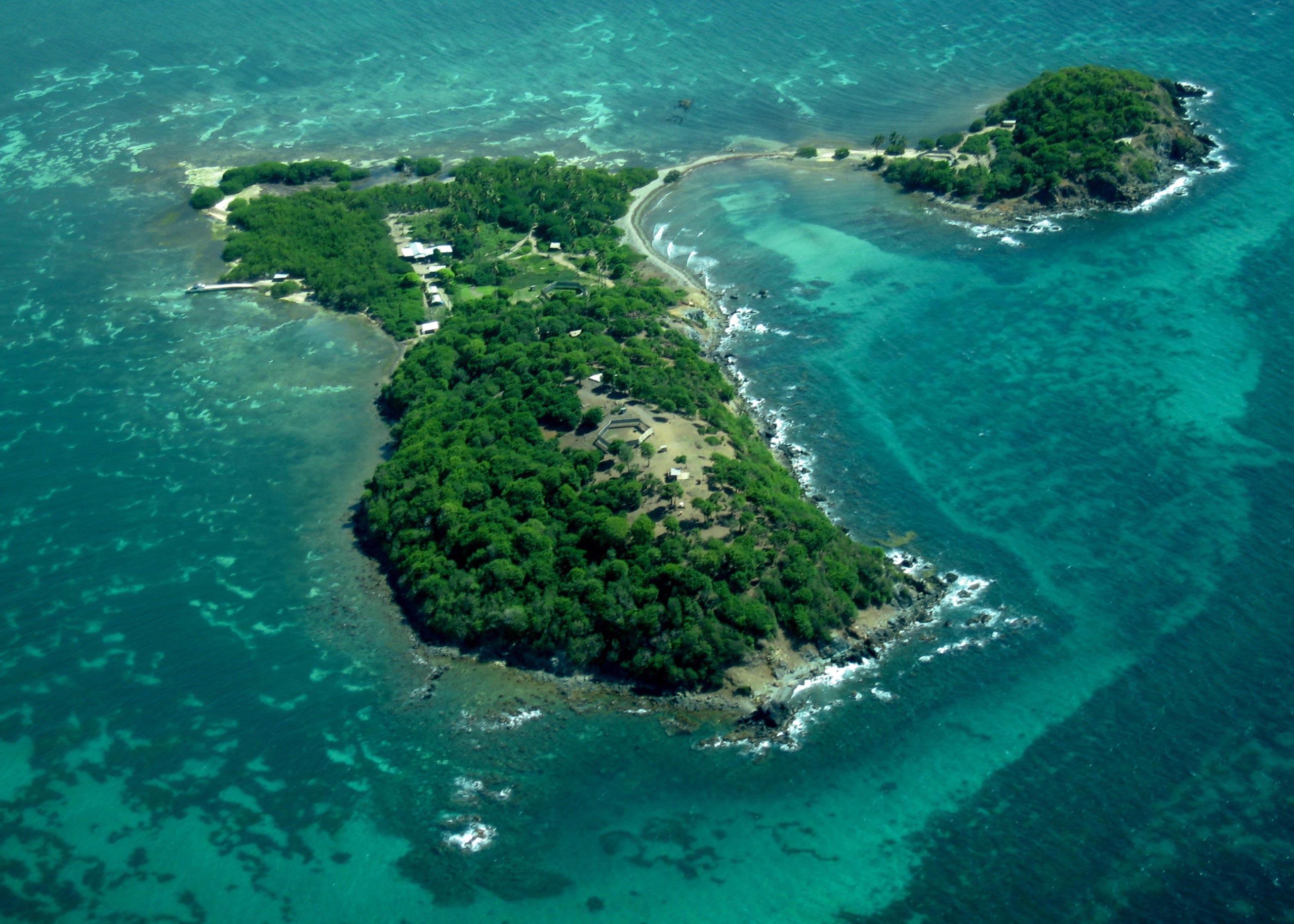
    Cayo Santiago Aerial
    Aerial picture of Cayo Santiago before Hurricane Maria. Credit: Dr. Joyce Cohen

    “In response to the drastic changes caused by the hurricane, macaques persistently increased tolerance and decreased aggression towards each other,” said Dr. Camille Testard, from the University of Pennsylvania.

    “This enabled more macaques to access scarce shade, which is critical for survival.”
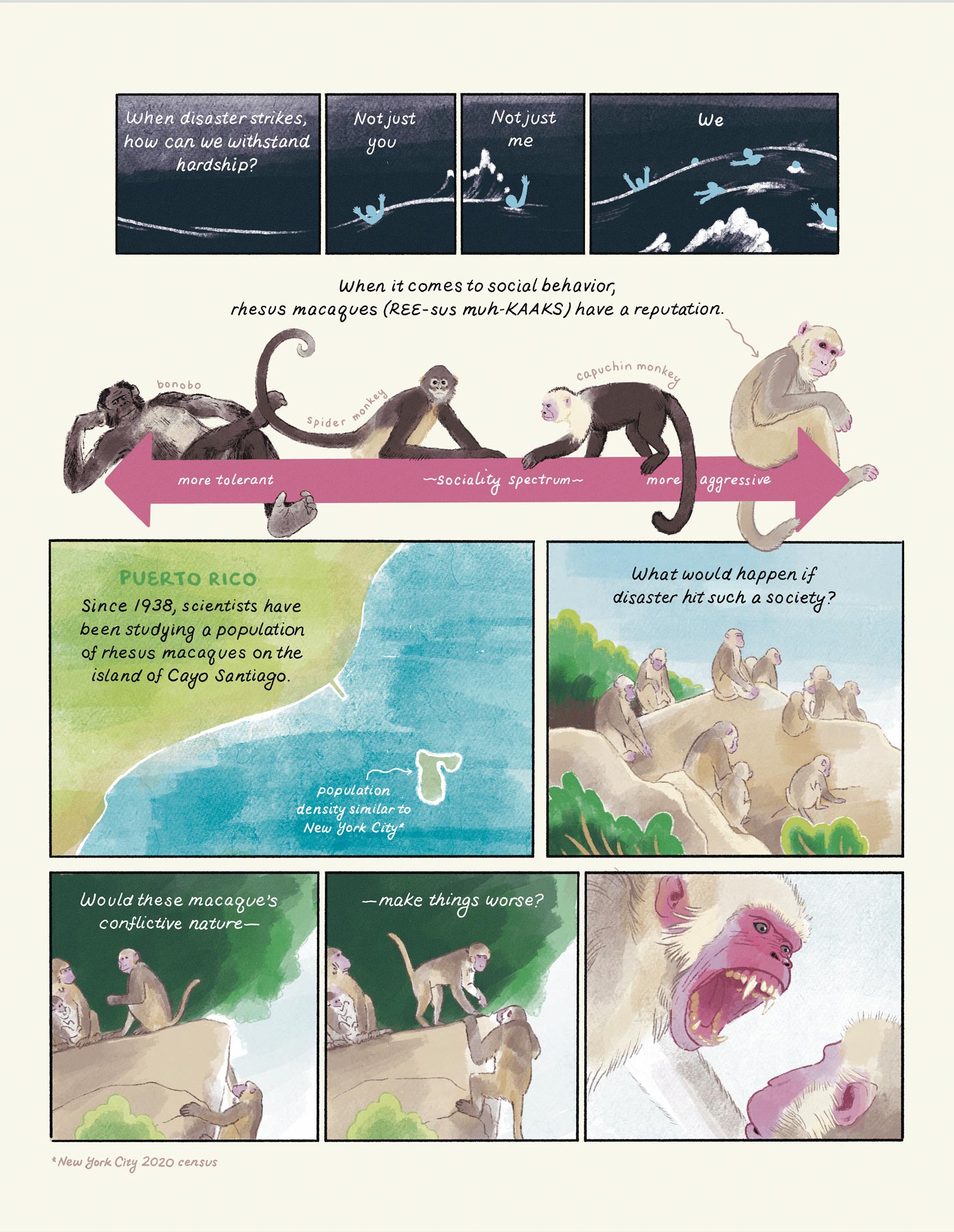
    Ecological Disturbance Alters the Adaptive Benefits of Social Ties 1

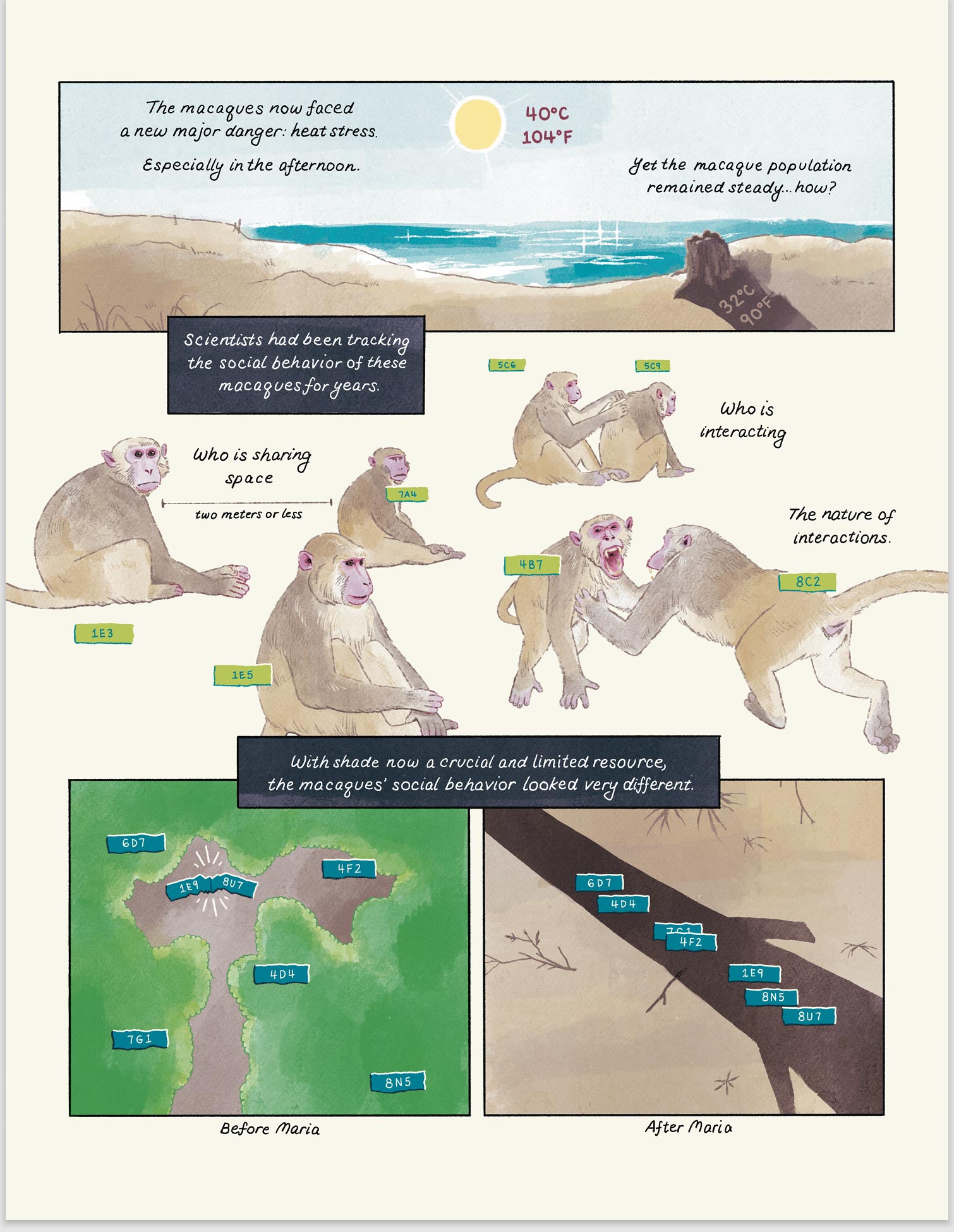
    Ecological Disturbance Alters the Adaptive Benefits of Social Ties 2

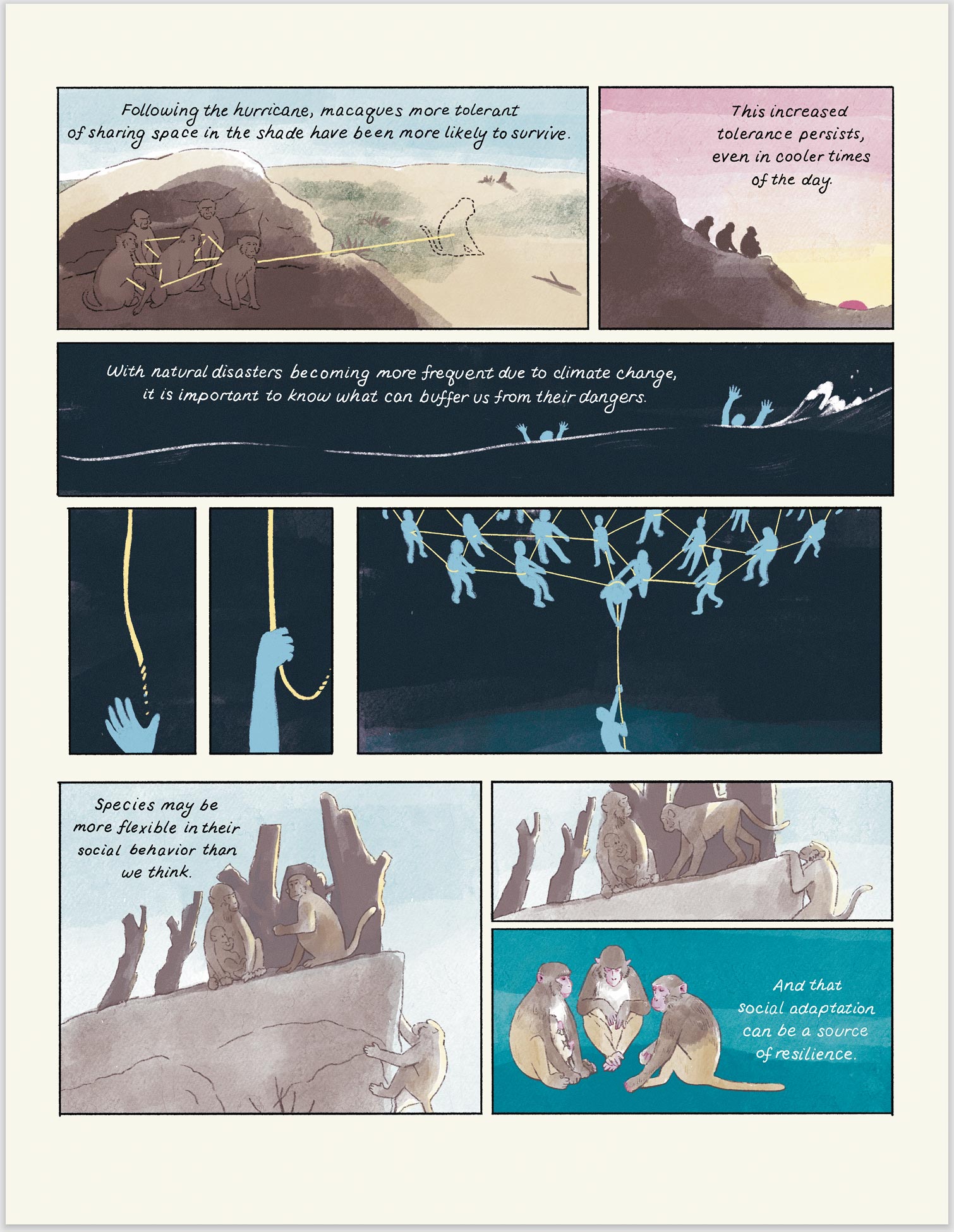
    Ecological Disturbance Alters the Adaptive Benefits of Social Ties 3

    Ecological Disturbance Alters the Adaptive Benefits of Social Ties 4
    Graphic illustration of article “Ecological disturbance alters the adaptive benefits of social ties,” published in Science on June 20. Credit: Comic artist Caroline Hu in collaboration with Camille Testard for scripting.

    Survival Benefits of Social Tolerance

    Dr. Testard added: “We examined 10 years of data on the strength and number of macaques’ social ties, before and after the hurricane.

    “Before the hurricane, tolerating others had no impact on risk of death.

    “Afterwards, macaques that displayed more than average social tolerance – and were therefore better able to share shade – were 42% less likely to die than those that were less tolerant.”

    This represents a sudden change in “selection pressure” – the evolutionary benefits or costs of different traits or behaviors.
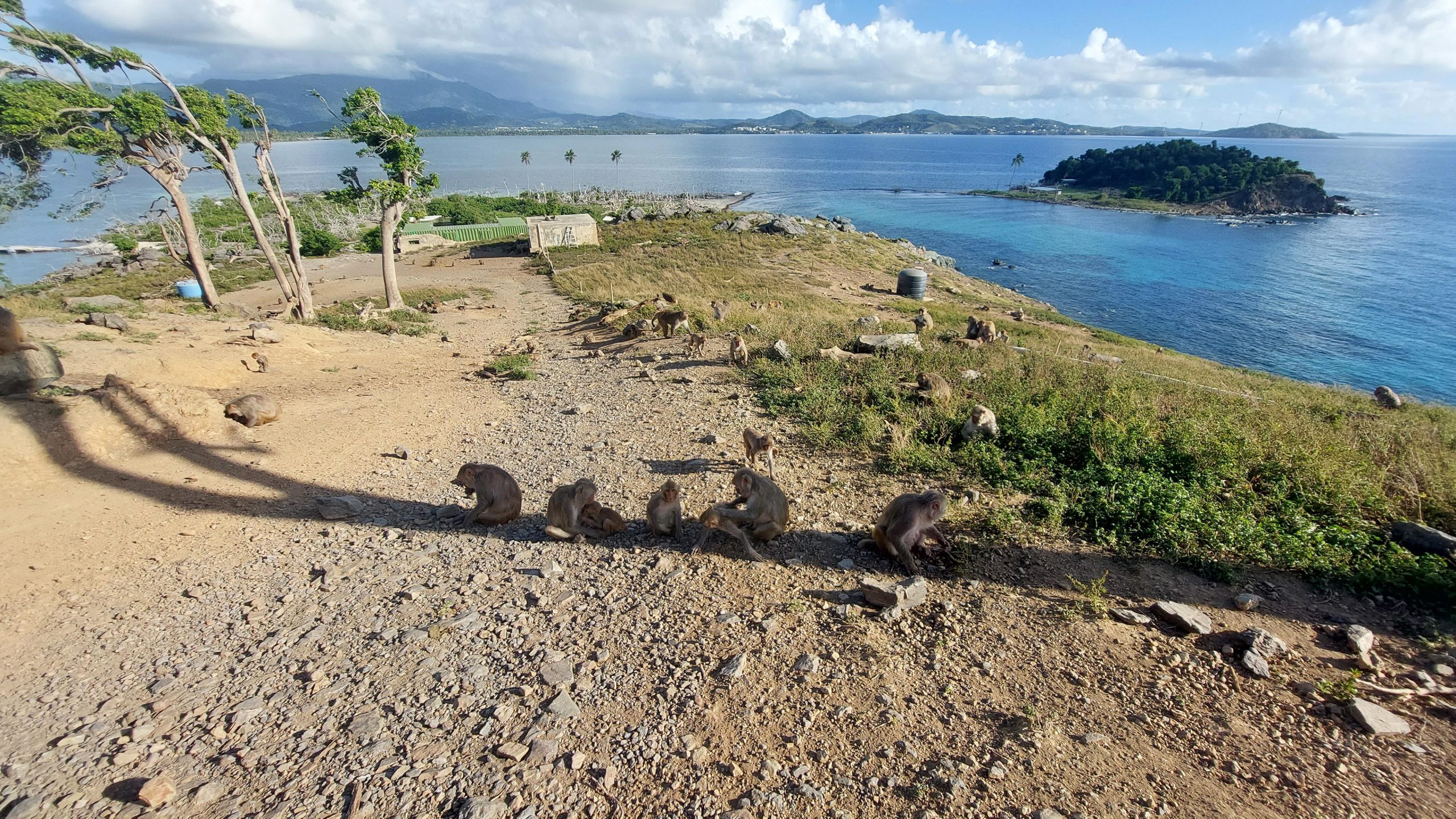
    Cayo Santiago Macaques Shade
    Macaques lining up in the shade of a dead tree. Credit: Picture taken by Dr. Lauren Brent in March 2022

    Adaptations and Resilience in Social Behavior

    Social behavior was assessed by recording aggression and how often individuals were seen sitting together.

    “Macaques aren’t the best at sharing resources – be they food or shade. They are well known to live in an aggressive, highly competitive society,” said Professor Lauren Brent, from the University of Exeter.

    “But in the heat caused by ecological changes, often around 40°C, the macaques had to share space or die.”
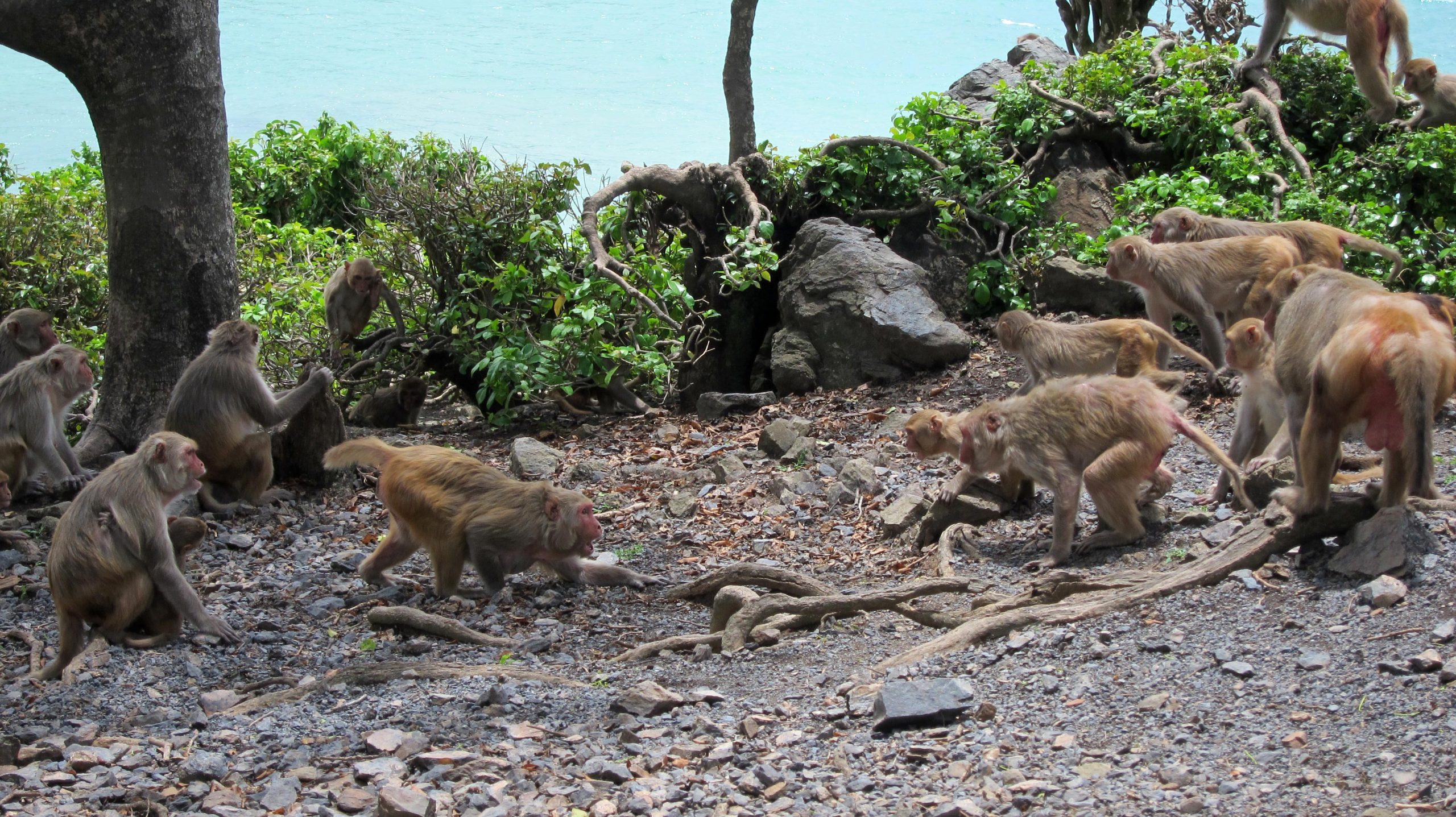
    Cayo Santiago Macaque Fight
    Social support during agonistic interactions between groups of macaques. Credit: Picture taken by Dr. Lauren Brent in July 2022

    Dr. Testard added: “To access shade, they need to tolerate – and be tolerated by – others, and we found that this tolerance spills over into other daily interactions.

    “Macaques that began sharing shade also spend time together in the mornings, before the day’s heat forces them to seek shade.

    “In effect, the hurricane changed the rules of the game in the monkeys’ society.”
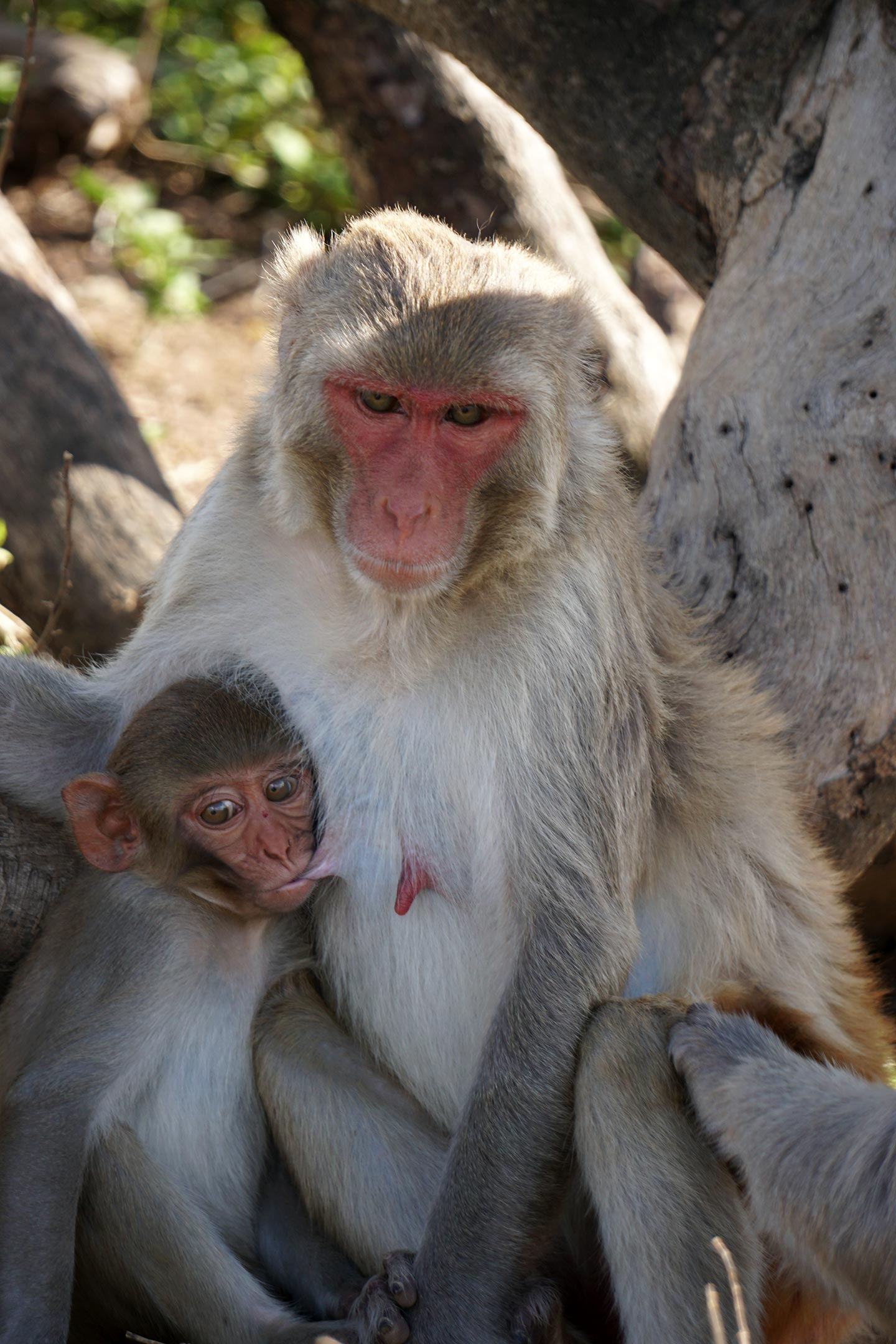
    Cayo Santiago Macaques Under Shade
    A female and her infant seeking refuge under the shade. Credit: Picture taken by Antonia Bernau, summer 2019

    Professor Brent added: “For group-living animals, social relationships may allow them to cope with disturbances in the environment, including human-induced climate change.

    “We were surprised the macaques’ social behavior was so flexible, making them resilient to this environmental change, but some species may not display this same flexibility.”

    Reference: “Ecological disturbance alters the adaptive benefits of social ties” by C. Testard, C. Shergold, A. Acevedo-Ithier, J. Hart, A. Bernau, J. E. Negron-Del Valle, D. Phillips, M. M. Watowich, J. I. Sanguinetti-Scheck, M. J. Montague, N. Snyder-Mackler, J. P. Higham, M. L. Platt and L. J. N. Brent, 20 June 2024, Science.
    DOI: 10.1126/science.adk0606

    The research team included Arizona State University and New York University.

    Funders included the National Institutes of Health, the European Research Council, the National Science Foundation, and the Royal Society.

    Never miss a breakthrough: Join the SciTechDaily newsletter.
    Follow us on Google and Google News.

    Behavioral Science Hurricane Monkey Popular University of Exeter
    Share. Facebook Twitter Pinterest LinkedIn Email Reddit

    Related Articles

    Ingenious Experiments Show Monkeys Consciously Experience the Visual World the Same Way People Do

    Hyper-Realistic Masks Can Be More Believable Than Real Human Faces

    “Fascinating and Scary” – Is Something Literally in the Air Causing Violent Crime?

    “Very Stable Genius” – Science Says Trump Tweets Were Systematic Plan of Attack in Presidential Campaign

    Archaeologists Discover One of the Earliest Examples of a ‘Crayon’

    Unlike People, Capuchin Monkeys Aren’t Fooled by Expensive Brands

    Controversial Psychiatry Change Could See Bereavement as a Disease

    Captive Beluga Whale Was Able to Mimic Speech

    Fossils Reveal Headbutts May Have Been Used as a Dinosaur Courtship Behavior

    Leave A Reply Cancel Reply

    • Facebook
    • Twitter
    • Pinterest
    • YouTube

    Don't Miss a Discovery

    Subscribe for the Latest in Science & Tech!

    Trending News

    Don’t Miss: A Brilliant Venus and Glowing Harvest Moon Light Up the Sky

    New Twist on the Einstein Problem Reveals Unexpected Physics

    JWST Captures Stunning Evidence of How Supermassive Black Holes Feed

    Early Exercise May Permanently Change How Much Energy the Body Uses To Move

    New Molecule Wipes Out Aggressive Lymphoma Tumors in Mice in Just 11 Days

    The Human Family Tree May Need a Major Rewrite

    Scientists Find a Surprising Cancer-Fighting Effect in Dark Sweet Cherries

    New AI Detects Hidden Warning Signs of Solar Eruptions Hours Before They Emerge

    Follow SciTechDaily
    • Facebook
    • Twitter
    • YouTube
    • Pinterest
    • Newsletter
    • RSS
    SciTech News
    • Biology News
    • Chemistry News
    • Earth News
    • Health News
    • Physics News
    • Science News
    • Space News
    • Technology News
    Recent Posts
    • Africa’s Giant Herbivores Were Disappearing Millions of Years Before Humans Could Hunt Them
    • This Utah Mountain Is Hiding Enough Ice To Fill 600 Olympic Pools
    • Vagus Nerve Stimulation Could Unlock the Brain’s Hidden Learning Potential
    • Your Mother’s Age May Leave a Biological Mark That Lasts for Generations
    • Women Who Ate More Antioxidants Had Strikingly Lower Rates of Cervical Cancer
    Copyright © 1998 - 2026 SciTechDaily. All Rights Reserved.
    • Science News
    • About
    • Contact
    • Editorial Board
    • Privacy Policy
    • Terms of Use

    Type above and press Enter to search. Press Esc to cancel.