
Close Menu
    Facebook X (Twitter) Instagram
    SciTechDaily
    • Biology
    • Chemistry
    • Earth
    • Health
    • Physics
    • Science
    • Space
    • Technology
    Facebook X (Twitter) Pinterest YouTube RSS
    SciTechDaily
    Home»Health»Common Cold May Help Protect You From COVID-19 – Here’s How
    Health

    Common Cold May Help Protect You From COVID-19 – Here’s How

    By University of Rochester Medical CenterSeptember 29, 2020No Comments3 Mins Read
    Facebook Twitter Pinterest Telegram LinkedIn WhatsApp Email Reddit
    Share
    Facebook Twitter LinkedIn Pinterest Telegram Email Reddit
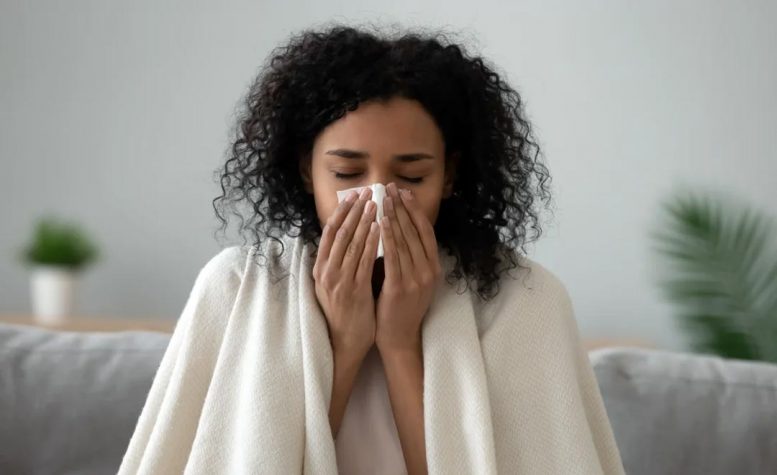
    Woman Common Cold
    Recent research indicates that previous colds you’ve experienced might offer a degree of protection against COVID-19.

    Seasonal colds are by all accounts no fun, but new research suggests the colds you’ve had in the past may provide some protection from COVID-19. The study, authored by infectious disease experts at the University of Rochester Medical Center (URMC), also suggests that immunity to COVID-19 is likely to last a long time — maybe even a lifetime.

    The study, published in the journal mBio, is the first to show that the COVID-19-causing virus, SARS-CoV-2, induces memory B cells, long-lived immune cells that detect pathogens, create antibodies to destroy them and remember them for the future. The next time that pathogen tries to enter the body, those memory B cells can hop into action even faster to clear the infection before it starts.

    Because memory B cells can survive for decades, they could protect COVID-19 survivors from subsequent infections for a long time, but further research will have to bear that out.

    The study is also the first to report cross-reactivity of memory B cells — meaning B cells that once attacked cold-causing coronaviruses appeared to also recognize SARS-CoV-2. Study authors believe this could mean that anyone who has been infected by a common coronavirus — which is nearly everyone — may have some degree of pre-existing immunity to COVID-19.

    “When we looked at blood samples from people who were recovering from COVID-19, it looked like many of them had a pre-existing pool of memory B cells that could recognize SARS-CoV-2 and rapidly produce antibodies that could attack it,” said lead study author Mark Sangster, Ph.D., research professor of Microbiology and Immunology at URMC.

    Sangster’s findings are based on a comparison of blood samples from 26 people who were recovering from mild to moderate COVID-19 and 21 healthy donors whose samples were collected six to 10 years ago — long before they could have been exposed to COVID-19. From those samples, study authors measured levels of memory B cells and antibodies that target specific parts of the Spike protein, which exists in all coronaviruses and is crucial for helping the viruses infect cells.

    The Spike protein looks and acts a little different in each coronavirus, but one of its components, the S2 subunit, stays pretty much the same across all of the viruses. Memory B cells can’t tell the difference between the Spike S2 subunits of the different coronaviruses, and attack indiscriminately. At least, the study found that was true for betacoronaviruses, a subclass that includes two cold-causing viruses as well as SARS, MERS and SARS-CoV-2.

    What this study doesn’t show is the level of protection provided by cross-reactive memory B cells and how it impacts patient outcomes.

    “That’s next,” said David Topham, Ph.D., the Marie Curran Wilson and Joseph Chamberlain Wilson Professor of Microbiology and Immunology at URMC, who runs the lab that conducted this work. “Now we need to see if having this pool of pre-existing memory B cells correlates with milder symptoms and shorter disease course — or if it helps boost the effectiveness of COVID-19 vaccines.”

    Reference: “S Protein-Reactive IgG and Memory B Cell Production after Human SARS-CoV-2 Infection Includes Broad Reactivity to the S2 Subunit” by Phuong Nguyen-Contant, A. Karim Embong, Preshetha Kanagaiah, Francisco A. Chaves, Hongmei Yang, Angela R. Branche, David J. Topham and Mark Y. Sangster, 25 September 2020, mBio.
    DOI: 10.1128/mBio.01991-20

    Never miss a breakthrough: Join the SciTechDaily newsletter.
    Follow us on Google and Google News.

    COVID-19 Immunology Infectious Diseases University of Rochester Medical Center Virology
    Share. Facebook Twitter Pinterest LinkedIn Email Reddit

    Related Articles

    Yale to Lead Trial of Drug for Treating COVID-19 – Found Most Effective in Combatting SARS-CoV-2 Out of 13,000 Existing Drugs

    Seaweed Extract Outperforms Remdesivir in Blocking COVID-19 Virus in Cell Studies

    Scientists Uncover Evidence That a Level of Pre-Existing COVID-19 / SARS-CoV-2 Immunity Is Present in the General Population

    CBD May Help Reduce the Cytokine Storm and Avert Lung Destruction in COVID-19

    Common Molecular Feature of Antibodies That Neutralize SARS-CoV-2 Discovered, Boosting COVID-19 Vaccine Prospects

    Evolution of Pandemic Coronavirus Outlines Path From Animals to Humans – Highlights Future Danger

    FDA Approved Drug May Help Calm Cytokine Storm in COVID-19

    Immunity to Coronaviruses: Here’s What We Know So Far

    Study Shows Treatment With Interferon-α2b Speeds Up Recovery of COVID-19 Patients

    Leave A Reply Cancel Reply

    • Facebook
    • Twitter
    • Pinterest
    • YouTube

    Don't Miss a Discovery

    Subscribe for the Latest in Science & Tech!

    Trending News

    Scientists Uncover Potential Brain Risks of Popular Fish Oil Supplements

    Scientists Discover a Surprising Way To Make Bread Healthier and More Nutritious

    After 60 Years, Scientists Uncover Unexpected Brain Effects of Popular Diabetes Drug Metformin

    New Research Uncovers Hidden Side Effects of Popular Weight-Loss Drugs

    Scientists Rethink Extreme Warming After Surprising Ocean Discovery

    Landmark Study Links Never Marrying to Significantly Higher Cancer Risk

    Researchers Discover Unknown Beetle Species Just Steps From Their Lab

    Largest-Ever Study Finds Medicinal Cannabis Ineffective for Anxiety, Depression, PTSD

    Follow SciTechDaily
    • Facebook
    • Twitter
    • YouTube
    • Pinterest
    • Newsletter
    • RSS
    SciTech News
    • Biology News
    • Chemistry News
    • Earth News
    • Health News
    • Physics News
    • Science News
    • Space News
    • Technology News
    Recent Posts
    • Researchers Uncover Source of Strange Deformation in Earth’s Largest Continental Rift
    • Scientists Solve Mystery of Where the Colorado River Vanished Millions of Years Ago
    • Not Just Alzheimer’s: Scientists Uncover Clues to a Second, Overlooked Disorder
    • Scientists Uncover Dangerous Connection Between Serotonin and Heart Valve Disease
    • Scientists Discover a “Protector” Protein That Could Help Reverse Hair Loss
    Copyright © 1998 - 2026 SciTechDaily. All Rights Reserved.
    • Science News
    • About
    • Contact
    • Editorial Board
    • Privacy Policy
    • Terms of Use

    Type above and press Enter to search. Press Esc to cancel.