

Stronger winds during the last ice age intensified the Gulf Stream, hinting at future risks of a cooler Europe and rising sea levels due to climate-induced wind changes.
Researchers at UCL have found that the Gulf Stream was stronger during the last ice age, about 20,000 years ago, due to stronger winds across the subtropical North Atlantic. Their study, recently published in Nature, indicates that a future reduction in these winds due to climate change could weaken the Gulf Stream. Such a change would decrease the flow of tropical heat to Europe, potentially cooling the continent and raising sea levels in North America.
Historical Insights on Gulf Stream Dynamics
The Gulf Stream is a surface current that flows up the east coast of the US and then crosses the Atlantic to Europe, carrying warm tropical water with it. This water releases heat into the atmosphere, warming Europe.
The researchers found that during the last ice age, when ice sheets covered much of the northern hemisphere, stronger winds in the region resulted in a stronger and deeper Gulf Stream. However, despite the stronger Gulf Stream, overall, the planet was still much colder than today.
The Role of Winds in Gulf Stream Dynamics
“We found that during the last ice age, the Gulf Stream was much stronger because of stronger winds across the subtropical North Atlantic. As a result, the Gulf Stream was still moving lots of heat northwards, despite the rest of the planet being far colder. Our work also highlights the Gulf Stream’s potential sensitivity to future changes in wind patterns. For example, if in the future winds are weaker, as shown in a recent study using climate models, it could mean a weaker Gulf Stream and a cooler Europe,” said Lead author Dr Jack Wharton (UCL Geography).
The Gulf Stream is also part of the vast Atlantic Meridional Overturning Circulation (AMOC), which is driven by both deep water formation in the subpolar North Atlantic, where cooling causes surface waters to become dense and sink, as well as winds. Scientists have previously raised concerns about how climate change could weaken the AMOC as melting glacial water pouring off Greenland could disrupt deepwater formation, preventing warm tropical water from reaching Europe and thus cooling the continent.
Potential Consequences of AMOC Disruption
Together, the combined effect of weakening winds and reduced deep water formation could significantly weaken the Gulf Stream. If the AMOC were to collapse – considered an unlikely but possible future scenario – European temperatures would cool by 10 to 15 degrees Celsius, wreaking havoc on continental agriculture and weather patterns, and the decrease in the wind-driven part of the Gulf Stream would further exacerbate this.
Co-author Professor Mark Maslin (UCL Geography) said: “It’s not always recognised how much ocean currents are responsible for transferring heat around the planet and shaping our climate. Paradoxically, the warming of the climate could cool down much of Europe by disrupting the AMOC. Our new research adds to this understanding, and shows that the weakening of the winds which drive the Gulf Stream could reduce the circulation of heat, further affecting the continent.”
AMOC’s Complexity and Climate Interactions
Though the AMOC and its constituent currents, including the Gulf Stream, are sometimes referred to as a giant conveyor belt, this study highlights the system’s complexity, with each part of the current capable of having its own unique response to climate change.
Co-author Professor David Thornalley (UCL Geography) said: “Rather than the established conveyor belt metaphor, perhaps it is better to think of the AMOC as a series of interconnected loops. There is the subtropical loop—that the Gulf Stream is part of—and a subpolar loop, which carries heat further northwards into the Arctic. During the last ice age, our findings show that the subtropical loop was stronger than it is today, whereas the subpolar loop is thought to have been weaker. Therefore, when investigating anthropogenic climate change and the AMOC, we need to consider how these different parts may change and what climate impacts each is associated with.”
Research Methods and Findings
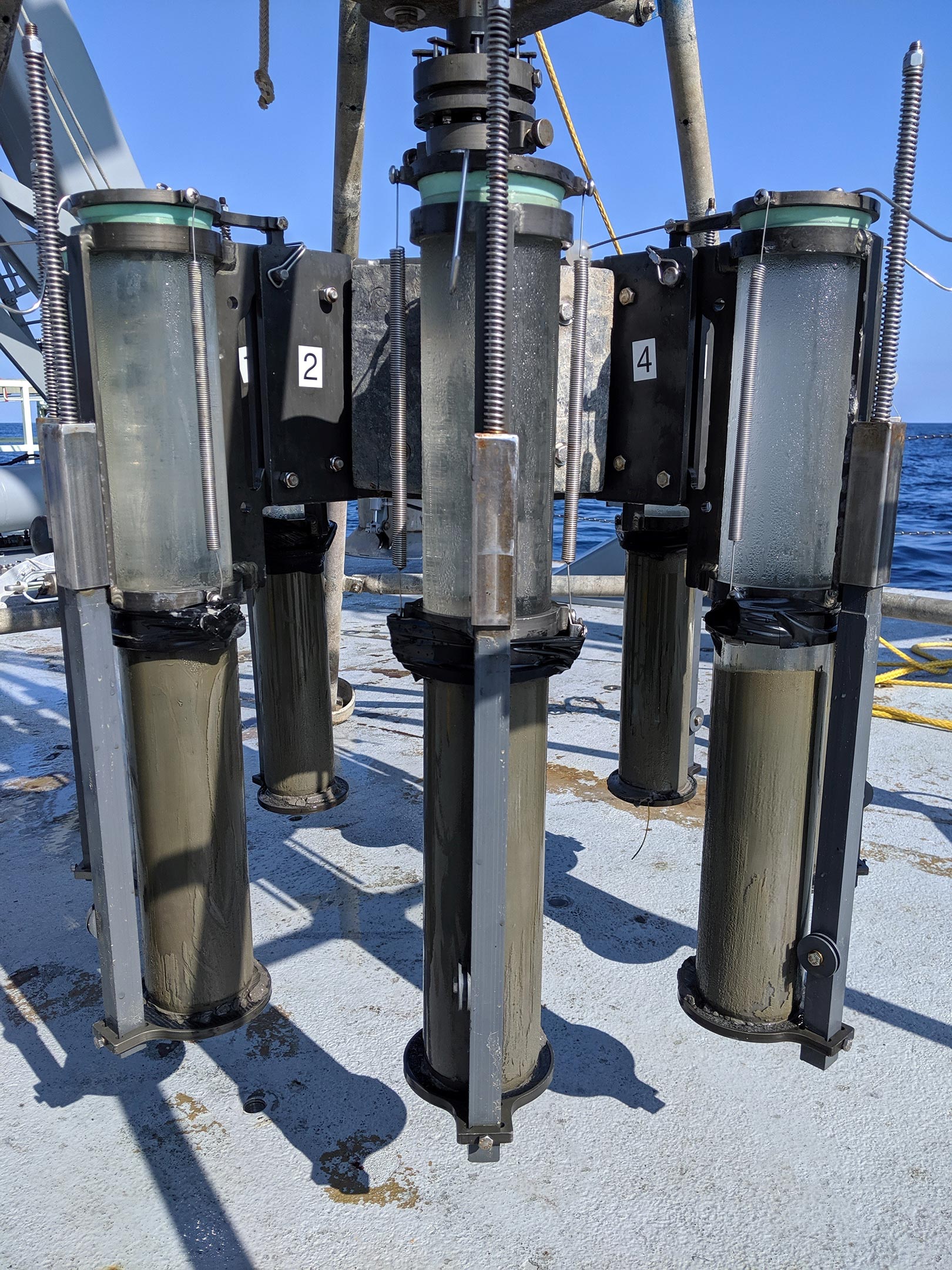
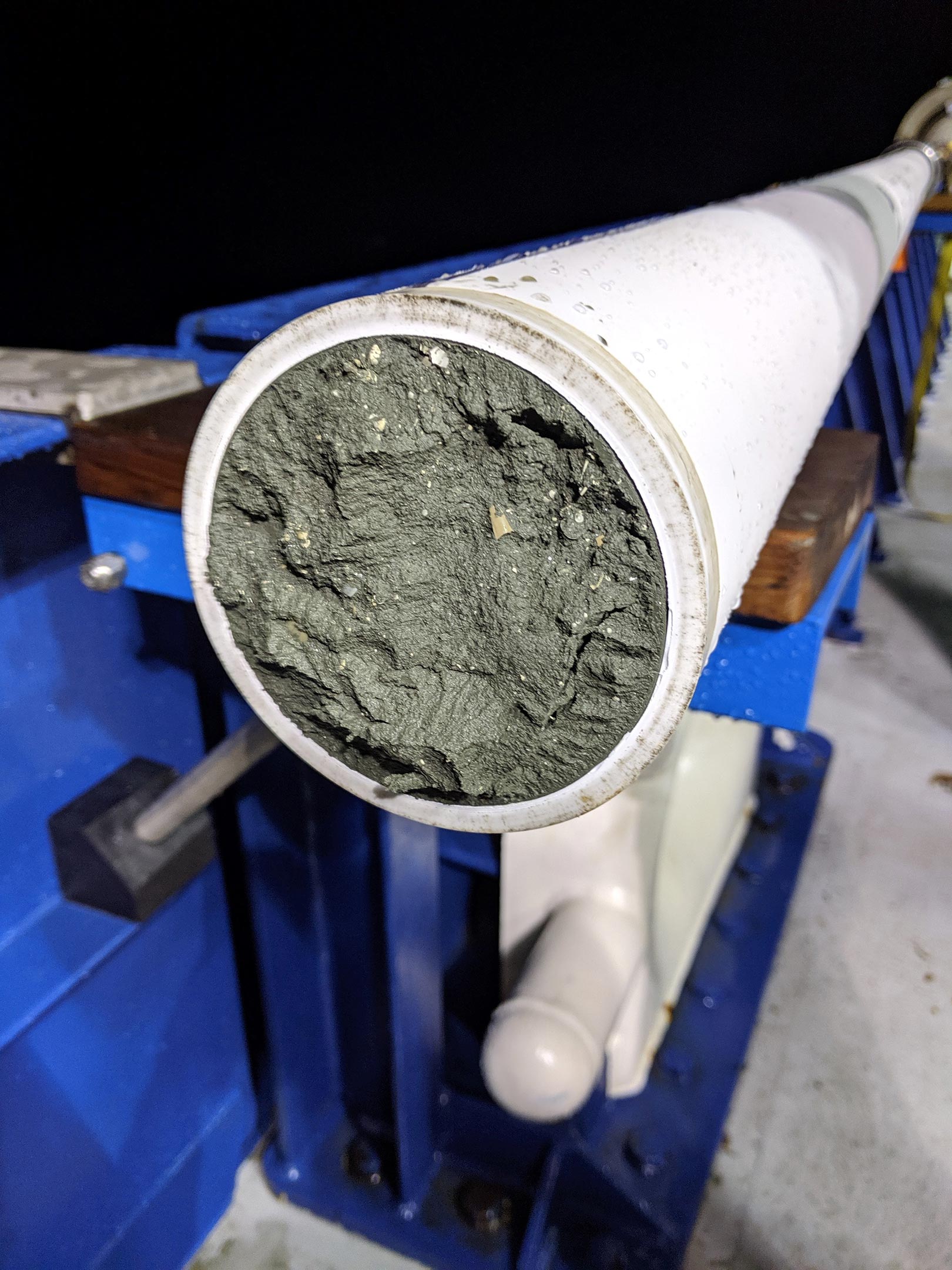
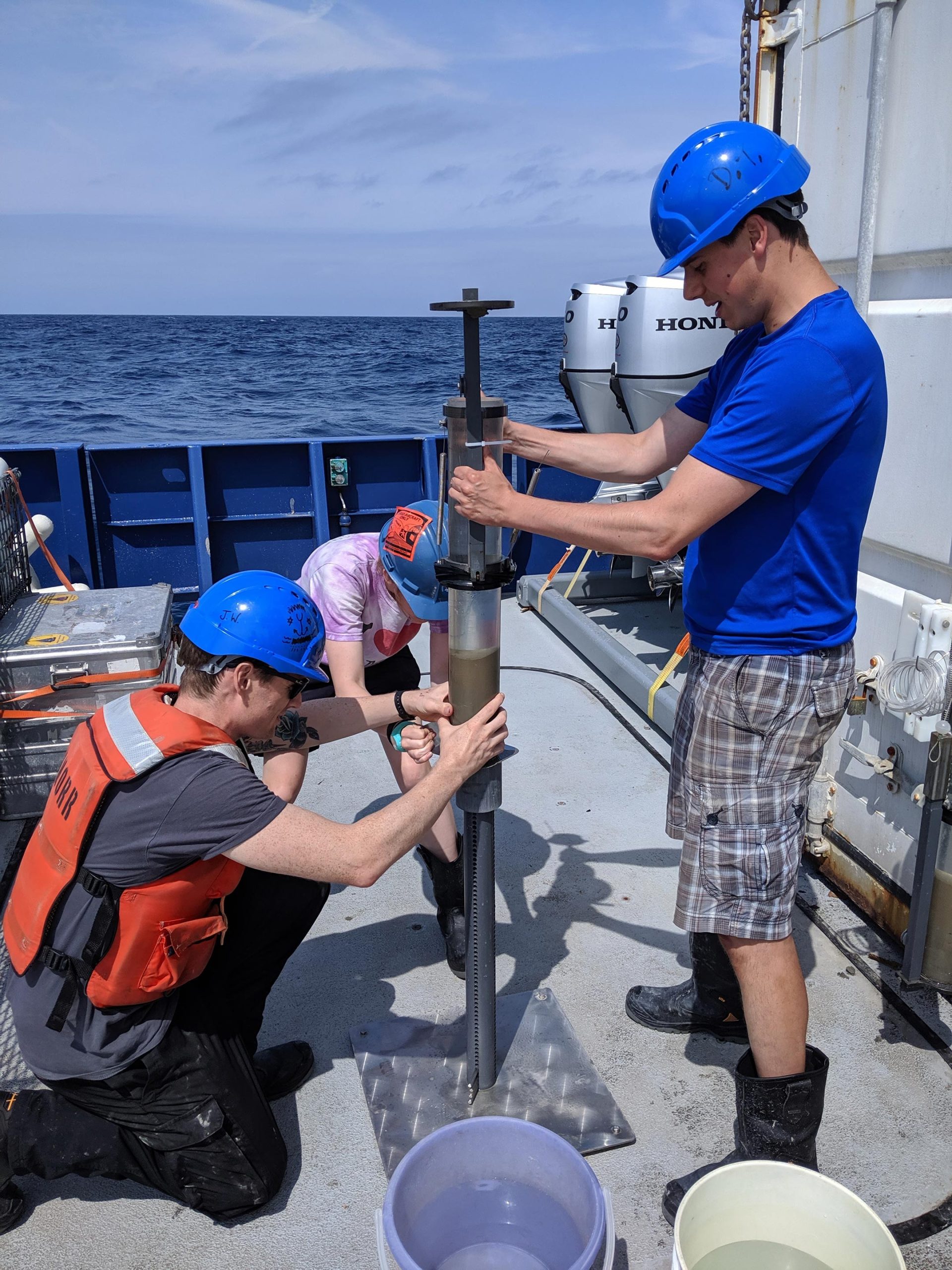
To gauge the strength of the prehistoric Gulf Stream, the researchers analyzed the fossil remains of foraminifera—microorganisms that live at the bottom of the ocean—taken from sediment cores recovered off the coast of North Carolina and Florida, in collaboration with researchers based at Woods Hole Oceanographic Institute in Massachusetts.
The researchers found that foraminifera taken from layers dating to the last ice age in sediment cores from different locations beneath the Gulf Stream had isotopic signatures (the ratio of oxygen-18 to oxygen-16, which is controlled by a combination of temperature and salinity) that indicated a Gulf Stream that was twice as deep and flowing twice as fast compared to today.
Reference: “Deeper and stronger North Atlantic Gyre during the Last Glacial Maximum” by Jack H. Wharton, Martin Renoult, Geoffrey Gebbie, Lloyd D. Keigwin, Thomas M. Marchitto, Mark A. Maslin, Delia W. Oppo and David J. R. Thornalley, 10 July 2024, Nature.
DOI: 10.1038/s41586-024-07655-y
Funding: This research was supported by NERC, the Leverhulme Trust, the National Science Foundation, and the European Union’s Horizon Europe and Horizon 2020 Research and Innovation Programmes.
Never miss a breakthrough: Join the SciTechDaily newsletter.
Follow us on Google and Google News.