
Close Menu
    Facebook X (Twitter) Instagram
    SciTechDaily
    • Biology
    • Chemistry
    • Earth
    • Health
    • Physics
    • Science
    • Space
    • Technology
    Facebook X (Twitter) Pinterest YouTube RSS
    SciTechDaily
    Home»Chemistry»COVID-19: Ozone Proved to Be Highly Efficient in Effective in Disinfecting Coronavirus
    Chemistry

    COVID-19: Ozone Proved to Be Highly Efficient in Effective in Disinfecting Coronavirus

    By Tel-Aviv UniversityFebruary 28, 20212 Comments3 Mins Read
    Facebook Twitter Pinterest Telegram LinkedIn WhatsApp Email Reddit
    Share
    Facebook Twitter LinkedIn Pinterest Telegram Email Reddit
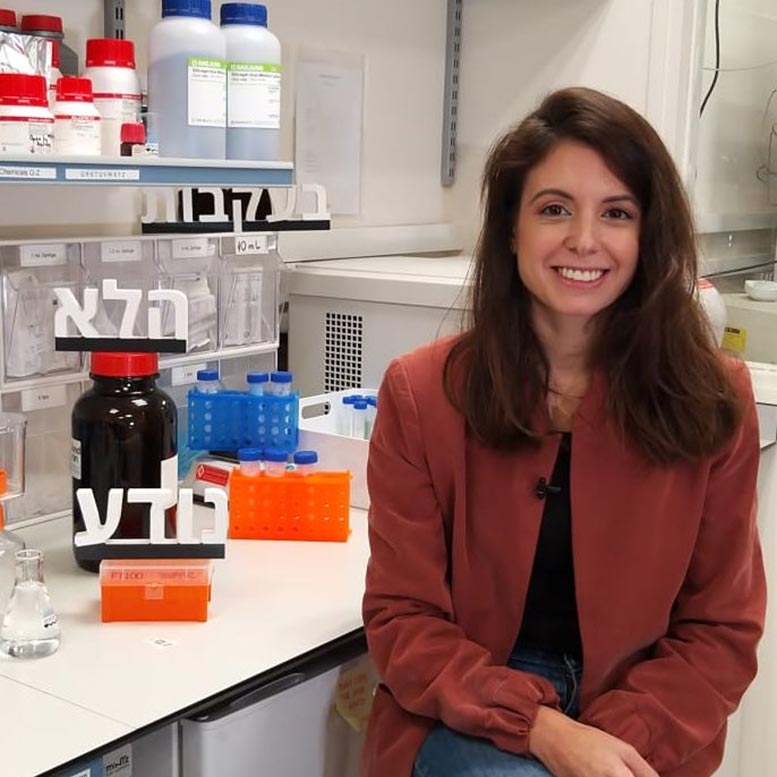
    Ines Zucker
    Dr. Ines Zucker. Credit: Tel Aviv University

    Ozone gas disinfects over 90% of SARS-CoV-2 from surfaces in minutes, proving a powerful, scalable, and safer alternative to bleach or alcohol.

    Studies have shown that SARS-CoV-2 remains active on aerosols and surfaces for between several hours and several days, depending on the nature of the surface and environmental conditions. Presently, researchers from Tel Aviv University have demonstrated that ozone, which has already long been used as an antibacterial and antiviral agent in water treatment, effectively sanitizes surfaces against Coronavirus after short exposure to low concentrations of ozone.

    The research team was led by Dr. Ines Zucker from the School of Mechanical Engineering at the Ivy and Eldar Fleischman Faculty of Engineering and the Porter School of the Environment and Earth Sciences at the Tel Aviv University. Dr. Zucker collaborated with Dr. Moshe Dessau from the Azrieli Faculty of Medicine at Bar Ilan University in the Galilee and Dr. Yaal Lester from the Azrieli College in Jerusalem in order to investigate the feasibility of ozone for indoor inactivation of SARSCoV-2.

    The preliminary findings of the study were published in the Journal: Environmental Chemistry Letters.

    Virus Ozone Exposure
    Placing drops of virus suspension on sterile surfaces prior to ozone exposure. Credit: Tel Aviv University

    Most people recognize ozone as a thin layer of the Earth’s atmosphere that guards us against the harmful effects of UV radiation. However, ozone is also known as a strong oxidant and disinfectant employed in water and wastewater treatment schemes. Within the study framework, the research team decided to adapt the mechanisms whereby they use ozone to break down organic pollutants from contaminated waters and demonstrate the expected efficacy of the ozone in neutralizing Coronavirus.

    Rapid Surface Disinfection with Ozone Gas

    Ozone gas is generated by electrical discharge (the breakdown of chemical compounds into their elements using electric current), in the course of which oxygen molecules are reconstructed in the form of ozone molecules. In the course of their study, the researchers demonstrated the inactivation from various infected surfaces, even in hard-to-reach locations. They demonstrated a high level of disinfection within minutes, even on surfaces not typically disinfected with manually-applied liquid disinfectants with a statistical success rate of above 90%. According to Dr. Ines Zucker, the method involves inexpensive and readily available technology, which can be utilized to disinfect hospitals, schools, hotels, and even aircraft and entertainment halls.

    “Gaseous ozone is generated from oxygen gas by electrical discharge. Now, for the first time, we have managed to prove that it is highly efficient in combating Coronavirus as well,” stresses Dr. Zucker. “Its advantage over common disinfectants (such as alcohol and bleach) is its ability to disinfect objects and aerosols within a room, and not just exposed surfaces, rapidly and with no danger to public health.” Dr. Zucker estimates that, since the gas can be produced relatively cheaply and easily, it should be possible to introduce ozone disinfecting systems on an industrial scale to combat the COVID-19 outbreak.

    Reference: “Pseudoviruses for the assessment of coronavirus disinfection by ozone” by Ines Zucker, Yaal Lester, Joel Alter, Michal Werbner, Yinon Yecheskel, Meital Gal-Tanamy and Moshe Dessau, 13 January 2021, Environmental Chemistry Letters.
    DOI: 10.1007/s10311-020-01160-0

    Never miss a breakthrough: Join the SciTechDaily newsletter.
    Follow us on Google and Google News.

    Atmospheric Science COVID-19 Infectious Diseases Ozone Tel-Aviv University Virology
    Share. Facebook Twitter Pinterest LinkedIn Email Reddit

    Related Articles

    Detecting Neutralizing Antibodies for COVID-19: A Novel Technique Uncovered by MIT Chemists

    MIT’s New Carbon Nanotube-Based Sensor Can Detect COVID-19 or Other Emerging Pathogens

    Viruses From Plants/Bacteria Key Ingredient for New COVID-19 Vaccine Candidates

    Tricking COVID-19 With a Fake “Handshake” to Inactivate the Coronavirus

    Disinfected by the Sun: New Cotton Face Mask Kills Up to 99.9999% of Bacteria and Viruses in Daylight

    Infection Researchers Identify How Coronaviruses From Animals Need to Change to Spread to Humans

    Progress on AAVCOVID, A Gene-Based Experimental COVID-19 Vaccine

    Diagnostic Biosensor Detects SARS-CoV-2 From Nasopharyngeal Swab in Less Than a Minute

    Does Soap Actually ‘Kill’ the Coronavirus? Here’s the Chemistry [Video]

    2 Comments

    1. Eric M. Jones on March 1, 2021 1:11 pm

      And we can all just ignore that ozone is very deadly at concentrations below what you can smell.

      Reply
    2. Bob on April 13, 2021 1:59 pm

      I really wish publications would not use photos of people in labs without PPE!!

      Reply
    Leave A Reply Cancel Reply

    • Facebook
    • Twitter
    • Pinterest
    • YouTube

    Don't Miss a Discovery

    Subscribe for the Latest in Science & Tech!

    Trending News

    Breakthrough Bowel Cancer Trial Leaves Patients Cancer-Free for Nearly 3 Years

    Natural Compound Shows Powerful Potential Against Rheumatoid Arthritis

    100,000-Year-Old Neanderthal Fossils in Poland Reveal Unexpected Genetic Connections

    Simple “Gut Reset” May Prevent Weight Gain After Ozempic or Wegovy

    2.8 Days to Disaster: Scientists Warn Low Earth Orbit Could Suddenly Collapse

    Common Food Compound Shows Surprising Power Against Superbugs

    5 Simple Ways To Remember More and Forget Less

    The Atomic Gap That Could Cost the Semiconductor Industry Billions

    Follow SciTechDaily
    • Facebook
    • Twitter
    • YouTube
    • Pinterest
    • Newsletter
    • RSS
    SciTech News
    • Biology News
    • Chemistry News
    • Earth News
    • Health News
    • Physics News
    • Science News
    • Space News
    • Technology News
    Recent Posts
    • This Common Plant Could Be an Unexpected New Source of Protein
    • Birds in Cities Fear Women More Than Men and Scientists Don’t Know Why
    • Scientists Warn That This Common Pet Fish Can Wreck Entire Ecosystems
    • Scientists Just Made Carbon Capture Much Cheaper and Easier
    • Harvard Breakthrough Brings Powerful UV Light Sources Onto a Chip
    Copyright © 1998 - 2026 SciTechDaily. All Rights Reserved.
    • Science News
    • About
    • Contact
    • Editorial Board
    • Privacy Policy
    • Terms of Use

    Type above and press Enter to search. Press Esc to cancel.