
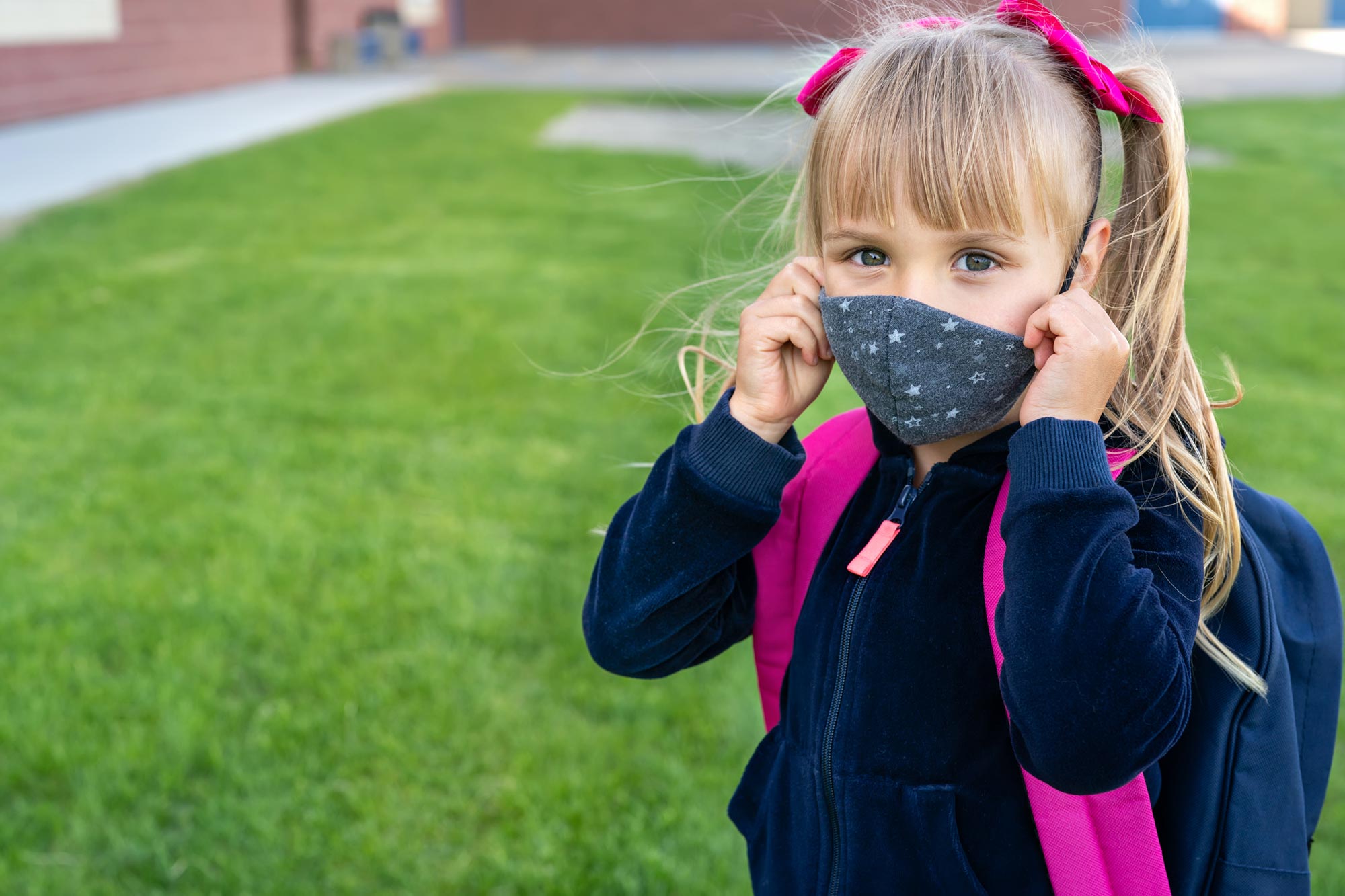
A large California-based analysis found that reopening schools sharply reduced children’s diagnoses of anxiety, depression, and ADHD.
- Children who returned to in-person school during the COVID-19 pandemic were far less likely to receive mental health diagnoses than those whose schools remained closed. The reductions covered depression, anxiety, and ADHD, with girls showing the biggest improvements.
- Mental health care spending dropped substantially after schools reopened, reaching an 11 percent decrease by the ninth month.
- This research represents one of the most extensive and detailed investigations to date on how pandemic school closures affected children’s mental health.
School Reopening Linked to Better Mental Health During COVID
Reopening schools during the COVID-19 pandemic was associated with a noticeable decline in mental health diagnoses among children. These improvements covered conditions such as anxiety, depression, and attention-deficit/hyperactivity disorder (ADHD), and were accompanied by a reduction in health care spending tied to these diagnoses, according to new research from Harvard T.H. Chan School of Public Health and collaborators. The positive effects were especially strong for girls.
The study will be published today (December 8, 2025) in Epidemiology.
“Our results provide solid evidence to parents, educators, and policymakers that in-person school plays a crucial role in kids’ wellbeing,” said senior author Rita Hamad, professor of social epidemiology and public policy. “The findings offer lessons for future public health emergencies and provide insight into why mental health worsened for children during the pandemic.”
Why Researchers Looked at In-Person Schooling
Earlier research has consistently shown a decline in youth mental health during the pandemic. A few studies hinted that returning to classrooms may have offered mental health benefits, although many of those investigations relied heavily on surveys or small groups of participants.
To examine the issue more rigorously, the research team evaluated health diagnoses and spending records for 185,735 children ages five to 18 years between March 2020 and June 2021. The data revealed whether a child received mental health care or filled a prescription linked to anxiety, depression, or ADHD. All participants lived in 24 counties and 224 school districts in California, a state where schools remained closed longer than most and reopened at different times, creating a natural environment for comparison. Information came from the Healthcare Integrated Research Database, which includes commercial insurance claims, as well as administrative school data from the California Department of Education.
What the Study Found About Mental Health and Spending
Although the share of children with a mental health diagnosis rose from 2.8% to 3.5% during the study period, children who returned to in-person school had fewer mental health diagnoses than those whose schools stayed closed. By the ninth month after reopening, the likelihood of receiving a mental health diagnosis was 43% lower compared with the period before reopening. This pattern held across depression, anxiety, and ADHD.
Spending tied to these diagnoses dropped as well. Nine months after schools reopened, non-drug medical costs related to mental health declined by 11%, psychiatric drug spending decreased by 8%, and spending on ADHD-specific medications fell by 5%. Girls experienced greater improvements than boys.
Why School Closures May Have Affected Children
The researchers suggested several possible explanations for the mental health challenges children faced during school closures. These included reduced social interaction, disrupted sleep, increased screen time, poorer diet patterns, academic difficulties, household stress linked to economic strain or increased family time at home, and reduced access to school-based mental health services.
“As we consider future public health emergencies, this study suggests we need to prioritize safe school reopenings and ensure children have access to the social and emotional resources that schools provide,” Hamad said. “Policies should focus not only on infection control, but also on the mental well-being of children, recognizing that schools are a critical part of their support system.”
Limitations and Next Steps
The study focused on children in relatively higher-income California communities who had commercial insurance coverage and, therefore, better access to care. The authors noted that further research is needed to understand how school reopening affected children in marginalized groups, where the impact could be even larger.
Reference: “Effect of School Reopenings on Children’s Mental Health during COVID-19: Quasi-Experimental Evidence from California” by Pelin Ozluk, Jeff Romine, Gosia Sylwestrzak and Rita Hamad, 20 November 2025, Epidemiology.
DOI: 10.1097/EDE.0000000000001930
The study received funding from the National Institutes of Health (grant U01MH129968).
Never miss a breakthrough: Join the SciTechDaily newsletter.
Follow us on Google and Google News.
2 Comments
This strongly suggests, at least to me, that ADHD diagnostics need to be refined. There seems to be two problems here, one likely genetic and the other environmental due to lack of proper stimulation. The same might also be said of depression, although isolation from other people is highly depressive to most people (non-autistic people.)
{^_^}
This tells us that home life for most kids is a toxic dysfunctional mess. Being in school allows an escape from this mess. It has nothing to do with classes being online vs. in person. Parents don’t want to admit this so they blame the schools for the problem.