
A Finnish-led research initiative is revolutionizing species identification with DNA technologies to efficiently describe thousands of unknown insects, aiming to enhance biodiversity preservation.
Researchers from the University of Oulu, Finland, are leading an international project to address the species identification crisis using rapidly advancing DNA technologies. The project aims to develop a new genomic method to taxonomically distinguish and describe tens of thousands of insect species, which may otherwise remain unidentified for centuries due to the slow pace of current techniques.
Research into yet-unknown species, known as ‘dark diversity,’ will start with insect species in the jungle that do not have a name but already have a DNA barcode.
Advancing Molecular Technologies and Global Collaboration
Rapid advancements in molecular technologies have made it possible to quickly sequence DNA and create a DNA-based species identifier, or DNA barcode, which facilitates species identification. However, unnamed species also require naming and description. This new research project aims to design, test, and implement a systematic and automated workflow on an unprecedented scale.
The topic has inspired researchers around the world. The “A Genomic Blueprint for the Description of Thousands of New Species” project, launched in September 2024 and funded by the Research Council of Finland, involves researchers from Finland, the USA, and Canada. New researchers are currently being recruited. The Research Council of Finland’s contribution to the University of Oulu’s research is almost half a million euros over four years.
Challenges and New Approaches in Species Identification
Species identification is important for understanding changes in nature. The 2 million species described during the last 260 years of taxonomic scrutiny represent just a fraction of the species inhabiting our planet. Current estimates of the world’s true species count vary heavily from few millions to tens of millions or even more. Utilization of traditional approaches to describing the remaining majority is becoming increasingly challenging due to multiple reasons – the high number of undescribed species, their tiny size, high morphological similarity and lack of taxonomic expertise.
“We are on the threshold of a new era. Traditional methods of species identification are too slow to address the challenges of biodiversity in the face of rapid biodiversity loss,” says Professor Marko Mutanen of the University of Oulu, who is leading the international research project.
The radical approach made possible by the technological revolution is also generating critical debate among researchers when it comes to the fundamental issues in the field: What should a species description include and how should it be done?
DNA Barcoding: A Case Study with Insects
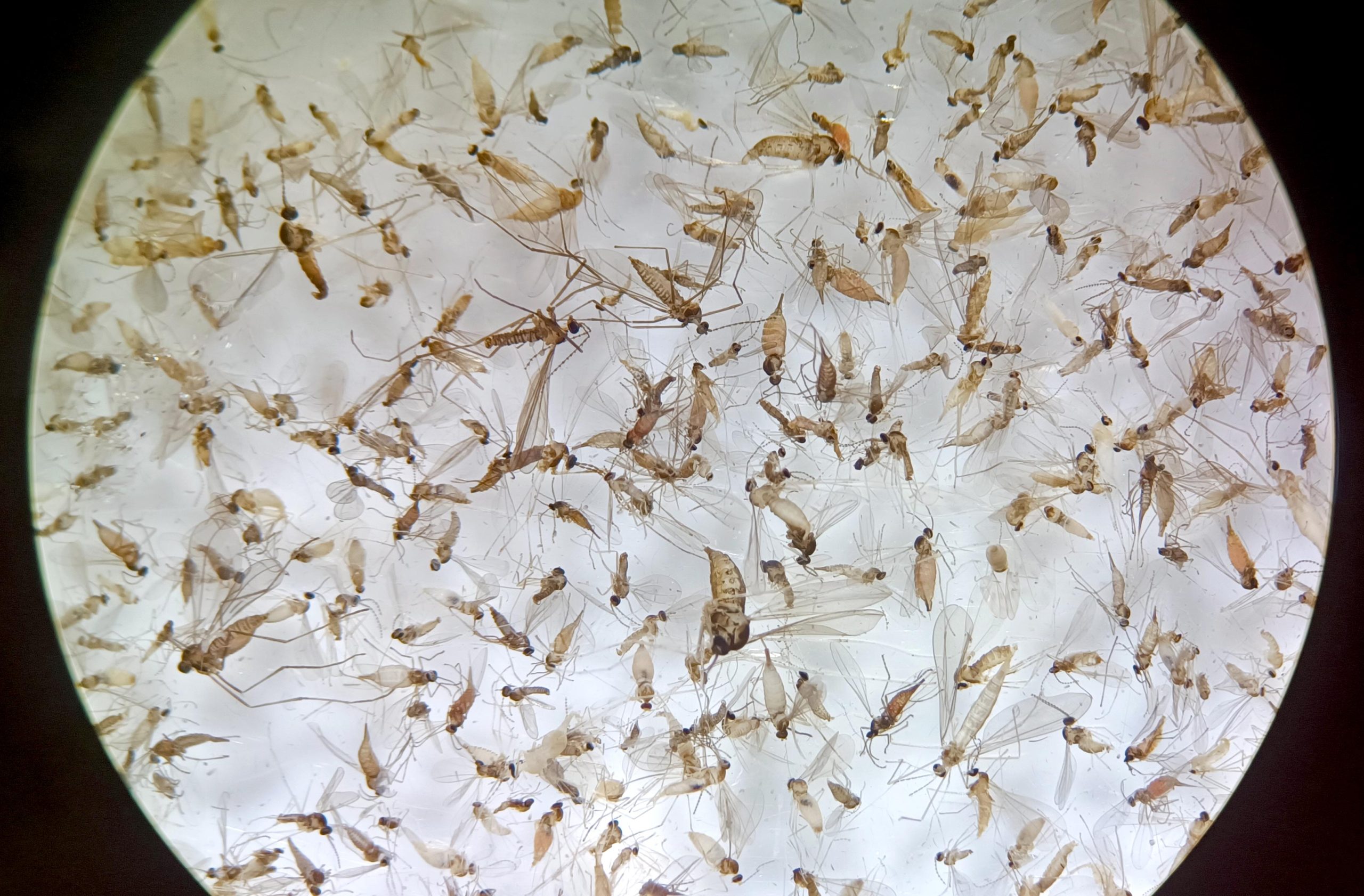
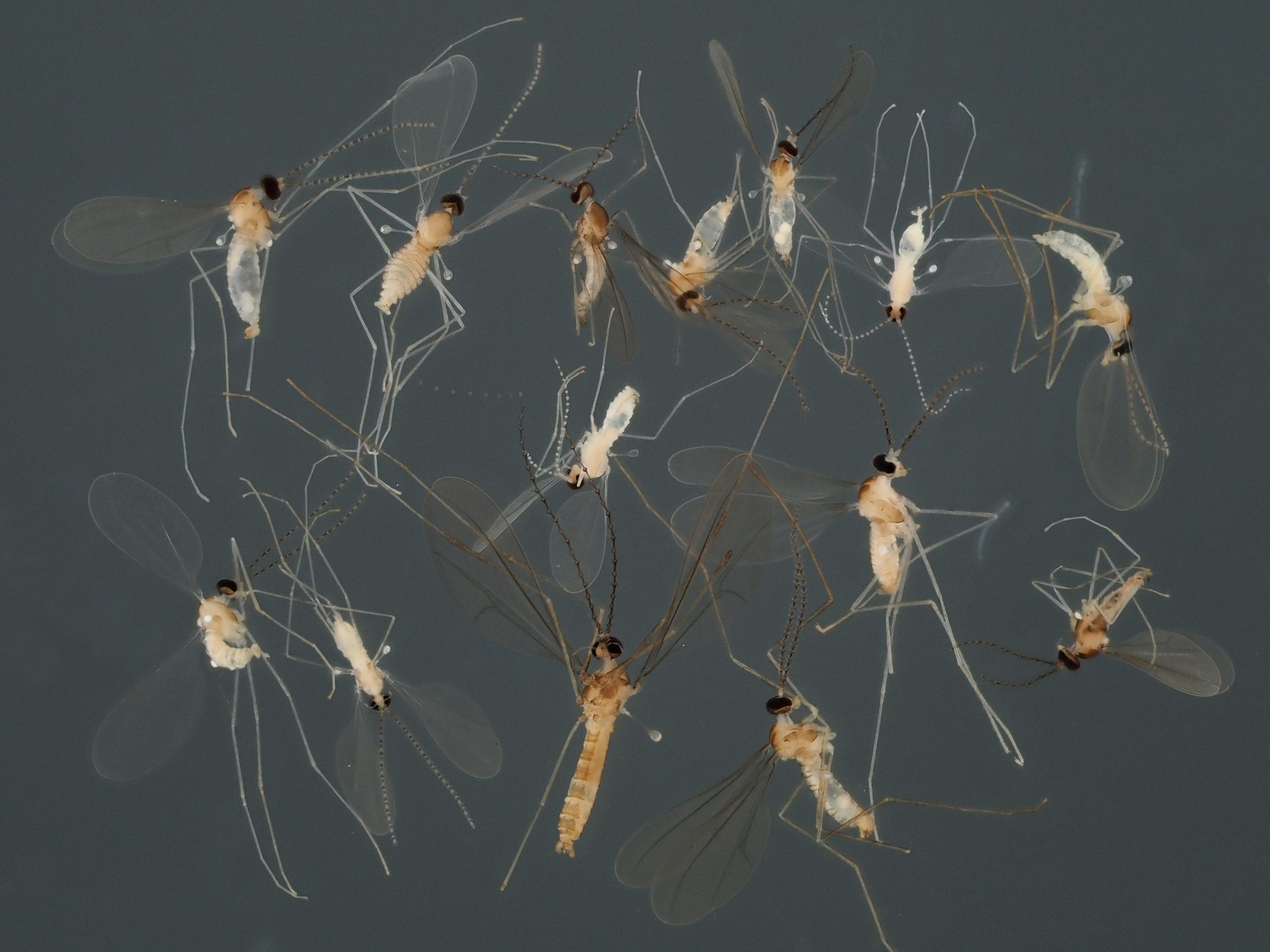
Insects serve as an ideal model to develop and test the “augmented minimalistic approach.” They are one of the most species-rich animal groups and are central to many ecosystems. Insects have remained largely unknown and unclassified compared to, for example, birds. For instance, Finland has less than 400 known species of gall midges (Cecidomyiidae). Doctoral researcher Niina Kiljunen used DNA barcoding already in her master’s thesis to discover an estimated 1000 new species of gall midges in Finland. The number of species in Finland could be considerably higher, several thousand. A large proportion of these are probably unknown to science.
Gall midges are small delicate flies, of which some species cause galls on plants, some eat decaying plant debris among other things, but do not feed on blood of humans or animals.
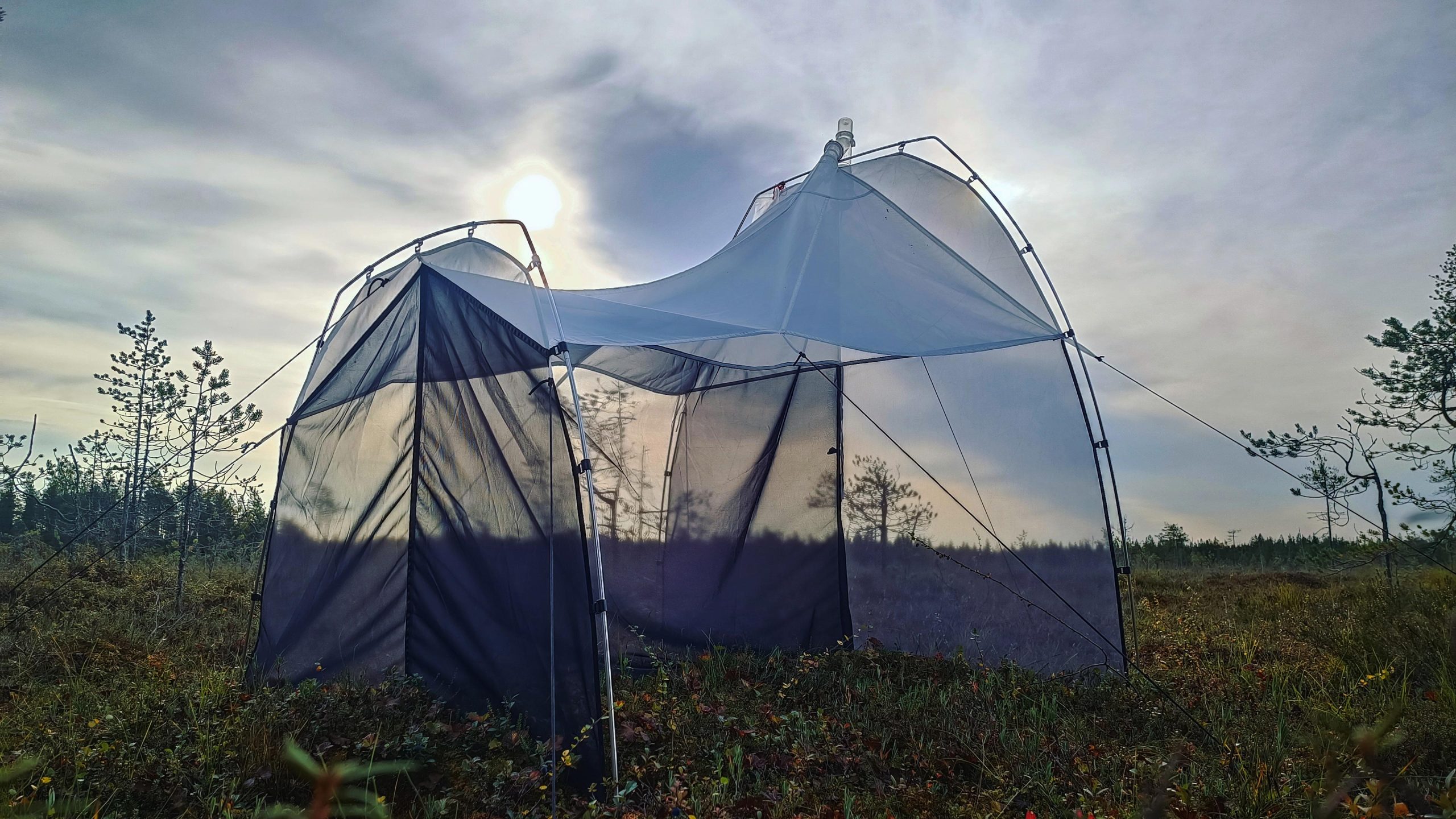
Under the leadership of Professor Daniel H. Janzen, a member of the research team, nearly one million DNA barcodes of an estimated 40,000-50,000 species of Costa Rican gall midges have been read. Of these, hardly any have been given a scientific name.
Is a Barcode a New Species?
The systematic separation, naming and description of Costa Rican DNA barcoded gall midge species is being carried out at the University of Oulu. An important fundamental question of the research project and the new species identification is: How do we determine whether unknown DNA barcodes truly are different species?
In developing a new method of species identification, independent genetic information about species will be combined with DNA barcoding. Researchers will look at other genetic traits in the DNA barcoded samples to see if they lead to the same conclusion about species boundaries. When independent genetic traits reach the same conclusion, it is then clear that the species is distinct from other species.
“DNA-based species description will be based on DNA barcodes and other genetic markers,” says Kiljunen. DNA-based descriptions can also be combined with traditional identification and classification.
The method being developed could pave the way for efficient science to discover new species and accelerate and innovate species identification.
The partner universities of the new research project are the University of Guelph, the University of Pennsylvania, the University of Kentucky, and the University of Eastern Finland.
Never miss a breakthrough: Join the SciTechDaily newsletter.
Follow us on Google and Google News.