
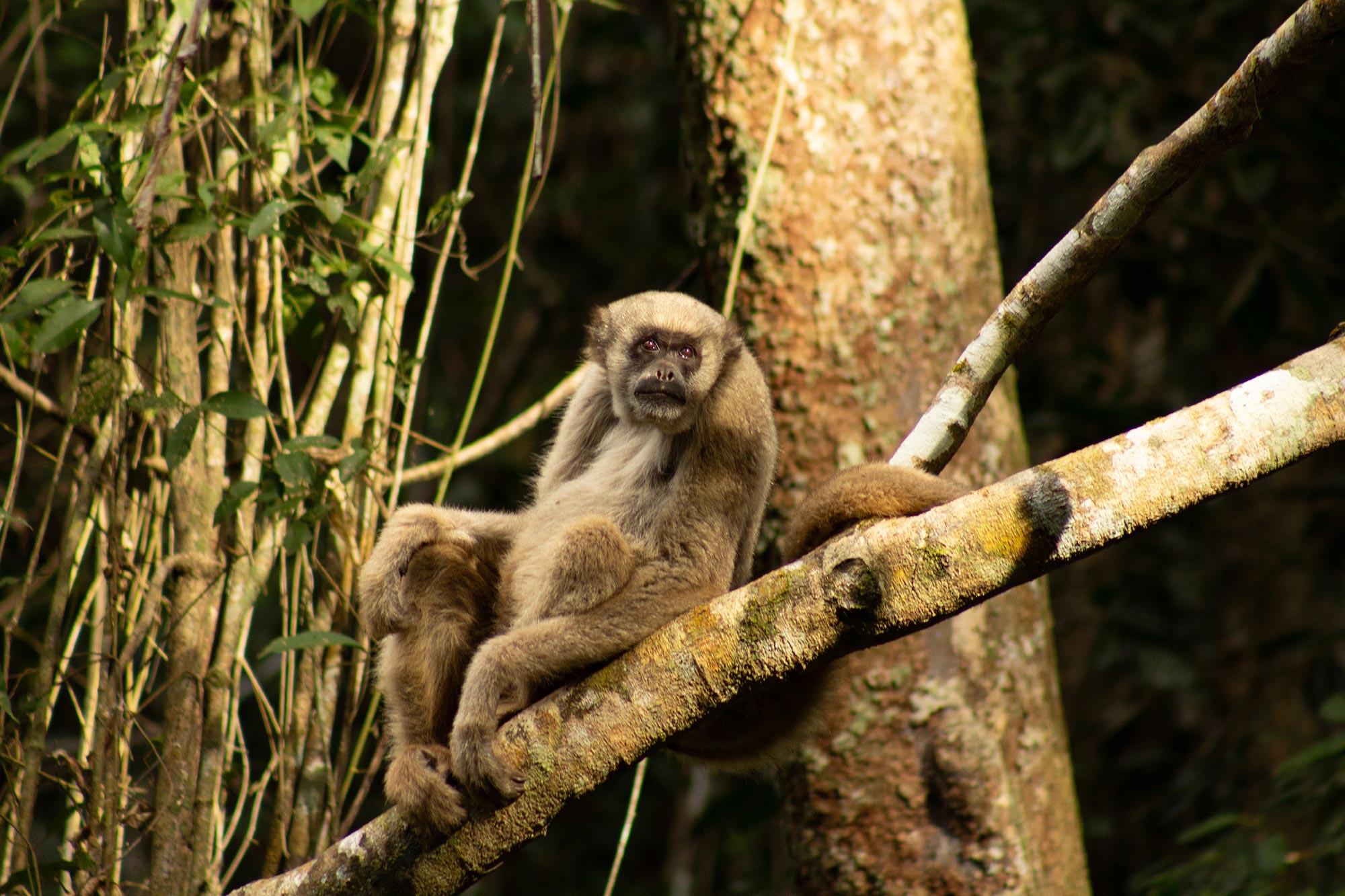
Researchers exploring the mating behaviors of Brazil’s endangered northern muriquis have utilized fecal DNA analysis to uncover how these primates choose their partners, revealing a preference for mates with diverse immune system genes.
This study contributes to our understanding of muriqui reproductive strategies and their potential for survival, highlighting the significance of genetic diversity in mate selection within their peaceful societies.
Northern Muriquis and Their Survival Strategies
Northern muriquis, native to Brazil’s Atlantic Forest, rank among the most endangered monkeys in the world. Their survival depends heavily on selecting suitable mates and successfully raising healthy offspring.
To uncover the secrets of muriqui mating behavior, researchers from the University of Texas at Austin and the University of Wisconsin–Madison turned to an unexpected resource: the monkeys’ feces. By analyzing DNA from these samples, the team gained valuable insights into how these primates choose their partners.
In a study published in Proceedings of the Royal Society B, the researchers combined advanced genetic analysis with decades of behavioral observations. This comprehensive approach allowed them to delve deeper into the reproductive strategies of these critically endangered primates.
Societal Structure and Genetic Analysis
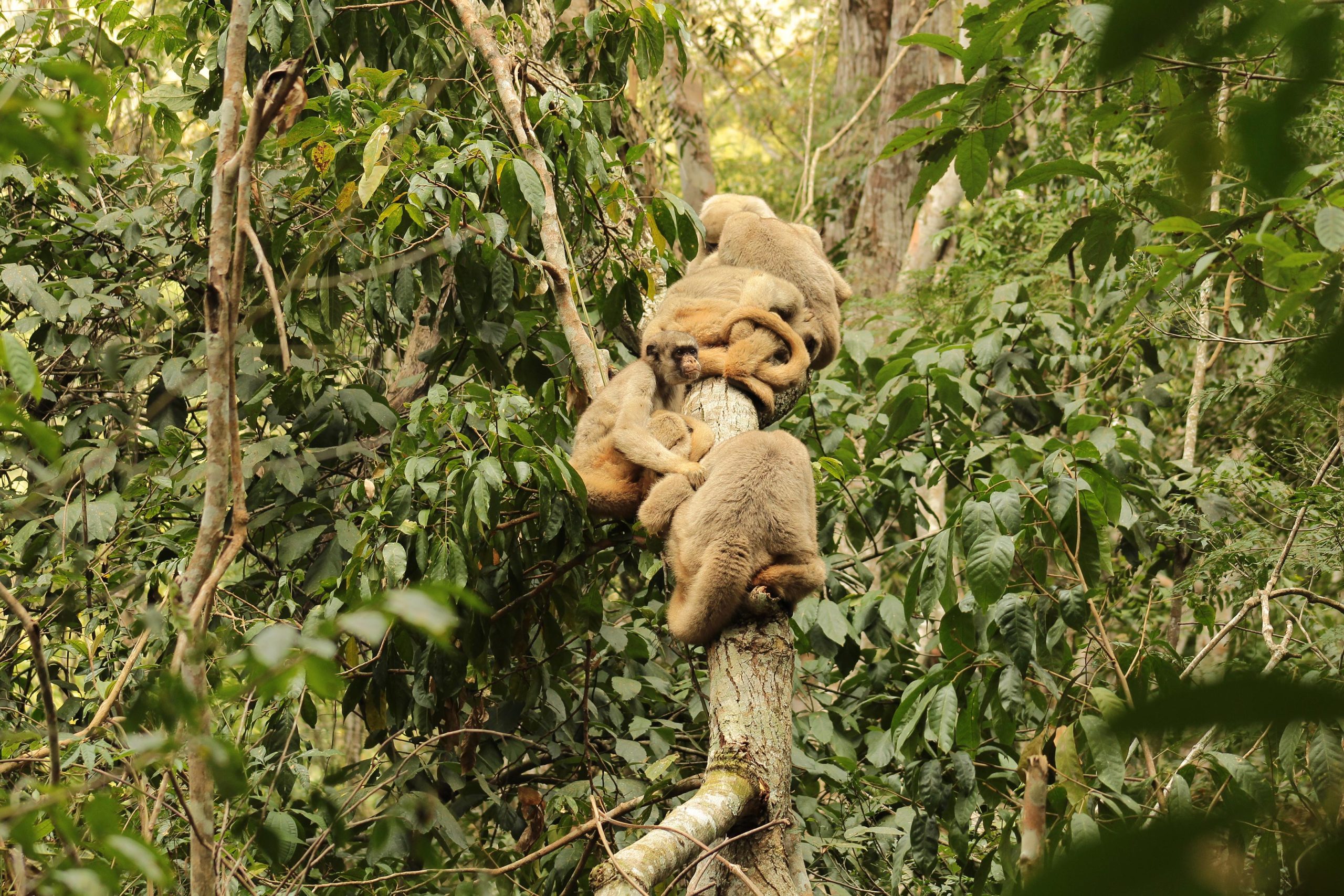
Unlike most primates, muriquis live in peaceful, egalitarian societies, the core of which is made up of related males and their mothers. Karen Strier, a professor of anthropology at UW–Madison and co-author of the paper, has spent 40 years studying the behavior and ecology of these monkeys in a small, preserved portion of Brazilian forest. She and her team know how to identify each individual monkey and who they are related to. That means she knows how to tell whose poop is whose.
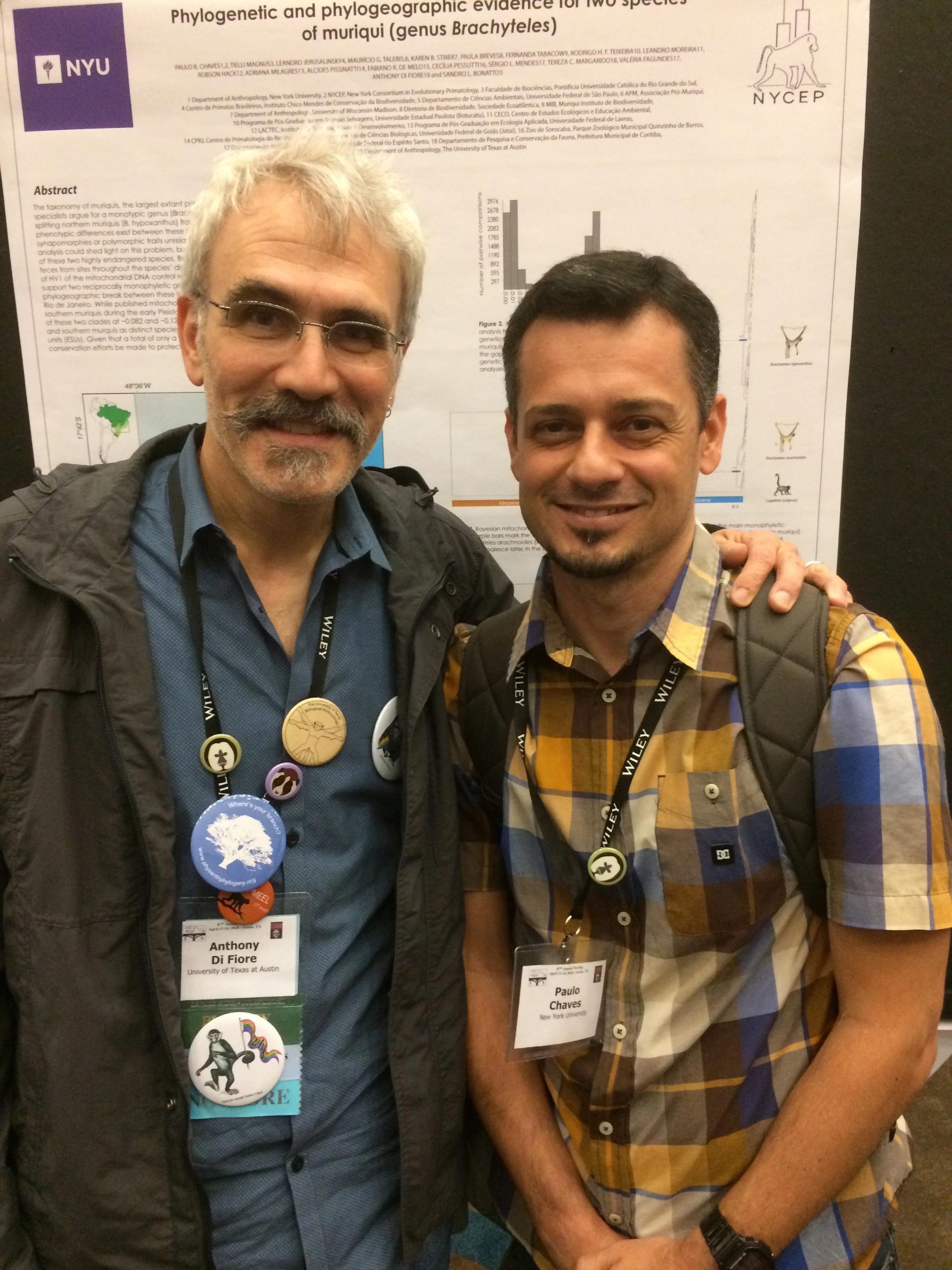
She and her team collected samples and provided them to Anthony Di Fiore, a professor of anthropology and director of the Primate Molecular Ecology and Evolution Lab at UT Austin, and Paulo Chaves, then Di Fiore’s graduate student. They used the fecal samples (among the best non-invasive samples they could collect) as a source of DNA to analyze the muriquis’ mating behavior through genetic data.

Insights From Genetic Data
Because Strier’s field crew knew which sample belonged to whom, the research team was able to ask unique genetic questions.
“I knew from behavioral observations that there was lack of competition in mating and that mothers didn’t mate with their sons or close male relatives. But the only way to know who the fathers are is with genetics,” Strier says.
From their lab analysis, Chaves and Di Fiore confirmed that there were no mother-son pairings, which suggests the muriquis may recognize their kin, allowing them to avoid incestuous mating. They also found that females tend to reproduce with males who have a more diverse set of genes coding for molecules that play an important role in the body’s immune response to pathogens and other environmental stressors.
This interesting class of genes is called the major histocompatibility complex (MHC), and Chaves and Di Fiore were able to characterize genetic variation between individual monkeys.
Implications of Genetic Diversity
“Our finding that male sires have higher MHC diversity than expected by chance is one of the things we would expect if that diversity contributes to male fitness or is one of the dimensions of female mate choice,” Di Fiore says.
Male fitness, in this case, refers to the ability of a male mate to provide offspring with genes that will give them the best chance at survival. Having diversity in their MHC genes may also give offspring more protection against pathogens and environmental stressors, which is evolutionarily advantageous, Strier explains. Theoretically then, a female should choose males that not only have high MHC diversity, but that also have MHC genes different from hers.
However, the genetic analysis showed that while females seem to choose mates with higher MHC diversity overall, they weren’t necessarily choosing males with genetic variants different from their own.

Future Research Directions and Collaborative Impact
“Our study is one of just a handful that has looked at the relationship between MHC variation and reproductive patterns in wild primates and is the only one to do so for an egalitarian species like muriquis,” Di Fiore says.
Strier says the partnership with Di Fiore and Chaves was exciting and adds strength to support her observations. Their findings also raised a number of questions the researchers hope to follow up on in future collaborations.
Chaves, lead author of the study, came to the U.S. to study molecular genetics with Di Fiore on a prestigious fellowship from the Brazilian government. After completing his lab work, Chaves returned to Brazil and secured a civil service position as a forensic geneticist with the government of the state of Goiás.
Next, the team hopes to investigate what other factors besides MHC diversity might influence muriqui mate choice by both males and females and give offspring the best chance at survival.
Reference: “Paternity data reveal high MHC diversity among sires in a polygynandrous, egalitarian primate” by Paulo B. Chaves, Karen B. Strier and Anthony Di Fiore, 9 August 2023, Proceedings of the Royal Society B.
DOI: 10.1098/rspb.2023.1035
Never miss a breakthrough: Join the SciTechDaily newsletter.
Follow us on Google and Google News.