
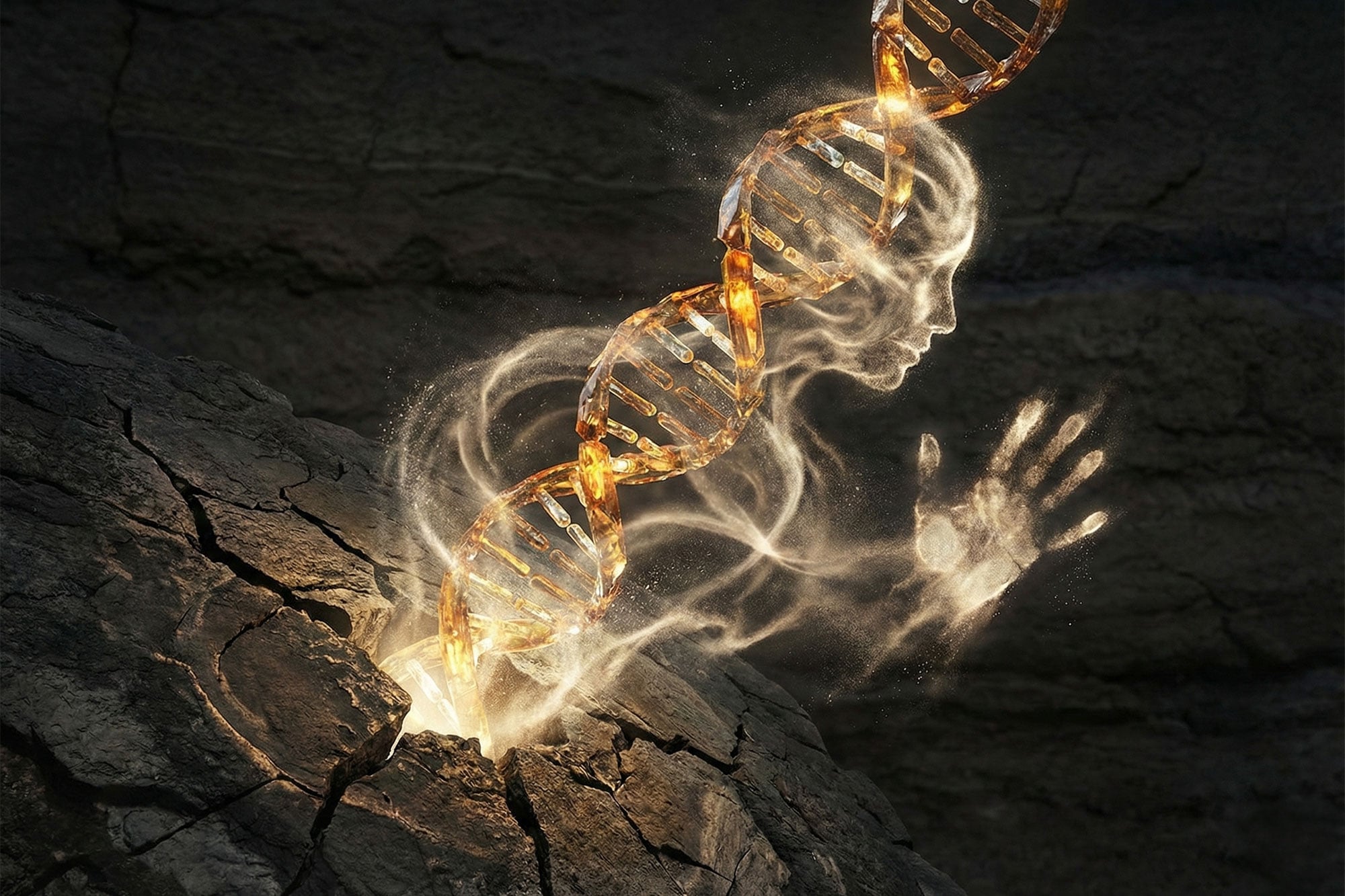
Archaeologists at the University of Lancashire have uncovered new details about the identity of an 11,000-year-old individual known as the “oldest northerner.”
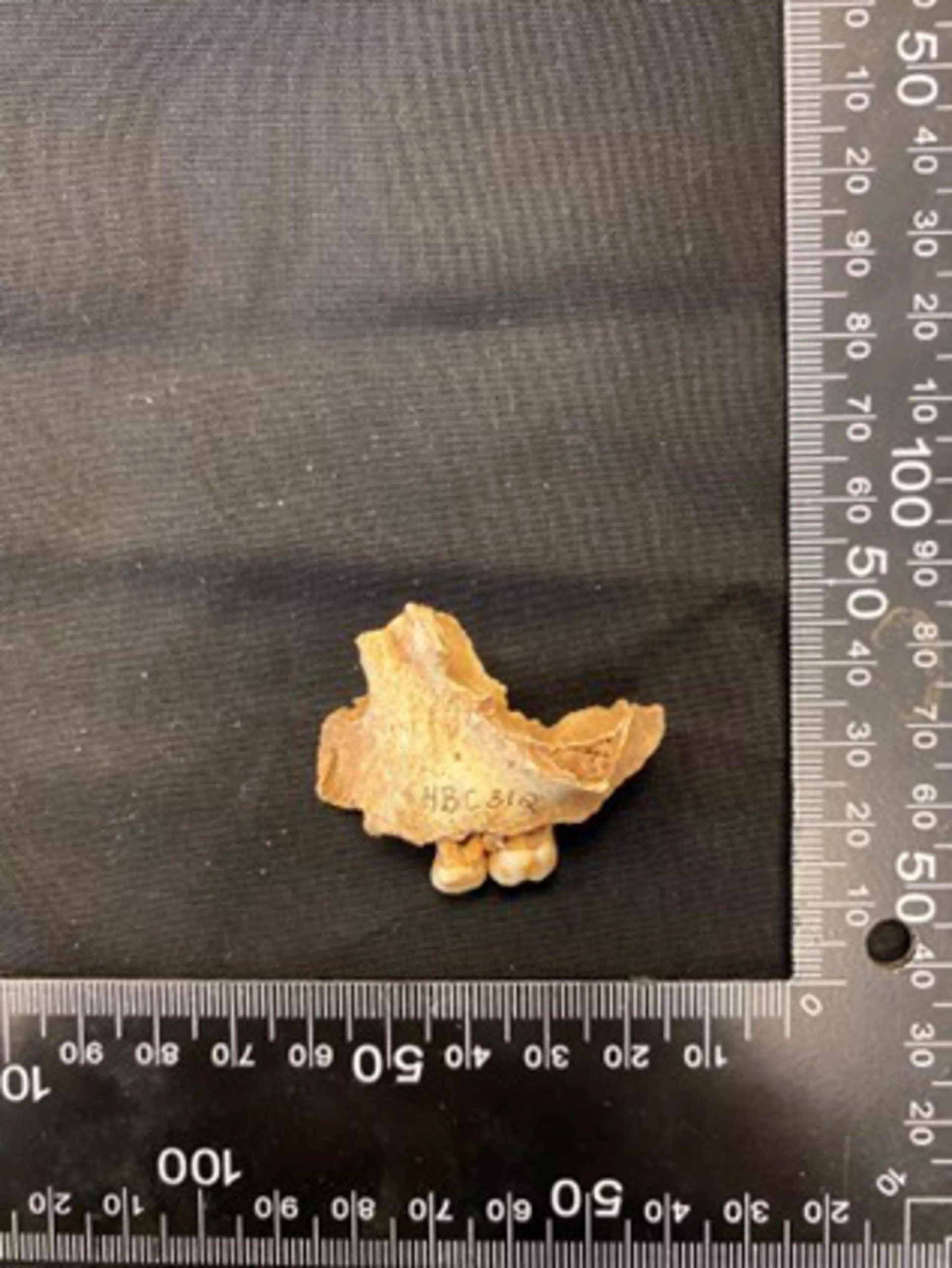
Human remains discovered in a cave in Cumbria have now been identified as belonging to the oldest known individual ever found in northern Britain. Three years after the bones were first uncovered, researchers have confirmed that they belonged to a young girl who lived around 11,000 years ago.
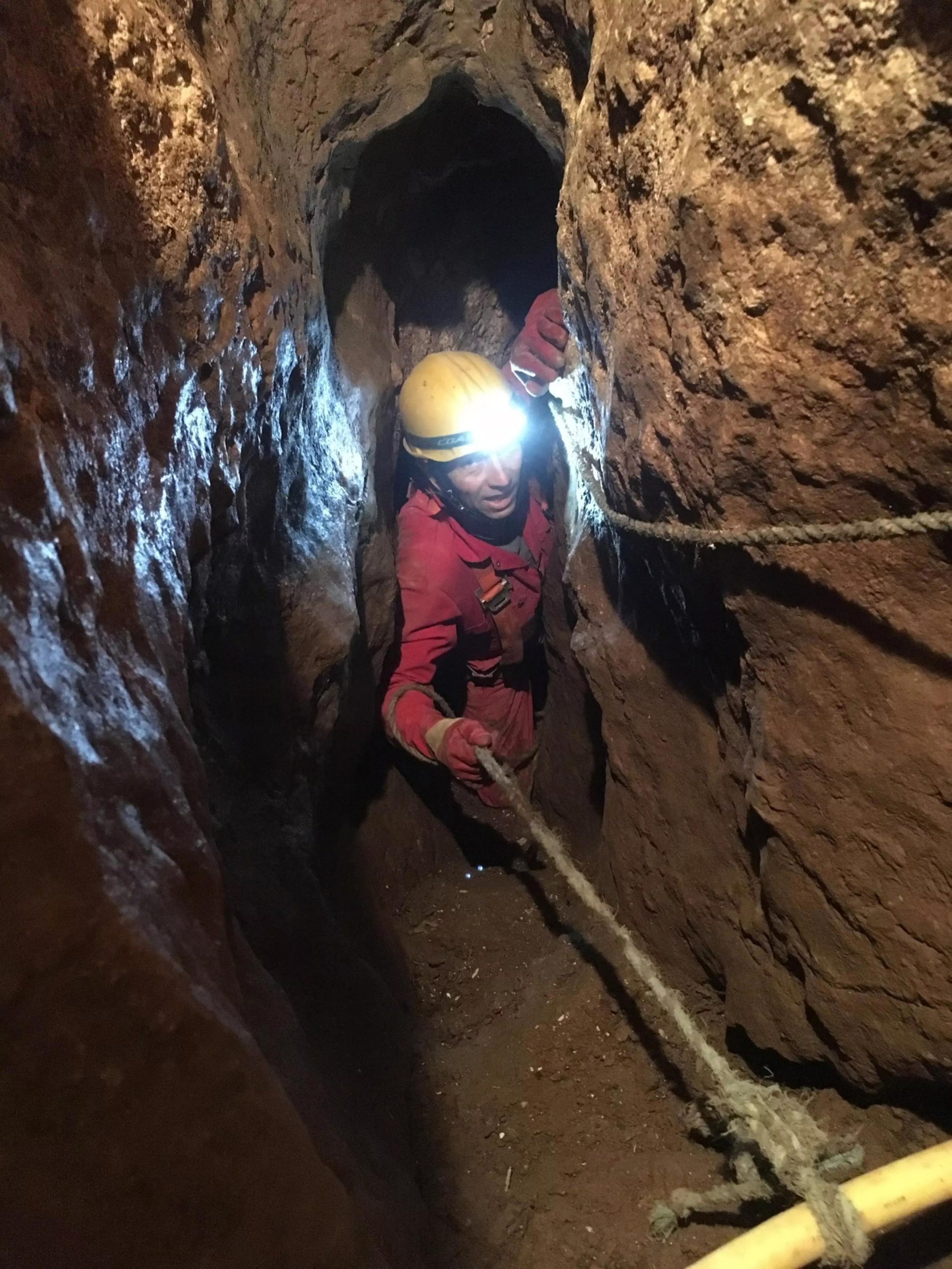
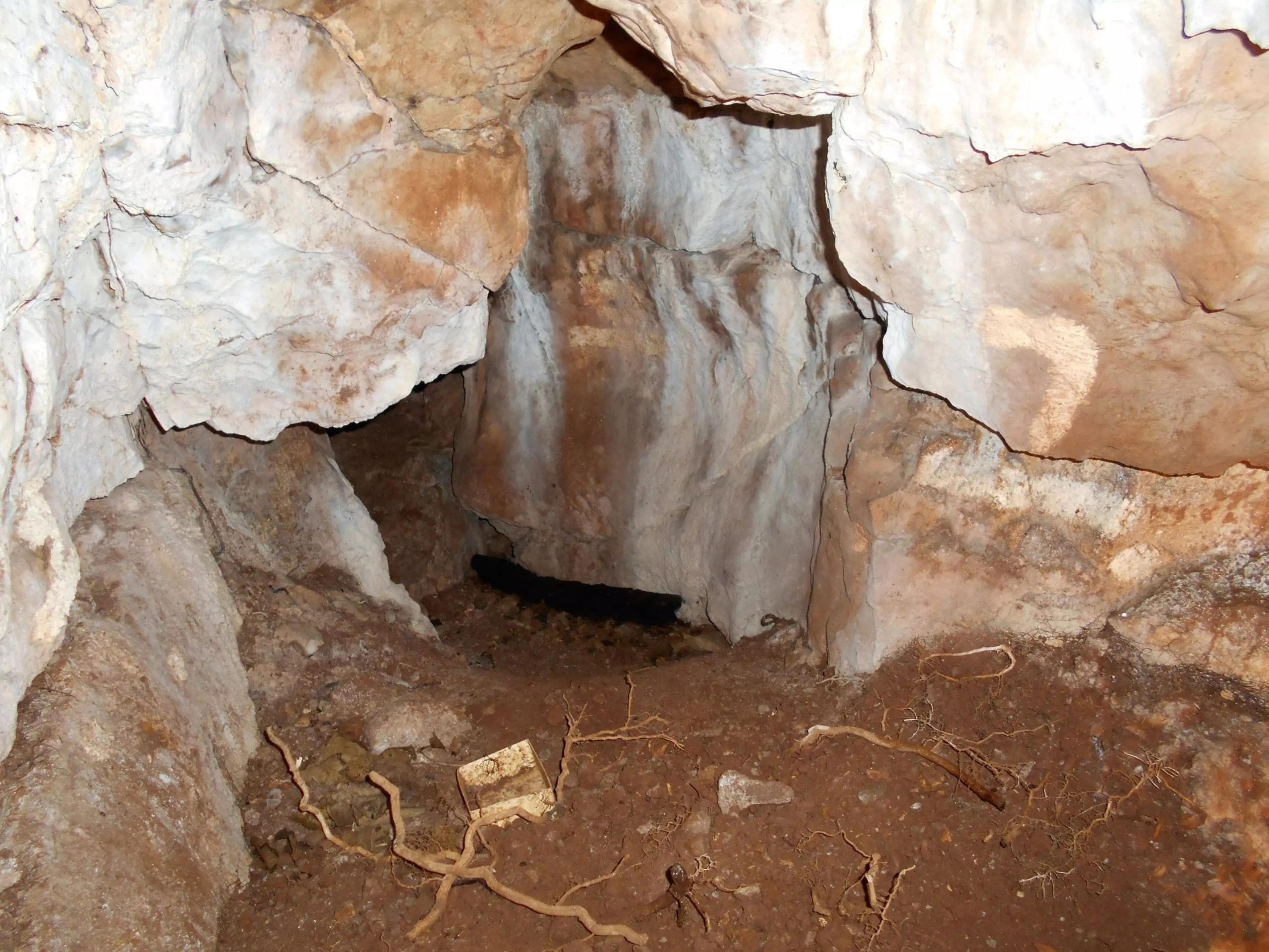
The remains were excavated at Heaning Wood Bone Cave in Great Urswick by local archaeologist Martin Stables. From the outset, the find pointed to Mesolithic burial activity in the region, offering rare evidence of early post-Ice Age communities in northern England.
An international research team led by archaeologists at the University of Lancashire later succeeded in extracting and analyzing ancient DNA from the bones. Their results showed that the child was female and between 2.5 and 3.5 years old at the time of her death.
“It is the first time we have been able to be so specific about the age of a child whose remains are so old and be certain that they are from a female,” said lead researcher Dr. Rick Peterson.
Northern Britain’s earliest burial confirmed
Further analysis places the burial among the three oldest-known Mesolithic burials in north-west Europe. It also represents some of the earliest direct evidence of human activity in Britain after the last Ice Age.
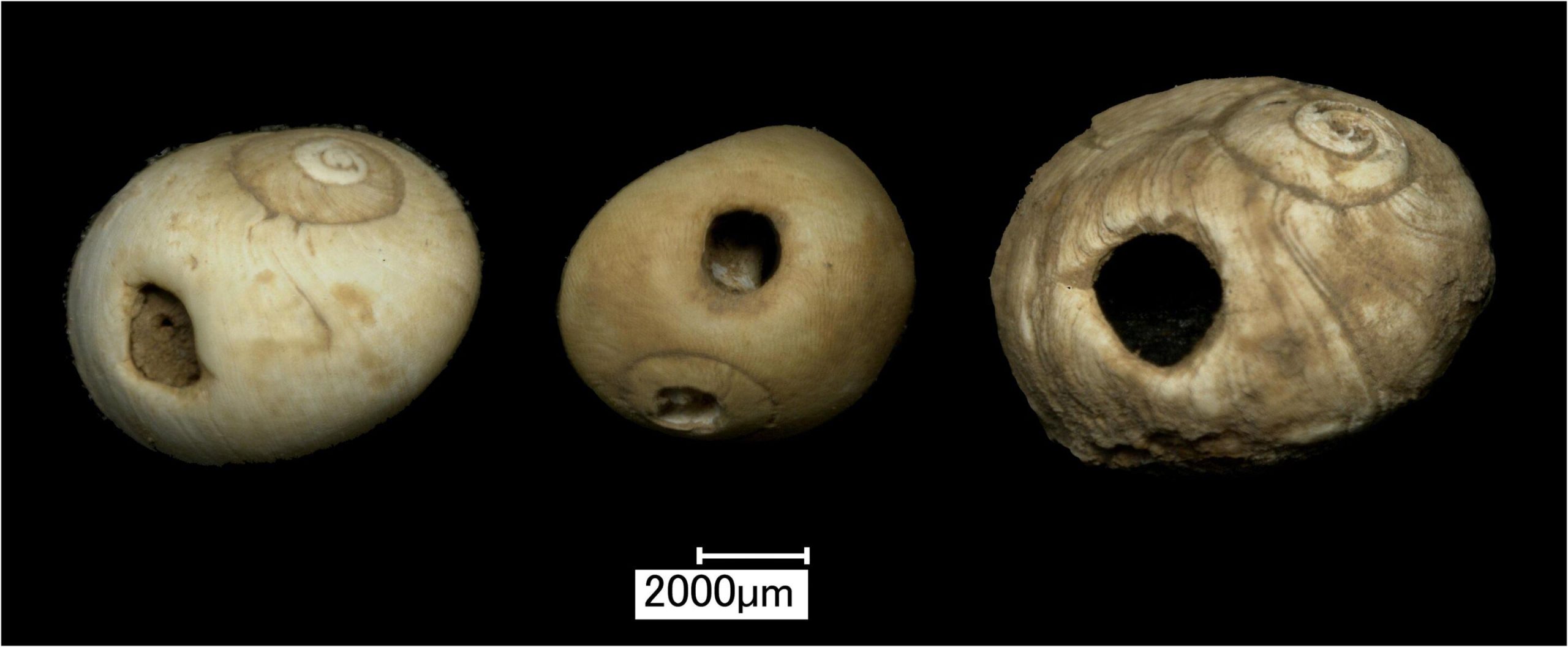
Objects found at the site include a perforated deer tooth and additional beads, which have been radiocarbon dated to around 11,000 years ago, matching the age of the remains.
“Dating the jewelry to the same time frame as the remains provides more evidence that this was a deliberate burial and opens up conversations about the significance of cave burials during this period,” added Rick.
“Modern hunter-gatherer groups often see caves as a gateway into the spirit world, and this may be why we see so many caves used for burial by Early Mesolithic hunter-gatherers in northern Europe.”
A burial site spanning millennia
Local archaeologist Martin Stables carried out the excavations at the site and being from Great Urswick himself, he was keen that the Mesolithic girl’s remains were named to bind her and her resting place together forever. Hence, naming her the ‘Ossick Lass’, which in the local vernacular simply means Urswick girl.
Martin is entirely self-taught as an archaeologist, driven by his desire to know more about the prehistoric past of the village.
He said: “It’s nearly 10 years since I started the excavations in July 2016 and I couldn’t have envisaged the journey I have undertaken. It’s as if I’ve went back in time to 9,000 BC.
“In doing so, I travelled through the Bronze and Neolithic Ages, discovering some of those that lived then and what they left behind. Ultimately, reaching the Mesolithic Period has obviously become the highlight of the excavation and something that’s particularly poignant to myself. Effectively, I was the first to bear witness to the obviously caring burial of someone’s child that occurred over 11,000 years ago.
“The publication of this research paper is an important stage, that in due course, allows us to reveal further information about this unique site of national importance. My journey continues, but in the present, as this is just the beginning and there is much more we plan to tell.”
Glaciation erased much of the record
Earlier human remains are known from southern England and from Wales, but the destructive effect of past glaciations means that such finds are rare in northern Britain. Before this discovery, the ‘earliest northerner’ was a 10,000-year-old burial from the nearby Kent’s Bank Cavern discovered in 2013.
Alongside the 11,000-year-old remains, the University team proved that at least eight different people were buried in the cave, with evidence showing they were all deliberate burials. All are from three different dates in the prehistoric past; around 4,000 years ago in the Early Bronze Age; approximately 5,500 years ago in the Early Neolithic; and around 11,000 years ago during the very early part of the Mesolithic period.
Reference: “Farthest North: Human Remains from Heaning Wood Bone Cave, Cumbria, UK and their European context” by Keziah Warburton, Rick Peterson, Chris Barrington, Thomas Booth, Christopher Jazwa, Monica Kelly, Jesse McCabe, Marina Silva, Pontus Skoglund, Martin Stables, Frankie Tait and Mia Williams, 23 January 2026, Proceedings of the Prehistoric Society.
DOI: 10.1017/ppr.2025.10077
Never miss a breakthrough: Join the SciTechDaily newsletter.
Follow us on Google and Google News.
7 Comments
… and now lemme guess: some chud from Cambridge has already asserted that the Ossick Lass was, actually, black and proto Muslim. What a surprise!
… wouldn’t surprise me in the slightest, Ian.
Racist af
Well, is it any surprise that someone with the name AntiAsswipery would call someone else a racist? Wipe your ass!
Joe Biden was the God-father.
It’s a tiny girl who died and her parents gave her lovely beads to say good-bye. Why does’ her color matter? She was loved, and mourned. After 11,000 years maybe we can just not care anymore.
What she was White ?? Really, not like beachy head girl then !!!