
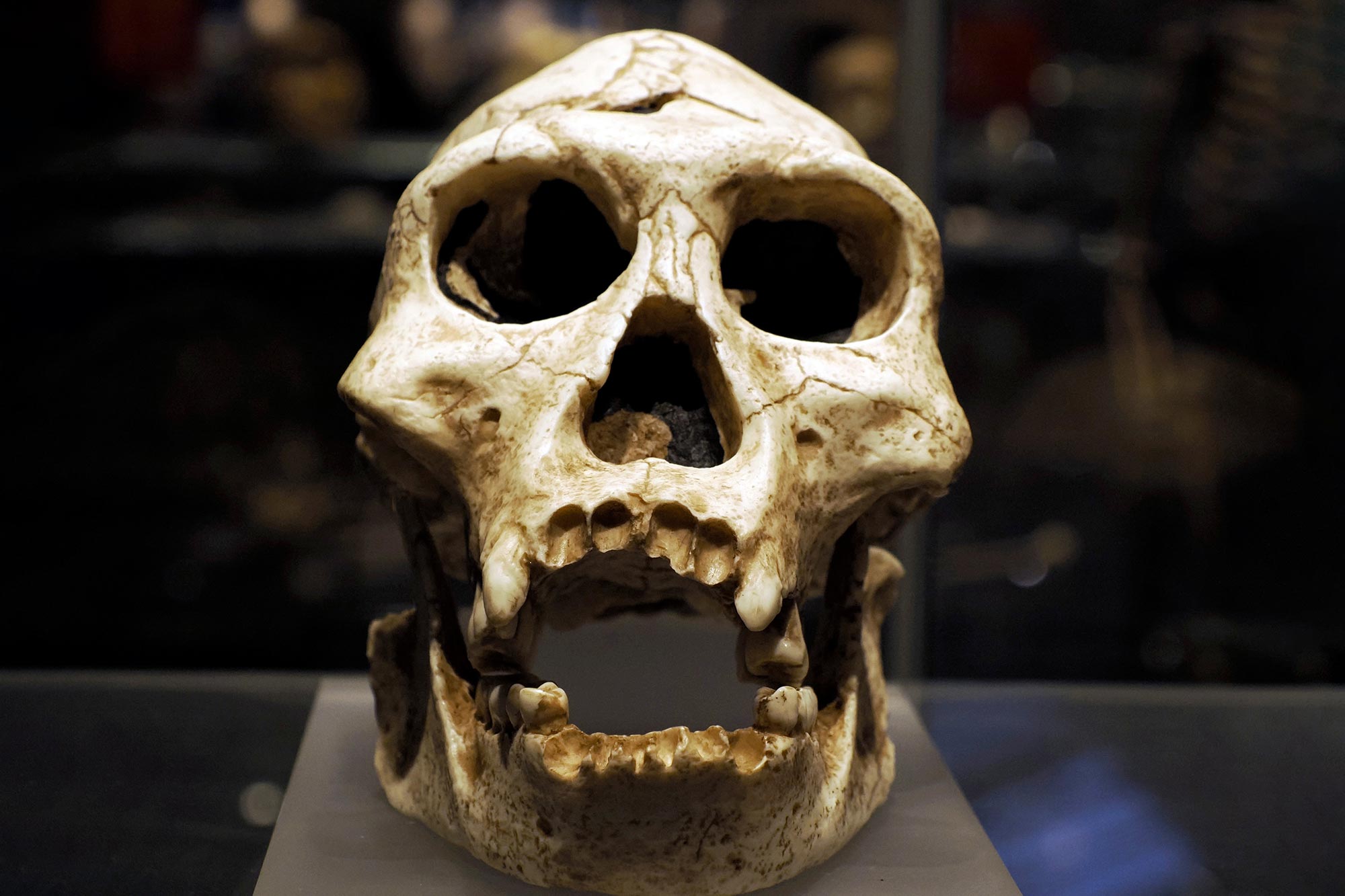
New analysis of Neanderthal bones from Belgium indicates targeted cannibalism of outsiders that may signal territorial conflict before their regional disappearance.
A detailed examination of Neanderthal bones recovered from the Troisième caverne of Goyet (Belgium) has uncovered evidence of selective cannibalism dating to between 41,000 and 45,000 years ago. The remains indicate that adult women and children were disproportionately affected.
For the first time, researchers were able to establish the biological profiles of the individuals, revealing that they likely came from outside the local group. Cut marks and other modifications on the bones closely resemble those seen on animal remains processed for food at the same site, suggesting that the bodies were consumed as a nutritional resource rather than as part of a ritual practice.
The findings, published in Scientific Reports, come from an international collaboration involving scientists from the CNRS, l’Université de Bordeaux, and l’Université d’Aix-Marseille.
Cannibalism focused on outsiders
When placed within the broader context of the late Middle Paleolithic, a period in Northern Europe characterized by cultural diversity among Neanderthal groups and the growing presence of Homo sapiens in nearby regions, the evidence points toward possible intergroup conflict.
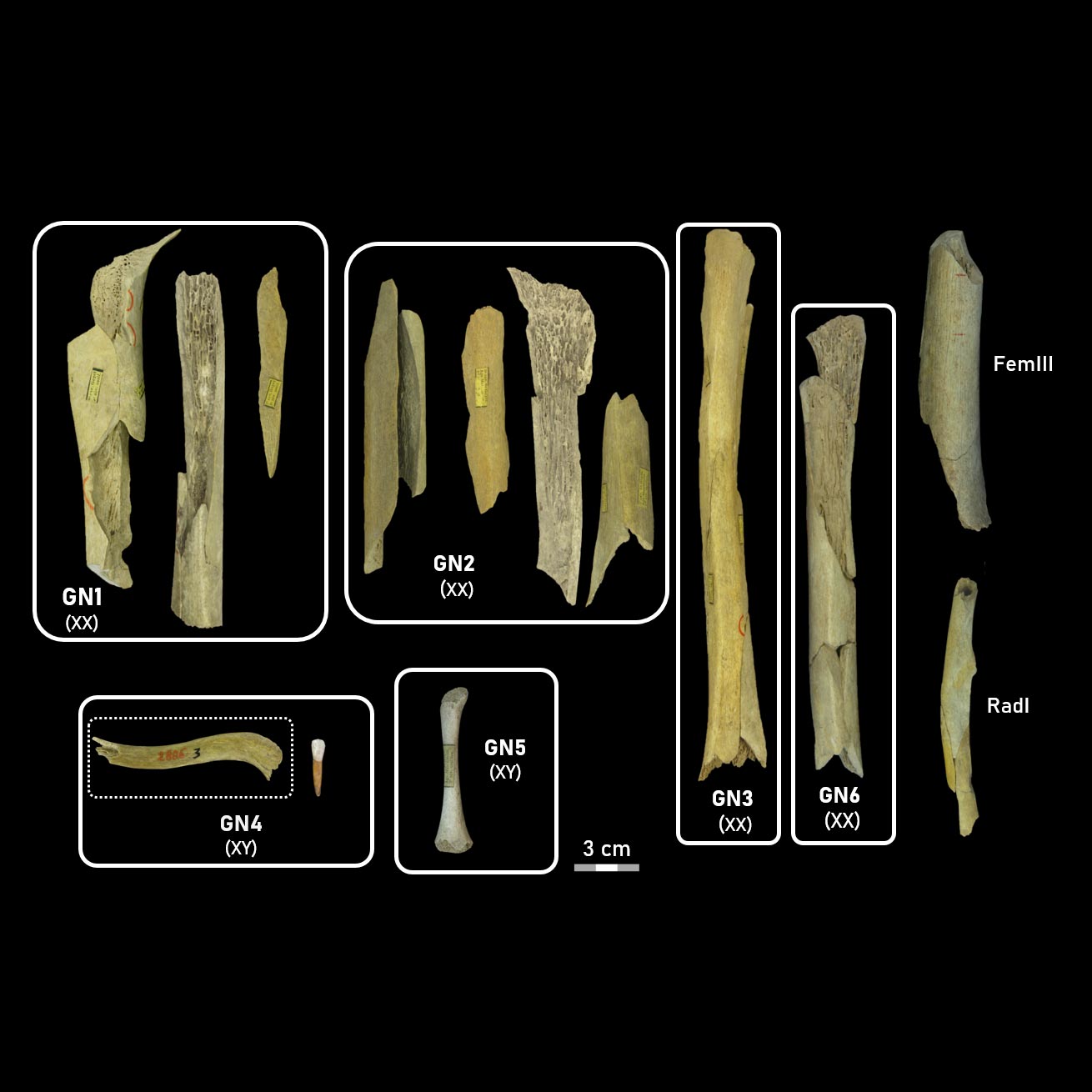
The targeted consumption of individuals identified as outsiders may reflect territorial pressures or competition between neighboring groups during a time of social and environmental change preceding the disappearance of Neanderthals in the region.
The conclusions draw on a decade of multidisciplinary research that reexamined the Goyet collection. Scientists combined DNA sequencing, radiocarbon dating, and isotopic analysis to determine the age and geographic origin of the individuals. They also used digital reconstructions to study highly fragmented bones in detail, allowing for a more precise morphological assessment and a clearer understanding of the events that took place at the site thousands of years ago.
Reference: “Highly selective cannibalism in the Late Pleistocene of Northern Europe reveals Neanderthals were targeted prey” by Quentin Cosnefroy, Isabelle Crevecoeur, Patrick Semal, Mateja Hajdinjak, Alba Bossoms Mesa, Johannes Krause, Guido Alberto Gnecchi-Ruscone, Cosimo Posth, Hervé Bocherens, Thibaut Devièse and Hélène Rougier, 19 November 2025, Scientific Reports.
DOI: 10.1038/s41598-025-24460-3
This research was funded by the French National Research Agency (ANR) through the project NeHos led by Thibaut Devièse (ANR-22-CE27-0016).
Never miss a breakthrough: Join the SciTechDaily newsletter.
Follow us on Google and Google News.
9 Comments
All humans are dumb
Word
No one’s perfect. Lol.
Gels with the research that only Neanderthal men mated with H. sapien women. The only thing that could override a man’s stomach is his …
That they didn’t interact with other Neanderthals living nearby is also interesting. They had instincts that favoured small groups. Good for simple hunting and bigger reliance on gathering. Better hunting required better empathy for better cooperation in a bigger group?
False
Gotta eat.
Since I’m not a Neanderthal, the idea of their eating one another chills me about as much as the idea of rats eating each other.
You really can’t assume you’re neanderthal or not unless you take a 23&me or run your dna through a site that can tell you if you have neanderthal DNA or not and what percentage. Almost all persons of Asian and European descent have some.
You really can’t assume you’re neanderthal or not unless you take a 23&me or run your dna through a site that can tell you if you have neanderthal DNA or not and what percentage. Almost all persons of Asian and European descent have some.