
Close Menu
    Facebook X (Twitter) Instagram
    SciTechDaily
    • Biology
    • Chemistry
    • Earth
    • Health
    • Physics
    • Science
    • Space
    • Technology
    Facebook X (Twitter) Pinterest YouTube RSS
    SciTechDaily
    Home»Science»Drinking Blood? Bronze Age Cauldrons Tell New Tales of Ancient Mongolian Cuisine
    Science

    Drinking Blood? Bronze Age Cauldrons Tell New Tales of Ancient Mongolian Cuisine

    By University of BaselJune 18, 20241 Comment3 Mins Read
    Facebook Twitter Pinterest Telegram LinkedIn WhatsApp Email Reddit
    Share
    Facebook Twitter LinkedIn Pinterest Telegram Email Reddit
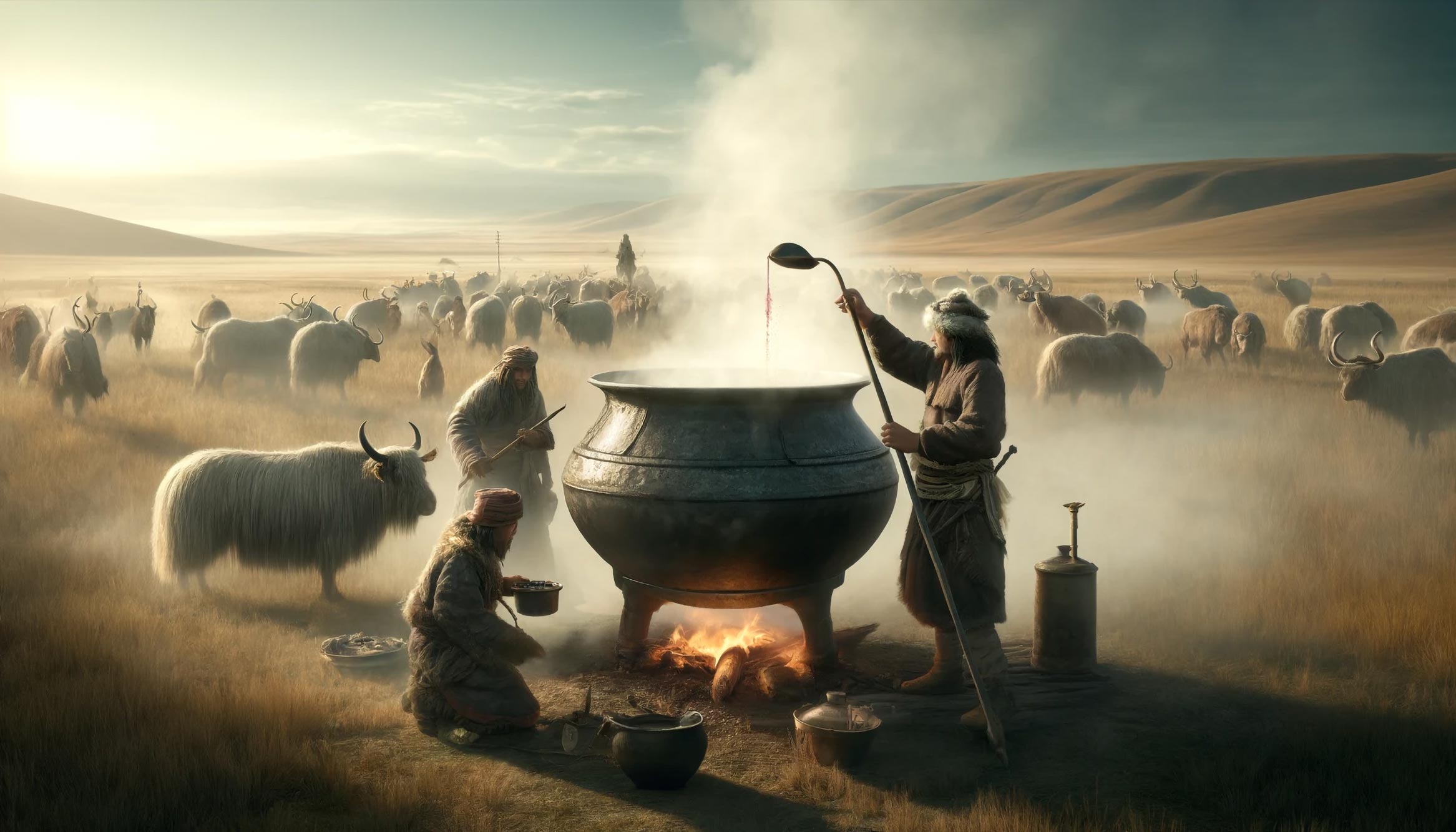
    Anicent Mongolians With Cauldron
    Researchers have discovered that Bronze Age Mongolian nomads used metal cauldrons to collect animal blood for making sausage and possibly ferment milk from yaks, revealing a rich culinary tradition that links to modern practices. (Artist’s concept.) Credit: SciTechDaily

    A study reveals that Bronze Age Mongolian nomads used metal cauldrons for blood collection and milk fermentation, suggesting early domestication of yaks.

    Archaeologists have frequently found metal cauldrons from the Bronze Age during excavations across the Eurasian steppe. The exact purposes of these cauldrons had remained unclear. A recent international study led by the University of Basel, published in the journal Scientific Reports, reveals that Mongolian nomads used these cauldrons to collect blood from slaughtered animals, likely for making sausage, and possibly to ferment milk, primarily from yaks.

    The research team, headed by Dr. Shevan Wilkin from the University of Basel, conducted extensive protein analyses on two metal cauldrons. These were unearthed in 2019 by herders in northern Mongolia, alongside other artifacts. Radiocarbon dating indicates that these cauldrons date back to the late Bronze Age, approximately 2,700 years ago.

    Iron Age Rock Art With Cauldron Depictions Cropped
    Depiction of cauldrons in the rock art of an Iron Age settlement in Minusinsk, Russia. Credit: Bruce Worden

    The Longstanding Tradition of Animal Blood the Diet

    In the cauldrons, the researchers identified blood remains from ruminants, mainly sheep and goats. “Various historical accounts of the steppe dwellers claim that they regularly drank blood,” explains Dr. Bryan Miller from the University of Michigan, USA, co-author of the study. The new findings provide a clearer idea of how blood may have been incorporated into the diet of the steppe dwellers.
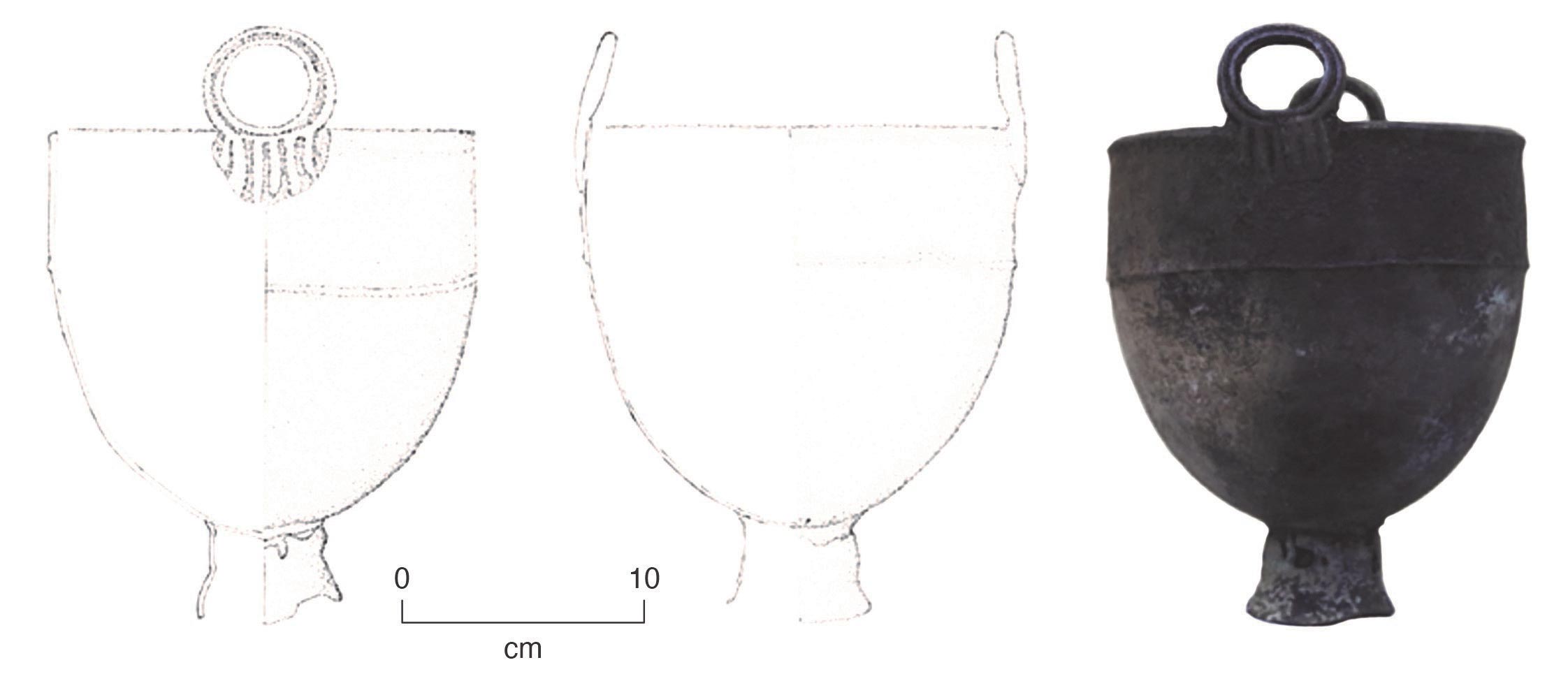
    Bronze Age Cauldron and Artists Reconstruction
    One of the cauldrons analyzed and artists reconstruction. Credit: Jamsranjav Bayarsaikhan and Bruce Worden

    The researchers suggest that the blood was collected in the cauldrons during slaughtering to make blood sausages—a practice that mirrors contemporary culinary customs in Mongolia. “These parallels with modern times, together with well-founded historical accounts of diet and slaughtering practices in the region, suggest that the processing of blood was a traditional part of Mongolia’s food culture,” says study leader Shevan Wilkin. Sausage production also served as an important preservation method among other steppe peoples.

    Second Bronze Age Cauldron
    The second cauldron found at the excavation site and analyzed. Credit: Jamsranjav Bayarsaikhan and Bruce Worden

    Evidence of Early Yak Domestication

    In addition to blood proteins, the cauldrons also contained traces of milk, particularly from domestic cattle and yaks. “This shows that yaks were domesticated and milked in Mongolia much earlier than previously assumed,” notes Wilkin. The milk might have been fermented in the cauldrons in order to preserve it in the form of yogurt, or it might have been an ingredient in the production of sausages.
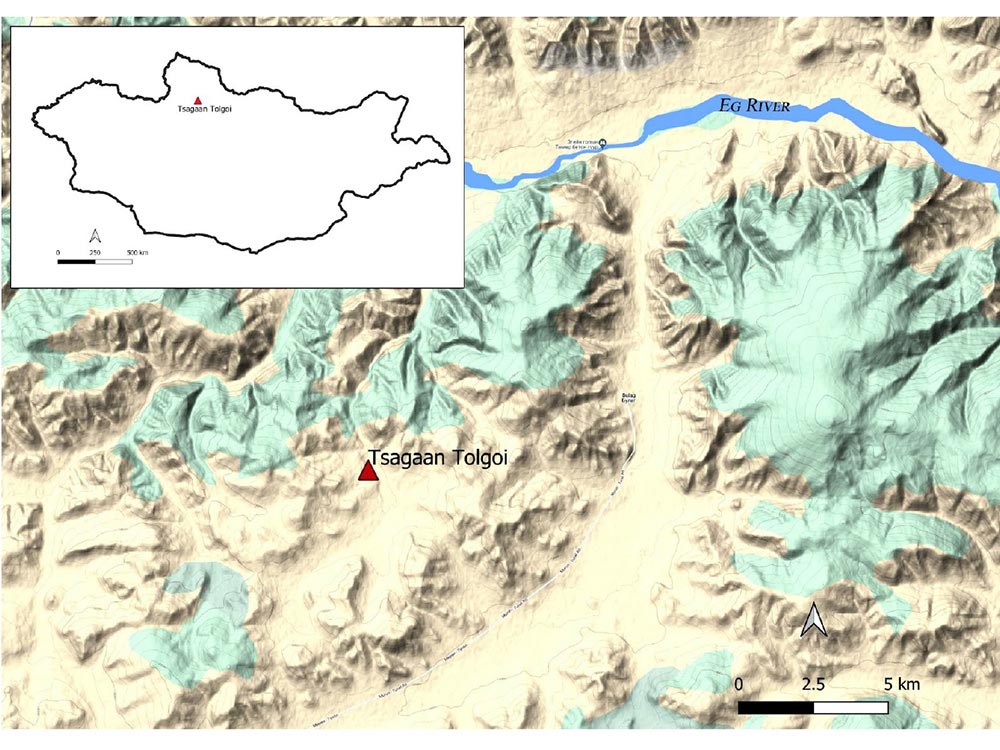
    Cauldron Excavation Site in Northern Mongolia
    Location of the excavation site in northern Mongolia. Credit: Jamsranjav Bayarsaikhan

    “Our discoveries offer insights into the traditions and diet of Bronze Age nomads and shed light on the diverse culinary methods of ancient civilizations,” explains Wilkin. In addition to the Universities of Basel and Michigan, experts from the Max Planck Institute for Geoanthropology in Jena and the National Museum of Mongolia were also involved in the research project.

    Reference: “Cauldrons of Bronze Age nomads reveals 2700 year old yak milk and the deep antiquity of food preparation techniques” by Shevan Wilkin, Jamsranjav Bayarsaikhan, Ankhsanaa Ganbold, Ankhbayar Batsuuri, Lochin Ishtseren, Daisuke Nakamura, Gelegdorj Eregzen, Alicia Ventresca-Miller and Bryan K. Miller, 5 June 2024, Scientific Reports.
    DOI: 10.1038/s41598-024-60607-4

    Never miss a breakthrough: Join the SciTechDaily newsletter.
    Follow us on Google and Google News.

    Animal Sciences Anthropology Archaeology University of Basel
    Share. Facebook Twitter Pinterest LinkedIn Email Reddit

    Related Articles

    Anthropologists Shed New Light on Prehistoric Human Migration

    New Research Reveals Easter Island Had a Cooperative Community

    Researchers Discover Oldest Images to Date of Dogs on Leashes

    400,000 Year Old Fossil Helps Shed New Light on Human Evolution

    Tuscan Shipwreck Gives Clues of Ancient Eye Treatment

    Stone Blades Suggest That Early Humans Passed on Technological Skills

    Ancient Murals in Guatemala Offer Glimpse of Mayan Astronomy

    Million-Year-Old Ash in South African Cave Yields Evidence of Cooking

    Humans Implicated in Africa’s Deforestation 3,000 Years Ago

    1 Comment

    1. Me on June 18, 2024 11:53 pm

      This article seems to be from a good academic source and yet the illustration and some of the text feel as if they are poor quality artificially created items. In the illustration the cauldron is too big and the animals too small. The real cauldron is only 10cm wide according to the diagram below. The sub headings are not grammatical. This kind of thing is depressing and makes me feel that AI is going to ruin the world and nobody is bothered enough about details to stop it. I want articles written by human beings who have some sort of standards.

      Reply
    Leave A Reply Cancel Reply

    • Facebook
    • Twitter
    • Pinterest
    • YouTube

    Don't Miss a Discovery

    Subscribe for the Latest in Science & Tech!

    Trending News

    New Pill Lowers Stubborn Blood Pressure and Protects the Kidneys

    Humans May Have Hidden Regenerative Powers, New Study Suggests

    Scientists Just Solved the Mystery of Why Crabs Walk Sideways

    Doctors Are Surprised by What This Vaccine Is Doing to the Heart

    This Popular Supplement May Boost Your Brain, Not Just Your Muscles

    Scientists Say This Simple Supplement May Actually Reverse Heart Disease

    Warming Oceans Could Trigger a Dangerous Methane Surge

    This Simple Movement Could Be Secretly Cleaning Your Brain

    Follow SciTechDaily
    • Facebook
    • Twitter
    • YouTube
    • Pinterest
    • Newsletter
    • RSS
    SciTech News
    • Biology News
    • Chemistry News
    • Earth News
    • Health News
    • Physics News
    • Science News
    • Space News
    • Technology News
    Recent Posts
    • Researchers Discover Efficient New Way To Split Hydrogen From Water for Energy
    • This Korean Skincare Ingredient Could Help Fight Deadly Superbugs
    • Giant Squid Detected off Western Australia in Stunning Deep-Sea Discovery
    • Popular Sugar-Free Sweetener Linked to Liver Disease, Study Warns
    • Why Weight Loss Isn’t Enough for Everyone at Risk of Diabetes
    Copyright © 1998 - 2026 SciTechDaily. All Rights Reserved.
    • Science News
    • About
    • Contact
    • Editorial Board
    • Privacy Policy
    • Terms of Use

    Type above and press Enter to search. Press Esc to cancel.