
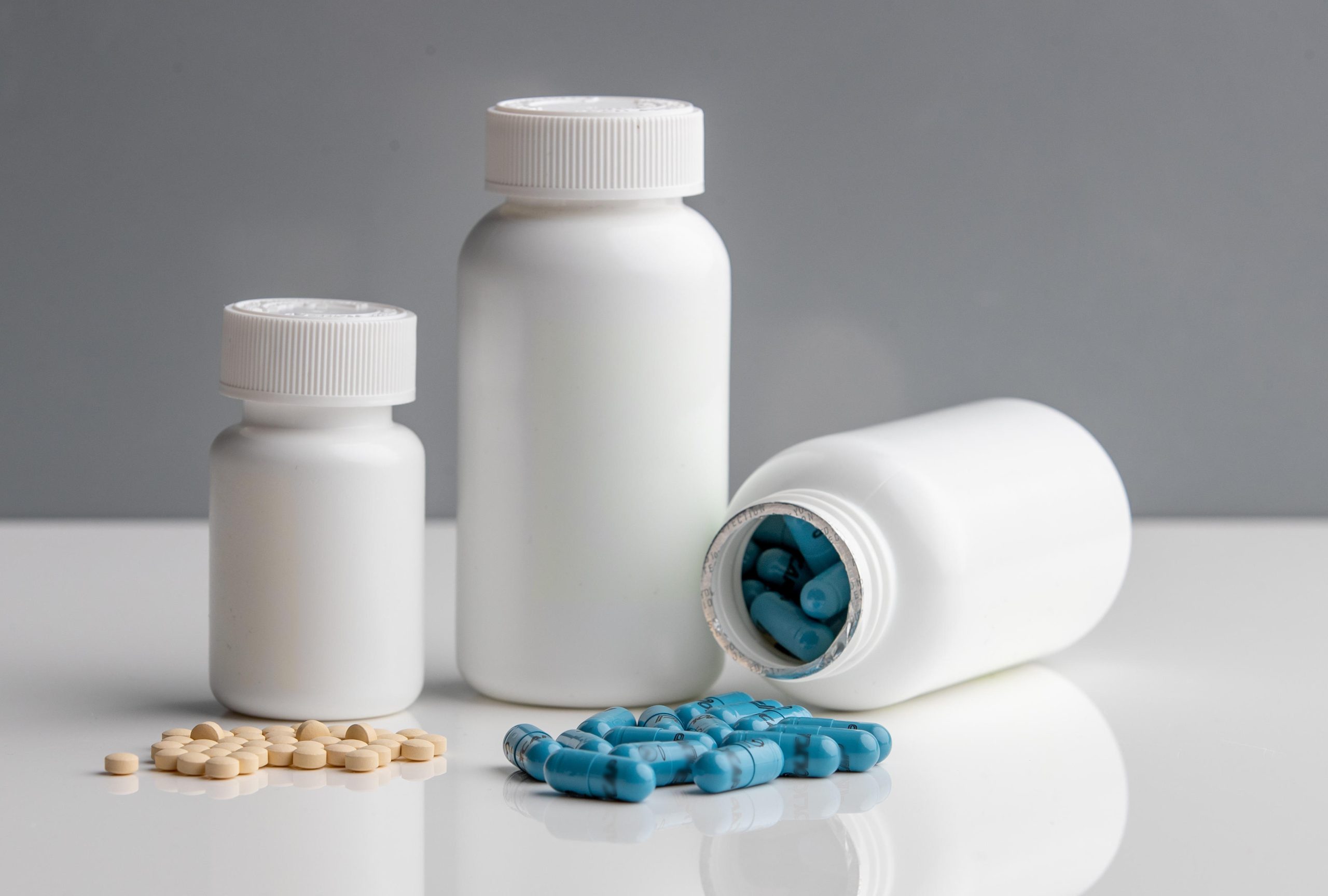
Leading cardiologist experts believe that polypills could avoid millions of premature deaths, heart attacks, and strokes.
According to two top cardiologists in a commentary published in The Lancet, global health has paid a deadly price for not broadly using simple, low-cost blood pressure-lowering drugs, statins, and aspirin in the form of a single tablet, often known as the polypill. According to their call to action, the widespread availability of polypills would significantly lower the risk of cardiovascular disease (CVD) while remaining inexpensive to the majority of people worldwide.
“Despite substantial scientific evidence of the high effectiveness, safety, and affordability of the polypill, few such combined products are available, and in the few countries where they are available, use is low,” says Professor Fausto Pinto, President of the World Heart Federation.
“This systemic failure is a global tragedy, as many premature deaths from CVD could be avoided,” says Professor Salim Yusuf, Executive Director of the Population Health Research Institute (PHRI) and Professor Emeritus of Medicine at McMaster University.
Every year, about 54 million individuals suffer from cardiovascular disease; one-third of them die as a result of CVD, with 80 percent of them residing in low- and middle-income countries.
Most heart attacks and strokes occur in patients who have never had CVD, implying that primary prevention of the first heart attack or stroke is important. Secondary prevention is also important for individuals who already have CVD, although it does not have the same impact.
“The current strategy for primary and secondary prevention of CVD has only been modestly successful in most countries, including high-income countries. Even in these countries, fewer than half of patients with prior CVD, and fewer than 20% without prior CVD, receive effective preventive treatments,” says Professor Yusuf.
Polypill: A Revolutionary Approach to Primary and Secondary Prevention
The polypill, also known as fixed-dose combination (FDC) therapy – with the combination of blood pressure lowering agents, a statin for lowering LDL cholesterol, and low-dose aspirin – was proposed in the early 2000s as a means to reduce CVD substantially and at low cost.
“The answer is now clear and resounding, with data from three independent, large, and long-term trials in primary prevention and one in secondary prevention showing its life-saving significance,” says Yusuf, whose various publications have shown that heart attacks and strokes were cut by 35 to 50 percent by using a polypill.
“It is time to use the polypill widely to save millions of lives each year,” says Professor Pinto. He and Professor Yusuf recommend the following new strategies:
- Encourage large pharmaceutical companies to invest in developing and testing polypills – in particular, newer polypills with larger blood pressure lower effects (such as combining low doses of 3 or 4 classes of drugs with statins and low doses of aspirin). Manufacturing with generic components, and marketing polypills at locally sensitive prices, would ensure affordability while maintaining profitability for the companies, thereby enhancing use by the majority of people around the world.
- Include polypills in the WHO’s Essential Medicines List, and in guidelines for both primary and secondary prevention of CVD is an important next step. “This would encourage governments and insurance companies, especially in low-income and middle-income countries to include in their formularies, and clinicians to recommend its use,” Pinto and Yusuf write.
- Combine the polypill with lifestyle advice for CVD prevention delivered by trained non-physician health workers (NPHWs) – not meant as a replacement for physicians who can use their advanced skills on managing individuals with more complex conditions – thus a combined strategy that would help many more people.
Reference: “The polypill: from concept and evidence to implementation” by Salim Yusuf and Fausto J Pinto, 12 October 2022, The Lancet.
DOI: 10.1016/S0140-6736(22)01847-5
Never miss a breakthrough: Join the SciTechDaily newsletter.
Follow us on Google and Google News.
6 Comments
Why are you so shocked that Pharmaceutical companies only make things with high profit margins. Have you seen the difference in ingredients between English Heinz Ketchup and American Heinz Ketchup? Take a look sometime.
Let’s see: fentanyl, Chinese dust filler, etc…
Yup, another ChineseNewsNetwork ad fest, billions for pharma & countless deaths… It should be called “fauxchi pills”
Let’s focus on the symptoms and not the root cause. Typical for the healthcare industry.
Scientists need to make up their minds,they recently found that statins are not effective at all.
My father was a thoracic surgeon, and did early work in the development of the cardiac pacemaker. In 1968 he told me that the world would never see a cure for cancer and other common diseases for the simple reason:”Illness is big business, there is too much money involved. Just imagine if cancer were ended tomorrow? How many thousands would be jobless? How many drug companies would be out of business?” He also said that to combat just that we would, in our lifetime, see the industrialization of medicine, and it won’t be pretty. Blast! If he wasn’t correct!
Muhammad Ali got it right. It’s what you put in your body that mainly determines your health. So do the research, adopt a sensible diet, do lots of exercise. Most important of all, minimise your exposure to toxic pollutants – not least chemical cocktails churned out by the proven criminal cartel known as Big Pharma.