
Close Menu
    Facebook X (Twitter) Instagram
    SciTechDaily
    • Biology
    • Chemistry
    • Earth
    • Health
    • Physics
    • Science
    • Space
    • Technology
    Facebook X (Twitter) Pinterest YouTube RSS
    SciTechDaily
    Home»Health»Experts Warn: Drinking Alcohol Linked to Decline in Brain Health From Cradle to Grave
    Health

    Experts Warn: Drinking Alcohol Linked to Decline in Brain Health From Cradle to Grave

    By BMJDecember 31, 20201 Comment3 Mins Read
    Facebook Twitter Pinterest Telegram LinkedIn WhatsApp Email Reddit
    Share
    Facebook Twitter LinkedIn Pinterest Telegram Email Reddit
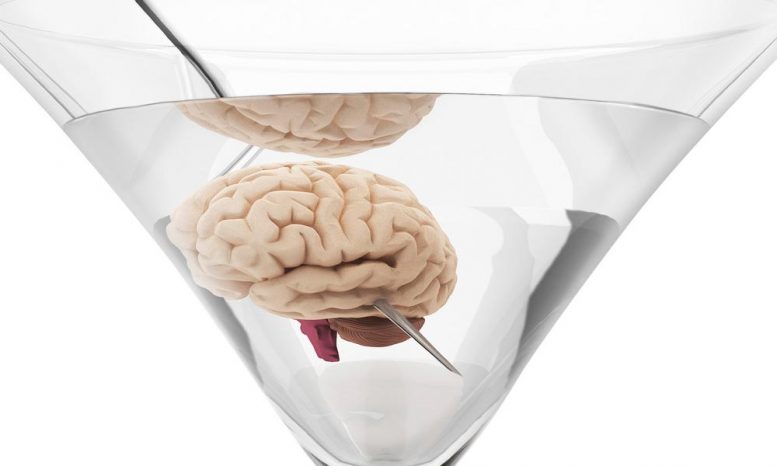
    Alcohol Brain
    Researchers highlight three critical phases of dynamic brain changes vulnerable to alcohol’s harmful effects: gestation (from conception to birth), later adolescence (15-19 years), and older adulthood (over 65 years).

    Harm prevention policies must take the long view, say experts.

    The evidence for the harmful effects of alcohol on brain health is compelling, but now experts have pinpointed three key time periods in life when the effects of alcohol are likely to be at their greatest.

    Writing in The BMJ in December 2020, researchers in Australia and the UK say evidence suggests three periods of dynamic brain changes that may be particularly sensitive to the harmful effects of alcohol: gestation (from conception to birth), later adolescence (15-19 years), and older adulthood (over 65 years).

    They warn that these key periods “could increase sensitivity to the effects of environmental exposures such as alcohol” and say harm prevention policies “must take the long view.”

    Globally, around 10% of pregnant women consume alcohol, with the rates considerably higher in European countries than the global average, they write.

    Heavy alcohol use during pregnancy can cause fetal alcohol spectrum disorder, associated with widespread reductions in brain volume and cognitive impairment. But data suggest that even low or moderate alcohol consumption during pregnancy is significantly associated with poorer psychological and behavioral outcomes in offspring.

    In terms of adolescence, more than 20% of 15-19-year-olds in European and other high-income countries report at least occasional binge drinking (defined as 60 g of ethanol on a single occasion), they add.

    Studies indicate that the transition to binge drinking in adolescence is associated with reduced brain volume, poorer white matter development (critical for efficient brain functioning), and small to moderate deficits in a range of cognitive functions.

    And in older people, alcohol use disorders were recently shown to be one of the strongest modifiable risk factors for all types of dementia (particularly early onset) compared with other established risk factors such as high blood pressure and smoking.

    Although alcohol use disorders are relatively rare in older adults, the authors point out that even moderate drinking has been shown to be linked to a small but significant loss of brain volume in midlife, although further studies are needed to test whether these structural changes translate into functional impairment.

    Furthermore, demographic trends may compound the effect of alcohol use on brain health, they write. For example, women are now just as likely as men to drink alcohol and experience alcohol related harms, and global consumption is forecast to rise further in the next decade.

    The effects of the COVID-19 pandemic on alcohol use and related harms are unclear, but alcohol use increased in the long term after other major public health crises, they add.

    As such, they call for an integrated approach to harm reduction at all ages.

    “Population-based interventions such as guidelines on low-risk drinking, alcohol pricing policies, and lower drink driving limits need to be accompanied by the development of training and care pathways that consider the human brain at risk throughout life,” they conclude.

    Reference: “Lifetime perspective on alcohol and brain health” by Louise Mewton, Briana Lees and Rahul Tony Rao, 4 December 2020, BMJ.
    DOI: 10.1136/bmj.m4691

    Never miss a breakthrough: Join the SciTechDaily newsletter.
    Follow us on Google and Google News.

    Alcohol BMJ Brain
    Share. Facebook Twitter Pinterest LinkedIn Email Reddit

    Related Articles

    Even Moderate Drinking Found To Be Linked to Brain Changes and Cognitive Decline

    Gene Editing a “Factory Reset” for the Brain To Cure Anxiety and Excessive Drinking

    More Alcohol, Less Brain: Association Begins With an Average of Just One Drink a Day

    MRI Reveals Significantly Altered Brain Structure in Fetuses Exposed to Alcohol

    Protein Pathways: Mentally Stimulating Jobs Linked to Lower Risk of Dementia in Old Age

    Drinking Alcohol Blocks a Chemical in the Brain That Promotes Attention

    Alcohol Consumption Is Regulated by Particular Set of Neurons in Specific Brain Region

    Does Drinking Alcohol Literally Shrink the Brain?

    Move to Plant-Based Diets Risks Worsening Brain Health Nutrient Deficiency

    1 Comment

    1. J. Leslie on October 11, 2025 9:52 pm

      thanks fo’ da info

      Reply
    Leave A Reply Cancel Reply

    • Facebook
    • Twitter
    • Pinterest
    • YouTube

    Don't Miss a Discovery

    Subscribe for the Latest in Science & Tech!

    Trending News

    Textbooks May Need Rewriting After Researchers Debunk a Core Chemistry Concept

    Alzheimer’s May Start With a Surprising Symptom – Not Memory Loss

    The “Hobbits” Mysteriously Disappeared 50,000 Years Ago – Scientists Have Revealed What Happened to Their Home

    One Sugar Tells Your Brain You’re Full. Another Barely Does

    One of Arizona’s Largest Reservoirs Is Less Than 1% Full After Snowpack Collapse

    This 400-Year-Old Shark May Hold the Secret to Preserving Human Vision

    Your Daily Orange Juice Could Have an Unexpected Health Benefit

    Black Hole Shredded a Massive Star in the Most Powerful Stellar Explosion Ever Seen

    Follow SciTechDaily
    • Facebook
    • Twitter
    • YouTube
    • Pinterest
    • Newsletter
    • RSS
    SciTech News
    • Biology News
    • Chemistry News
    • Earth News
    • Health News
    • Physics News
    • Science News
    • Space News
    • Technology News
    Recent Posts
    • 567-Million-Year-Old Fossils Suggest Animals Evolved Earlier Than We Thought
    • Scientists Discover a 5-Million-Year-Old Whale Graveyard Deep Beneath the Indian Ocean
    • Ancient DNA Reveals the Hidden Origins of China’s Mysterious Shimao Civilization
    • Scientists Finally Solve a 50-Year Mystery Hidden in Solid Nitrogen
    • Saturn’s Largest Moon May Hold the Resources for a Space Colony
    Copyright © 1998 - 2026 SciTechDaily. All Rights Reserved.
    • Science News
    • About
    • Contact
    • Editorial Board
    • Privacy Policy
    • Terms of Use

    Type above and press Enter to search. Press Esc to cancel.