
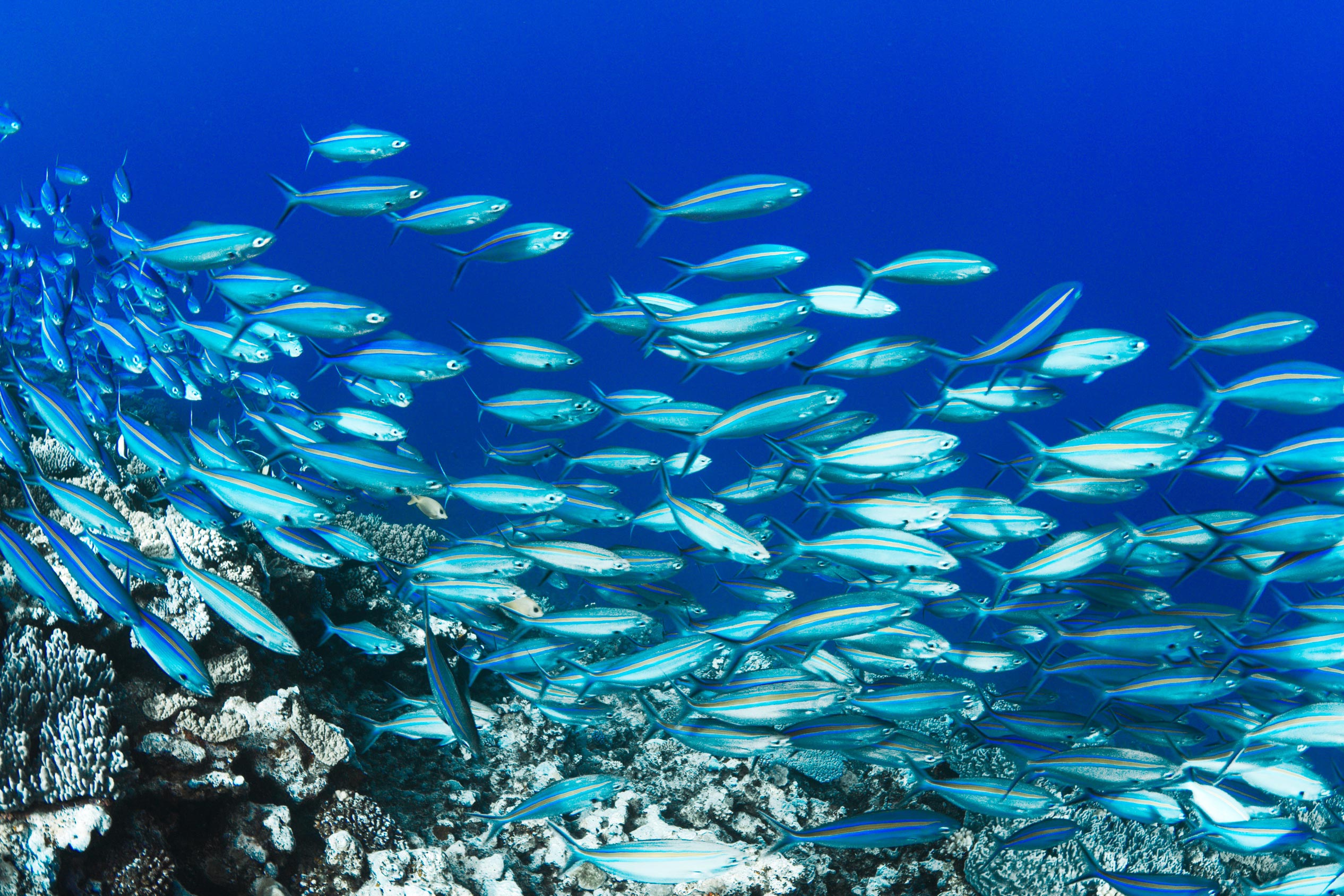
University of Hawai’i researchers introduced a Fish Flow map, merging various scientific fields to trace ocean fish lifecycles and support sustainable fisheries, emphasizing the need for community-focused management and conservation.
Recent breakthroughs in multiple fields of study now allow researchers to follow the entire life cycle of ocean fishes—from when and where they are spawned, to where they disperse and grow, to when and where they are captured, transported, and eaten.
A recently published study led by University of Hawai‘i (UH) at Manoa researchers brought together experts from the fields of oceanography, genetics, ecology, fisheries biology, and social sciences to develop unprecedented insights into the natural and commercial flow of fish.
“We believe that Fish Flow analyses will promote sustainable fisheries management and marine conservation efforts, and may foster public knowledge, wise seafood choices, and appreciation of social–ecological interconnections involving fisheries,” said Mark Hixon, lead author of the study and professor and Hsiao Endowed Chair of Marine Biology at the UH Manoa School of Life Sciences.
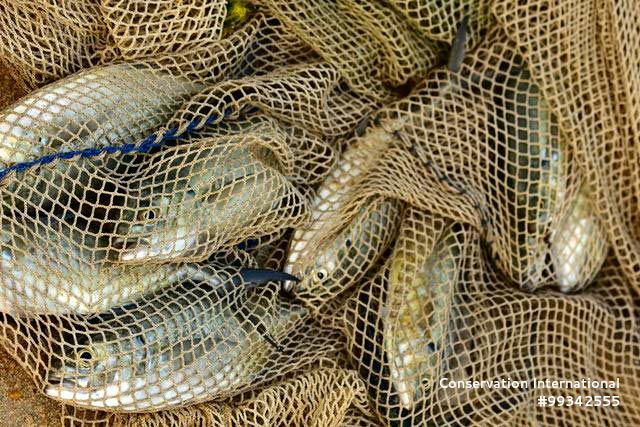
Fish Flow: A New Tool for Marine Management
Most ocean species that are exploited by humans live in “stocks,” or groups of isolated local populations, which have proven difficult to delineate and study.
Hixon and co-authors from the UH Manoa School of Ocean and Earth Science and Technology (SOEST) and Conservation International combined their expertise and applied recent breakthroughs in their respective fields to develop the first Fish Flow map on the Island of Hawai‘i.
Their findings indicate that the northern and southern portions of the island are intricately linked by larval dispersal and catch distribution, a discovery that highlights the importance of an inclusive approach to management and conservation of coral reefs in the region.
“From a fisheries management perspective, our work shows that the resource base for these fisheries is vital for the food security of local communities, which further emphasizes the importance of community-based fishery management,” said Jack Kittinger, study co-author and director of Conservation International Hawai‘i.
At the Frontiers of Five Disciplines
Researchers specializing in oceanography, genetics, ecology, fisheries biology, and social sciences, each working at the frontier of their respective disciples, were needed for this study.
For example, SOEST oceanographers rely on cutting-edge computer models that take into account biological and physical factors in ever higher resolution, allowing researchers to predict patterns of larval dispersal. Additionally, using advanced genomic techniques, tiny tissue samples from fish now reveal the spawning and settlement locations of adult fish and their offspring.
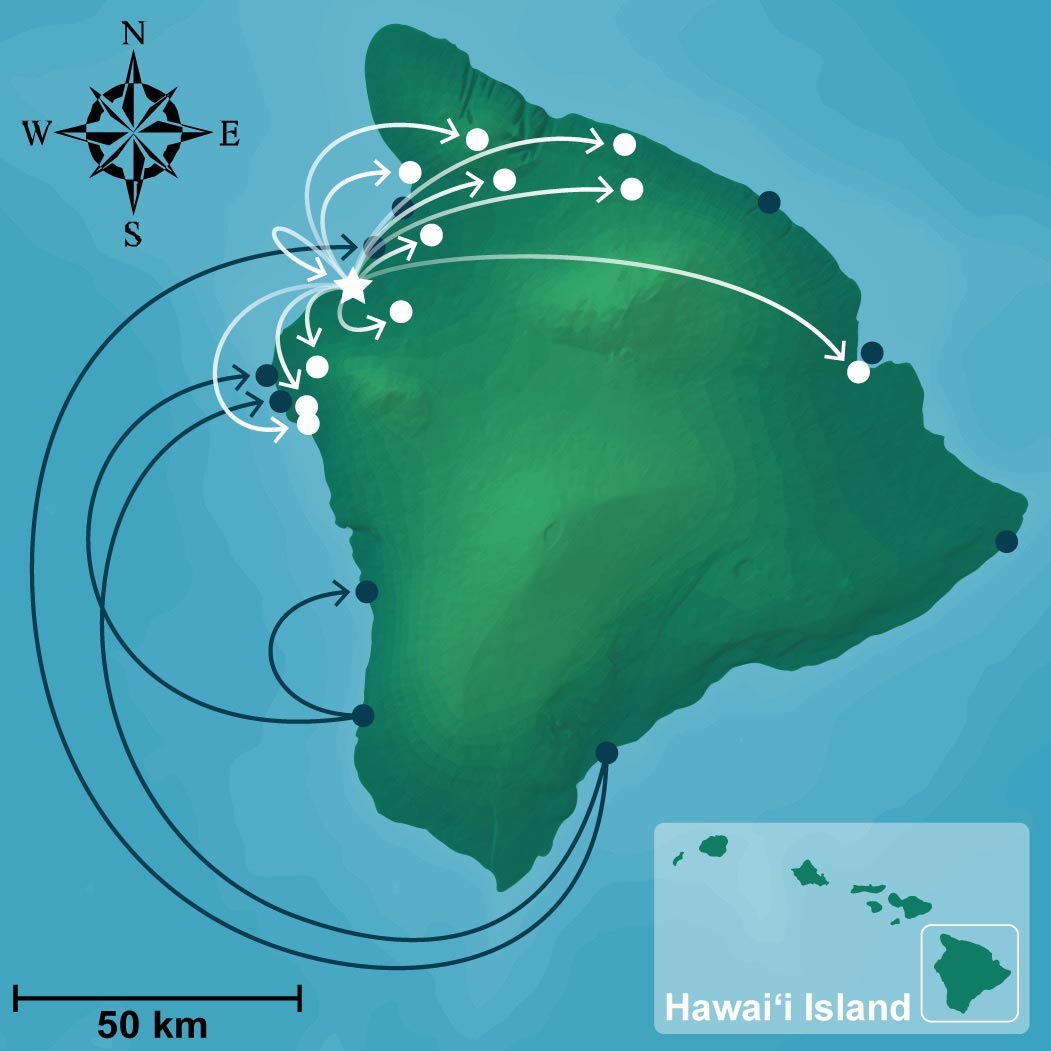
“The development of Fish Flow maps will better inform consumers and assist resource managers in linking fisheries and conservation policies with natural borders and pathways, including stock boundaries, networks of marine protected areas, and fisheries management areas,” said Hixon.
“These Fish Flow maps will help to ensure that everyone – from local community members to resource managers and policymakers – understand and appreciate how clearly connected and dependent humans are on seafood produced in various, and sometimes very distant, regions of the ocean,” added Kittinger.
Future Directions in Fishery Conservation
The researchers aim to secure funding for a full Fish Flow analysis of the ecologically and economically important fish species in Hawai‘i. That effort is envisioned to culminate in web-based, interactive “Fish Flow” maps depicting the many connections and interdependencies between marine ecosystems and human communities.
Reference: “Fish Flow: following fisheries from spawning to supper” by Mark A Hixon, Brian W Bowen, Richard R Coleman, Chelsie W Counsell, Megan J Donahue, Erik C Franklin, John N Kittinger, Margaret A McManus and Robert J Toonen, 16 December 2021, Frontiers in Ecology and the Environment.
DOI: 10.1002/fee.2449
Funding: Harold K.L. Castle Foundation
Never miss a breakthrough: Join the SciTechDaily newsletter.
Follow us on Google and Google News.