
Research findings may enhance regulated application in neuropsychiatric conditions.
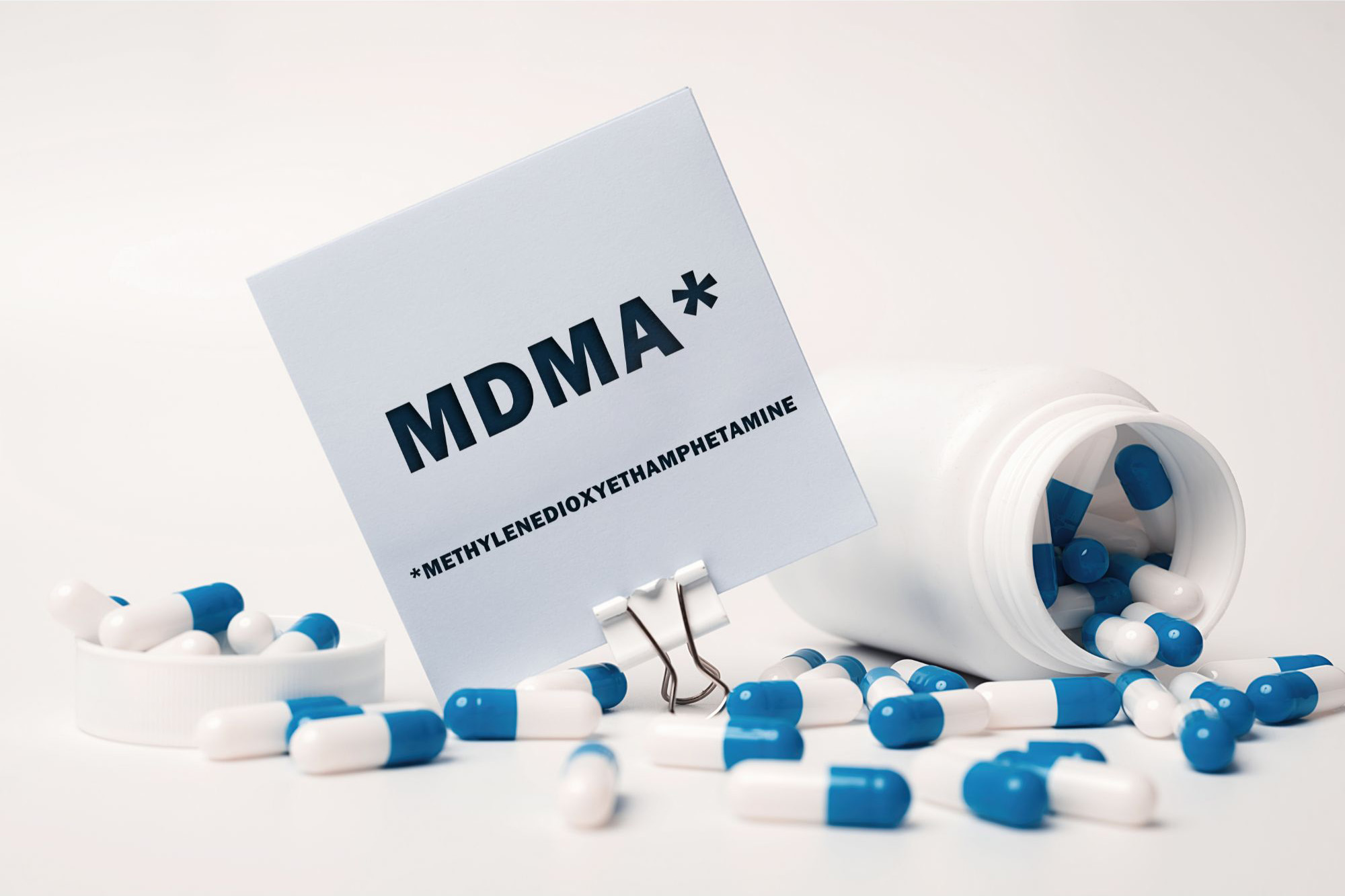
The global conversation around using 3,4-methylenedioxy-N-methylamphetamine (MDMA), popularly known as “ecstasy,” in psychotherapy for mental illnesses like post-traumatic stress disorder is gaining momentum. Despite clinical trials exploring its therapeutic potential, only Australia and New Zealand have approved and regulated its controlled use by professionals, citing potential risks and side effects.
An international research team led by MedUni Vienna has now identified three new variants of MDMA as promising alternatives for safer use in a controlled psychotherapeutic setting as part of a study. The results were recently published in the Journal of Neurochemistry.
The currently developed MDMA variants (ODMA, TDMA and SeDMA) have been modified by the researchers in such a way that the positive effects are retained and the negative effects are reduced. As the studies carried out on human cell cultures by Harald Sitte’s team from MedUni Vienna’s Center for Physiology and Pharmacology show, the new chemical compounds have a similar effect to MDMA on the relevant clinical target structures in the brain (such as serotonin, dopamine, and noradrenaline transporters), which are crucial for regulating mood and emotion.
In contrast to MDMA, however, the new substances have lower activity at certain serotonin receptors and are also broken down more favorably, resulting in fewer toxic breakdown products: “This allows the conclusion that both the acute and long-term side effects of ODMA, TDMA, and SeDMA may be lower than those of the conventional substance,” explains study leader Harald Sitte. “Since the MDMA analogs also have a weaker interaction with certain transport proteins in the body that are responsible for the absorption and excretion of drugs, the risk of interactions with other drugs could also be reduced,” adds the first author of the study, Ana Sofia Alberto-Silva from MedUni Vienna’s Center for Physiology and Pharmacology.
Further studies needed
The psychoactive substance MDMA (3,4-methylenedioxy-N-methylamphetamine) has been known as the party drug “ecstasy” since the 1980s – although the first patent for the substance was granted back in 1912. Due to its effect of promoting positive emotions and increasing interpersonal empathy, research in recent years has focused on the potential of MDMA to support psychotherapy for various mental illnesses. However, possible risks and side effects (tachycardia, high blood pressure, liver and nerve damage) have so far been an obstacle to its widespread therapeutic use.
The MDMA analogs currently identified may provide promising alternatives: “Our experimental results showed that the new variants can retain the therapeutic potential of the conventional substance, but are likely to cause fewer side effects.” Harald Sitte summarizes the significance of the results: “This could advance the controlled use of psychoactive substances in neuropsychiatric illness.” At the same time, the psychopharmacologist and addiction researcher emphasizes the need for further studies to comprehensively test the efficacy and safety of MDMA variants for use in a psychotherapeutic setting, for example in the treatment of post-traumatic stress disorder.
Reference: “Bioisosteric analogs of MDMA: Improving the pharmacological profile?” by Ana Sofia Alberto-Silva, Selina Hemmer, Hailey A. Bock, Leticia Alves da Silva, Kenneth R. Scott, Nina Kastner, Manan Bhatt, Marco Niello, Kathrin Jäntsch, Oliver Kudlacek, Elena Bossi, Thomas Stockner, Markus R. Meyer, John D. McCorvy, Simon D. Brandt, Pierce Kavanagh and Harald H. Sitte, 19 June 2024, Journal of Neurochemistry.
DOI: 10.1111/jnc.16149
Never miss a breakthrough: Join the SciTechDaily newsletter.
Follow us on Google and Google News.