
Case study highlights added danger of illicit fentanyl, especially to first-time users.
The man arrived unconscious and near death.
Previously healthy with no known medical history, the 47-year-old arrived by ambulance to the emergency department at Oregon Health & Science University on February 25, 2023. He was found collapsed in his hotel room, where he was staying during a business trip. As clinicians began administering life-saving treatment, they searched for the cause.
Unprecedented Diagnosis
In a case report published online today (April 29, 2024) in the journal BMJ Case Reports, clinicians laid out the surprising and unprecedented diagnosis: toxic leukoencephalopathy by fentanyl inhalation.
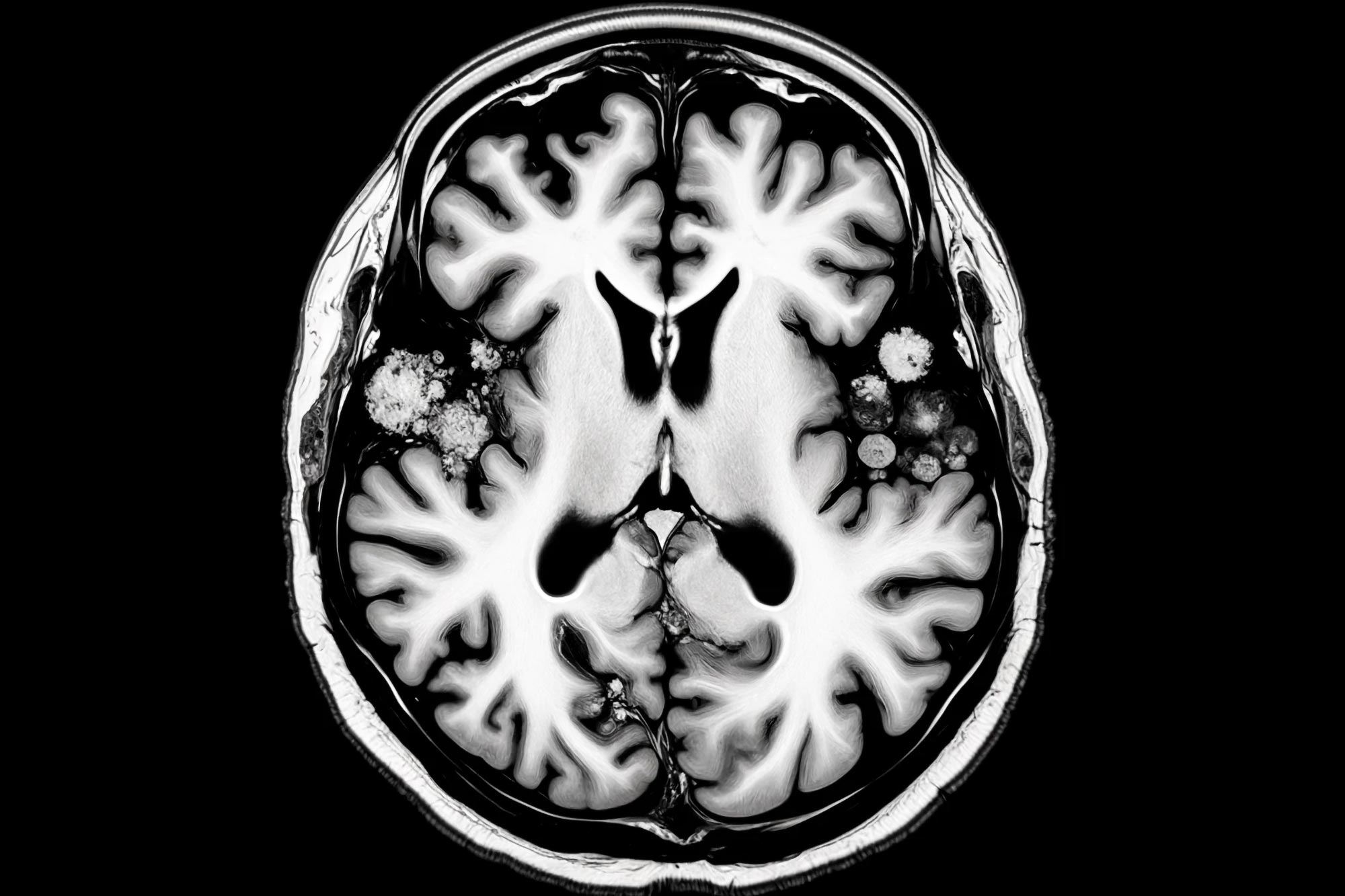
In other words, inhaling fentanyl caused large sections of white matter in the patient’s brain to become inflamed to the point where he had lost consciousness and risked irreversible loss of brain function, or possibly death.
Medical experts had documented previous cases caused by inhaling heroin, but the OHSU patient is believed to be the first documented case involving inhalation of illicit fentanyl. The lead author of the study says it should be taken as a warning about the danger of a substance that is cheap, readily available, and 50 times more potent than heroin.
Societal Impact and Awareness
“Opioid use, especially fentanyl, has become very stigmatized,” said lead author Chris Eden, M.D., now a second-year resident in internal medicine in the OHSU School of Medicine who was part of the patient’s treatment team. “This is a case of a middle-class man, in his late 40s, with kids, who used fentanyl for the first time. It demonstrates that fentanyl can affect everyone in our society.”
Although this is the first documented case, Eden said it’s likely other cases simply weren’t recognized due in part to the fact that relatively little is known about the syndrome’s physiology. In addition, he said hospitals haven’t traditionally included fentanyl in their standard urinalysis drug screens.
At the same time, fatal and nonfatal overdoses due to fentanyl and other opioids are all too common.
“We know very well the classic opiate side effects: respiratory depression, loss of consciousness, disorientation,” Eden noted. “But we don’t classically think of it causing possibly irreversible brain damage and affecting the brain, as it did in this case.”
Magnetic resonance imaging revealed inflammation in the brain. However, the patient’s lingering loss of consciousness, memory and function could have been due to any number of causes — stroke, carbon monoxide exposure or metabolic disease among them. Ultimately, a nonstandard drug test revealed the presence of fentanyl in his system.
Slow Recovery
Fortunately for the patient, he slowly recovered after 26 days in the hospital, followed by a stay in a skilled nursing facility to help regain his speech and function. He is now home with his family in the Seattle area and back to work. To this day, he has no memory of the episode.
The successful outcome involved wraparound treatment with numerous clinicians and support at Oregon’s academic health center and single largest hospital, all operating with a patient-centered approach.
“This case involved internal medicine, neurology, neuroradiology, and palliative care physicians, in addition to nurses, social workers, discharge planners, physical therapists, dieticians, and pharmacists,” Eden said. “I’m proud of these multidisciplinary teams at OHSU working together to take care of complex patients, both from a medical and social perspective.”
Personal Reflections
Today’s publication in BMJ Case Reports also includes a perspective from the patient.
“I have regrets often about what I did to myself, my wife, and my family,” he said. “I’m grateful to all the doctors, nurses, and EMTs who saved my life, and the therapists who got me back to a functioning member of society.”
Reference: “Clinical and neuroradiographic features of fentanyl inhalation-induced leukoencephalopathy” by Christopher O Eden, Duna S Alkhalaileh, David R Pettersson, Alan J Hunter and Asad H Arastu, 1 April 2024, BMJ Case Reports CP.
DOI: 10.1136/bcr-2023-258395
In addition to Eden, co-authors include Duna Alkhalaileh, D.O., M.P.H., David Pettersson, M.D., and Alan Hunter M.D., of OHSU; and Asad Arastu, M.D., previously of OHSU and now with Penn Medicine.
Never miss a breakthrough: Join the SciTechDaily newsletter.
Follow us on Google and Google News.