
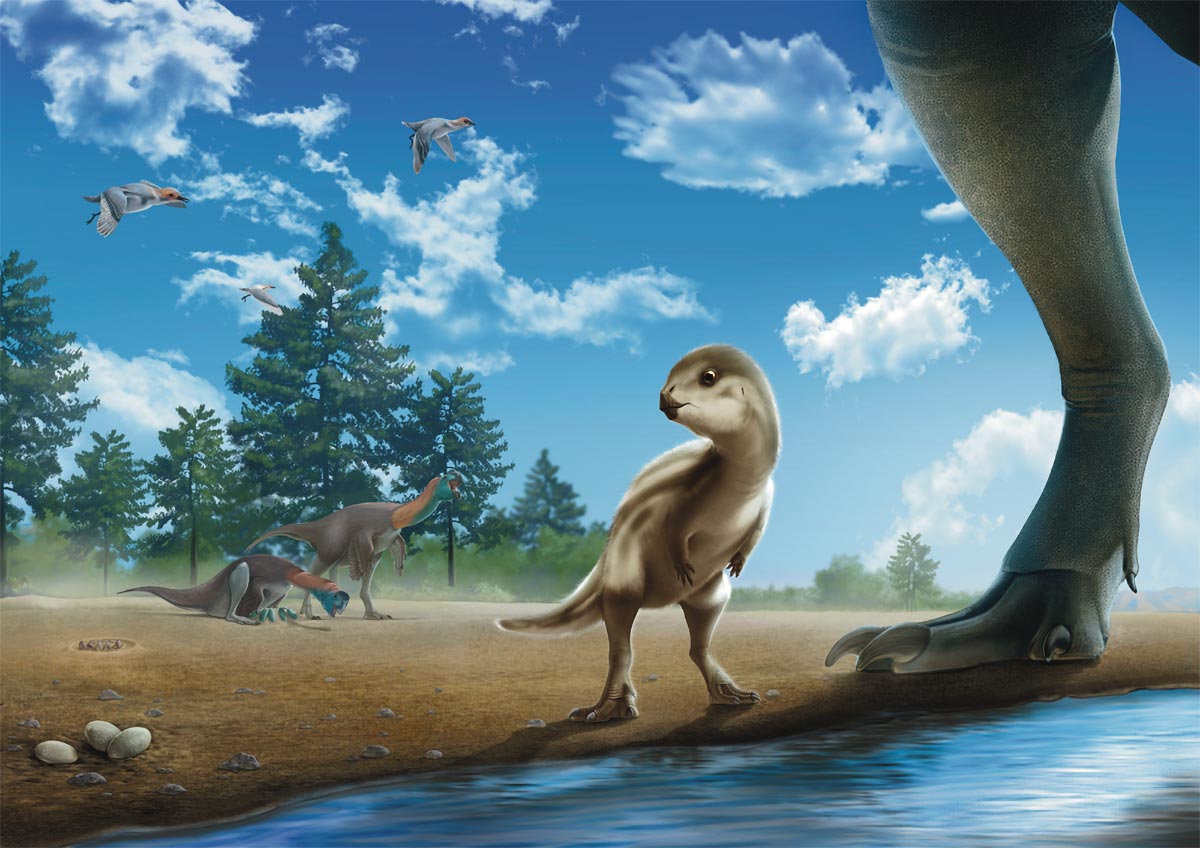
Scientists discovered Doolysaurus, a baby dinosaur from Korea revealed through CT scanning. The fossil shows a small, likely fuzzy omnivore and suggests more hidden dinosaur remains in the region.
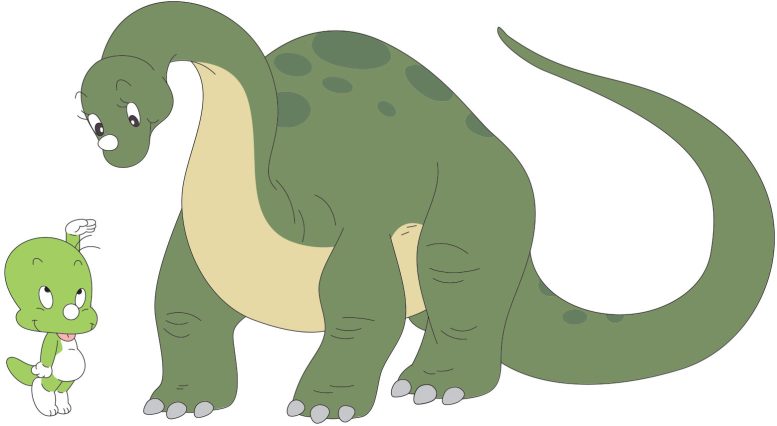
In South Korea, a mischievous green cartoon dinosaur named Dooly, known for the two small tufts of hair on his head, is one of the most beloved cartoon characters.
When researchers from the University of Texas at Austin and the Korean Dinosaur Research Center uncovered a new juvenile dinosaur species on Aphae Island, they chose a fitting name: Doolysaurus.
“Dooly is one of the very famous, iconic dinosaur characters in Korea. Every generation in Korea knows this character,” said Jongyun Jung, a visiting postdoctoral researcher at UT’s Jackson School of Geosciences who led the research. “And our specimen is also a juvenile, or ‘baby,’ so it’s perfect for our dinosaur species name to honor Dooly.”
First Korean Dinosaur Discovery in 15 Years
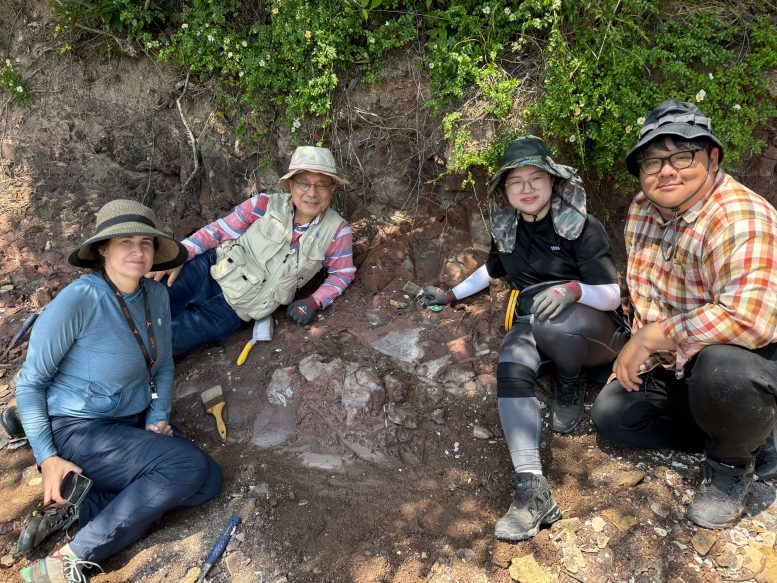
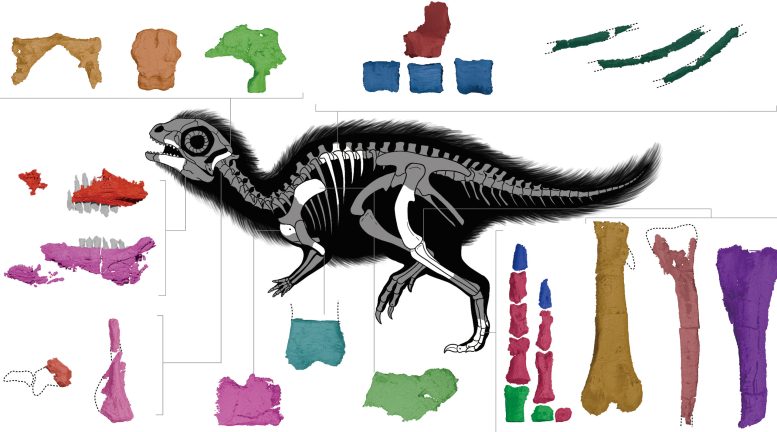
This find marks the first new dinosaur species identified in South Korea in 15 years and the first fossil from the country to include parts of a skull. Those skull elements were revealed through a scientific micro-CT scan at the University of Texas High-Resolution X-ray Computed Tomography (UTCT) facility.
“When we first found the specimen, we saw some leg bones preserved and some vertebrae,” Jung said. “We didn’t expect skull parts and so many more bones. There was a fair amount of excitement when we saw what was hidden inside the block.”
The research describing Doolysaurus huhmini was published in the journal Fossil Record on March 19. The species name huhmini honors Korean paleontologist Min Huh, who has spent more than 30 years studying dinosaurs in Korea, founded the dinosaur research center, and worked with UNESCO to protect fossil sites. The fossil itself was discovered in 2023 by co-author Hyemin Jo.
A Young, Turkey-Sized Dinosaur With Fuzzy Traits
The specimen is estimated to have been about two years old at the time of death and still growing. It was roughly the size of a turkey, while adults may have reached about twice that size. Researchers believe it may have been covered in fine, fuzzy filaments.
“I think it would have been pretty cute,” said study co-author Julia Clarke, a professor at the Jackson School. “It might have looked a bit like a little lamb.”
Much of the fossil remains embedded in hard rock, a process that can take nearly a decade to remove by hand. However, micro-CT scanning allowed scientists to visualize the entire fossil in just a few months. Jung, Clarke, and their colleagues then spent over a year studying its anatomy. Clarke noted that CT scanning has become essential for examining delicate fossils, including birds and small non-avian dinosaurs preserved in dense rock.
Advanced CT Scanning Reveals Hidden Fossil Details
Doolysaurus lived about 113-94 million years ago during the mid-Cretaceous period. Based on its skeletal features, researchers classified it as a thescelosaurid, a group of bipedal dinosaurs found in East Asia and North America that may have had fuzzy coverings. Growth markers in a thin slice of femur bone confirmed that the specimen was a juvenile.
The fossil also contained dozens of gastroliths, small stones swallowed to aid digestion. These suggest the dinosaur ate a varied diet that included plants, insects, and small animals. Their presence also prompted researchers to investigate further. Because gastroliths are lightweight and easily displaced, their intact arrangement hinted that more of the skeleton might still be preserved inside the rock.
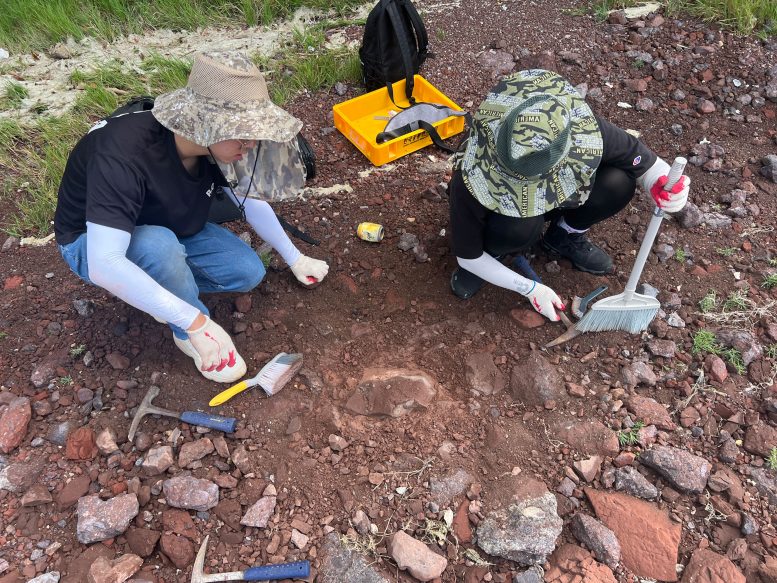
“A little cluster of stomach stones, with two leg bones sticking out, indicates that the animal was not fully pulled apart before it has hit the fossil record,” Clarke said. “So, I encouraged [Jung and co-authors Minguk Kim and Hyemin Jo] to visit Texas and the UTCT, to try scanning the fossil.”
Future Discoveries and Korea’s Fossil Potential
Kim and Jo are now applying CT scanning techniques they learned at the Jackson School to study additional fossils in Korea. Jung also plans to return to Aphae Island to search for more specimens. While South Korea is well known for fossilized dinosaur tracks, nests, and eggs, complete skeletal remains are relatively rare.
Jung believes more fossils like Doolysaurus may still be hidden within rock layers. He hopes that continued use of micro-CT scanning will lead to further discoveries.
“We’re expecting some new dinosaur or other egg fossils to come from Aphae and other small islands,” he said.
Reference: “A new dinosaur species from Korea and its implications for early-diverging neornithischian diversity” by Jongyun Jung, Minguk Kim, Hyemin Jo and Julia A. Clarke, 19 March 2026, Fossil Record.
DOI: 10.3897/fr.29.178152
Never miss a breakthrough: Join the SciTechDaily newsletter.
Follow us on Google and Google News.
1 Comment
Wonder pets save the dinosaur