
Close Menu
    Facebook X (Twitter) Instagram
    SciTechDaily
    • Biology
    • Chemistry
    • Earth
    • Health
    • Physics
    • Science
    • Space
    • Technology
    Facebook X (Twitter) Pinterest YouTube RSS
    SciTechDaily
    Home»Health»Found in Plastic, Cosmetics, and More: New Study Links Everyday Chemicals to Increased Risk of Cancer
    Health

    Found in Plastic, Cosmetics, and More: New Study Links Everyday Chemicals to Increased Risk of Cancer

    By University of GranadaApril 20, 20242 Comments3 Mins Read
    Facebook Twitter Pinterest Telegram LinkedIn WhatsApp Email Reddit
    Share
    Facebook Twitter LinkedIn Pinterest Telegram Email Reddit
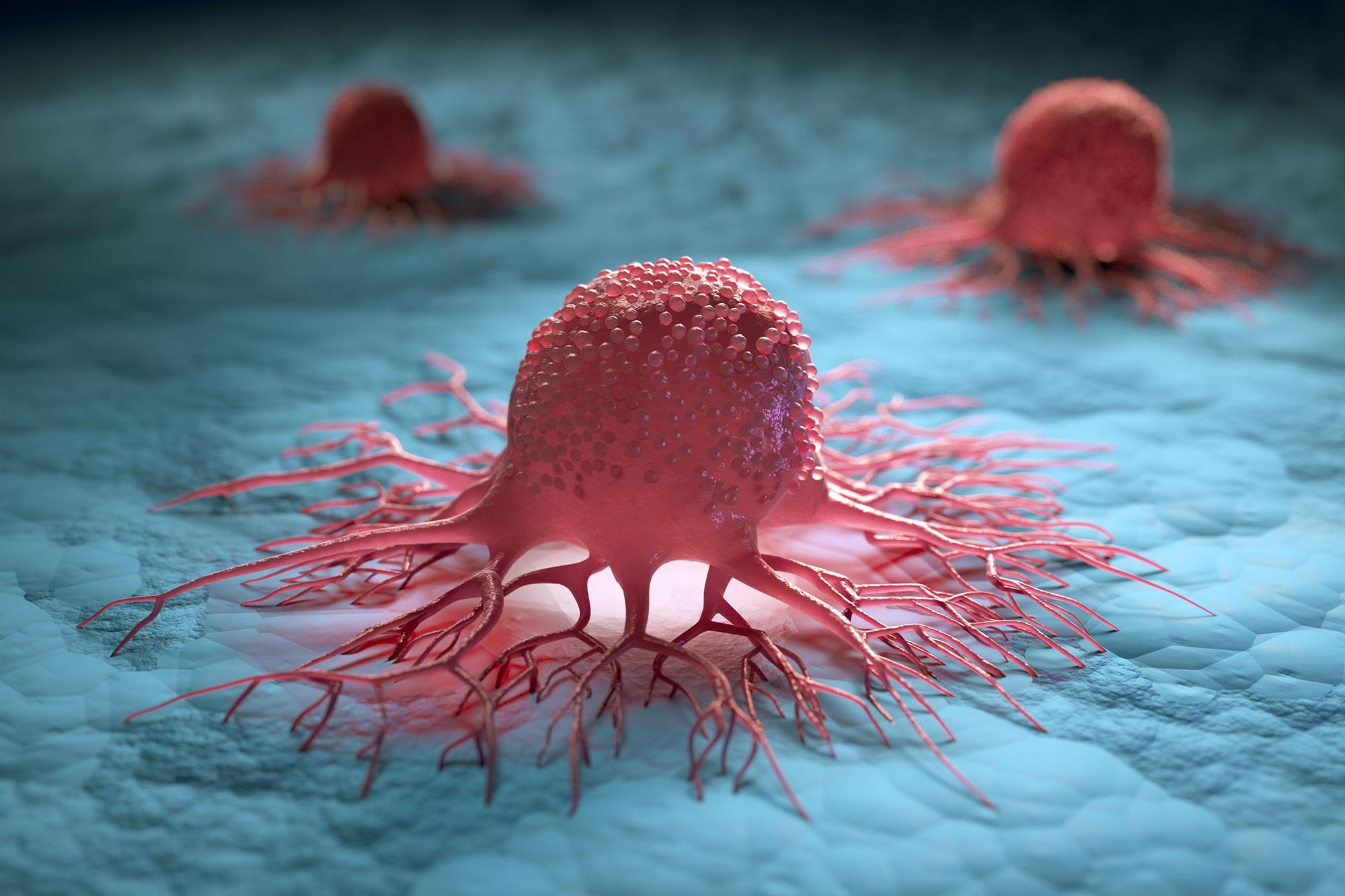
    Cancer Cells Illustration
    Endocrine disruptors are chemicals that can interfere with hormone systems at certain doses, affecting bodily functions and health. Commonly found in pesticides, plastics, cosmetics, and industrial chemicals, they infiltrate our daily lives through products like packaged foods, personal care items, and household cleaners.

    A study published in the journal Environmental Health Perspectives involving the University of Granada (UGR), IDIBELL, the Catalan Institute of Oncology, and the Biohealth Research Institute in Granada (ibs.GRANADA) has found a connection between environmental pollutants and endometrial cancer. This collaborative research included contributions from experts at Bellvitge University Hospital and the Biomedical Research Networking Center for Epidemiology and Public Health (CIBERESP).

    Endometrial cancer is a type of tumor that develops on the inner lining of the uterus. It accounts for more than 5,000 new cases of cancer in Spain each year and has a major impact on women’s health. Moreover, the incidence of this type of cancer is increasing, partly due to population ageing. As it is a hormone-dependent cancer, estrogens can play a role in its development and progression.

    Study Focus and Methodology

    The study examined the relationship between endometrial cancer and exposure to mixtures of environmental pollutants that can disrupt hormone function. This class of chemicals, also known as endocrine disruptors, act as xenoestrogens and are found in many industrial products, including pesticides and herbicides, as well as in cosmetics and other everyday consumer products.

    Using advanced chemical analysis techniques and biological testing, the researchers assessed the total hormonal burden in the blood of more than 300 women with and without endometrial cancer. “The use of these biological tests helps us understand the negative impact of chemical mixtures,” explains Marieta Fernández, a UGR professor and researcher at the Biohealth Research Institute in Granada (ibs.GRANADA) and CIBERESP.

    The results show a link between exposure to endocrine disruptors and an increased risk of developing endometrial cancer. “Interestingly, we saw the effect with moderate doses of xenoestrogens, but not with high doses, similar to what was observed with endogenous hormones,” adds Laura Costas, a researcher at IDIBELL and the Catalan Institute of Oncology.

    “Since this is a hormone-dependent cancer, this relationship is probably linked to the nature of the tumor itself. Therefore, we also want to study whether the presence of xenoestrogens leads to a worse pathological evolution in women who already have the disease,” says Costas, who is also a researcher at CIBERESP.

    The research sheds light on the negative impact of endocrine disruptors on human health and has significant implications for public health. It also highlights the need to consider the combined effects of chemical mixtures when assessing environmental risk.

    Reference: “Total Effective Xenoestrogen Burden in Serum Samples and Risk of Endometrial Cancer in the Spanish Screenwide Case–Control Study” by Laura Costas, Jon Frias-Gomez, Francisco M. Peinado, Jose Manuel Molina-Molina, Paula Peremiquel-Trillas, Sonia Paytubi, Marta Crous-Bou, Javier de Francisco, Victor Caño, Yolanda Benavente, Beatriz Pelegrina, José Manuel Martínez, Marta Pineda, Joan Brunet, Xavier Matias-Guiu, Silvia de Sanjosé, Jordi Ponce, Nicolás Olea, Laia Alemany and Mariana F. Fernández, 28 February 2024, Environmental Health Perspectives.
    DOI: 10.1289/EHP13202

    Never miss a breakthrough: Join the SciTechDaily newsletter.
    Follow us on Google and Google News.

    Cancer Popular Public Health
    Share. Facebook Twitter Pinterest LinkedIn Email Reddit

    Related Articles

    Scientists Discover Cancer-Causing Chemicals in Common Personal Care Products

    DNA “Time Bomb” – Common Childhood Bacteria Linked To Surge in Early-Onset Colorectal Cancer

    Fat in Common Cooking Oils Linked to Aggressive Breast Cancer

    Colorectal Cancer Is on the Rise: Mayo Clinic Doctor Reveals 4 Keys Symptoms You Should Know

    Concerning New Research Links Tattoo Ink to Increased Cancer Risk

    Drinking Coffee Every Day Could Reduce Your Risk of Cancer

    Drinking White Wine Could Be Increasing Your Risk of Cancer

    Scientists Discover How Aspirin Could Halt Cancer Spread

    Too Much Salt? Why Even “Healthy” Eaters Are at Risk for Stomach Cancer

    2 Comments

    1. Сергей on April 20, 2024 8:58 am

      Такие и подобные статьи, которые можно приурочить к управлению биорисками, нужны как воздух!!! Нужны исследования и статистика влияния биоцидов отдельно на здоровье женщин и детей.

      Reply
    2. Сергей on April 20, 2024 9:00 am

      Перевод первого предложения не правильный (не предметы, а статьи).

      Reply
    Leave A Reply Cancel Reply

    • Facebook
    • Twitter
    • Pinterest
    • YouTube

    Don't Miss a Discovery

    Subscribe for the Latest in Science & Tech!

    Trending News

    Scientists Discover Stem Cells That Could Regrow Teeth and Bone

    Early Cannabis Use May Stall Key Brain Skills in Teens

    Popular Vitamin D Supplement Has “Previously Unknown” Negative Effect, Study Finds

    Study Reveals Malaria’s Hidden Role in Human Evolution

    The Hidden Risk of Taking Breaks From Weight-Loss Drugs Like Ozempic

    Scientists Warn That This Common Pet Fish Can Wreck Entire Ecosystems

    Scientists Make Breakthrough in Turning Plastic Trash Into Clean Fuel Using Sunlight

    This Popular Supplement May Interfere With Cancer Treatment, Scientists Warn

    Follow SciTechDaily
    • Facebook
    • Twitter
    • YouTube
    • Pinterest
    • Newsletter
    • RSS
    SciTech News
    • Biology News
    • Chemistry News
    • Earth News
    • Health News
    • Physics News
    • Science News
    • Space News
    • Technology News
    Recent Posts
    • A Simple Molecule Could Unlock Safer, Easier Weight Loss
    • Stretching Diamonds Unlocks Powerful New Quantum Sensing Abilities
    • This Robot Could Explore Mars 3x Faster Than Today’s Rovers
    • Scientists Just Built a Quantum Battery That Charges Almost Instantly
    • Researchers Unveil Groundbreaking Sustainable Solution to Vitamin B12 Deficiency
    Copyright © 1998 - 2026 SciTechDaily. All Rights Reserved.
    • Science News
    • About
    • Contact
    • Editorial Board
    • Privacy Policy
    • Terms of Use

    Type above and press Enter to search. Press Esc to cancel.