
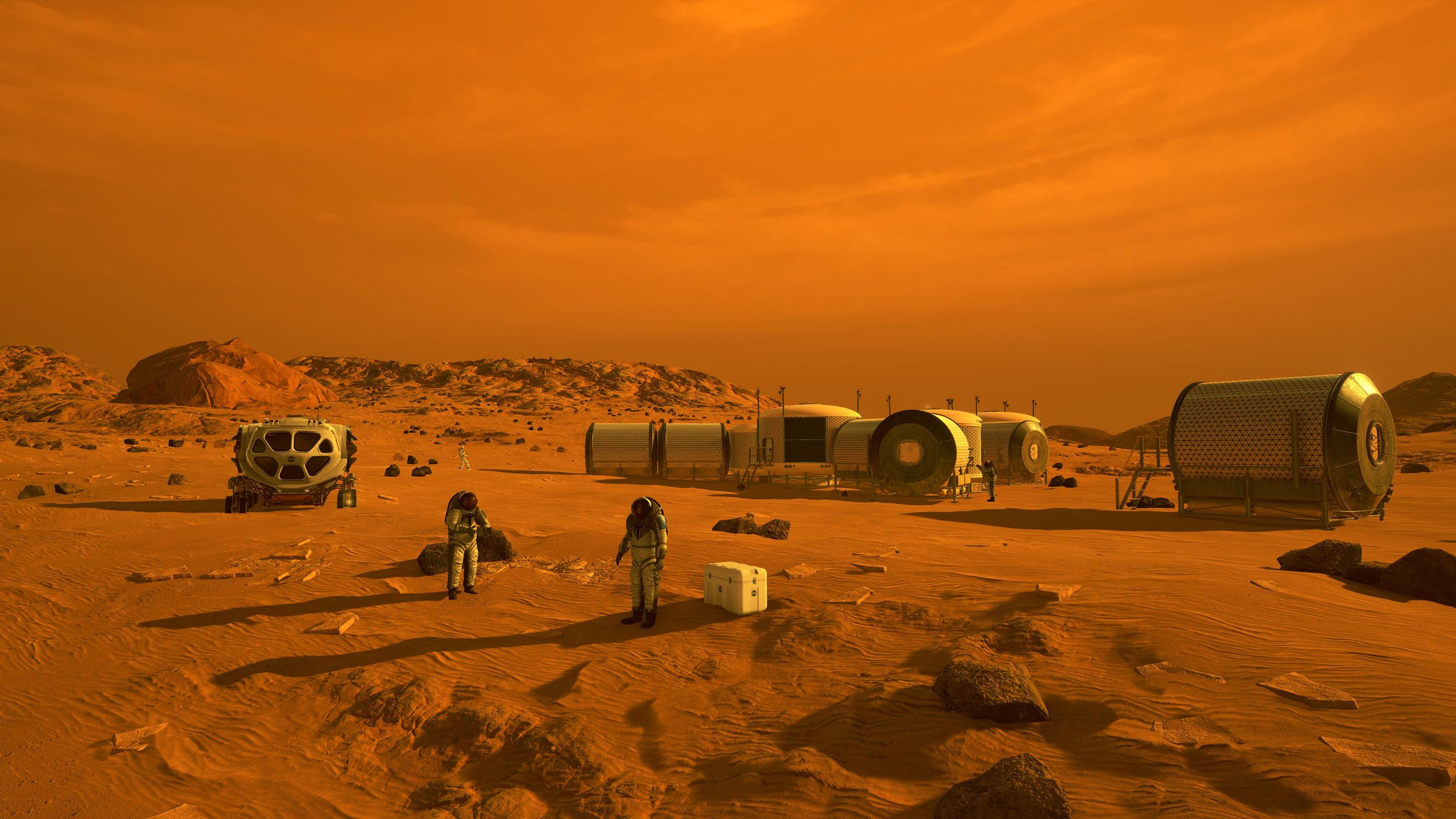
MOXIE, the oxygen-generating experiment aboard NASA’s Perseverance Mars rover, is among the technologies honored by the magazine.
As NASA explores, innovates, and inspires through its work, agency inventions aimed at monitoring atmospheric pollution, studying samples from asteroids, extracting oxygen from the Martian atmosphere, and revolutionizing flight have been named TIME’s Inventions of 2023. TIME announced the honorees on October 24.
“For more than 65 years, NASA has innovated for the benefit of humanity,” said NASA Administrator Bill Nelson. “From turning carbon dioxide to oxygen on Mars, to delivering the largest asteroid sample to Earth, helping improve air quality across North America, and changing the way we fly, our MOXIE, TEMPO, OSIRIS-REx, and X-59 Quesst missions are proof that NASA turns science fiction into science fact. It’s all made possible by our world-class workforce who, time after time, show us nothing is beyond our reach when we work together.”
Improving Air Quality Data
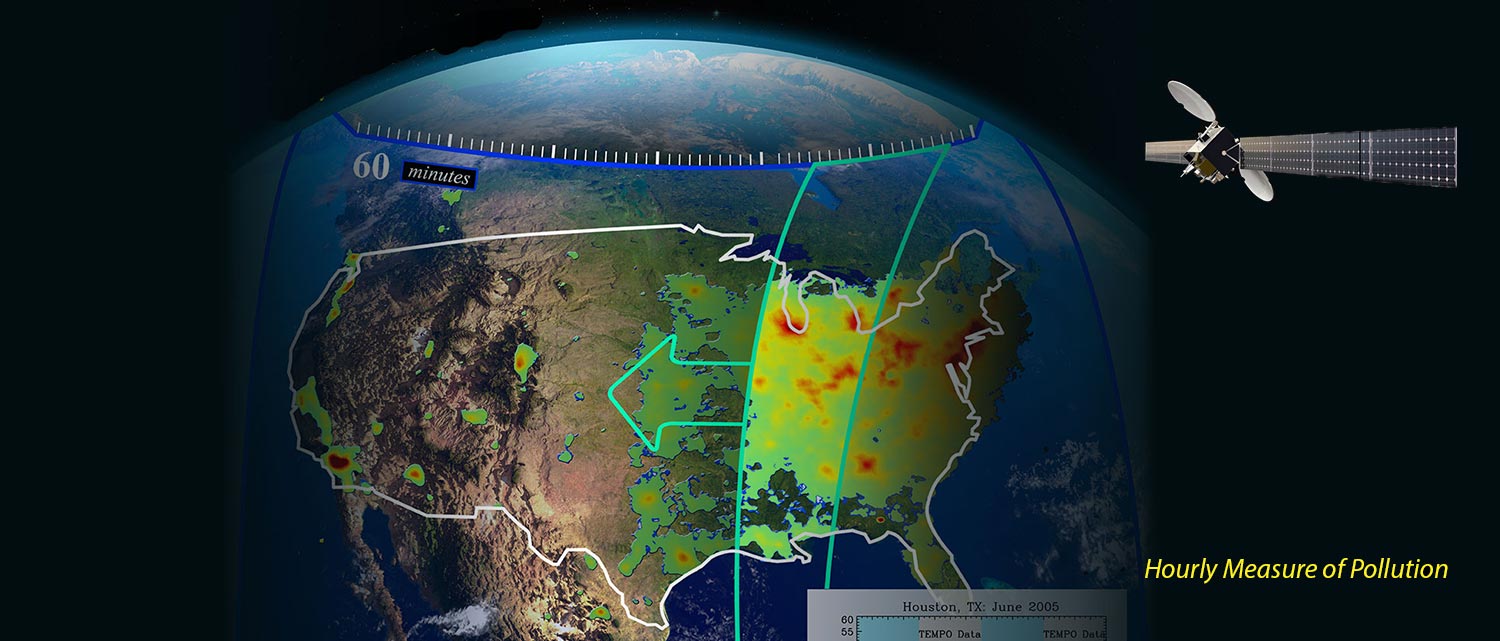
NASA’s TEMPO (Tropospheric Emissions: Monitoring of Pollution) mission is the first space-based instrument to measure pollution hourly during the daytime across North America, spanning from Mexico City to Northern Canada and coast to coast.
Launched in April 2023, TEMPO provides unprecedented daytime measurement and monitoring of major air pollutants. The first-of-its-kind instrument can monitor pollution within a 4-square-mile area and is helping climate scientists improve life on Earth by providing openly accessible air quality data for studies of rush hour pollution, the transport of pollution from forest fires and volcanoes, and even the effects of fertilizers, and it also has the potential to help improve air quality alerts.
Making Oxygen on Mars
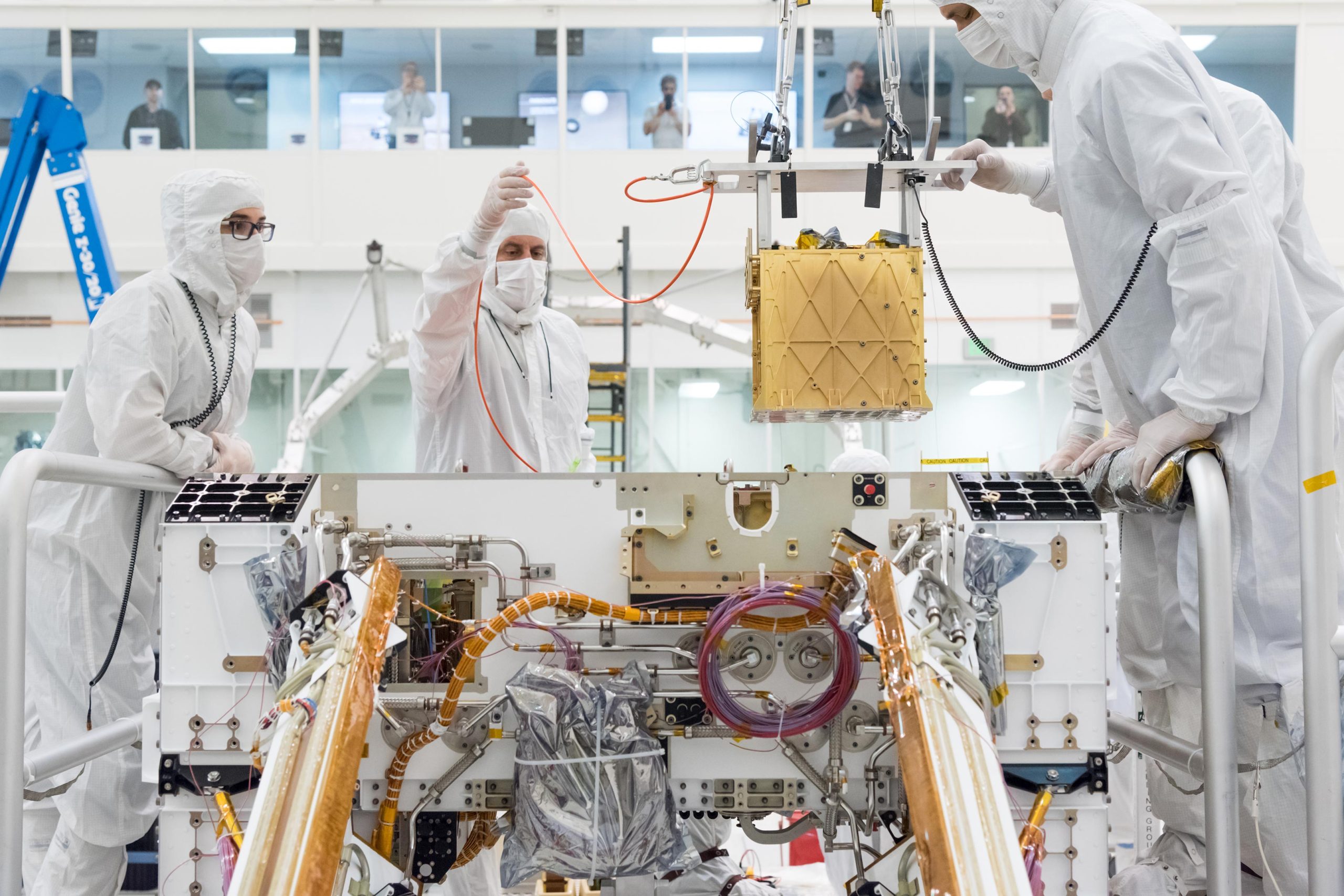
In September, a microwave-size device known as MOXIE (Mars Oxygen In-Situ Resource Utilization Experiment) aboard NASA’s Perseverance rover generated oxygen from the Martian atmosphere for the 16th and final time.
Extracting oxygen from the atmospheric resources found on Mars via in-situ resource utilization processes will be critical to long-term human exploration of the Red Planet, providing explorers with breathable air and rocket propellant.
Since Perseverance landed in 2021, MOXIE has proved far more successful than expected, generating 122 grams of oxygen, including 9.8 grams on its final run. At its most efficient, MOXIE produced 12 grams of oxygen an hour – twice as much as NASA’s original goals for the instrument – of at least 98% purity.
Asteroid Sampler
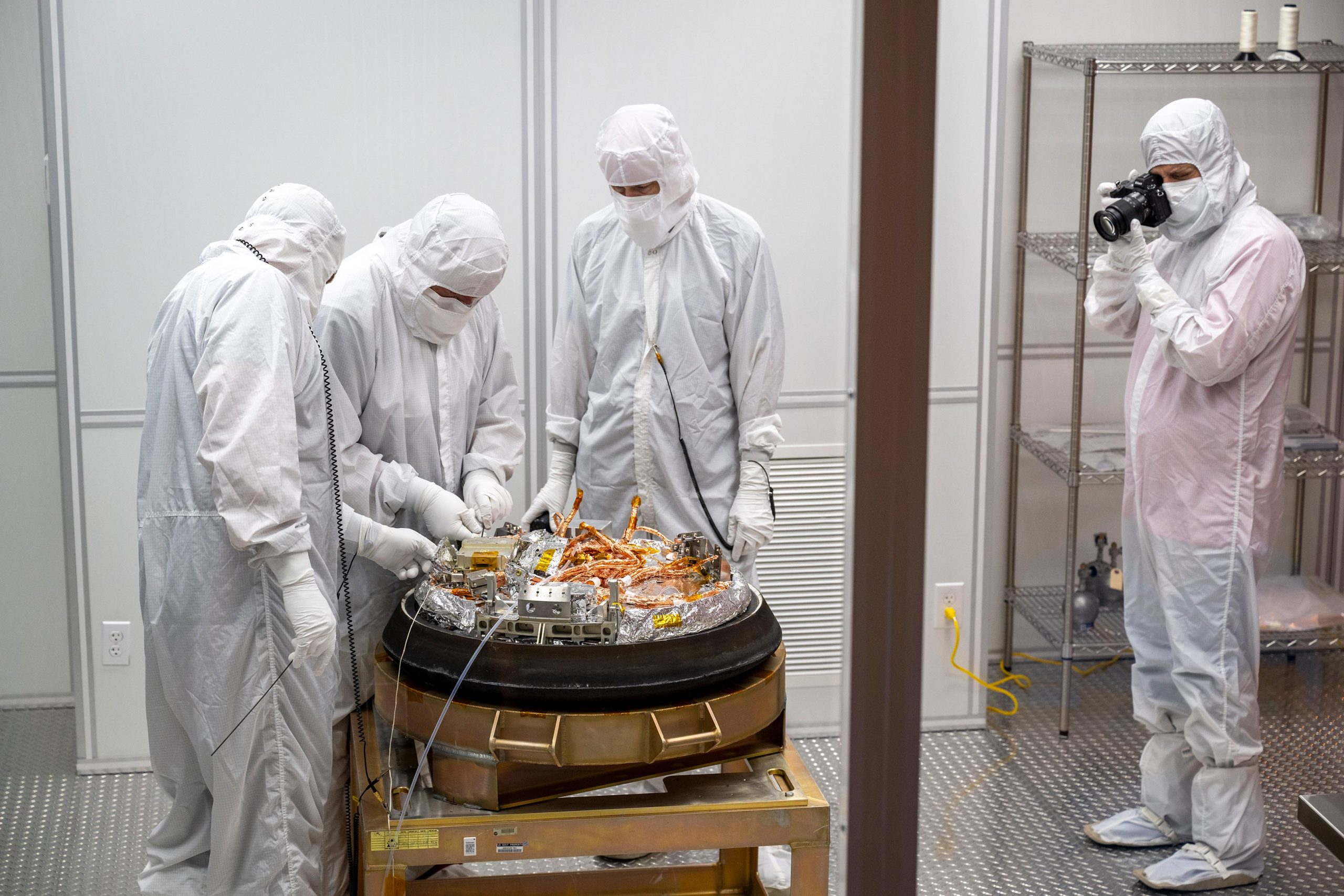
On September 24, NASA’s OSIRIS-REx mission returned a sample from asteroid Bennu to Earth. The sample is the first asteroid collected in space by NASA, and the largest ever collected from an asteroid. The rock and dust represent relics of our early solar system and could shed light on the origins of life.
Early analysis of the sample at NASA’s Johnson Space Center in Houston has revealed high carbon content and water, which together could indicate the building blocks of life on Earth may be found in the rock. The Bennu sample will be divided and shared with partner space agencies and other institutions, providing generations of scientists a window about 4.5 billion years into the past.
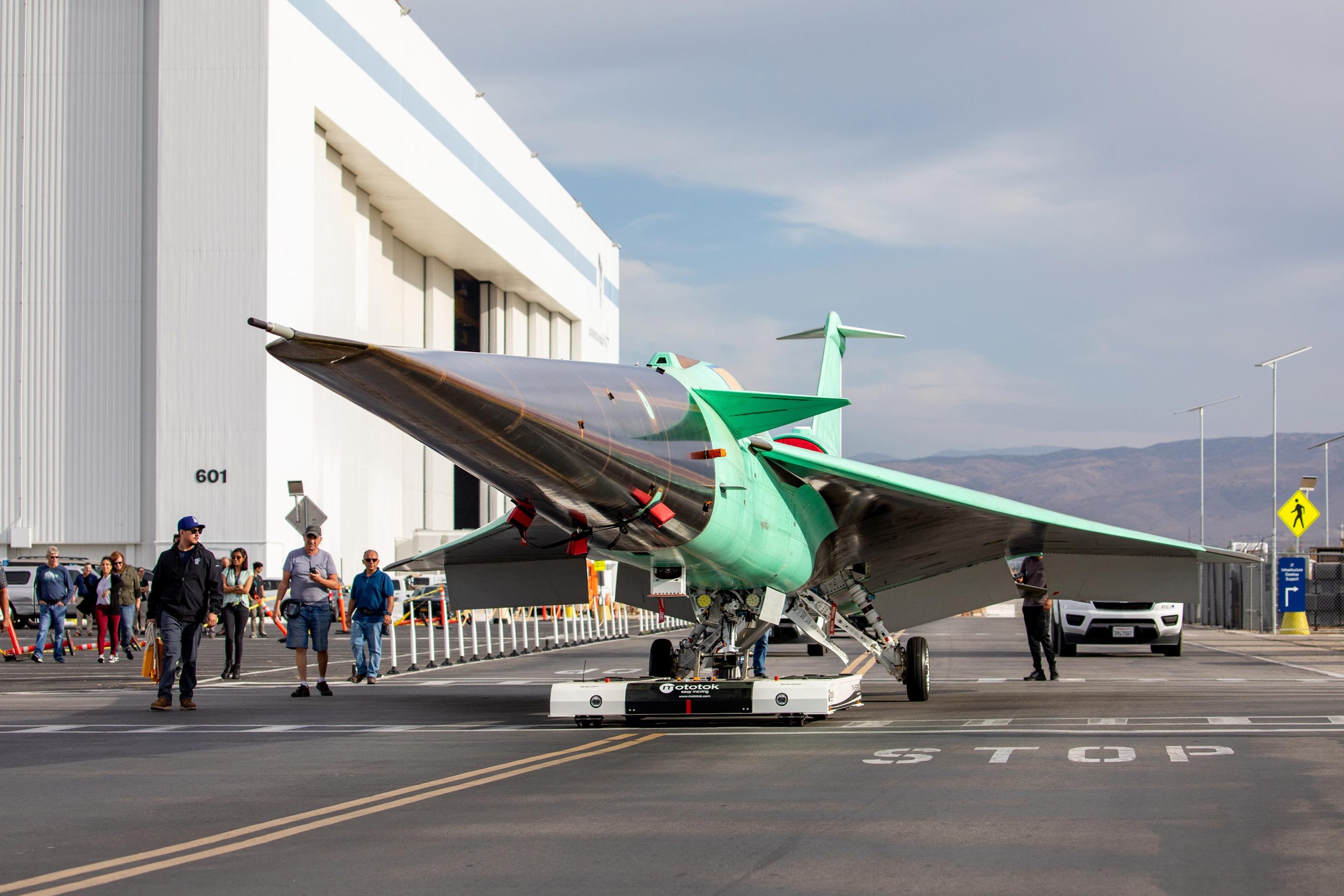
Quiet Sonic Thumps
NASA’s X-59 experimental aircraft, the agency’s first purpose-built, supersonic X-plane in decades, is currently scheduled to take to the skies in 2024.
The centerpiece of NASA’s Quesst mission, the agency will fly the X-59 to demonstrate the ability to fly faster than the speed of sound while reducing the typically loud sonic boom to a quieter “sonic thump.” NASA will use the X-59 to provide data to help regulators amend current rules that ban commercial supersonic flight over land, opening the door to greatly reduced flight times.
NASA will fly the X-59 over several U.S. cities in the final phase of the mission, gathering public input on the hushed sonic thumps.
More About the Technologies
The TEMPO instrument is managed by NASA Langley’s Science Directorate in collaboration with the Smithsonian Astrophysical Observatory. It was built by Ball Aerospace and integrated onto Intelsat 40E by Maxar.
The MOXIE experiment was built by the Massachusetts Institute of Technology, and NASA’s Jet Propulsion Laboratory manages the project for the agency’s Space Technology Mission Directorate.
The OSIRIS-REx mission, launched on September 8, 2016, was led by the University of Arizona. It is managed by NASA’s Goddard Space Flight Center in Greenbelt, Maryland, under the agency’s Science Mission Directorate’s New Frontiers Program.
The Low-Boom Flight Demonstration project is managed by NASA’s Armstrong Flight Research Center in Edwards, California, the X-59 Quesst is managed by NASA’s Langley Research Center in Hampton, Virginia, and both efforts are led by NASA’s Aeronautics Research Mission Directorate.
Never miss a breakthrough: Join the SciTechDaily newsletter.
Follow us on Google and Google News.