
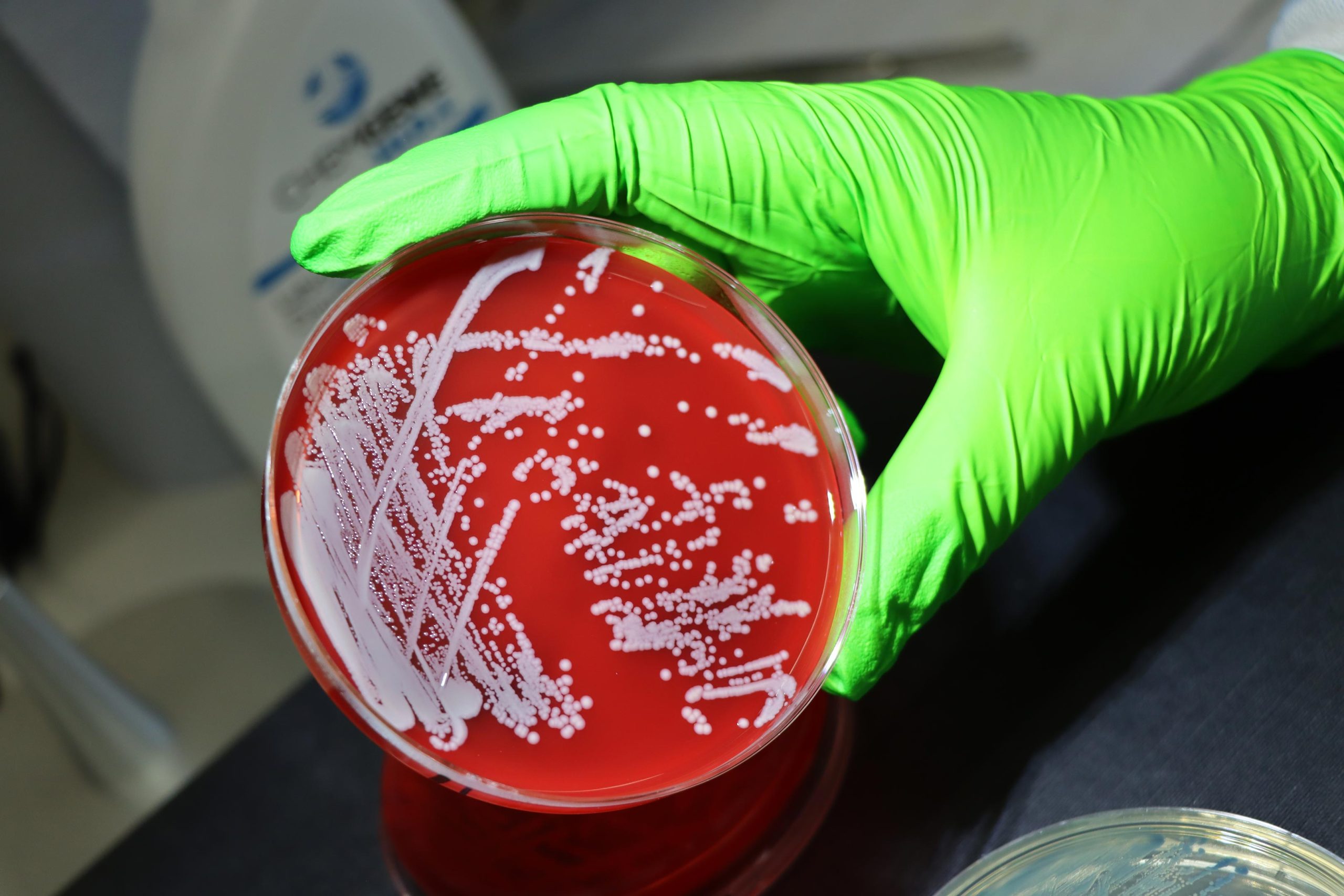
A groundbreaking study has unveiled how Staphylococcus aureus, a bacterium often found in humans, evolves and survives, offering promising leads for better infection management.
By analyzing thousands of bacterial samples directly from humans rather than in lab settings, researchers identified crucial genetic mutations that help these bacteria resist antibiotics and evade the immune system. This could lead to improved methods for preventing, diagnosing, and treating infections.
Genetic Insights From Global Collaboration
The most comprehensive study yet on how the common bacterium Staphylococcus aureus adapts to the human body could lead to advancements in preventing, diagnosing, and treating various infections.
Conducted by the Wellcome Sanger Institute, the University of Cambridge, the Institute of Biomedicine of Valencia at the Spanish National Research Council, and other collaborators, the research analyzed the genomes of thousands of S. aureus isolates from the noses and skin of humans. The aim was to identify crucial genes that help this bacterium adapt and persist.
Published today (January 13) in Nature Communications, the study introduced a novel method for analyzing bacterial genomes from human hosts. It pinpointed specific mutations that allow certain strains to dodge the human immune system and develop resistance to antibiotics.
Uncovering Genetic Adaptations and Resistance
This large-scale genetic analysis uncovered several genes and biological pathways that were not previously known to be involved in S. aureus colonization.
Further investigation is now required to fully understand the role these play in human colonization, and if there is a way to target these pathways in the future to help prevent, diagnose, or treat infections caused by S. aureus.
The Role of Colonization in Human Health
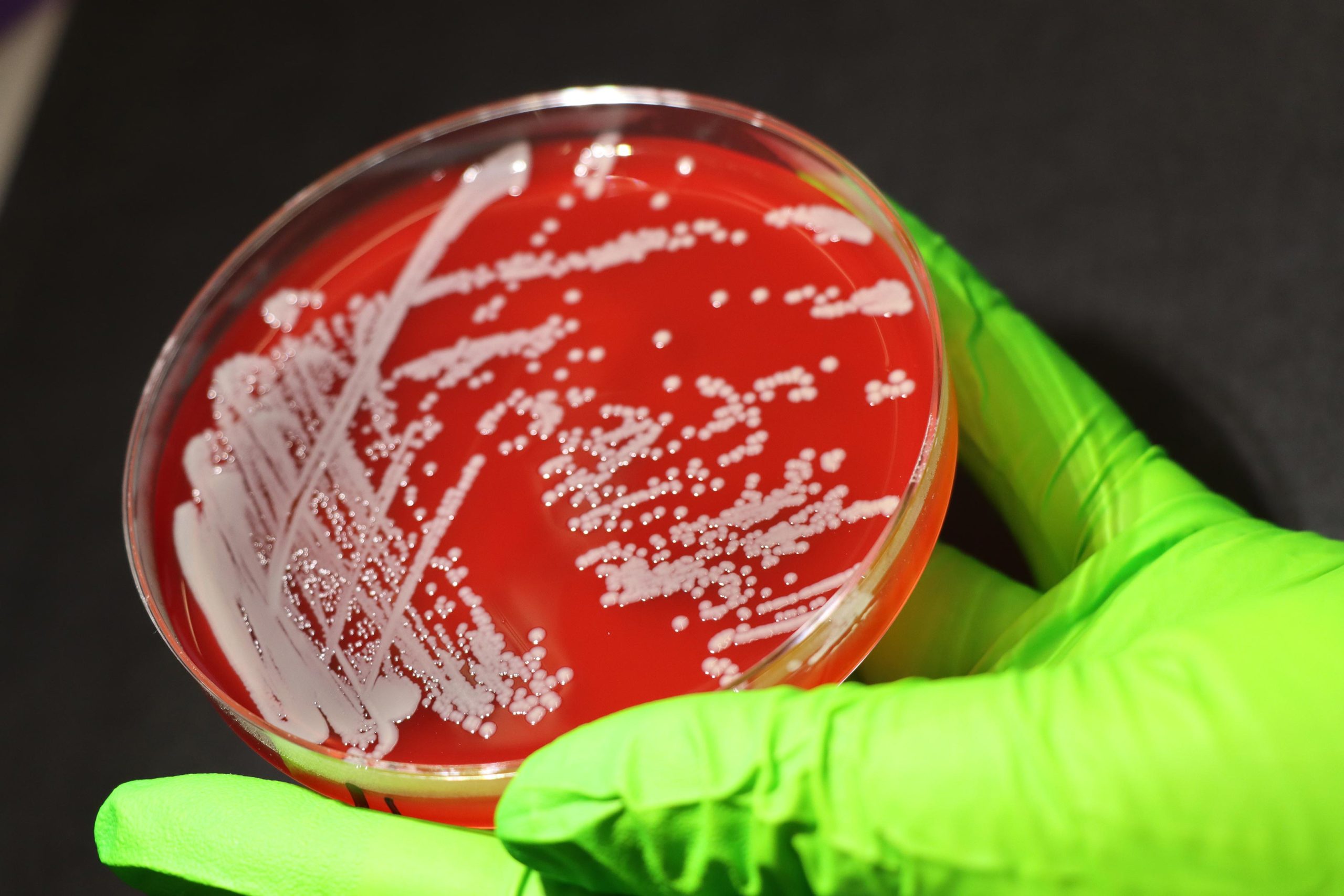
Bacteria are commonly found in or on the body without causing harm, known as colonization. One of these is S. aureus, a common type of bacteria that can be found in the nose of up to 30 percent of the population worldwide as well as on the skin or in the intestine.[1]
However, in those with a weakened immune system, S. aureus can get into the bloodstream and cause infections. These can range from mild skin and soft tissue infections to more severe infections, including sepsis and pneumonia.[1]
Advanced Genetic Analysis Techniques
This new study is the first time researchers have carried out a large-scale genetic analysis of S. aureus from samples of human carriers, instead of observing the bacteria in a laboratory setting.
The international team analyzed the genomes of more than 7,000 S. aureus samples obtained from more than 1,500 human carriers to identify genetic changes that originated in the bacteria while it was in its natural environment. Through computational analysis, they were able to identify the recurrent genetic changes in the bacteria that could have contributed to survival during human colonization.
The researchers identified changes in genes associated with nitrogen metabolism, suggesting that this is a key metabolic process necessary for the colonization of humans by S. aureus. They also identified mutations in genes that could influence the way the bacteria interact with human cells and the immune system.
Researchers found that some S. aureus strains have mutations in genes that are involved with regulating the factors the bacteria use to escape the human immune system, possibly highlighting an immune system evasion strategy. Researchers also suggest that these bacterial strains might use factors secreted by other bacterial strains to colonize humans without producing these themselves – something they call ‘cheater’ cells.
Additionally, this study confirmed that S. aureus acquires resistance mutations to antibiotics such as fusidic acid, mupirocin, and trimethoprim.
Future Implications for Medical Research
Overall, this new research reveals key biological processes that S. aureus employs to survive in humans. The study of the evolution and genetic adaptation of bacteria in their natural environment, either during the asymptomatic colonization of their carriers or in the establishment and course of infections, can help improve the prevention, diagnosis, and treatment of disease.
Dr. Francesc Coll, first author from the Institute of Biomedicine of Valencia at the Spanish National Research Council (CSIC), said: “Understanding how bacteria respond to antibiotic treatments has made it possible to identify the genetic changes that allow them to survive the attack of antibiotics. These mutations can be used as diagnostic markers, as well as to design new therapeutic strategies and a more rational and effective use of antibiotics. Studies of bacterial adaptation like this could also reveal mechanisms of immune evasion – how bacteria adapt to evade recognition and attack by our immune system. This could help identify new antigens, components of the bacteria that the immune system recognizes as foreign or dangerous, and design new vaccines.”
Dr. Ewan Harrison, senior author from the Wellcome Sanger Institute, said: “While Staphylococcus aureus bacteria are harmless to many people, for others they can cause potentially life-threatening infections. Our study gives a detailed new understanding of how these bacteria adapt and evolve in order to survive on and in their human carriers at a genetic level. Through our new analysis, we were able to study these strains in their natural habitat; highlighting previously unknown mutations that give certain Staphylococcus aureus strains the upper hand. We hope that further investigation of the pathways we have uncovered will help improve the prevention, diagnosis, and treatment of infections caused by these bacteria.”
Notes
- “Staphylococcus aureus host interactions and adaptation” by Benjamin P. Howden, Stefano G. Giulieri, Tania Wong Fok Lung, Sarah L. Baines, Liam K. Sharkey, Jean Y. H. Lee, Abderrahman Hachani, Ian R. Monk and Timothy P. Stinear, 27 January 2023, Nature Reviews Microbiology.
DOI: 10.1038/s41579-023-00852-y
Reference: “The mutational landscape of Staphylococcus aureus during colonisation” by Francesc Coll, Beth Blane, Katherine L. Bellis, Marta Matuszewska, Toska Wonfor, Dorota Jamrozy, Michelle S. Toleman, Joan A. Geoghegan, Julian Parkhill, Ruth C. Massey, Sharon J. Peacock and Ewan M. Harrison, 13 January 2025, Nature Communications.
DOI: 10.1038/s41467-024-55186-x
Never miss a breakthrough: Join the SciTechDaily newsletter.
Follow us on Google and Google News.