
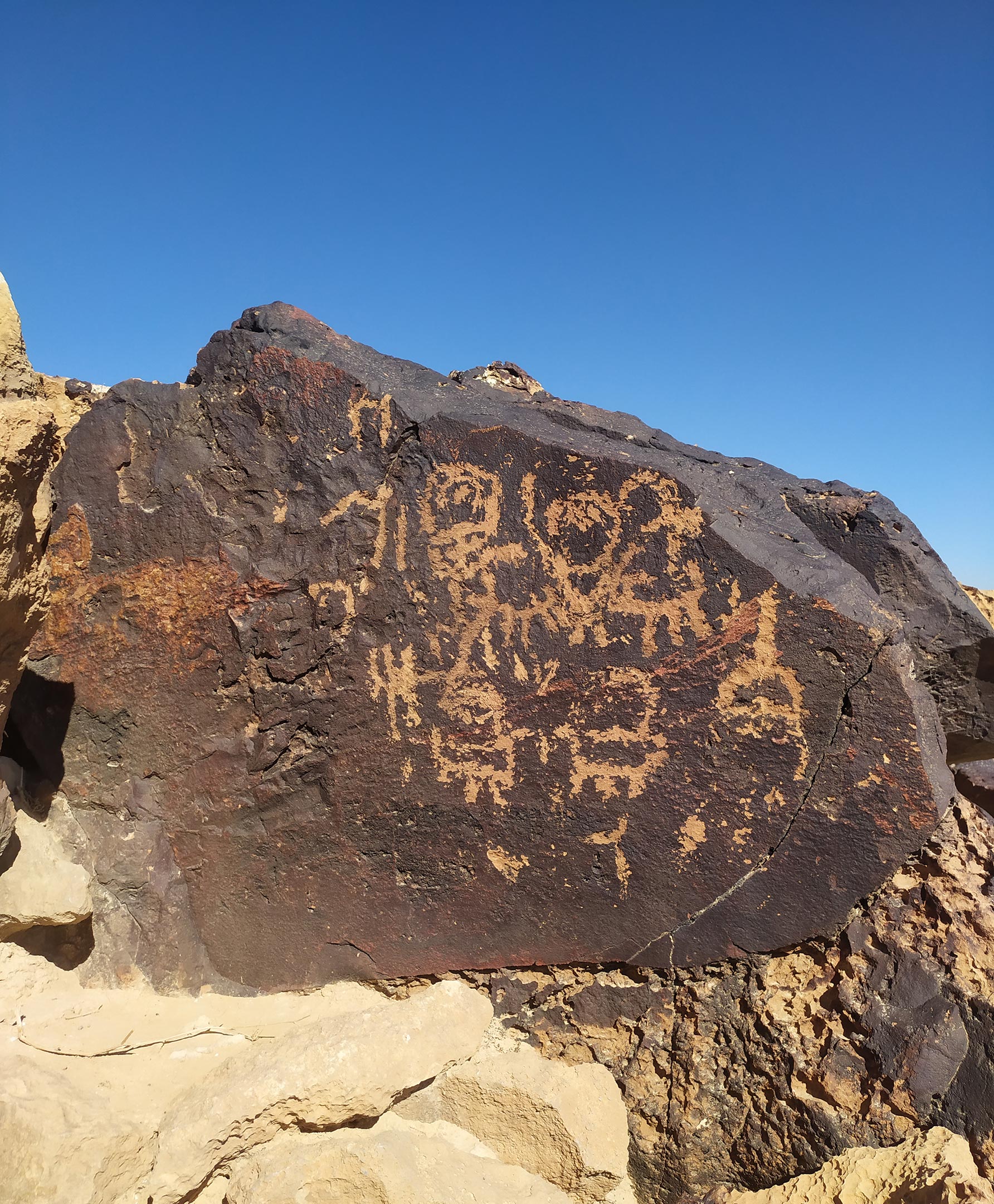
Fungi and lichens threaten Negev Desert’s petroglyphs, eroding ancient artworks through chemical and mechanical means.
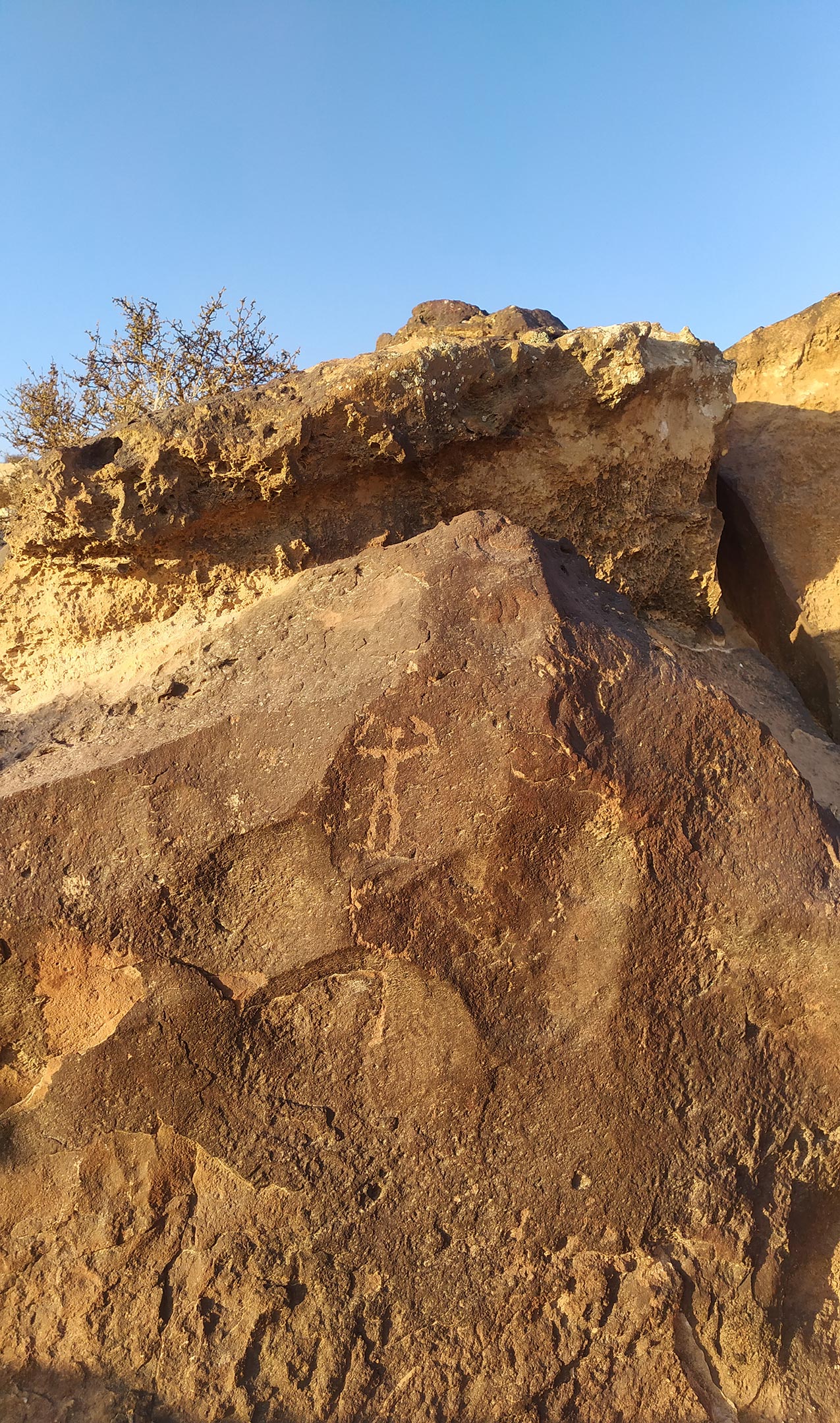
Southern Israel’s Negev desert is famous for its ancient rock art. Since at least the third millennium BCE, the hunters, shepherds, and merchants who roamed the Negev have left thousands of carvings, known as ‘petroglyphs’, on the rocks. Many represent animals such as ibexes, goats, horses, donkeys, and domestic camels, although some also feature abstract forms. These petroglyphs are typically cut into ‘desert varnish’, a natural thin black coating that forms on limestone rock.
Fungal Threats to Petroglyphs
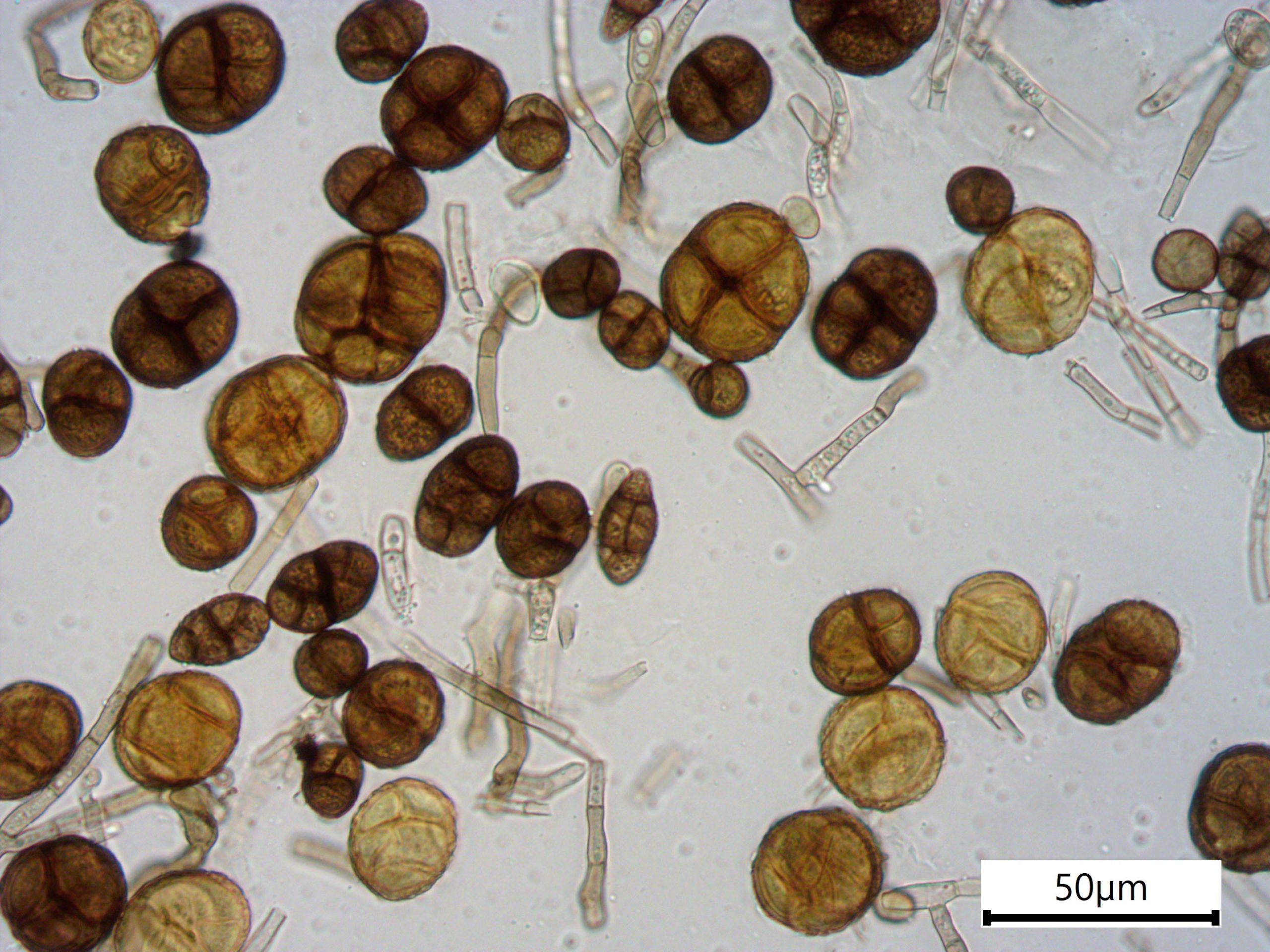
A study published in Frontiers in Fungal Biology has revealed that the petroglyphs are home to a community of uncommon specialist fungi and lichens. Unfortunately, these species may pose a serious threat to the rock art in the long term.
“We show that these fungi and lichens could significantly contribute to the gradual erosion and damage of the petroglyphs,” said Laura Rabbachin, a PhD student at the Academy of Fine Arts Vienna in Austria, and the study’s first author.
“They are able to secrete different types of acids that can dissolve the limestone in which the petroglyphs are carved. In addition, the fungi can penetrate and grow within the stone grains, causing an additional mechanical damage.”
Research Methodology and Findings
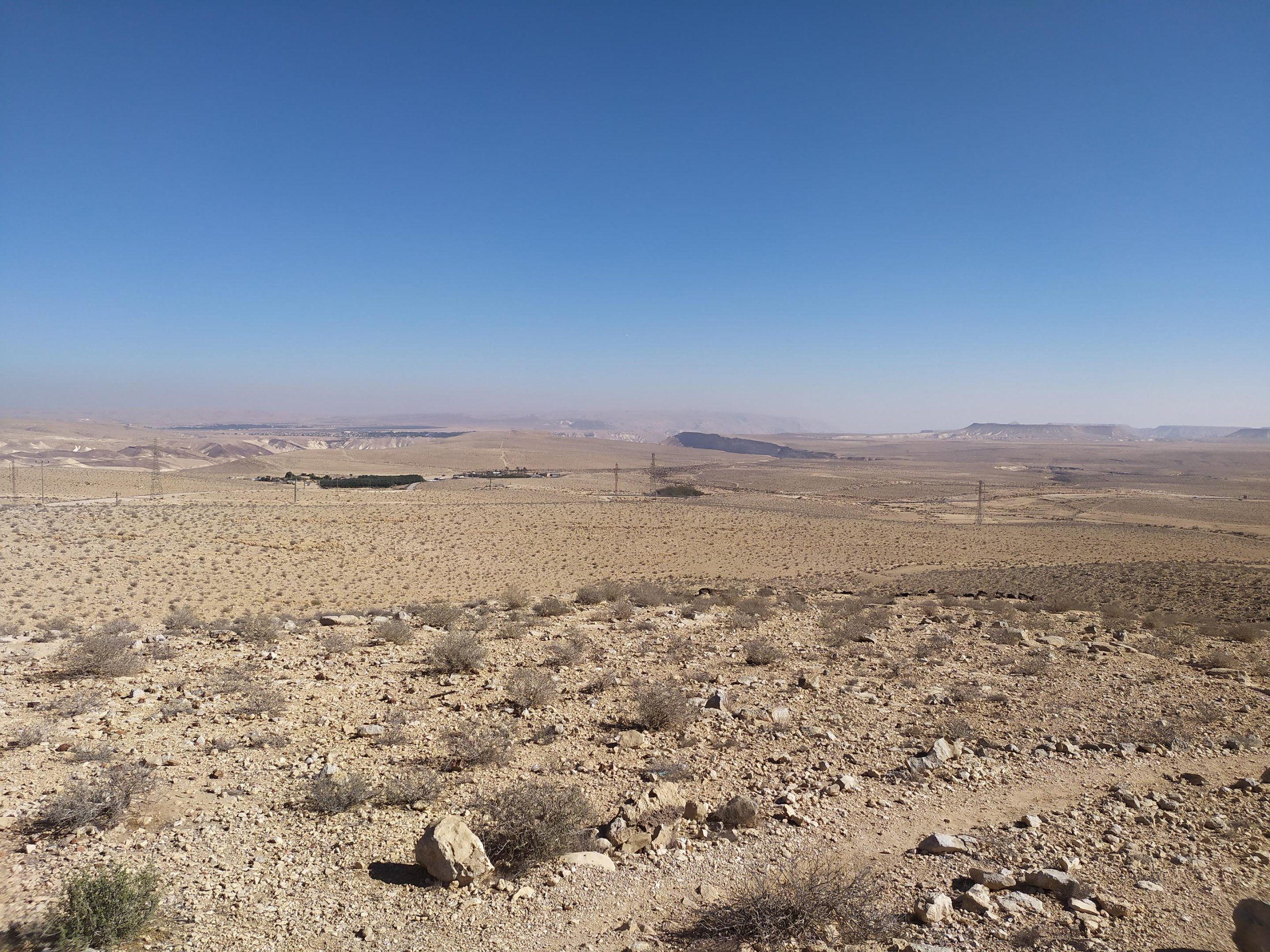
Rabbachin and colleagues took samples from a petroglyph site in the central-western highlands of the Negev. Here, an average of just 87 mm (3.4 inches) of rain falls per year, and temperatures on rock surfaces can soar up to 56.3 °C (133 °F) in summer. The researchers scraped samples from desert varnish next to petroglyphs, from rocks without desert varnish, and from soil near the sampled rocks. They also left petri dishes open near the rocks to capture airborne spores.
The authors identified collected fungi and lichens with two complementary methods. First, they repeatedly cultured fungal material or spores from rocks or soil on plates with one of two different growth media, until they obtained pure isolates for DNA barcoding. Second, they directly performed DNA sequencing of fungal material present in rock or soil samples, without culturing them first. The latter method can detect strains that don’t grow in culture.
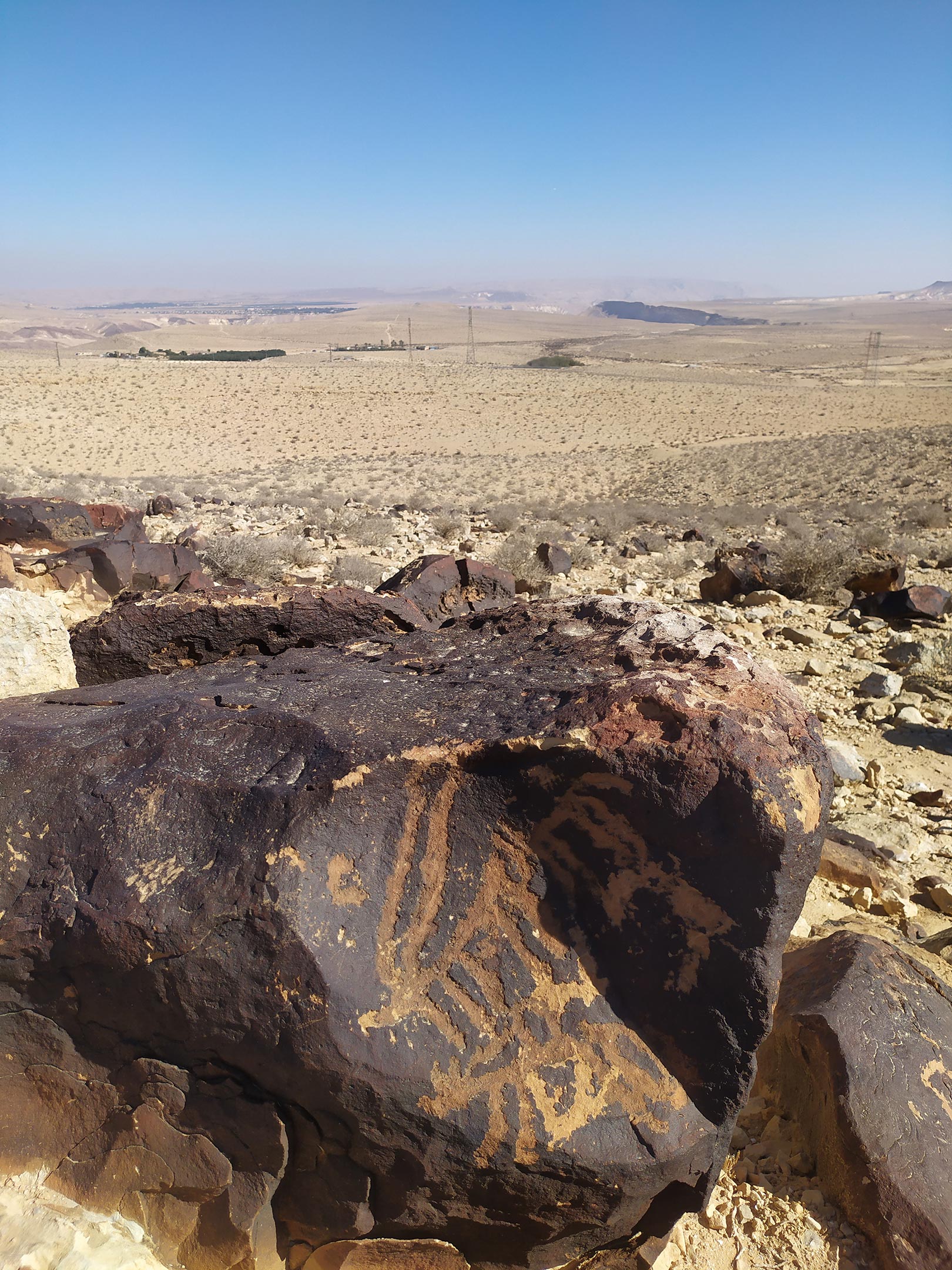
Both methods showed that the diversity and abundance of species on rocks bearing petroglyphs was low in comparison with the soil, which suggests that few species can withstand the local extremes of drought and temperature.
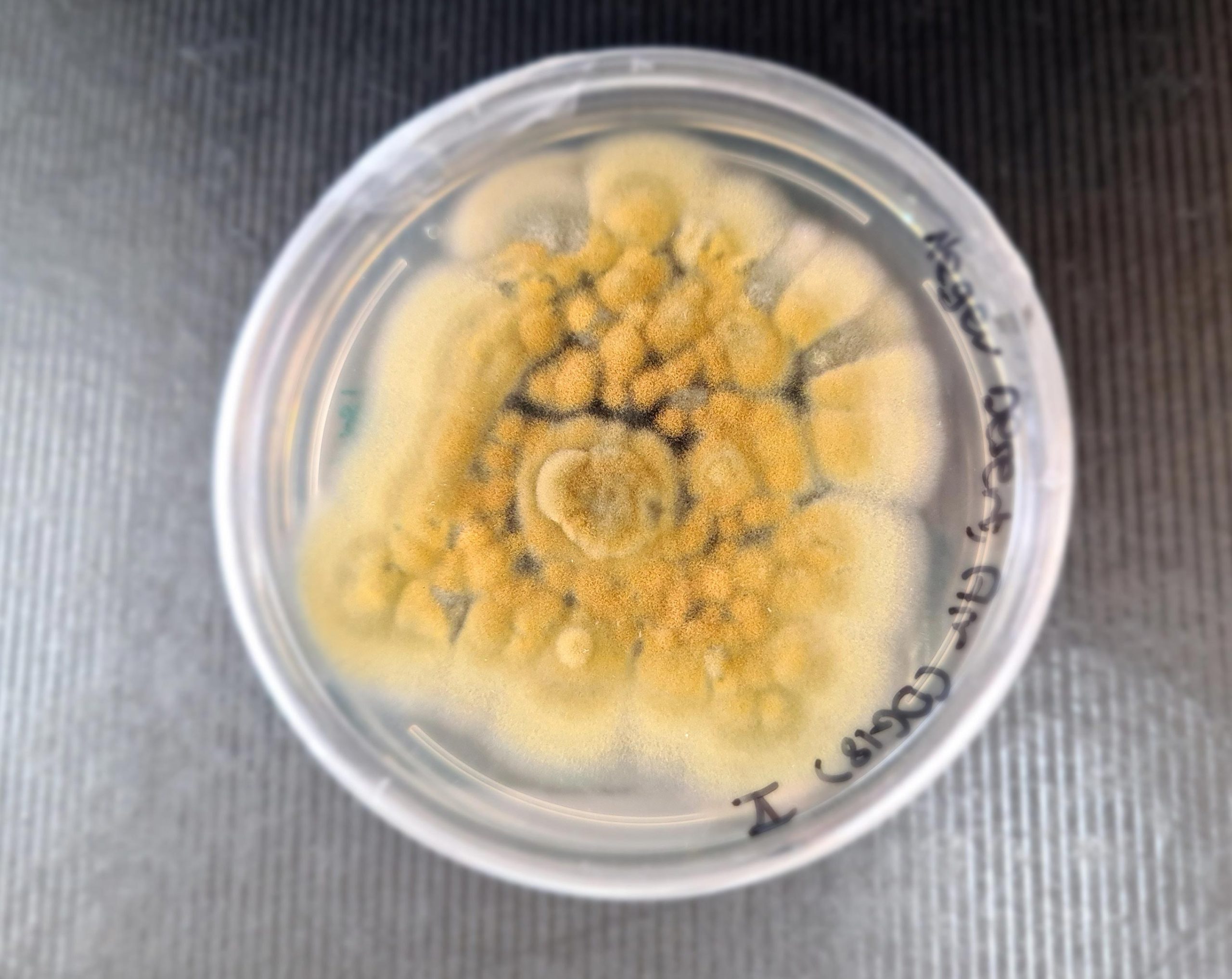
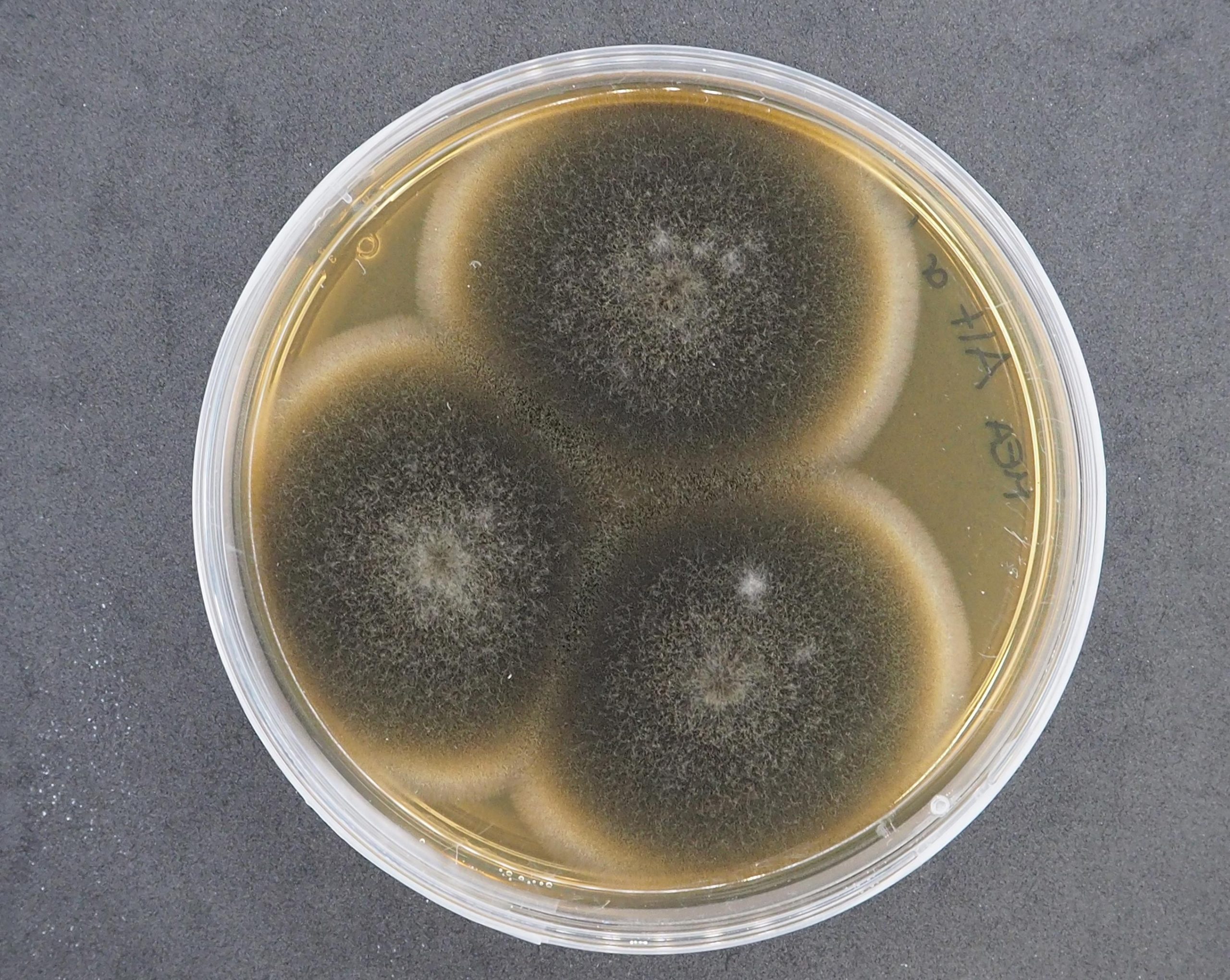
DNA barcoding of cultured isolates revealed that the petroglyphs harbor multiple species of fungi within the genera Alternaria, Cladosporium, and Coniosporium, while direct sequencing further detected multiple species in the genera Vermiconidia, Knufia, Phaeotheca, and Devriesia. All except Alternaria and Cladosporium are so-called microcolonial fungi, known to thrive in hot and cold deserts around the world. Also abundant were lichens in the genus Flavoplaca.
“Microcolonial fungi are considered highly dangerous for stone artifacts. For example, they have been implicated as a probable cause of the deterioration of stone cultural heritage in the Mediterranean,” said Rabbachin.
“Lichens are also well known to cause rocks to deteriorate and thus to be a potential threat to stone cultural heritage.”
In the surrounding soil and air, the researchers mainly found different, cosmopolitan fungi, which are known to be able to survive harsh desert conditions through the production of drought-resistant spores.
Impact and Conservation Challenges
Can anything be done to protect the petroglyphs from the slow but destructive work of the observed microcolonial fungi and lichens? This is unlikely, cautioned the authors.
“These natural weathering processes cannot be stopped, but their speed of the weathering process depends heavily on whether and how the climate will change in the future. What we can do is to monitor the microbial communities over time and most importantly, document these valuable works of art in detail,” said Rabbachin’s academic supervisor Prof Katja Sterflinger, the study’s senior author.
Reference: “Diversity of fungi associated with petroglyph sites in the Negev Desert, Israel, and their potential role in bioweathering” by Laura Rabbachin, Irit Nir, Monika Waldherr, Ylenia Vassallo, Guadalupe Piñar, Alexandra Graf, Ariel Kushmaro and Katja Sterflinger, 14 May 2024, Frontiers in Fungal Biology.
DOI: 10.3389/ffunb.2024.1400380
Never miss a breakthrough: Join the SciTechDaily newsletter.
Follow us on Google and Google News.
1 Comment
Stop killing the Gazans!