
Close Menu
    Facebook X (Twitter) Instagram
    SciTechDaily
    • Biology
    • Chemistry
    • Earth
    • Health
    • Physics
    • Science
    • Space
    • Technology
    Facebook X (Twitter) Pinterest YouTube RSS
    SciTechDaily
    Home»Space»Gone but Not Forgotten: A Supernova 2.5 Billion Times Brighter Than the Sun
    Space

    Gone but Not Forgotten: A Supernova 2.5 Billion Times Brighter Than the Sun

    By ESA/HubbleJanuary 15, 2024No Comments2 Mins Read
    Facebook Twitter Pinterest Telegram LinkedIn WhatsApp Email Reddit
    Share
    Facebook Twitter LinkedIn Pinterest Telegram Email Reddit
    Galaxy UGC 5189A
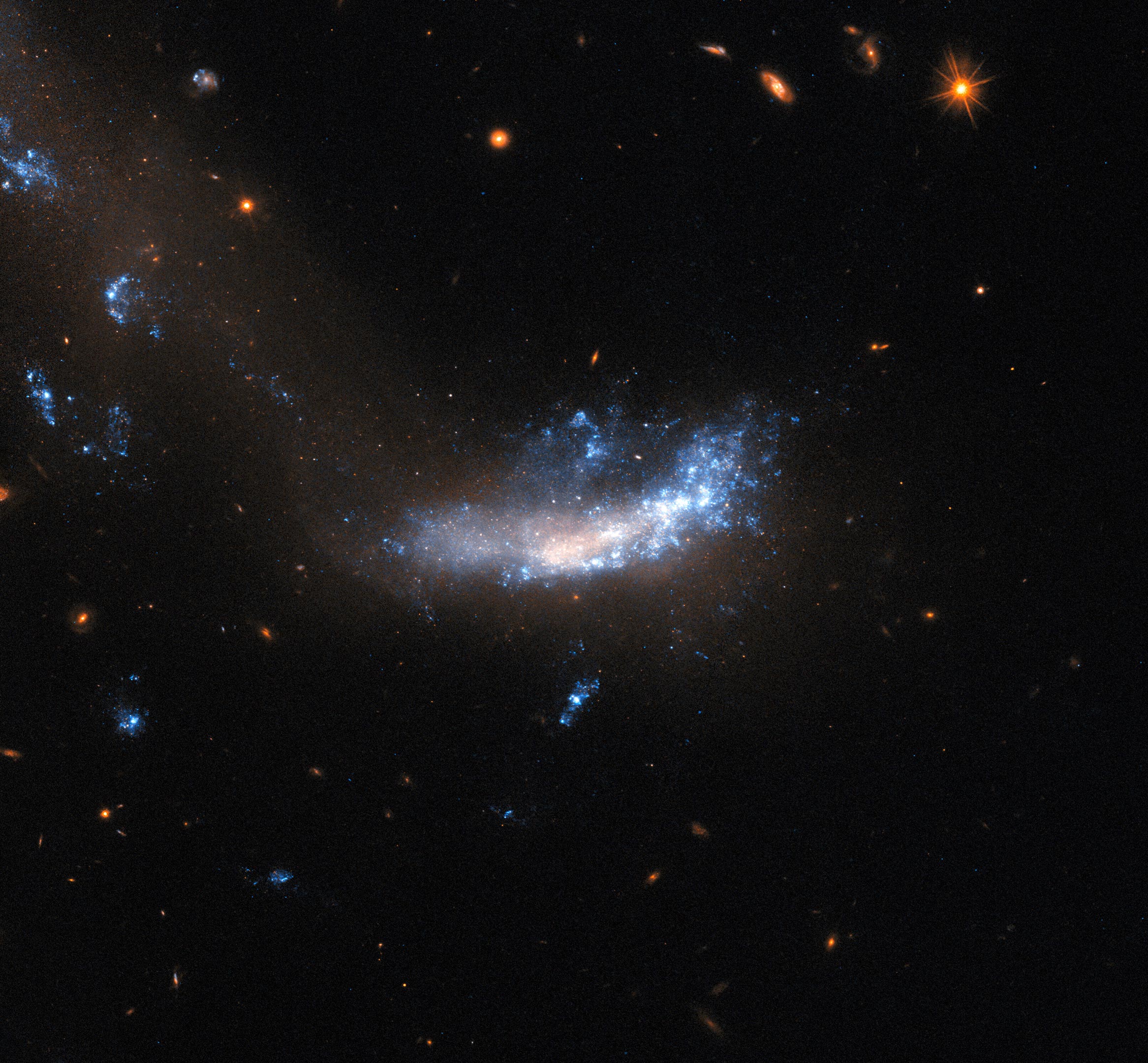
    UGC 5189A, a relatively small galaxy located about 150 million light-years from Earth is featured in the Hubble Space Telescope image. Credit: ESA/Hubble & NASA, A. Filippenko

    Hubble’s observations of the galaxy UGC 5189A and the exceptionally bright supernova SN 2010jl provide critical insights into the nature and aftermath of supernovae.

    This image from the Hubble Space Telescope features a relatively small galaxy known as UGC 5189A, which is located about 150 million light-years away in the constellation Leo. This galaxy was observed by Hubble to study a supernova explosion in 2010 known as SN 2010jl. This particular supernova was notable for having been an exceptionally luminous supernova event. In fact, over a period of three years, SN 2010jl released at least 2.5 billion times more visible energy alone than our Sun emitted over the same timeframe across all wavelengths.

    Even after supernovae have faded to non-observable levels, it can still be of interest to study the environments where they occurred. This can provide astronomers with valuable information: supernovae can take place for a variety of reasons, and understanding the environments in which they took place can help improve our understanding of the conditions necessary for them to be triggered. Furthermore, follow-up studies after supernovae can improve our understanding of the immediate aftermath of such events, from their potent effects on the gas and dust around them, to the stellar remnants they leave behind.

    To this end, UGC 5189A has been observed many times by Hubble since 2010. This image is from data collected in three of the latest Hubble studies of UGC 5189A, which also examined several other relatively nearby galaxies that recently hosted supernovae — ‘relatively nearby’, in this context, meaning roughly 100 million light years away.

    Never miss a breakthrough: Join the SciTechDaily newsletter.
    Follow us on Google and Google News.

    Astronomy European Space Agency Hubble Space Telescope Popular Supernova
    Share. Facebook Twitter Pinterest LinkedIn Email Reddit

    Related Articles

    Hubble Reveals Colors of the “Lost Galaxy” in Supreme Detail

    When Galaxies Collide: Hubble Showcases 6 Magnificent Galaxy Mergers

    Rings of Relativity: A Truly Strange and Very Rare Phenomenon

    Ethereal Orange Glow Radiates From Heart of Stellar Forge

    Hubble Captures Unprecedented Fading of Stingray Nebula – “This Is Very, Very Dramatic, and Very Weird”

    Hubble Spots a Gorgeous Waterfall of Stars

    Hubble Observes Spectacular Supernova Time-Lapse – “No Earthly Fireworks Display Can Compete”

    Survey of the Stars: Hubble Captures Great Barred Spiral Galaxy in a Fiery Furnace

    Titanic Stellar Time-Lapse: Hubble Watches Exploding Star Fade Into Oblivion

    Leave A Reply Cancel Reply

    • Facebook
    • Twitter
    • Pinterest
    • YouTube

    Don't Miss a Discovery

    Subscribe for the Latest in Science & Tech!

    Trending News

    Popular Sugar-Free Sweetener Linked to Liver Disease, Study Warns

    What Is Hantavirus? The Deadly Disease Raising Alarm Worldwide

    Scientists Just Discovered How the Universe Builds Monster Black Holes

    Scientists Unveil New Treatment Strategy That Could Outsmart Cancer

    A Simple Vitamin May Hold the Key to Treating Rare Genetic Diseases

    Scientists Think the Real Fountain of Youth May Be Hiding in Your Gut

    Ravens Don’t Follow Wolves, They Predict Them

    This Common Knee Surgery May Be Doing More Harm Than Good

    Follow SciTechDaily
    • Facebook
    • Twitter
    • YouTube
    • Pinterest
    • Newsletter
    • RSS
    SciTech News
    • Biology News
    • Chemistry News
    • Earth News
    • Health News
    • Physics News
    • Science News
    • Space News
    • Technology News
    Recent Posts
    • Popular Supplement Ingredient Linked to Shorter Lifespan in Men
    • Scientists May Have Found a Way To Repair Nerve Damage in Multiple Sclerosis
    • GLP-1 Weight Loss Linked To Dramatically Lower Risk of Sleep Apnea, Kidney Disease and More
    • Scientists Uncover the Surprising Source of Strange Clouds Near the Milky Way’s Supermassive Black Hole
    • This Dazzling Green Snake Was Hiding in Plain Sight for Decades
    Copyright © 1998 - 2026 SciTechDaily. All Rights Reserved.
    • Science News
    • About
    • Contact
    • Editorial Board
    • Privacy Policy
    • Terms of Use

    Type above and press Enter to search. Press Esc to cancel.