
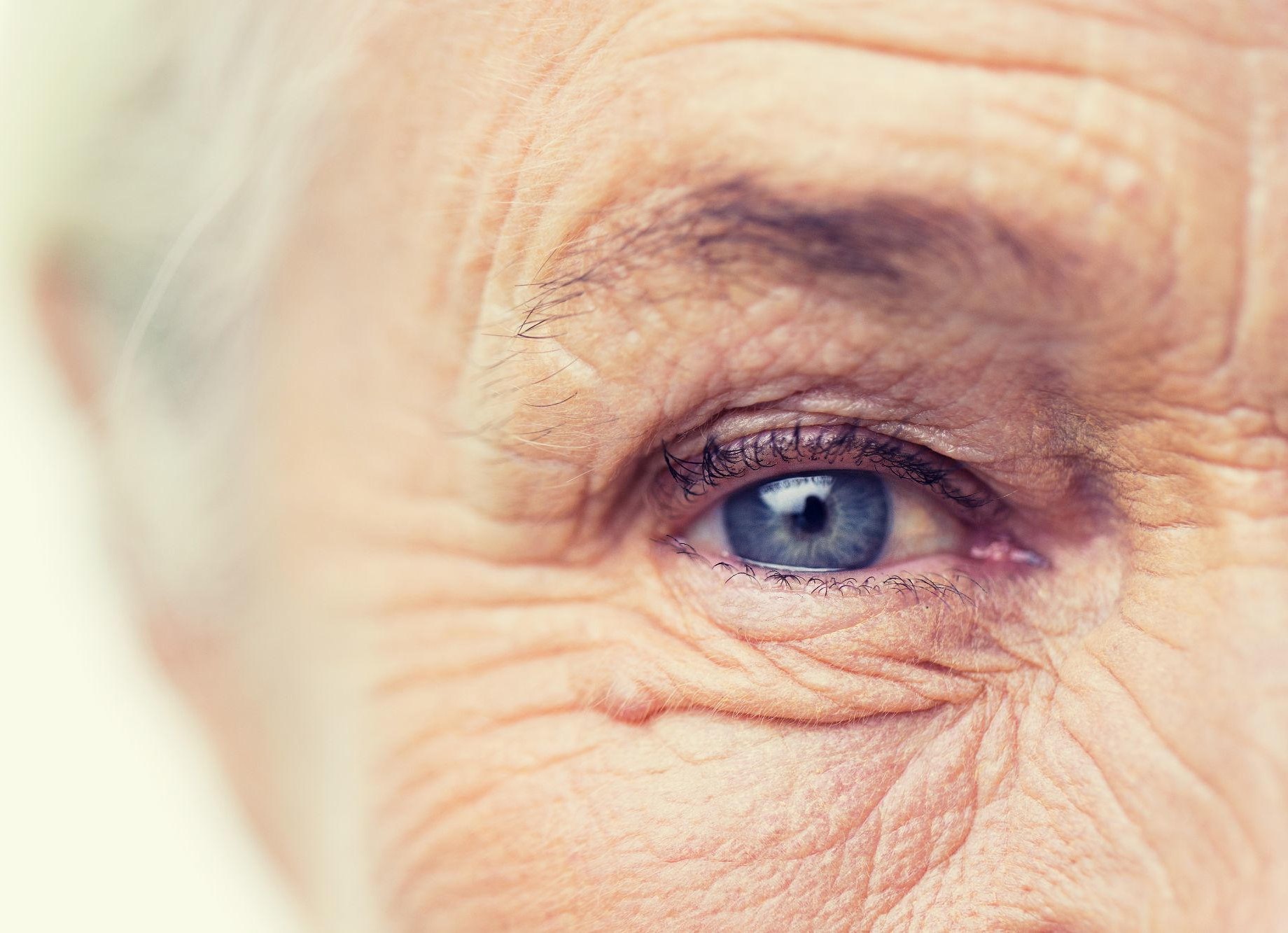
Clinical trials for a laser treatment targeting this common eye disease will begin in Finland next spring, and researchers hope it could become available to patients within three years.
About one in three people over the age of 80 are affected by age-related macular degeneration (AMD), and roughly 20 million Americans aged 40 and older are currently living with the condition. Most patients experience the dry form of AMD, which develops gradually and eventually leads to the loss of central vision, making it difficult to see objects directly ahead. Despite how common it is, there are still no effective treatments for the dry type of the disease.
Researchers at Aalto University have now identified a promising new method that could help stop the progression of dry AMD if applied during the early stages of diagnosis. The technique works by using heat to strengthen the cells’ natural defense systems, according to Professor Ari Koskelainen.
“Cellular functionality and protective mechanisms weaken with age, which exposes the fundus [the inside surface at the back of the eye] to intense oxidative stress,” he explains. “Free oxygen radicals damage proteins, which causes them to misfold and aggregate, then fatty protein deposits called drusen begin to accumulate, which is the main diagnostic criterion for the dry form of age-related macular degeneration.”
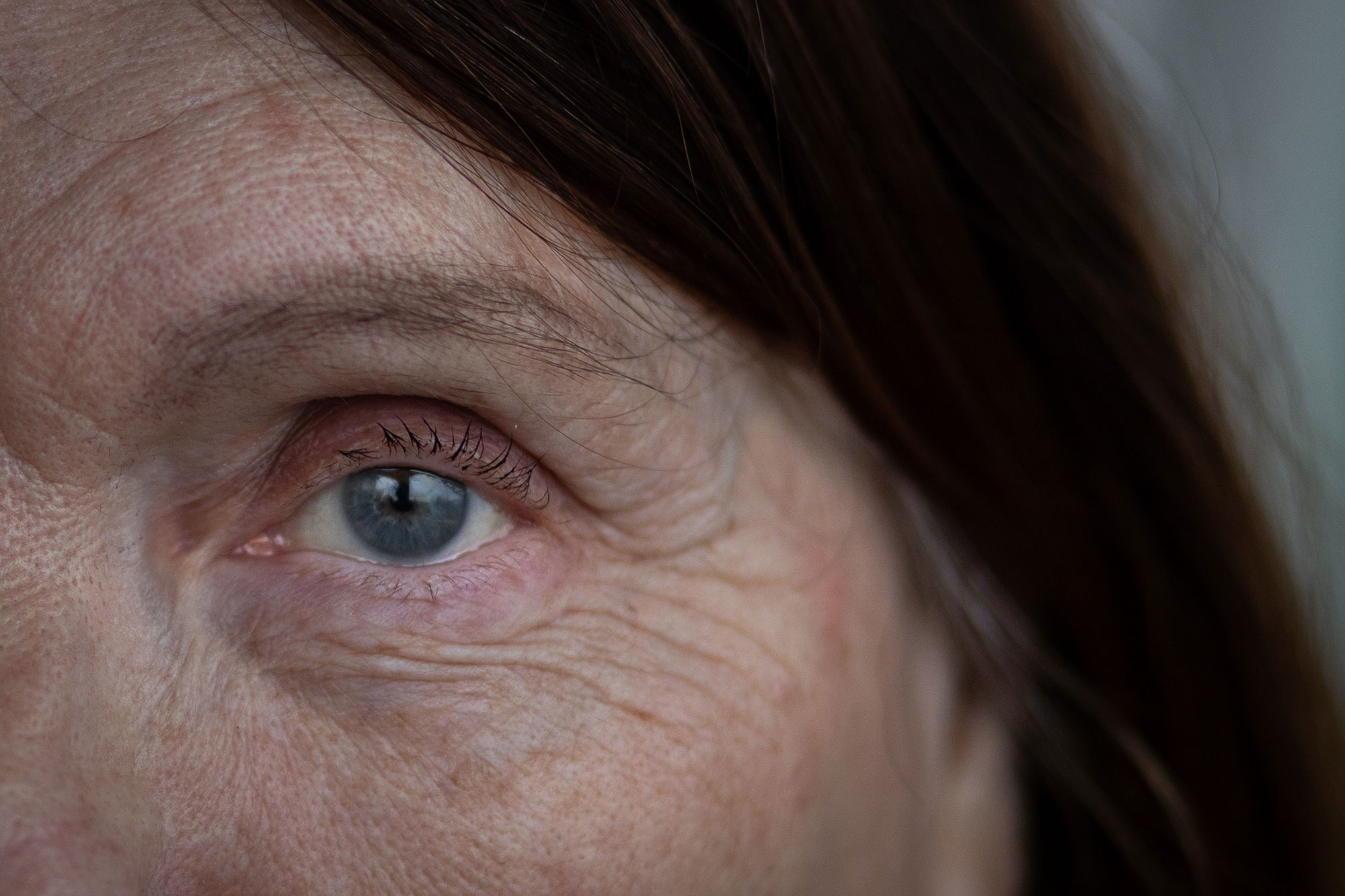
The method involves gently warming the retinal tissue by a few degrees, a process that presents challenges since it is difficult to measure temperature behind the retina, and exceeding 45 degrees Celsius can harm the tissue. The newly developed technique makes it possible to track temperature in real time while using near-infrared light to apply the heat. According to Koskelainen, this approach not only ensures safety but also uses heat to activate natural healing responses within the cells.
How the Cells Respond to Heat
Misfolded proteins can be treated in three different ways. Heat shock proteins, which are produced by cells in response to environmental stress, can repair them to their original shape. If this does not work, the misfolded proteins are primarily directed to be broken down into amino acids.
If accumulations have already formed, a process called autophagy comes into play, the discovery of Yoshinori Ohsumi, who was awarded the Nobel Prize in Medicine for the discovery in 2016. In this process, a lipid membrane similar to a cell membrane is built around the accumulation, with recognition proteins on its surface. With the help of these proteins, lysosomal enzymes begin to break down aged and damaged proteins.
“We were able to show that we can activate not only the production of the heat shock proteins, but also autophagy using the heat shocks. This process is like waste disposal,” says Koskelainen.
The method has been shown to work in mice and pigs, and patient trials will start in Finland in spring 2026. The first phase of the trials will ensure the safety of the treatment approach in humans, without yet seeking a therapeutic response. Researchers then hope to progress towards establishing how often the treatment would need to be repeated.
“The treatment needs to be repetitive, since the response can already begin to decline some days after the treatment,” Koskelainen says.
Meanwhile, researchers aim to commercialize the discovery and have established a research-to-business start-up called Maculaser.
“An optimistic schedule would see the method already being used in hospital eye clinics in as little as three years’ time,” says Koskelainen. “The eventual goal is that it would be readily available at your local ophthalmologist.”
Reference: “Non-damaging laser treatment with electroretinography-based thermal dosimetry activates hormetic heat response in pig retinal pigment epithelium” by Mooud Amirkavei, Ossi Kaikkonen, Teemu Turunen, Anna Meller, Johanna Åhlgren, Anders Kvanta, Helder André and Ari Koskelainen, 29 October 2025, Nature Communications.
DOI: 10.1038/s41467-025-64095-6
Never miss a breakthrough: Join the SciTechDaily newsletter.
Follow us on Google and Google News.
2 Comments
As a now eighty-one year old lay American male I was first diagnosed with mild cataracts and AMD (more suitably labeled, I believe, “Allergy related Macular Degeneration”) about a decade ago. Since, I have intensified my nutritional supplementation to regularly include at least some of the AREDs 2 formula. While my vision continues to very slowly worsen, I know what to blame for that, that most medical doctors and researchers don’t; nearly subclinical non-IgE-mediated food and officially (FDA in the US) approved food poisoning; namely soy mostly processed with toxic hexane with some residue, the cooking oil preservative TBHQ and added artificially cultured “free” (can cross the blood-brain barrier) MSG allergy reactions. The pathology appears to follow this path: allergen + overdose (amount, frequency and/or type) > inflammation + time > serum xanthine oxidase + time > uric acid + free radicals + time > damage where the blood flow is the greatest, with the eyes having the greatest concentration of blood vessels (as per my now retired former ophthalmologist). While repetitive treatments might be advantageous for badly damaged eyes, I believe “prevention” would be much more advisable for most of us.
How can I get enrolled in the human trial