
Chilling Out Might Just Be the Secret to Healthier Cells
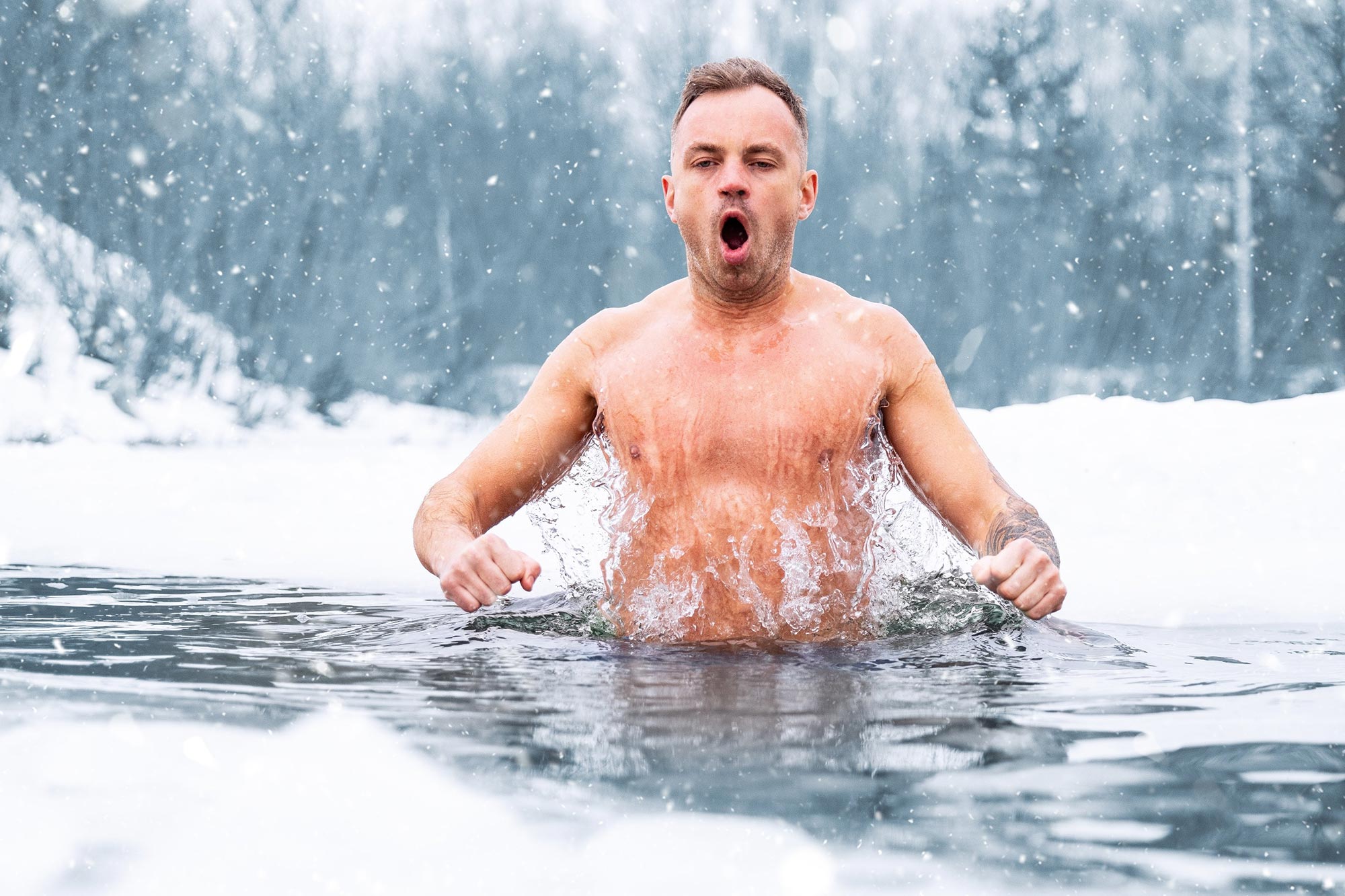
New research from the University of Ottawa reveals that repeated cold-water immersion helps train the body to better manage cellular stress. Over just a week of daily exposure to cold water, participants showed improved autophagy—a cellular “recycling” system—and reduced signs of damage. This adaptation could offer protection against disease and aging, hinting that cold acclimation may be more than just a wellness trend.
Cold Exposure and Cellular Resilience
A new study from the Human and Environmental Physiology Research Unit (HEPRU) at the University of Ottawa has uncovered how cold water acclimation affects key cellular processes in young men. Specifically, the research looked at autophagy – the body’s internal recycling system that maintains cell health – and apoptosis, the controlled removal of damaged cells. The findings suggest that cold exposure may help strengthen the body’s ability to handle stress at the cellular level.
The Experiment: Cold Water Immersion
Led by postdoctoral fellow Kelli King and Professor Glen Kenny, Director of HEPRU and faculty member at uOttawa’s School of Human Kinetics, the study involved ten healthy young men who took part in cold-water immersion at 14°C (57.2°F) for one hour each day over the course of seven days. Blood samples were collected before and after the immersion period to track cellular changes.
“Our findings indicate that repeated cold exposure significantly improves autophagic function, a critical cellular protective mechanism,” says Professor Kenny. “This enhancement allows cells to better manage stress and could have important implications for health and longevity.”
“Our findings indicate that repeated cold exposure significantly improves autophagic function, a critical cellular protective mechanism.”
Glen Kenny

Initial Dysfunction, Followed by Cellular Gains
The research revealed that while autophagy was initially dysfunctional after high-intensity cold stress, consistent exposure over a week led to increased autophagic activity and decreased cellular damage signals.
“By the end of the acclimation, we noted a marked improvement in the participants’ cellular cold tolerance,” explains King, the study’s first author. “This suggests that cold acclimation may help the body effectively cope with extreme environmental conditions.”
Beyond Performance: Health and Longevity
The implications of this study extend beyond athletic performance. Cold water immersion has gained popularity for its potential health benefits, and this research provides some scientific backing for its efficacy. The findings suggest that proper autophagic activity could not only extend cellular longevity but also prevent the onset of various diseases.
As the use of cold exposure becomes increasingly mainstream, understanding its effects on cellular mechanisms is vital. Professor Kenny emphasizes, “This work underscores the importance of acclimation protocols in enhancing human health, especially in contexts where individuals are exposed to extreme temperatures.”
A Tune-Up for Your Cells?
“We were amazed to see how quickly the body adapted,” notes King. “Cold exposure might help prevent diseases and potentially even slow down aging at a cellular level. It’s like a tune-up for your body’s microscopic machinery.”
These results apply to young males and more research is needed to see if it would also apply to other cohorts.
Reference: “The Effect of 7-Day Cold Water Acclimation on Autophagic and Apoptotic Responses in Young Males” by Kelli E. King, James J. McCormick and Glen P. Kenny, 27 November 2024, Advanced Biology.
DOI: 10.1002/adbi.202400111
Never miss a breakthrough: Join the SciTechDaily newsletter.
Follow us on Google and Google News.
1 Comment
You have to be joking.