
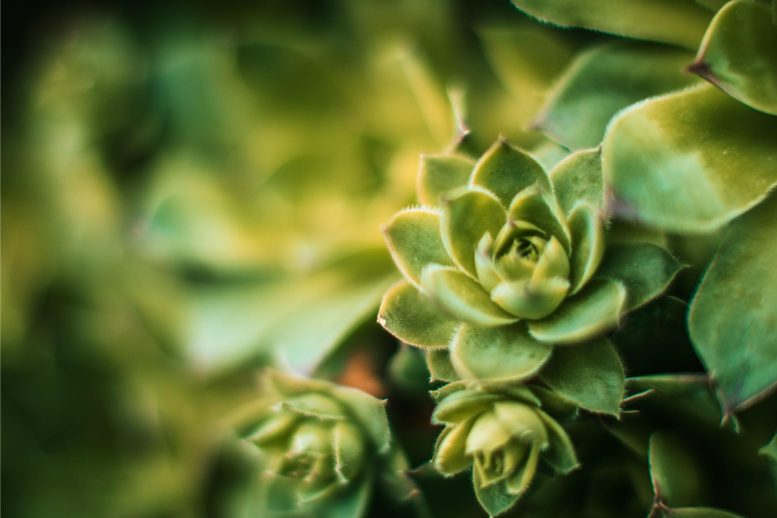
New research demonstrates that “plant blindness” is caused by urban life and could be cured through wild food foraging.
“Plant blindness” is caused by a lack of exposure to nature and could be cured by close contact through activities such as wild food foraging, a study shows.
According to the study, a lack of knowledge and appreciation for local flora results from less time spent with plants and is not an inherent quality of being a human. Due to this, people frequently believe that plants are “less alive” than animals.
Urbanization in Plant Awareness Disparity
Researchers claim that exposing people to biodiverse settings and changing their ideas of the perceived value of plants are the keys to breaking the cycle of plant awareness disparity. When compared to animals, urban civilizations exhibit well-documented plant blindness, which is a lack of interest and awareness for plants.
According to Dr. Bethan Stagg from the University of Exeter and Professor Justin Dillon from University College London, individuals acquire a greater awareness of plants when they interact with them often and in ways that are directly related to their daily lives.
Researchers analyzed 326 articles published in academic journals that were published between 1998 and 2020. Most showed people had more interest and paid more attention – and were more likely to remember – information about animals.
There was no conclusive evidence that this was a trait that humans were born with; rather, the diminished experience of nature in urbanized civilizations seemed to be the root of the problem. If individuals had regular contact with plants, it was not inevitable.
The research shows a decline in relevant experience with plants leads to a cyclical process of inattention. This can be addressed through first-hand experiences of edible and useful plants in local environments.
Studies showed it was common for children – especially when young – to see plants as inferior to animals and not to be able to identify many species.
Plant awareness disparity was reported in teachers as well as students, particularly in primary teachers who had not graduated in a science subject.
Older people had better plant knowledge, which studies suggest was because they were more likely to have nature-related hobbies.
Thirty-five studies found that modernization or urbanization had a negative impact on plant knowledge. The increased reliance on urban services and a cash economy reduced the utility of plant foraging. School attendance and work reduced the time available to spend in the natural environment. These factors also reduced the time spent with family, negatively impacting the oral transmission of plant knowledge between children and older relatives.
Reconnecting People with Plants
Dr. Stagg said: “People living in highly industrialized countries have a plant attention deficit due to a decline in relevant experience with plants, as opposed to a cognitive impediment to the visual perception of plants. People living in rural communities in low and middle-income countries were more likely to have high plant knowledge due to a dependence on natural resources. Interestingly, economic development does not necessarily lead to this knowledge being lost if communities still have access to biodiverse environments.
“The key is to demonstrate some direct benefits of plants to people, as opposed to the indirect benefits through their pharmaceutical and industrial applications, or their value to remote, traditional societies. The level of botanical knowledge in younger generations is shown to be directly related to their perceived usefulness of this knowledge.
“’Wild plant’ foraging shows considerable promise in this respect, both as a way of introducing people to multiple species and connecting them with some ‘modern-day’ health, cultural and recreational uses.”
Reference: “Plant awareness is linked to plant relevance: A review of educational and ethnobiological literature (1998–2020)” by Bethan C. Stagg and Justin Dillon, 21 September 2022, Plants People Planet.
DOI: 10.1002/ppp3.10323
Never miss a breakthrough: Join the SciTechDaily newsletter.
Follow us on Google and Google News.
14 Comments
looks like its time to put the plant on the rainbow flag.
Plants becom blind in inhospitable environment changed due to urbanisation,but can be cured to some extent,form being diminished by gaining nature with food with moral value while coped up with ecosystem balancing neighbouring small living creatures’ zoo.This is a common experience.
Plant blindness is curable to possible extent by revival of passion for nature and keepung positive attitude.
“Cure” implies a pathological condition. Please rethink your wording.
This sounds like a joke or perhaps the author is not getting the point across. I love the great outdoors and consider myself a forest baby as I grew up in the woods. I don’t want 8 billion people foraging for food that would destroy what few wild places are left on this planet. How about a visit to a farm where food is grown or a visit to a greenhouse where houseplants are grown or even watching some programs regarding the need for plants. Now for the other part yes plants are living but if we put plants on par with animals what are the vegans going to eat?
Yes, I too thought plant blindness was a condition. No, that’s just the phrase they use in the cities, where cultivation has never been a thing anyway. You know the person who wrote this didn’t grow up pulling weeds in Mama’s garden. Just because you aren’t educated about flora doesn’t mean it’s a national condition. Get a real job, you suck at this one.
Who’s 5th grade science fair report was this based off of? Obvious and mundane ‘information’ here. Whoever paid for this one is probably licking their wounds right about now.
“’Wild plant’ foraging shows considerable promise in this respect, both as a way of introducing people to multiple species and connecting them with some ‘modern-day’ health, cultural and recreational uses.”
Do we really want to teach people “modern day health, cultural and RECREATIONAL” uses? I remember reading that plants like peyote and American sassafras are at risk because of over harvesting for recreational use….. I am certain that there’s more plants that I am not aware of that have recreational uses.
Sometimes it’s just like… How much money was wasted to figure out what we already knew and just say it in a scientific way…..
This has got to be the dumbest article I’ve ever read. I grew closely to nature, in rural countryside taking frequent camping trips. That being said, there’s an obvious reason why people prefer having pets or remembering more about animals over plants and that’s because pets are sentient and can offer love and companionship and are just more interesting because it’s their sentience. Can a carrot offer companionship or make you laugh over doing something funny?
So… go touch grass?
Wonderfully elaborated on. I’ve grown up in the city most of my life, and also a farm. It’s interesting to see the differences in what you perceive in these two environments. Namely, people in urbanized sprawling complexes will be blind to wildlife or nature when it isn’t relevant to them. This is not the default state for humans, as we come from wilderness. We’ve tried to separate ourselves from it, differentiate what we are and it is, but we are still mammalian, still primate, still human. Biology defines. The funny thing is, I was a lot happier at the farm. I didn’t know it then, the Xbox 360 had come out around then so tech was freshly new to me and oh so wonderful. It made me forget about the world, I had all the entertainment I needed right there. And that was fine, we all can live like that, but at one point does it become the same thing? Because it is ultimately a game. Held back by codes and script, it is not the ultimate experience. But what is the ultimate experience? We would try and find this answer, but it’s just life. It’s you, your body, it’s people, your connections, and your environment. All these things matter because they directly affect you. Notice how the farm sprawlers are quick to dismiss these claims or laugh it down because they may live closer to this, or just be ignorant. Who knows
But Plant Blindness is a disorder; its just part of the larger picture of humans battle over urbanism and naturalism. But the answer lies somewhere in the middle.
P.s I didn’t have time to revise this nor plan to, please and love!
Why are all of you dicks in the comments…You think the world revolves around your life experience, lol. This article is telling people to get outside and be with nature to appreciate and understand what has been lost to the world due to the ease business affords the world now. I love nature but when I sit down and think about what I really know, it’s not much other than what I can see. Bunch of f***ing haters 😑
This was definitely an AI generated article about the dumbest “condition” ever coined. Fortunately these comments are actually human and made it worthwhile.