
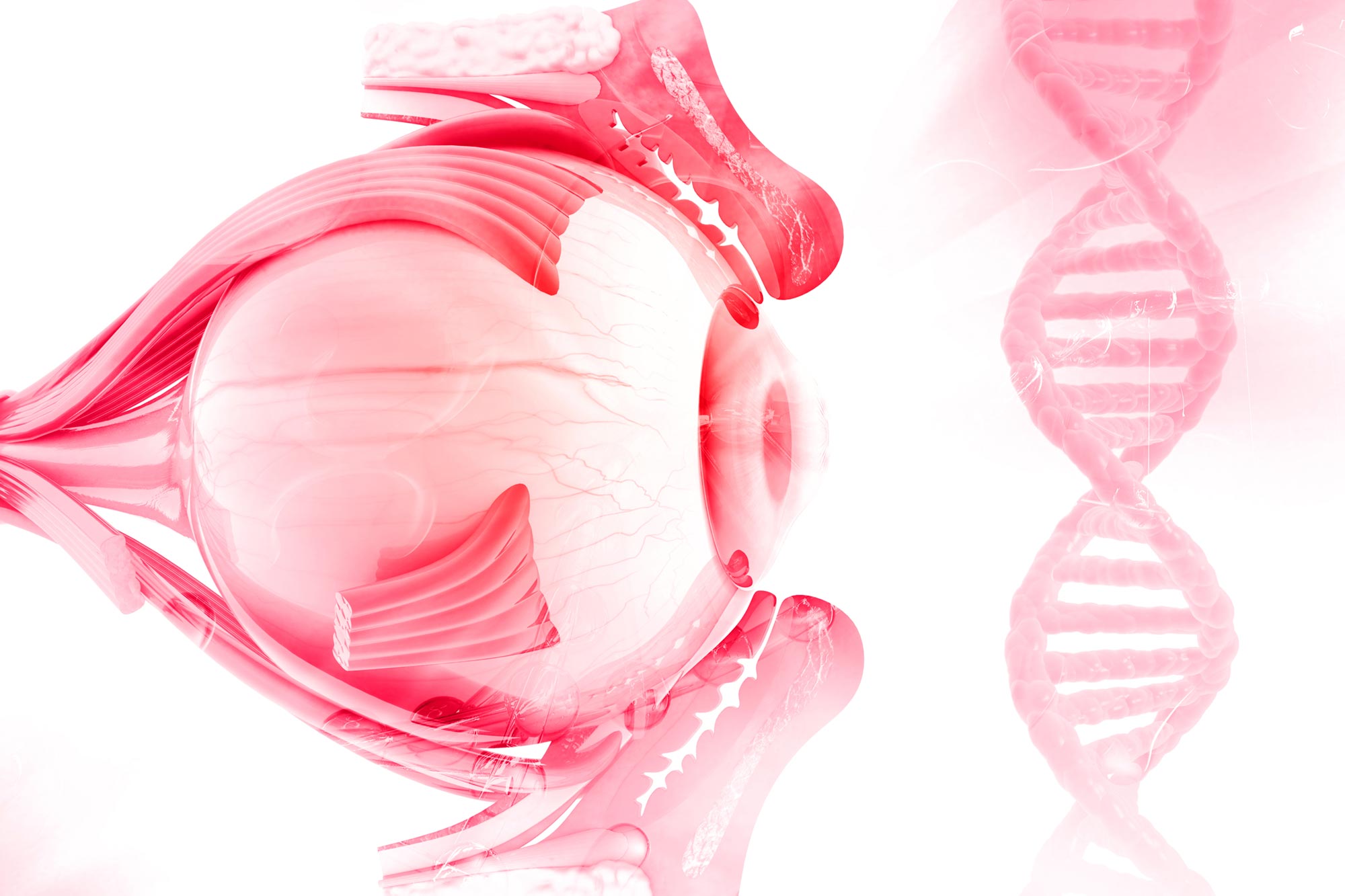
A single ancient eye may explain how modern vision and the pineal gland evolved in vertebrates.
Humans carry a surprising relic from deep evolutionary history, one that traces back to a tiny, one-eyed ancestor that lived nearly 600 million years ago. New findings on eye evolution highlight how this unusual feature played a key role in shaping modern biology.
A research team from Lund University and the University of Sussex reports that early vertebrates descended from an organism with one eye located at the top of its head. According to the study, this structure did not disappear entirely over time. Instead, it evolved into what is now the pineal gland in the human brain.
“The results are a surprise. They turn our understanding of the evolution of the eye and the brain upside down,” says Dan-E Nilsson, professor emeritus in sensory biology at Lund University.
Early vertebrates once lost their eyes
This distant ancestor lived nearly 600 million years ago and had a body similar to a small, worm-like animal. It spent its life filtering plankton from seawater and remained largely stationary. Although it originally possessed paired eyes, like many animals, those structures were eventually lost.
“We don’t know whether the paired eyes in our branch of the evolutionary tree were just light-sensitive cells or simple image-forming eyes. We only know that the organism later lost them,” says Dan-E Nilsson.
As the organism adapted to a slower, less active way of life, the need for two eyes disappeared. Over time, those features were lost, but a cluster of light-sensitive cells remained at the center of its head. These cells developed into a simple median eye that could detect light cycles and orientation, helping the organism distinguish day from night and determine direction.
Modern eyes emerged from a single structure
Millions of years later, descendants of this organism returned to a more active, swimming lifestyle. This shift increased the need for better vision. Researchers suggest that new paired eyes eventually formed from parts of the earlier median eye.
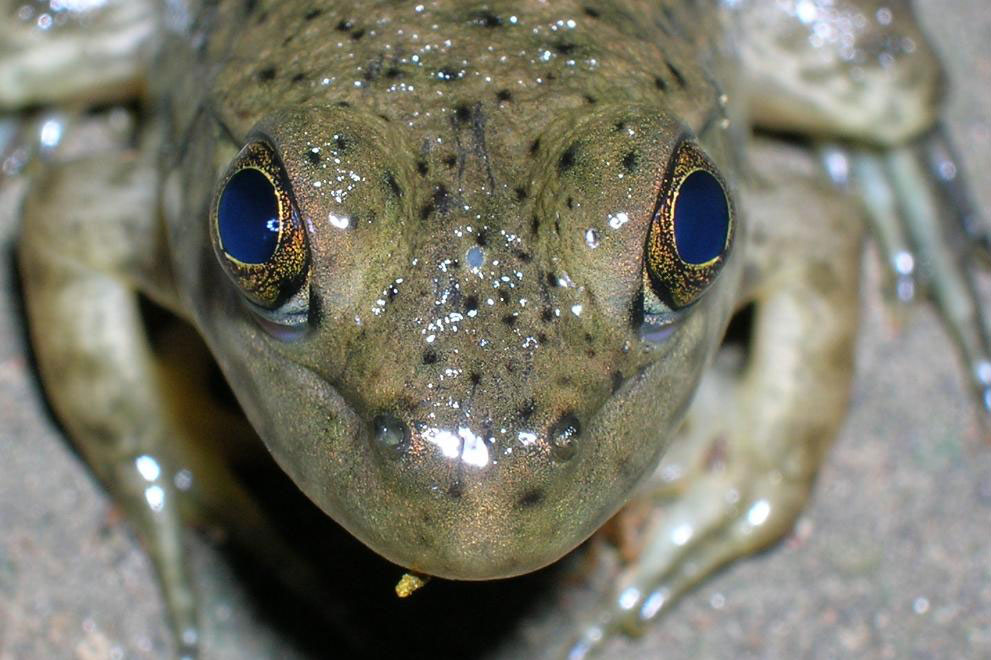
“Now we finally understand why the eyes of vertebrates differ so radically from the eyes of all other animal groups, such as insects and squid. The film of our eyes – the retina – developed from the brain, whereas the eyes of insects and squid originate in the skin on the sides of the head,” says Dan-E Nilsson.
This evolutionary pathway helps explain why vertebrate eyes are structurally different from those found in other animals. The study draws on a broad comparison of light-sensitive cells across species, as well as their structure and placement within the body, to support this conclusion.
“For the first time, we now also understand the origin of the neural circuits that analyze the image in our retina,” adds Dan-E Nilsson.
Ancient eye persists in human biology
Traces of that ancient median eye still exist today in the form of the pineal gland. This small structure in the brain remains sensitive to light and plays a key role in regulating sleep cycles by producing the hormone melatonin.
“It’s mind-boggling that our pineal gland’s ability to regulate our sleep according to light stems from the cyclopean median eye of a distant ancestor 600 million years ago,” concludes Dan-E Nilsson.
Reference: “Evolution of the vertebrate retina by repurposing of a composite ancestral median eye” by George Kafetzis, Michael J. Bok, Tom Baden and Dan-Eric Nilsson, 23 February 2026, Current Biology.
DOI: 10.1016/j.cub.2025.12.028
Never miss a breakthrough: Join the SciTechDaily newsletter.
Follow us on Google and Google News.