
Close Menu
    Facebook X (Twitter) Instagram
    SciTechDaily
    • Biology
    • Chemistry
    • Earth
    • Health
    • Physics
    • Science
    • Space
    • Technology
    Facebook X (Twitter) Pinterest YouTube RSS
    SciTechDaily
    Home»Earth»Incredible View of Tropical Storm Elsa Captured From Space
    Earth

    Incredible View of Tropical Storm Elsa Captured From Space

    By Mike Carlowicz, NASA Earth ObservatoryJuly 11, 2021No Comments2 Mins Read
    Facebook Twitter Pinterest Telegram LinkedIn WhatsApp Email Reddit
    Share
    Facebook Twitter LinkedIn Pinterest Telegram Email Reddit
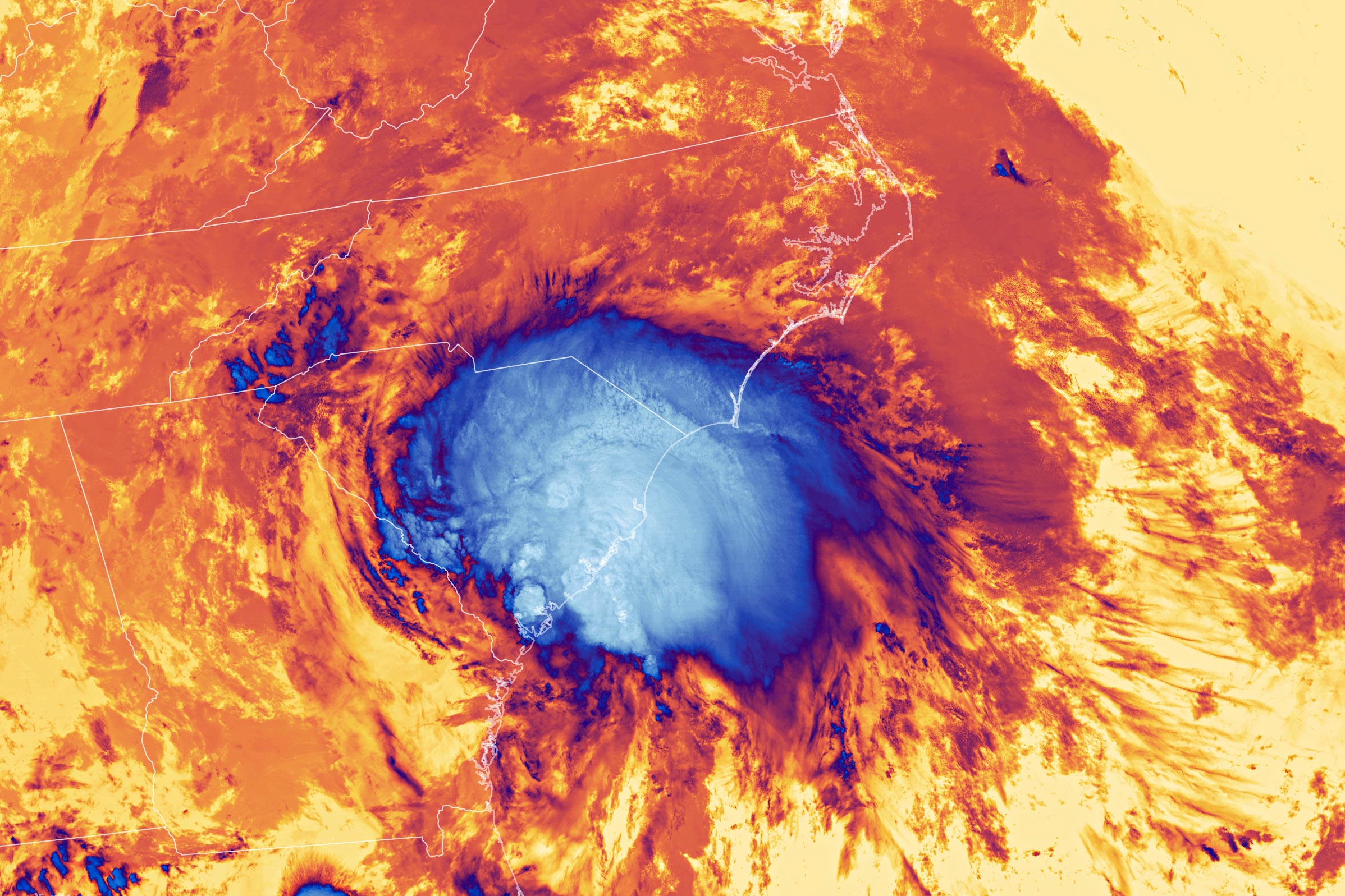
    Tropical Storm Elsa Brightness Temperature Annotated
    July 8, 2021

    The first hurricane of the Atlantic season made a series of landfalls and dropped abundant rain from the Caribbean to the U.S. East Coast.

    Tropical Storm Elsa continues its march up the eastern coast of the United States. On July 8, 2021, National Weather Service forecasters warned of heavy rain, flash flooding, and gusty winds from the Carolinas to the Maine coast and Canadian Maritimes through the weekend.

    The Visible Infrared Imaging Radiometer Suite (VIIRS) on the NOAA-20 satellite acquired this image of Tropical Storm Elsa around 3 a.m. Eastern Daylight Time on July 8, 2021. Around the time of the image, Elsa had sustained winds of 60 miles (95 kilometers) per hour. Clouds are shown in infrared using brightness temperature data, which is useful for distinguishing cooler cloud structures from the warmer surface below and for showing finer details of a storm. The coolest temperatures are generally associated with the tallest clouds.
    Tropical Storm Elsa ISS
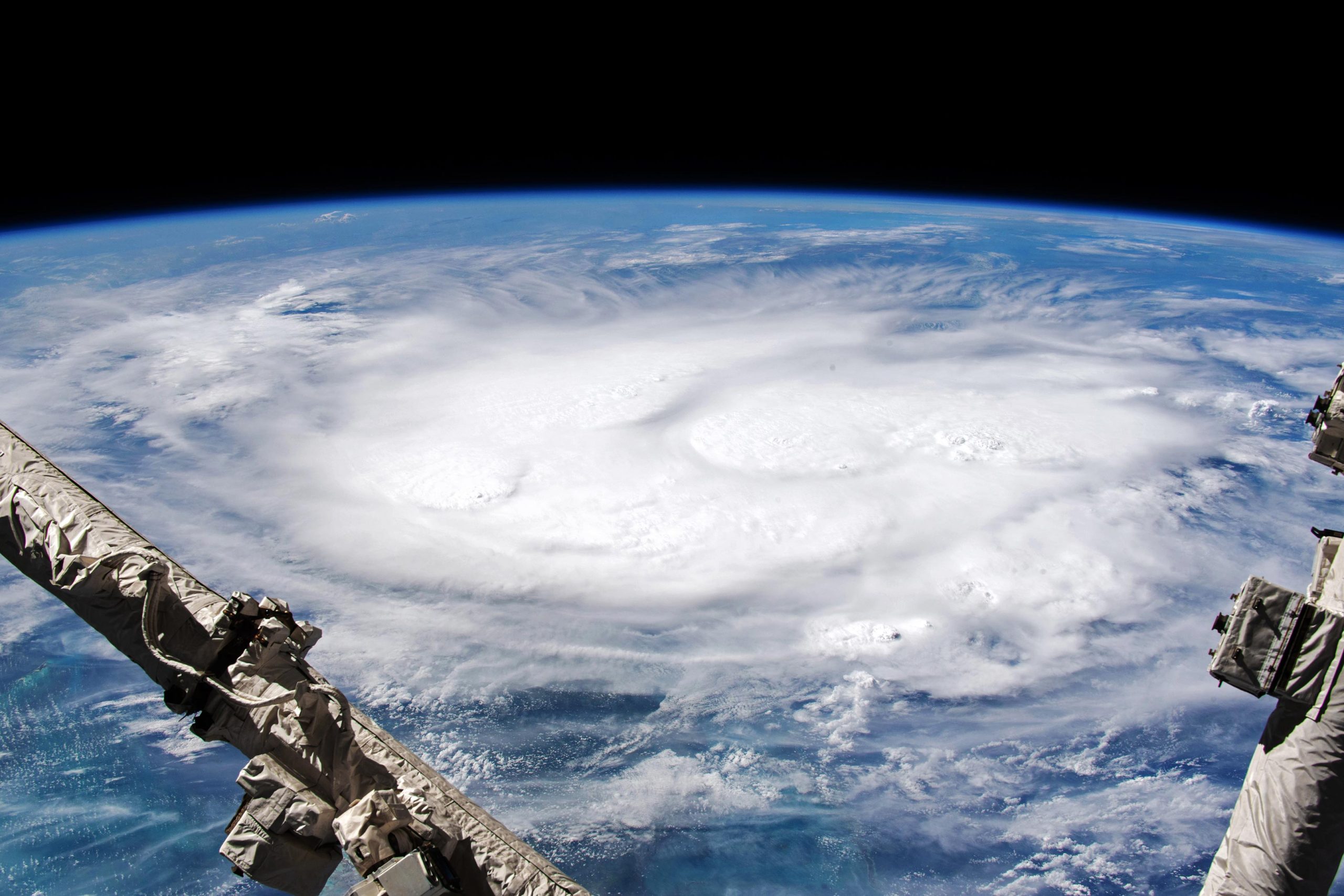
    July 4, 2021

    Earlier in the week, an astronaut shot this photo from the International Space Station. It shows Elsa on July 4 as the storm advanced across the Caribbean Sea toward Jamaica and Cuba.

    The storm first developed off the coast of South America on July 1. By the next day, Elsa briefly strengthened into the first hurricane of the 2021 Atlantic season. Though wind speeds have not exceeded tropical storm force since July 3, the storm has brought heavy rain and wind damage to Barbados, St Lucia, Jamaica, Cuba, Florida, and Georgia so far. Use NASA Worldview to watch a time-lapse view of the storm.

    NASA Earth Observatory image by Lauren Dauphin, using VIIRS data from NASA EOSDIS LANCE, GIBS/Worldview, and the Suomi National Polar-orbiting Partnership. Astronaut photograph ISS065-E-156511 was acquired on July 4, 2021, with a Nikon D5 digital camera using an 50 millimeter lens and is provided by the ISS Crew Earth Observations Facility and the Earth Science and Remote Sensing Unit, Johnson Space Center. The image was taken by a member of the Expedition 65 crew. The image has been cropped and enhanced to improve contrast, and lens artifacts have been removed.

    Never miss a breakthrough: Join the SciTechDaily newsletter.
    Follow us on Google and Google News.

    Hurricane NASA NASA Earth Observatory Storms Weather
    Share. Facebook Twitter Pinterest LinkedIn Email Reddit

    Related Articles

    Gorgeous Watercolor Seas in the Wake of Hurricane Ian

    Dramatic Satellite Images Show Power Outages After Hurricane Ian

    Fuel for Hurricane Ian: Fearsome Power Comes From the Ocean

    Hurricane Ian Enters the Gulf of Mexico – Headed Toward the West Coast of Florida

    Hurricane Fiona & Typhoon Nanmadol: Powerful Storms Hit Puerto Rico and Japan

    Hurricane Ida Leaves a Trail of Oil in the Gulf of Mexico

    A Changed Landscape in Southern Louisiana After Hurricane Ida: Large New Patches of Open Water

    NASA Satellite Observes Massive Power Outages in New Orleans

    Hurricane Ida Batters Louisiana: 5th-Strongest Storm Ever To Make Landfall in the Continental U.S.

    Leave A Reply Cancel Reply

    • Facebook
    • Twitter
    • Pinterest
    • YouTube

    Don't Miss a Discovery

    Subscribe for the Latest in Science & Tech!

    Trending News

    Could Low Vitamin D Be Making Your Pain Worse?

    Scientists Discover Once-Weekly Workout That Melts Belly Fat Surprisingly Effectively

    Scientists Just Tested a Thruster Powerful Enough for Human Missions to Mars

    Doctors Say Your Ice Pack Might Be Making Injuries Worse

    Scientists Discover 43-Foot Sea Reptile Twice the Size of a Great White Shark

    Bees and Birds Are Drinking Alcohol From Flowers

    Scientists Discover How Obesity May Trigger Alzheimer’s Disease

    Scientists Confirm Alcohol Causes Widespread Health Damage

    Follow SciTechDaily
    • Facebook
    • Twitter
    • YouTube
    • Pinterest
    • Newsletter
    • RSS
    SciTech News
    • Biology News
    • Chemistry News
    • Earth News
    • Health News
    • Physics News
    • Science News
    • Space News
    • Technology News
    Recent Posts
    • Scientists Discover Sperm Seem To Bypass a Fundamental Law of Physics
    • The Secret Behind Indigenous Andeans’ “Digestive Superpower” May Be Potatoes
    • Archaeologists Discover Mysterious Artificial Island Older Than Stonehenge in Scotland
    • Magnon Breakthrough Could Shrink Quantum Computers to the Size of a Penny
    • NASA Finds a “Goldilocks” Giant Planet Wrapped in Methane
    Copyright © 1998 - 2026 SciTechDaily. All Rights Reserved.
    • Science News
    • About
    • Contact
    • Editorial Board
    • Privacy Policy
    • Terms of Use

    Type above and press Enter to search. Press Esc to cancel.