

Two NASA astronauts are preparing for the first spacewalk of the year aboard the International Space Station (ISS). The Expedition 72 crew has also kicked off the week by conducting research in botany, combustion, and human physiology, as well as practicing departure procedures from the orbital outpost.
Preparing for the Spacewalk
Flight Engineer Nick Hague and Commander Suni Williams are set to power up their spacesuit batteries at approximately 8 a.m. EST on Thursday, January 16, marking the official start of their science and maintenance spacewalk.
Exiting the Quest airlock, they will spend about six-and-a-half hours in the vacuum of space working on critical astrophysics equipment, including the NICER X-ray telescope and the Alpha Magnetic Spectrometer. Earlier in the week, the pair organized and prepared spacewalking tools inside the Quest airlock, while NASA Flight Engineer Butch Wilmore installed and charged the lithium-ion batteries that will supply power to their suits.
NASA+ will begin live coverage of the spacewalk at 6:30 a.m. on Thursday.
Enhancing Spacecraft Safety and Plant Research
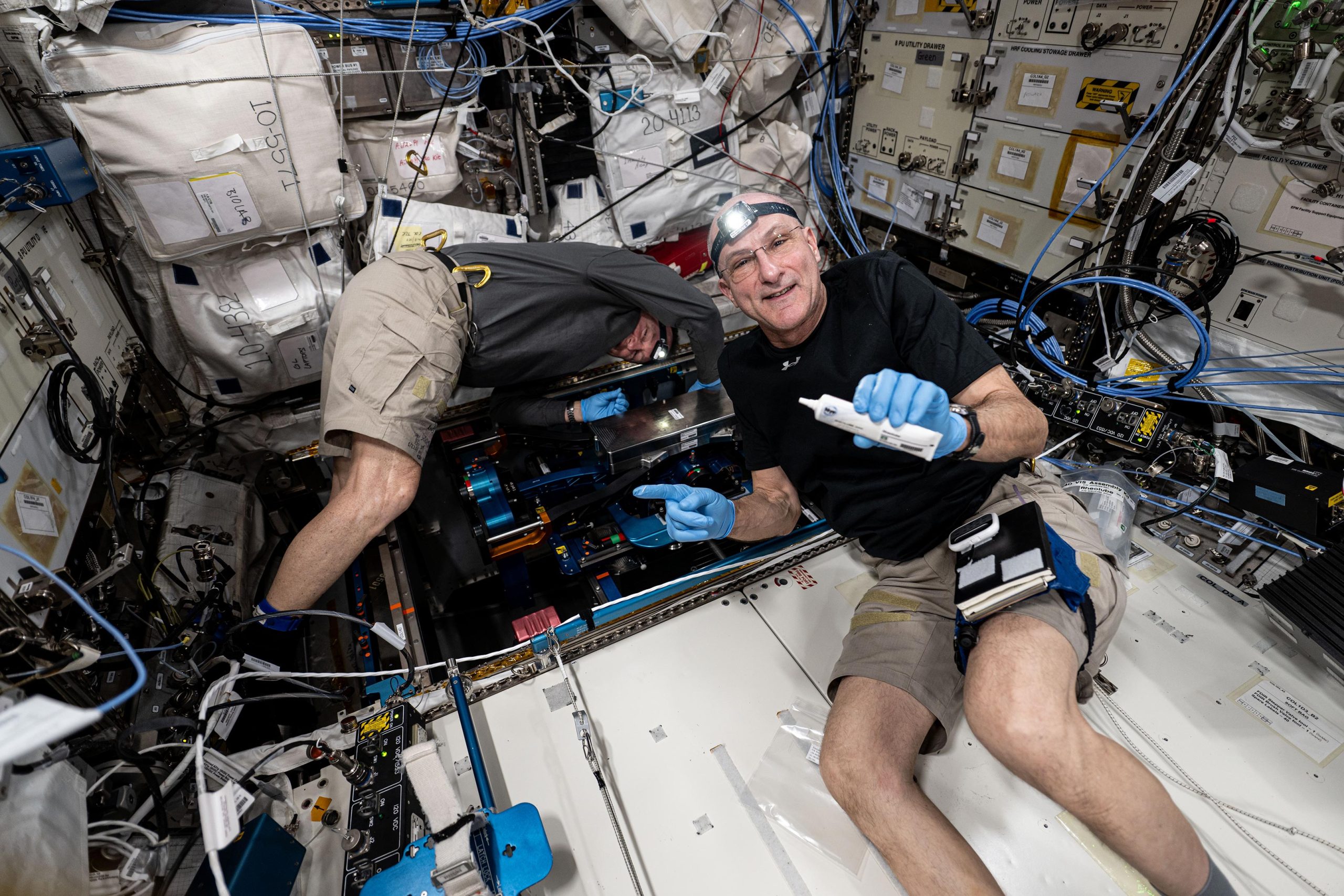
Hague and Williams also spent the first half of their day focusing on research to improve spacecraft safety and sustain crews on long term missions. Hague opened up the Combustion Integrated Rack and swapped samples of materials to observe how they burn in weightlessness. Understanding how flames spread in space may improve fire safety on crew missions. Williams installed new hardware and supplied water to the Advanced Plant Habitat for a space botany study exploring how different water levels affect plant growth to provide food for crews on long-term space missions.
Water Sampling and Emergency Preparedness
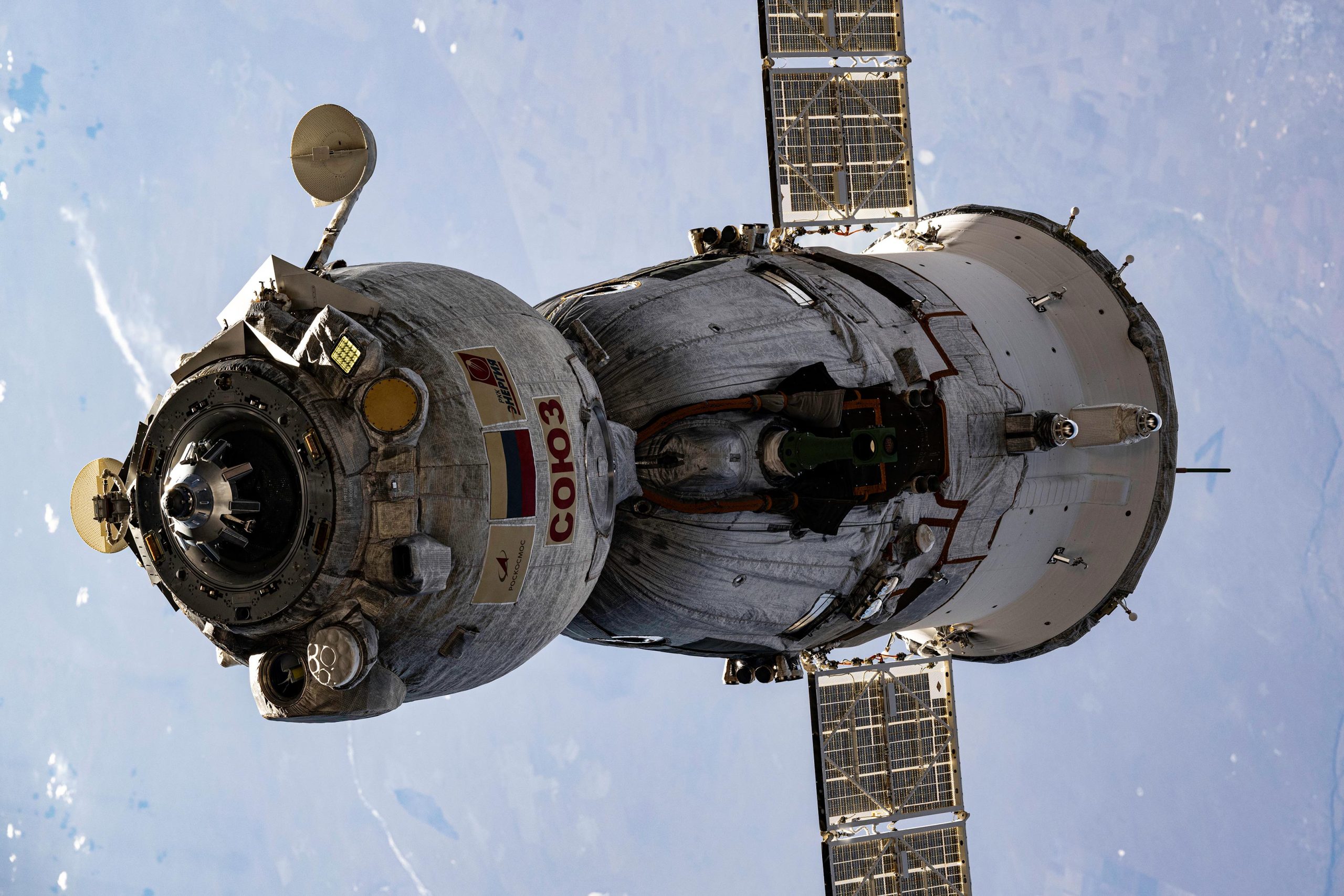
Wilmore had earlier started his shift collecting potable water samples for analysis and then inspecting emergency gear such as fire extinguishers and breathing masks. NASA Flight Engineer Don Pettit joined cosmonauts Alexey Ovchinin and Ivan Vagner and conducted emergency training in the unlikely event the trio would have to evacuate the orbital outpost inside the Soyuz MS-26 crew ship and return to Earth.
Human Physiology Research in Microgravity
Ovchinin and Vagner later attached sensors to themselves and measured how microgravity affects blood flow through the tiniest vessels in the human circulatory system for a Roscosmos human research investigation. Flight Engineer Aleksandr Gorbunov worked on life support maintenance throughout the orbital outpost’s Roscosmos segment on Monday.
Never miss a breakthrough: Join the SciTechDaily newsletter.
Follow us on Google and Google News.