
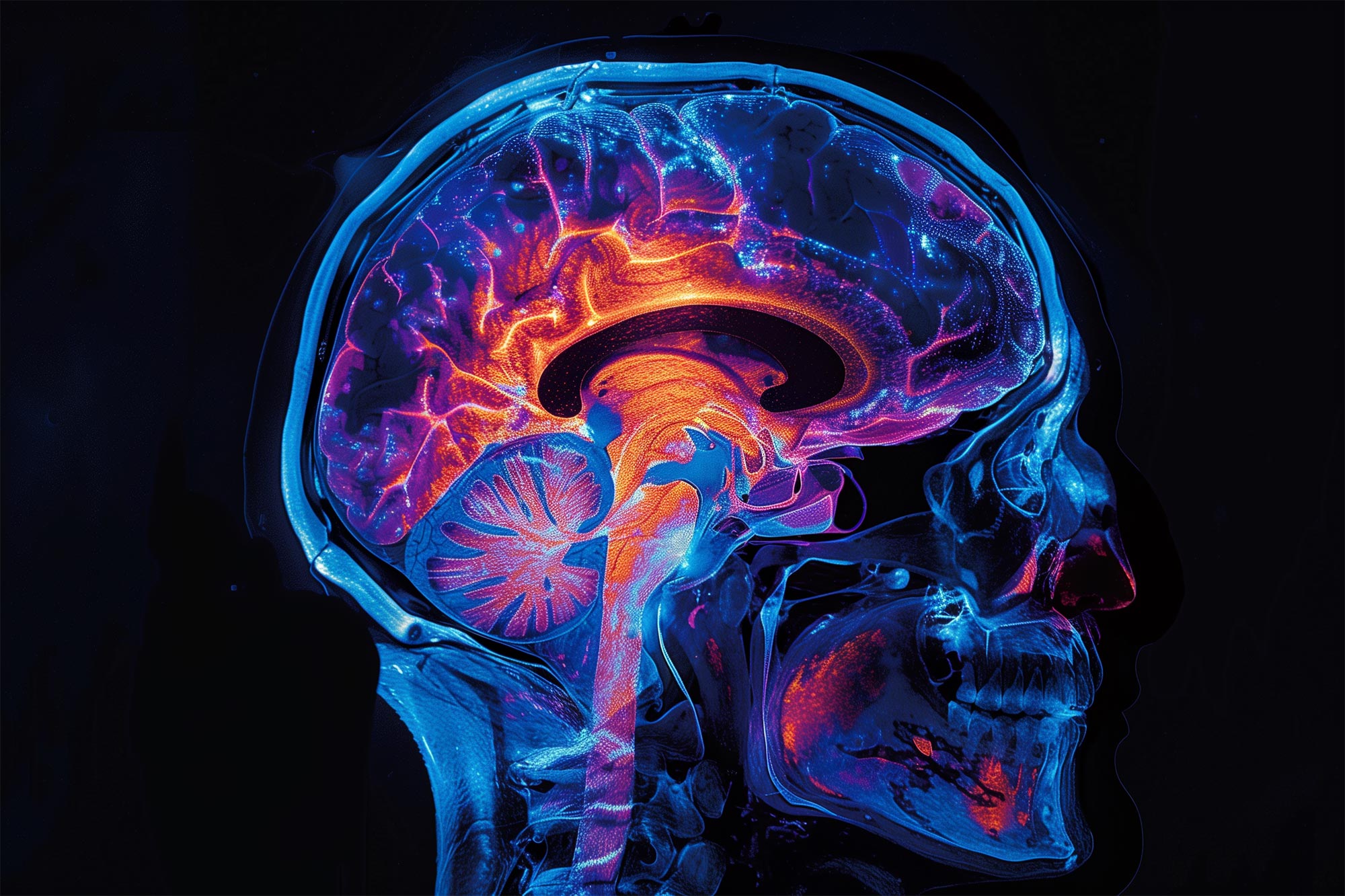
Toxic leukoencephalopathy has been seen with heroin inhalation, but this is the first reported fentanyl case.
Inhaling the synthetic opioid fentanyl may cause potentially irreversible brain damage (toxic leukoencephalopathy), warn doctors in the journal BMJ Case Reports, after treating a middle-aged man found unresponsive in his hotel room after snorting the drug.
Leukoencephalopathy refers to inflammation and damage to the brain’s white matter—the network of nerve fibers that enable the exchange of information and communication between different areas of the brain’s grey matter.
First Case Linked to Fentanyl
Toxic leukoencephalopathy is a sudden or longstanding neurological syndrome, which has been reported after heroin inhalation, known as ‘chasing the dragon’. But this is the first reported case associated with fentanyl, say the report authors.
The condition is manifest in various signs and symptoms, the most obvious of which are neurological and behavioral changes, ranging from mild confusion to stupor, coma, and death.
The outlook for those affected generally depends on the extent of white matter injury, explain the report authors: some people will recover fully; others will progressively get worse.
Clinical Presentation and Diagnosis
In this case, the man had no previous medical problems of any note, and had been unconscious for an unknown period of time in his hotel room, where unidentified crushed pills and a white residue were found on a nearby table.
On arrival at the hospital, he wasn’t able to answer questions or follow commands. He responded to pain stimuli to his legs, but not his arms.
A brain scan revealed inflammation and swelling of white matter as well as cerebellar injury. The cerebellum is the part of the brain responsible for gait and balance. He tested negative for epilepsy.
A drug screen returned negative results, but a separate urine test indicated a very high level of fentanyl, prompting a diagnosis of toxic leukoencephalopathy induced by fentanyl inhalation.
Treatment and Remarkable Recovery
Eighteen days later, he remained bedbound and still required tube feeding. He was given several different drugs to treat urinary incontinence, kidney injury, cognitive impairment, suspected opioid withdrawal, pain and agitation, and pneumonia.
After 26 days he was discharged to a rehabilitation facility, and after another month returned home with the support of outpatient physiotherapy and occupational therapy.
Less than a year after his hospital admission he had fully recovered and had returned to work full time.
Commenting on the incident, he describes his recovery as “miraculous,” adding: “Early on it was looking like I would need 24-hour care after being discharged, but I focused and worked hard in my therapy session and was determined not to leave the hospital only to be checked into a group facility for ongoing care.”
Conclusion and Recommendations
Expressing gratitude to all the healthcare professionals who not only saved his life, but enabled him to get back to the life he had before, he says: “I have regrets often about what I did to myself, my wife, and my family.”
The report’s authors conclude: “This case illustrates the need for inclusion of fentanyl in routine urine drug screens for earlier identification and appropriate management.”
For more on this research, see First Documented Brain Damage From Fentanyl Inhalation.
Reference: “Clinical and neuroradiographic features of fentanyl inhalation-induced leukoencephalopathy” by Christopher O Eden, Duna S Alkhalaileh, David R Pettersson, Alan J Hunter and Asad H Arastu, 1 April 2024, BMJ Case Reports CP.
DOI: 10.1136/bcr-2023-258395
Never miss a breakthrough: Join the SciTechDaily newsletter.
Follow us on Google and Google News.