

Close Menu
    Facebook X (Twitter) Instagram
    SciTechDaily
    • Biology
    • Chemistry
    • Earth
    • Health
    • Physics
    • Science
    • Space
    • Technology
    Facebook X (Twitter) Pinterest YouTube RSS
    SciTechDaily
    Home»Science»Joint Diseases Plagued the Ice Age’s Fierce Predators: Sabertooth Cats and Dire Wolves
    Science

    Joint Diseases Plagued the Ice Age’s Fierce Predators: Sabertooth Cats and Dire Wolves

    By PLOSDecember 21, 2023No Comments3 Mins Read
    Facebook Twitter Pinterest Telegram LinkedIn WhatsApp Email Reddit
    Share
    Facebook Twitter LinkedIn Pinterest Telegram Email Reddit
    Sabertooth Cat Snow Art Concept
    Researchers found that Ice Age sabertooth cats and dire wolves had a high rate of osteochondrosis in their joints, based on over 1,500 limb bones studied from the La Brea Tar Pits. This research suggests a potential link between these ancient species’ health issues and those of modern domestic animals. Credit: SciTechDaily.com

    Study finds surprisingly high incidence of osteochondrosis in these extinct predators.

    Ice Age sabertooth cats and dire wolves experienced a high incidence of bone disease in their joints, according to a study published recently in the open-access journal PLOS ONE by Hugo Schmökel of Evidensia Academy, Sweden and colleagues.

    Osteochondrosis in Ancient Species

    Osteochondrosis is a developmental bone disease known to affect the joints of vertebrates, including humans and various domesticated species. However, the disease is not documented thoroughly in wild species, and published cases are quite rare. In this study, Schmökel and colleagues identify signs of this disease in fossil limb bones of Ice Age sabertooth cats (Smilodon fatalis) and dire wolves (Aenocyon dirus) from around 55,000 to 12,000 years ago.
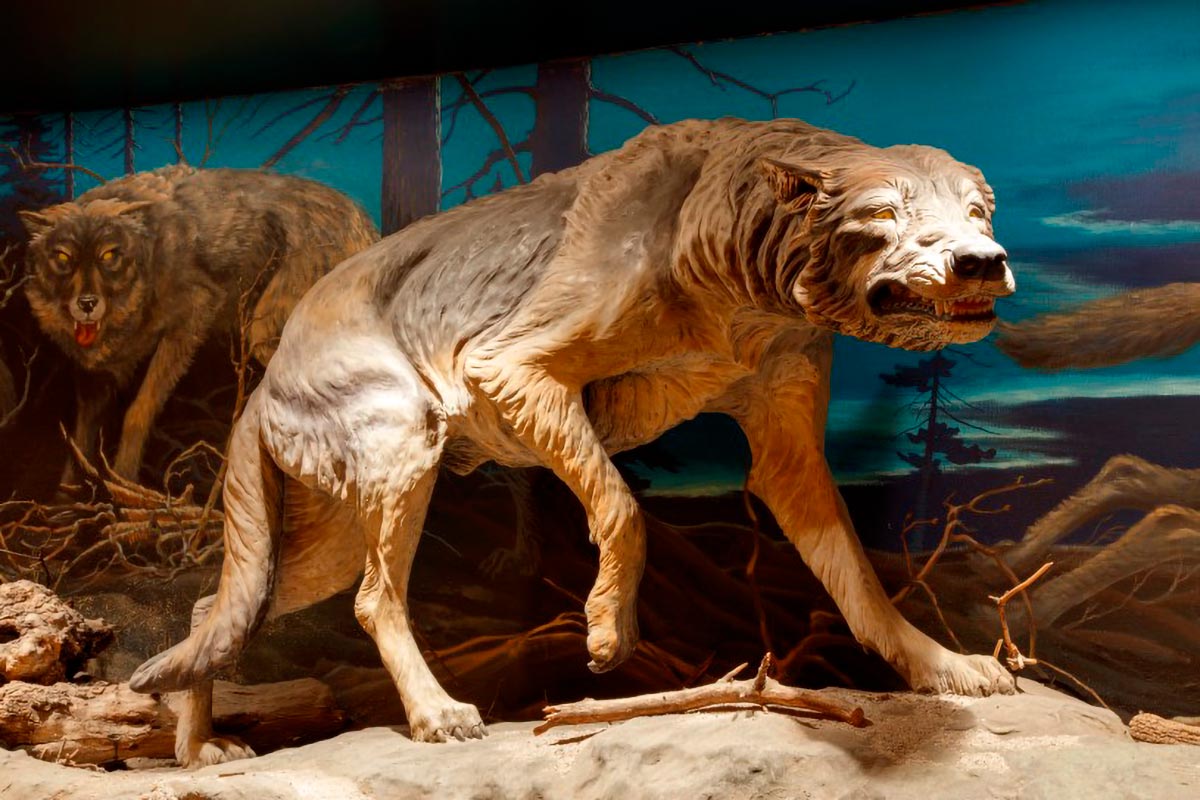
    Dire Wolf Reconstruction
    Photograph of a dire wolf reconstruction on exhibit at the La Brea Tar Pits & Museum. Credit: La Brea Tar Pits and Museum & Natural History Museum of Los Angeles County, CC-BY 4.0

    Research Findings From La Brea Tar Pits

    Researchers examined over 1,000 limb bones of sabertooth cats and over 500 limb bones of dire wolves from the Late Pleistocene La Brea Tar Pits, finding small defects in many bones consistent with a specific manifestation of bone disease called osteochondrosis dissecans (OCD). These defects were mainly seen in shoulder and knee joints, with an incidence as high as 7% of the examined bones, significantly higher than that observed in modern species.

    Implications and Future Research

    This study is limited to isolated bones from a single fossil locality, so further study on other fossil sites might reveal patterns in the prevalence of this disease, and from there might shed light on aspects of these animals’ lives. It remains unclear, for example, whether these joint problems would have hindered the hunting abilities of these predators. Furthermore, OCD is commonly seen in modern domestic dogs which are highly inbred, so it’s possible that the high incidence of the disease in these fossil animals could be a sign of dwindling populations as these ancient species approached extinction.
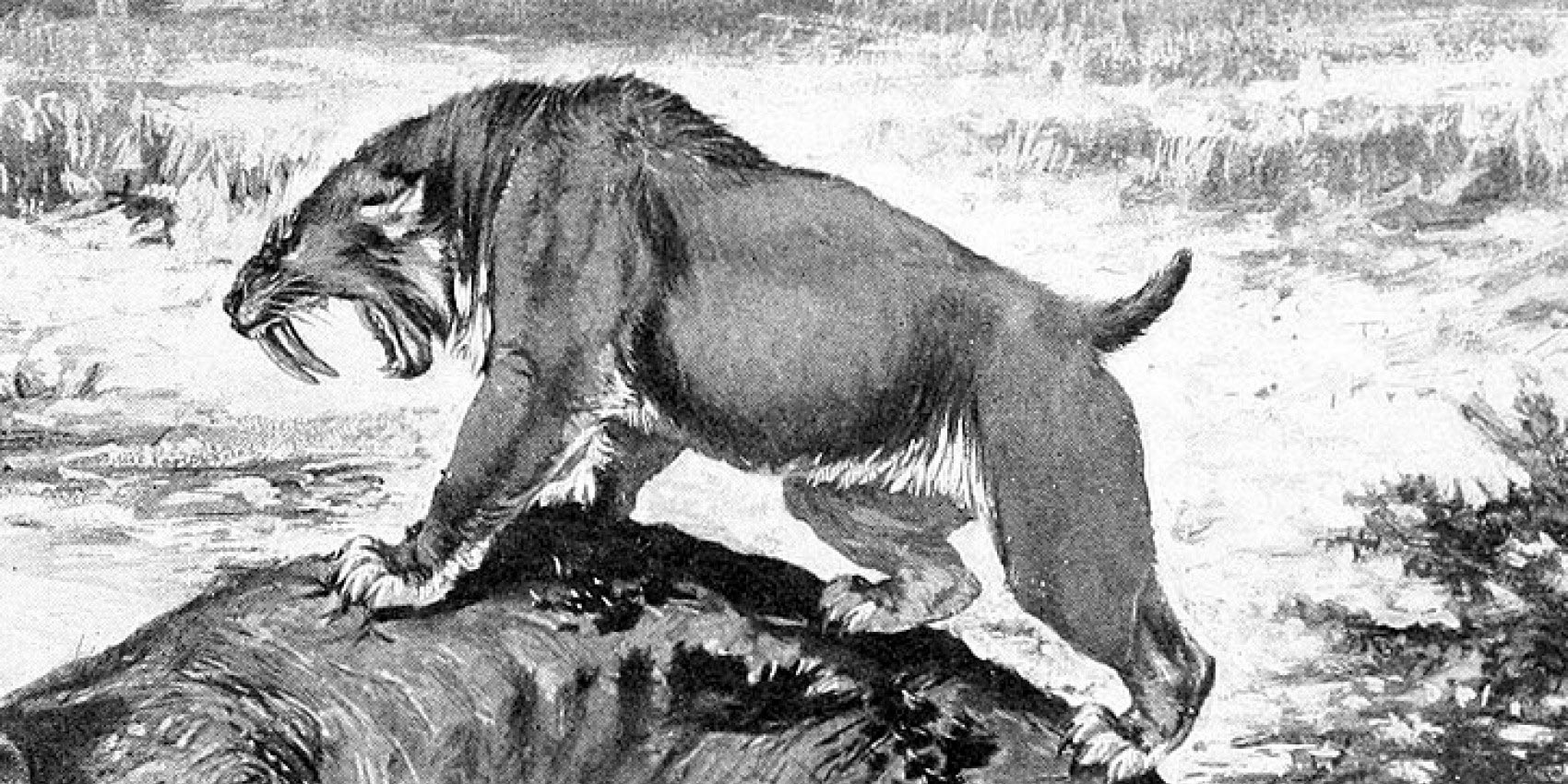
    Saber-Toothed Cat in the La Brea Tar Pits
    Detail from a 1911 illustration of a saber-toothed cat in the La Brea Tar Pits. Credit: Robert Bruce Horsfall & Natural History Museum of Los Angeles County, CC-BY 4.0

    Connection to Modern Animals

    The authors add: “This study adds to the growing literature on Smilodon and dire wolf paleopathology, made possible by the unparalleled large sample sizes at the La Brea Tar Pits & Museum. This collaboration between paleontologists and veterinarians confirms that these animals, though they were large predators that lived through tough times and are now extinct, shared common ailments with the cats and dogs in our very homes today.”

    Reference: “Subchondral defects resembling osteochondrosis dissecans in joint surfaces of the extinct saber-toothed cat Smilodon fatalis and dire wolf Aenocyon dirus” by Hugo Schmökel, Aisling Farrell and Mairin F. Balisi, 12 July 2023, PLOS ONE.
    DOI: 10.1371/journal.pone.0287656

    Never miss a breakthrough: Join the SciTechDaily newsletter.
    Follow us on Google and Google News.

    Bones Dogs PLOS
    Share. Facebook Twitter Pinterest LinkedIn Email Reddit

    Related Articles

    Manipulated and Utilized: The Tale of Ancient Human Remains in Spanish Caves

    Pet Ownership, Stress, and Loneliness: A Complex Relationship Unveiled During COVID-19

    Vegan Diets for Dogs May Be Linked With Better Health Over Raw or Conventional Meat Diets

    Why Flat-Faced Dogs, Like Pugs and Bulldogs, Remain Popular Despite Substantial Health Risks

    Humans Can Read Dogs’ Facial Expressions, but They Must First Learn How

    Coronacollina Acula, Oldest Organism With Skeleton Discovered

    33,000 Year Old Domesticated Dog Skull Found in Siberian Cave

    Neanderthal Home Made of Mammoth Bones Discovered

    ‘Skin Bones’ Helped Large Dinosaurs Survive In Harsh Times

    Leave A Reply Cancel Reply

    • Facebook
    • Twitter
    • Pinterest
    • YouTube

    Don't Miss a Discovery

    Subscribe for the Latest in Science & Tech!

    Trending News

    What Causes Chronic Pain? Scientists Identify Key Culprit in the Brain

    Semaglutide Shows Surprising Mental Health Benefits in Massive 100,000-Person Study

    This Liquid Snapped Instead of Flowing and Scientists Were Shocked

    Breakthrough Alzheimer’s Drug Rewires the Brain Instead of Just Clearing Plaques

    Scientists Discover Hidden “Footprint of Death” That Could Transform How We Fight Disease

    A Simple Nose Swab Could Detect Alzheimer’s Years Before Symptoms Appear

    Scientists Just Rewrote the Timeline of Complex Life on Earth

    Teenager’s Fossil Find Leads to Discovery of Shark Teeth in 5 Million-Year-Old Whale Skull

    Follow SciTechDaily
    • Facebook
    • Twitter
    • YouTube
    • Pinterest
    • Newsletter
    • RSS
    SciTech News
    • Biology News
    • Chemistry News
    • Earth News
    • Health News
    • Physics News
    • Science News
    • Space News
    • Technology News
    Recent Posts
    • Even “Failed” Diets May Deliver Long-Term Health Gains, Study Finds
    • Childhood Junk Food May Rewire the Brain for Life
    • NIH Scientists Discover Powerful New Opioid That Relieves Pain Without Dangerous Side Effects
    • Breakthrough Study Reveals Why Damaged Nerves Struggle To Heal
    • 20-Year Study Reveals Cholera’s Surprising Weakness
    Copyright © 1998 - 2026 SciTechDaily. All Rights Reserved.
    • Science News
    • About
    • Contact
    • Editorial Board
    • Privacy Policy
    • Terms of Use

    Type above and press Enter to search. Press Esc to cancel.