
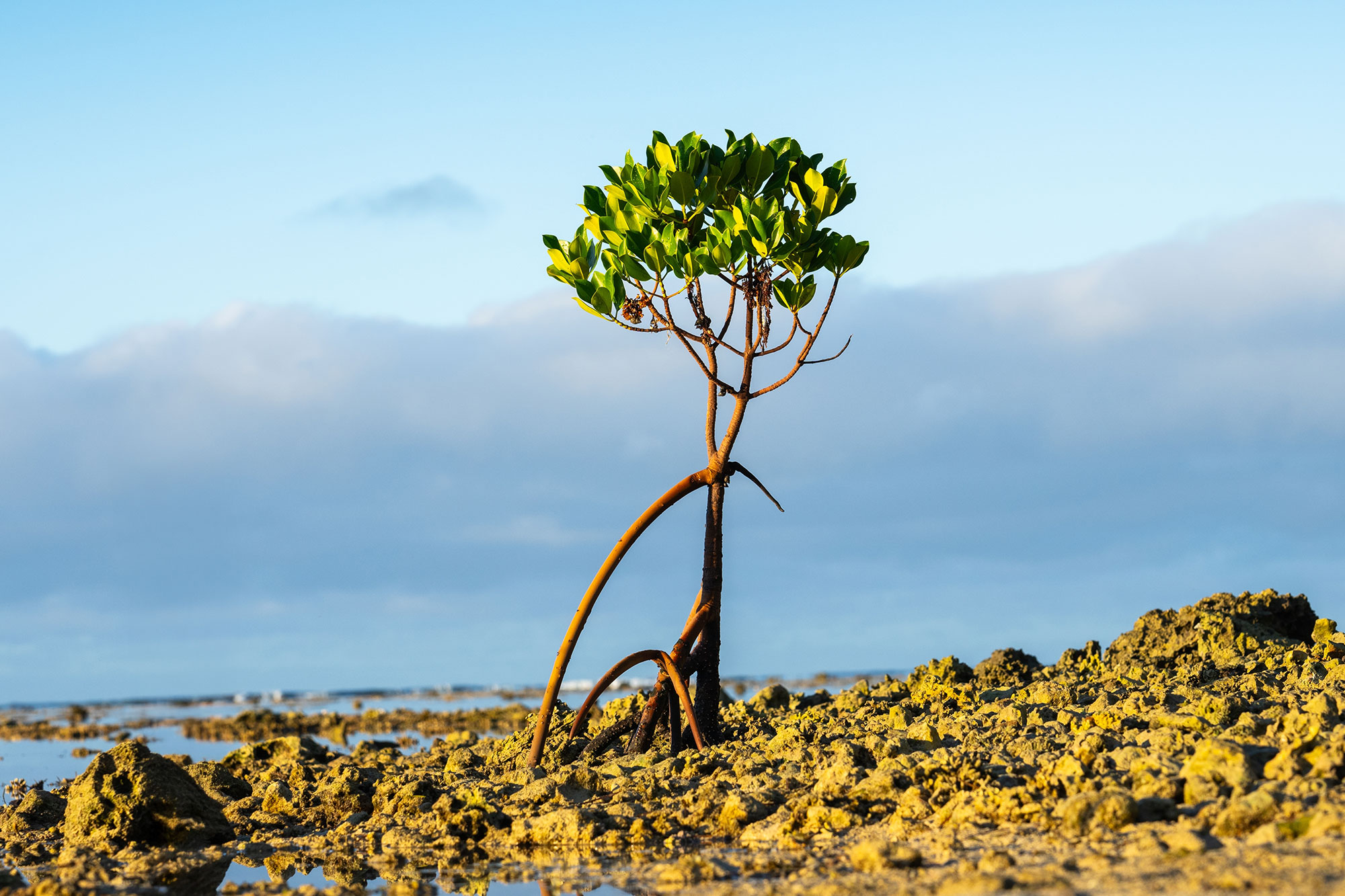
A new study from Iceland’s Surtsey Island reveals that birds were responsible for carrying most of the plants that colonized the island, challenging the long-held belief that seed or fruit shape determines how plants spread.
When Surtsey, a volcanic island, emerged from the North Atlantic Ocean in 1963, it provided scientists with a rare natural experiment to witness the birth of life on untouched ground.
For many years, ecologists believed that a plant’s ability to reach distant or isolated places depended largely on special traits for long-distance travel, such as fleshy fruits that attract birds, which then eat the fruit and later spread the seeds. These features were thought to give certain plants a key advantage in colonizing new environments.
However, a new study in Ecology Letters challenges that long-standing assumption. Researchers from Iceland, Hungary, and Spain discovered that most of the 78 vascular plant species that have appeared on Surtsey since 1965 lack the usual characteristics linked to long-distance dispersal.
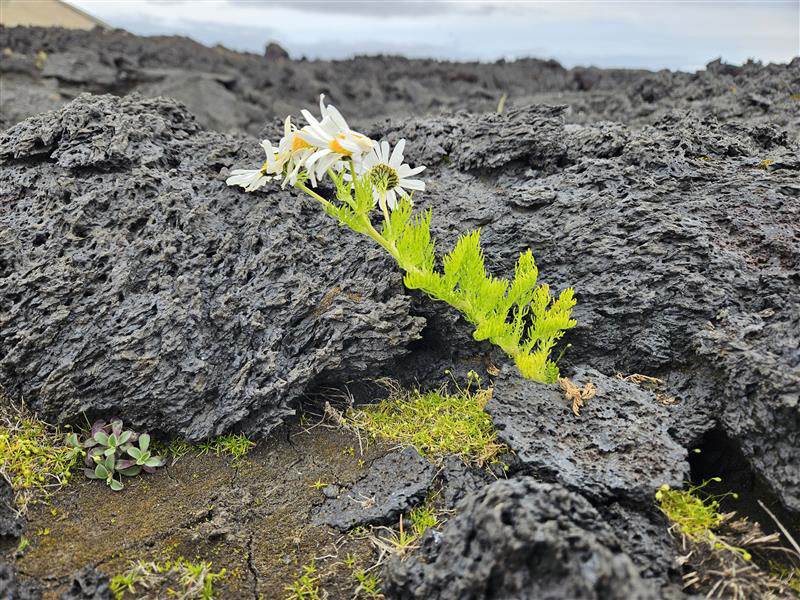
Instead, gulls, geese, and shorebirds have been the primary agents of seed transport, carrying them inside their bodies or in droppings. Through their movements, these birds have delivered a surprising variety of plant species to the island, forming the early groundwork for Surtsey’s growing ecosystem.
Birds as the True Pioneers
“Birds turned out to be the true pioneers of Surtsey — carrying seeds of plants that, according to conventional theories, shouldn’t be able to get there,” says Dr. Pawel Wasowicz of the Natural Science Institute of Iceland, one of the study’s authors. “These results overturn traditional assumptions about plant colonization and show that to understand how life spreads and responds to environmental change, we must look at the interactions between plants and animals. Life does not move in isolation — it follows life.”
Dr. Andy Green from the Estación Biológica de Doñana (CSIC, Spain), who co-led the research, adds:
“Our findings have far-reaching implications for ecology and conservation. Animals — especially birds — are key drivers of plant dispersal and colonization. As migration routes shift under a warming climate, birds will play a vital role in helping plants move and adapt to new environments.”
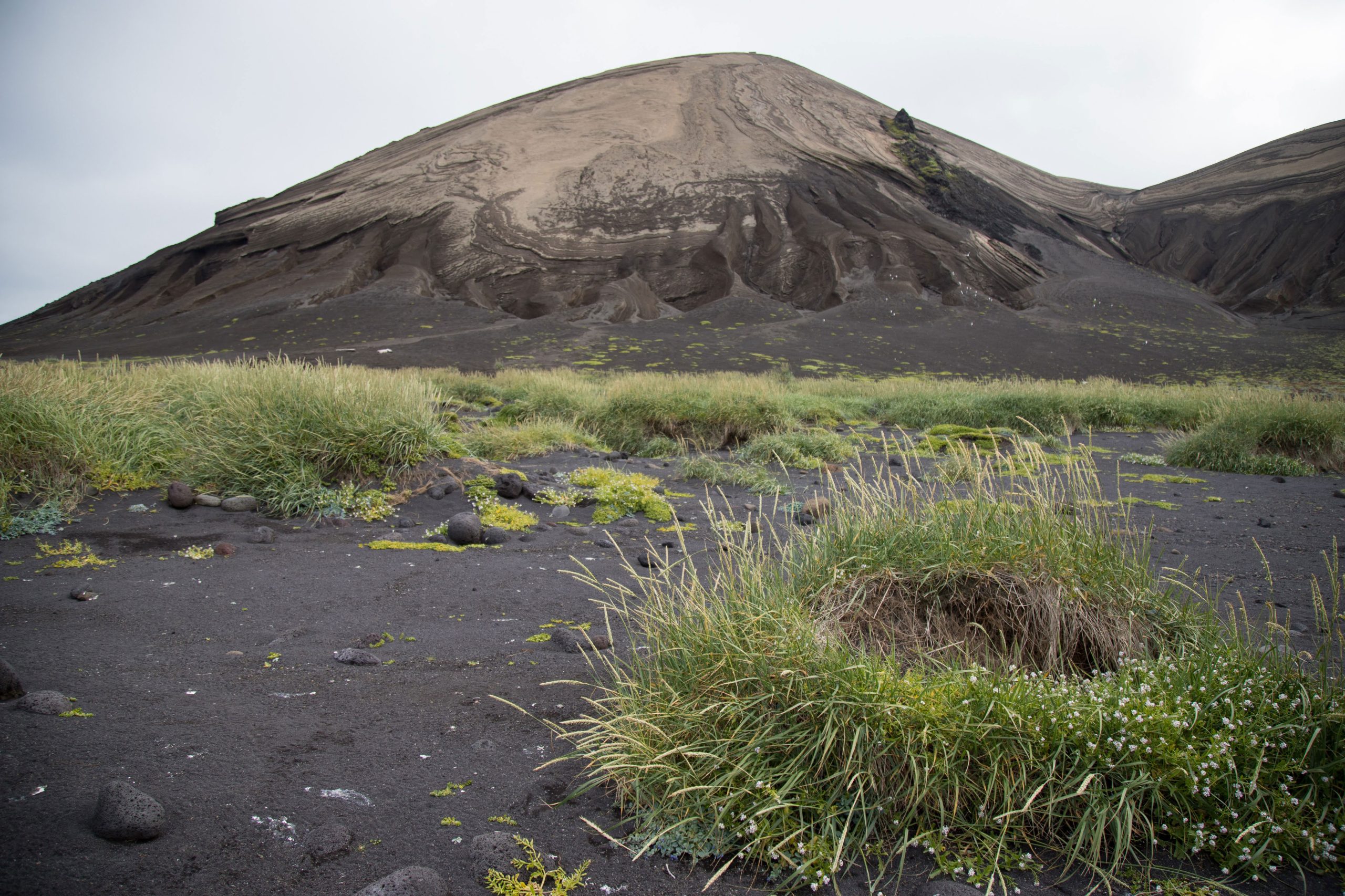
The study underscores the exceptional importance of Surtsey as a natural laboratory, where scientists can observe the fundamental processes of life — how ecosystems emerge, evolve, and respond to environmental change. It calls for new ecological models that account for real biological interactions rather than relying solely on seed traits or taxonomic classifications.
“Long-term research like that carried out on Surtsey is invaluable for biology,” says Dr. Wasowicz. “It allows us to witness ecological processes that would otherwise remain invisible — how life colonizes, evolves, and adapts. Such work is essential for understanding the future of ecosystems in a rapidly changing world.”
Reference: “Putative ‘Dispersal Adaptations’ Do Not Explain the Colonisation of a Volcanic Island by Vascular Plants, but Birds Can” by Pawel Wasowicz, Ádám Lovas-Kiss, Nándor Szabó and Andy J. Green, 16 October 2025, Ecology Letters.
DOI: 10.1111/ele.70234
Never miss a breakthrough: Join the SciTechDaily newsletter.
Follow us on Google and Google News.
1 Comment
So this is how ignorant humans are… We only talk about bugs and animals spreading pollen and seeds in school. What dummy needs a study to show birds that eat seeds and poop them out or carry them take them places…
If this is what science calls new. We are so screwed as its decades to centuries old stuff already…