

Climate change is a key factor contributing to the likely extinction of the Greek Meadow Viper, a new study has found.
Researchers, working on behalf of the Centre for Ecological Research, Hungarian Academy of Sciences, stated the probability of elimination was ‘extremely high’ due to permanent changes to the snake’s habitat.
The study, which was published in Oryx, The International Journal of Conservation, found that up to 90 percent of the Endangered snake’s mountaintop habitat will become uninhabitable by the end of the 2080s.
The small, venomous snake — Latin name, Vipera graeca — is already among the most at-risk reptiles in Europe. Rising temperatures and aridification caused by climate change appear to be the most significant threats to their future survival.
Edvárd Mizsei, the article’s lead author, said: “I think the extinction of this particular mountain species would just be the tip of the iceberg. We will have to work hard to keep the ecosystems functioning and reduce biodiversity loss.”
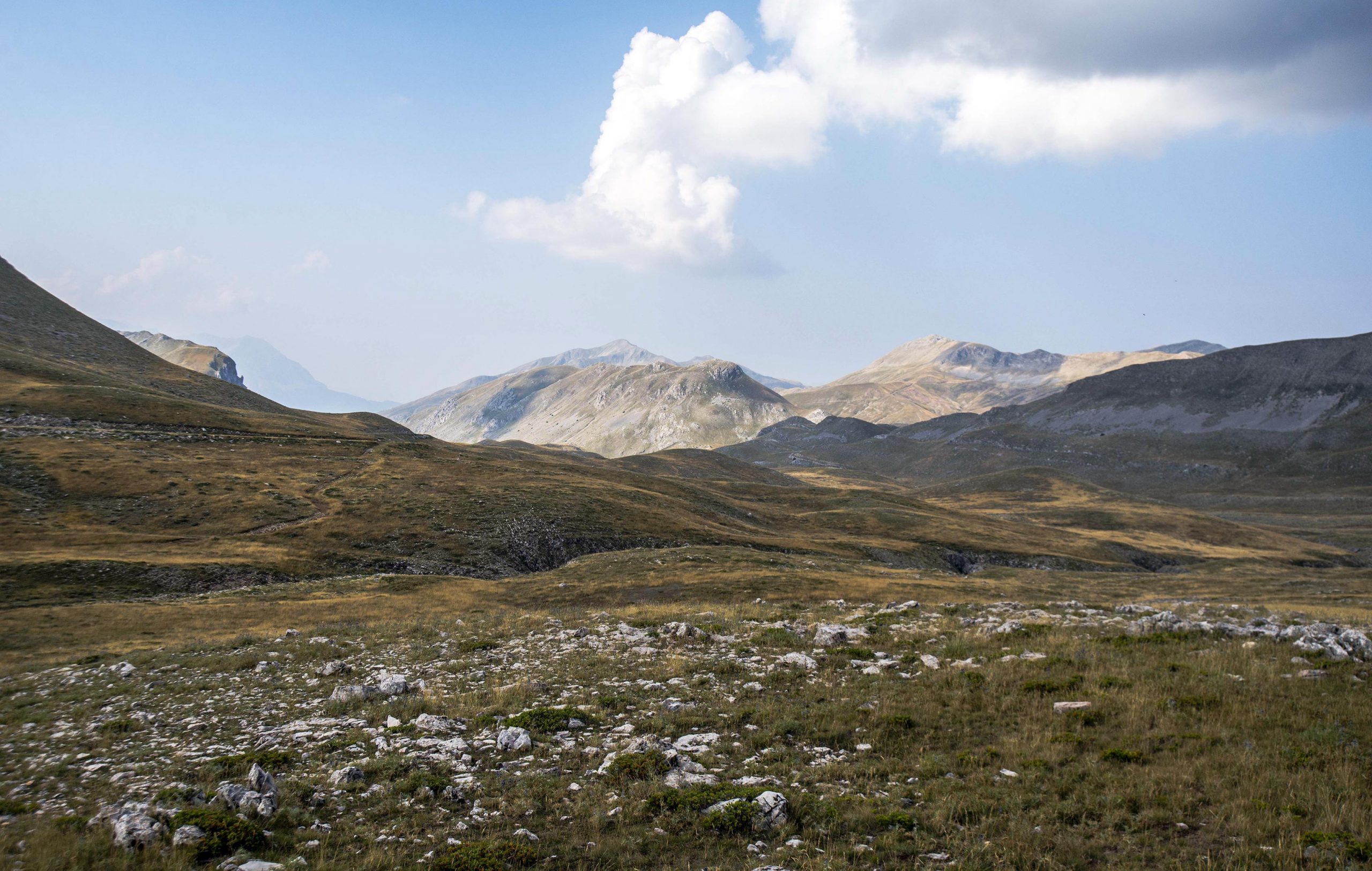
Endemic to the Pindos mountain range in Greece and Albania, the vipers live in alpine and subalpine meadows one mile (1.6 kilometers) above sea level on completely isolated mountaintops functioning as ‘sky islands’. These habitats are the coldest and highest in the region, so the species is adapted to cold environments and particularly sensitive to climate change.
Rising temperatures have already resulted in the hours between 10 am and 4 pm in the summer being too hot for the viper, negatively affecting its ability to successfully forage, feed and breed. Climate predictions suggest temperatures will continue to increase through the century.
The researchers also said that the Mediterranean basin — where the mountains are located — is expected to grow significantly drier over the coming decades, with the amount of rainfall and its frequency predicted to decrease.
Other factors also threaten the species’ habitat, including overgrazing and habitat degradation, which both reduce cover from predators. Changes to the environment could also lead to a decrease in bush-crickets and grasshoppers — the snake’s natural prey. Local shepherds also intentionally kill the snakes, as occasionally they bite and kill sheep.
Dr. Mizsei said: “There are at least three significant direct and indirect effects of climate change, not only for the viper.
“First, changes in temperature directly influence the choices of reptiles to keep their body temperatures in the optimal range. Second, changes in climate affect the whole community, and may lead to poor habitat conditions or food availability. Third, the increasing use and pressure by humans leading to habitat destruction and fragmentation. The synergistic effects of these and other factors are already measurable and increasing with time.”
In order to help save the vipers, the researchers suggest conservation should focus on improving habitat quality, reducing disturbance, educating local people, and continuing to monitor populations — particularly in areas of high-importance.
Dr. Mizsei added: “A more sustainable grassland management system, applying extensive sheep grazing instead of cattle, could significantly enhance habitat quality. Currently, most of the key sites for the survival of the species are heavily overgrazed.”
Reference: “Determining priority areas for an Endangered cold-adapted snake on warming mountaintops” by Edvárd Mizsei, Márton Szabolcs, Loránd Szabó, Zoltán Boros, Kujtim Mersini, Stephanos a. Roussos, Maria Dimaki, Yannis Ioannidis, Zsolt Végvári and Szabolcs Lengyel, 11 March 2020, Oryx.
DOI:
Never miss a breakthrough: Join the SciTechDaily newsletter.
Follow us on Google and Google News.