
Close Menu
    Facebook X (Twitter) Instagram
    SciTechDaily
    • Biology
    • Chemistry
    • Earth
    • Health
    • Physics
    • Science
    • Space
    • Technology
    Facebook X (Twitter) Pinterest YouTube RSS
    SciTechDaily
    Home»Technology»Lithium Supply Crisis Averted: New Technology Doubles Extraction Efficiency
    Technology

    Lithium Supply Crisis Averted: New Technology Doubles Extraction Efficiency

    By Monash UniversityOctober 24, 2024No Comments3 Mins Read
    Facebook Twitter Pinterest Telegram LinkedIn WhatsApp Email Reddit
    Share
    Facebook Twitter LinkedIn Pinterest Telegram Email Reddit
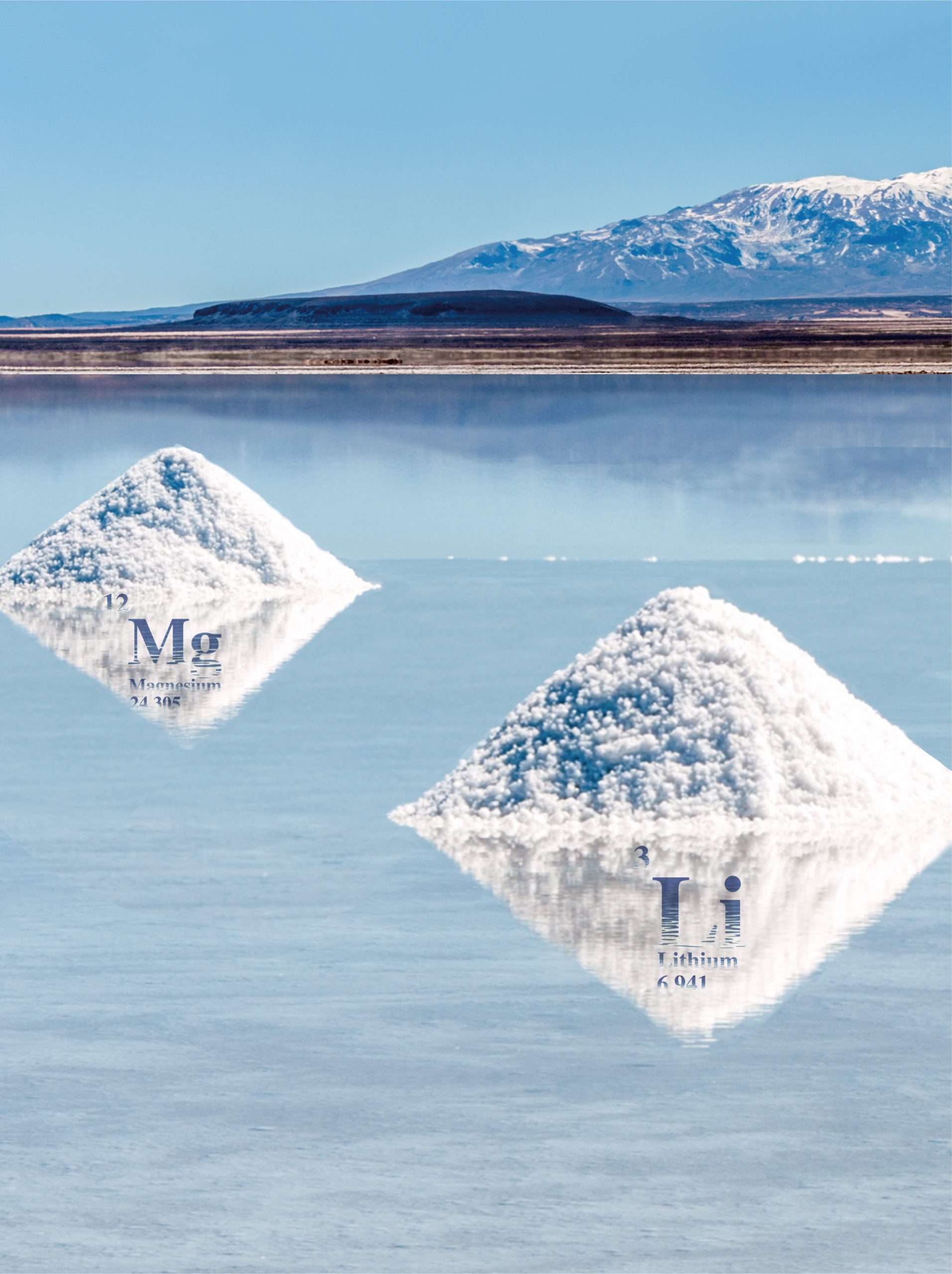
    Lithium and Magnesium Extraction Technology
    Artwork created by students at the Monash Suzhou Research Institute symbolizing the technology’s innovative extraction of both lithium and magnesium. Credit: Fangzhou Dong, Saifei Ma, Dihui Chu, Monash Suzhou Research Institute

    Lithium can now be extracted directly from previously untapped extreme environments.

    The demand for lithium, essential for powering sustainable technologies, is rising quickly, yet current methods leave up to 75% of the world’s lithium-rich saltwater sources inaccessible.

    With some predicting global lithium supply could fall short of demand as early as 2025, the innovative technology – EDTA-aided loose nanofiltration (EALNF) – sets a new standard in lithium processing. The technology uniquely extracts both lithium and magnesium simultaneously, unlike traditional methods that treat magnesium salts as waste, making it smarter, faster and more sustainable.

    The work, co-led by Dr Zhikao Li, from the Monash Suzhou Research Institute and the Department of Chemical and Biological Engineering, and Professor Xiwang Zhang from the University of Queensland, promises to meet the surging demand for lithium and paves the way for more sustainable and efficient extraction practices.

    Studies undertaken on brines from China’s Longmu Co Lake and Dongtai Lake, published in Nature Sustainability, demonstrate how the innovative method could efficiently extract lithium from low-grade brines with high magnesium content. At the heart of the innovation is a type of nanofiltration that uses a selective chelating agent to separate lithium from other minerals, especially magnesium, which is often present in brines and difficult to remove.

    Advantages in Harsh Conditions

    “High-altitude salt brine flats in countries like China (Tibet and Qinghai) and Bolivia are examples of areas with tougher brine conditions that have traditionally been ignored. In remote desert areas, the vast amounts of water, chemicals, and infrastructure required for conventional extraction just aren’t available either, underscoring the need for innovative technologies,” Dr Li said.

    “With Monash University’s EALNF technology, these can now be commercially viable sources of lithium and valuable contributors to the global supply chain. Our technology achieves 90 percent lithium recovery, nearly double the performance of traditional methods, while dramatically reducing the time required for extraction from years to mere weeks.”

    The technology also turns leftover magnesium into a valuable, high-quality product that can be sold, reducing waste and its impact on the environment.

    Beyond its advanced efficiency, the EALNF system brings innovation to address major environmental concerns associated with lithium extraction. Unlike conventional methods that deplete vital water resources in arid regions, the technology produces freshwater as a by-product.

    Dr Li said the system was flexible and ready for large-scale use, meaning it can quickly expand from testing to full industrial operations.

    “This breakthrough is crucial for avoiding a future lithium shortage, making it possible to access lithium from hard-to-reach sources and helping power the shift to clean energy.”

    Reference: “Sustainable lithium extraction and magnesium hydroxide co-production from salt-lake brines” by Ming Yong, Meng Tang, Liangliang Sun, Fei Xiong, Lei Xie, Gaofeng Zeng, Xiaoqiong Ren, Ke Wang, Yuan Cheng, Zhikao Li, Enchao Li, Xiwang Zhang and Huanting Wang, 22 October 2024, Nature Sustainability.
    DOI: 10.1038/s41893-024-01435-2

    Never miss a breakthrough: Join the SciTechDaily newsletter.
    Follow us on Google and Google News.

    Engineering Geology Mining Monash University
    Share. Facebook Twitter Pinterest LinkedIn Email Reddit

    Related Articles

    New 3D Form of Graphene May Lead to Flexible Electronics

    Self-Assembling Polymer Increases Hard Drive Capacity Fivefold

    Ultra-Strong Artificial Muscles Made From Carbon Nanotubes

    DARPA’s New Pet-Proto Robot Navigates Obstacles

    Superhydrophobic Coating Allows Boiling Water without the Creation of Bubbles

    Remote Controlled Cockroach Biobots

    NASA to Test Jet Engine With a Helping of Cereal and Crayons

    4D Imaging of Breathing Lungs

    Engineered Capsule that Buckles Under Pressure

    Leave A Reply Cancel Reply

    • Facebook
    • Twitter
    • Pinterest
    • YouTube

    Don't Miss a Discovery

    Subscribe for the Latest in Science & Tech!

    Trending News

    Largest-Ever Study Finds Medicinal Cannabis Ineffective for Anxiety, Depression, PTSD

    250-Million-Year-Old Egg Solves One of Evolution’s Biggest Mysteries

    Living With Roommates Might Be Changing Your Gut Microbiome Without You Knowing

    Century-Old Cleaning Chemical Linked to 500% Increased Risk of Parkinson’s Disease

    What if Your Memories Never Happened? Physicists Take a New Look at the Boltzmann Brain Paradox

    One of the Universe’s Largest Stars May Be Getting Ready To Explode

    Scientists Discover Enzyme That Could Supercharge Ozempic-Like Weight Loss Drugs

    Popular Sweetener Linked to DNA Damage – “It’s Something You Should Not Be Eating”

    Follow SciTechDaily
    • Facebook
    • Twitter
    • YouTube
    • Pinterest
    • Newsletter
    • RSS
    SciTech News
    • Biology News
    • Chemistry News
    • Earth News
    • Health News
    • Physics News
    • Science News
    • Space News
    • Technology News
    Recent Posts
    • The Surprising Diet Rule That Makes “Good” Parasites Work
    • This Simple Blood Test Could Outperform “Bad Cholesterol” in Preventing Heart Disease
    • Scientists Uncover Potential Brain Risks of Popular Fish Oil Supplements
    • Scientists Prove There Are Just Six Degrees of Separation in a Social Network
    • Bee Bacteria Could Fix a Major Flaw in Plant-Based Milk
    Copyright © 1998 - 2026 SciTechDaily. All Rights Reserved.
    • Science News
    • About
    • Contact
    • Editorial Board
    • Privacy Policy
    • Terms of Use

    Type above and press Enter to search. Press Esc to cancel.