
New temple discovery shows how Tiwanaku connected sacred rituals with Andean trade and political networks.
Along the southern edge of Lake Titicaca in what is now Bolivia, a once-dominant civilization thrived centuries ago. Known as Tiwanaku, this society is regarded by archaeologists as one of the earliest organized cultures in the Andes and a forerunner to the Inca Empire. Despite its influence, the civilization mysteriously collapsed around a millennium ago. Recently, a research team from Penn State and Bolivia uncovered a Tiwanaku temple, offering valuable new insights into the society’s structure and cultural practices at its height.
According to José Capriles, an associate professor of anthropology at Penn State and the study’s lead author, many aspects of the Tiwanaku civilization remain a mystery. The team’s findings are detailed in a paper recently published in the journal Antiquity.
“Their society collapsed sometime around 1000 CE and was a ruin by the time the Incas conquered the Andes in the 15th century,” Capriles said. CE refers to the common era of the current calendar. “At its peak, it boasted a highly organized societal structure, leaving behind remnants of architectural monuments like pyramids, terraced temples and monoliths, most of which are distributed in sites around Lake Titicaca and, while we know Tiwanaku’s control and influence extended much further, scholars debate how much actual control over distant places it had.”
A temple hidden in plain sight
The recently identified temple complex lies approximately 130 miles south of Tiwanaku’s known ceremonial center, atop a hill recognized by local Indigenous farmers but previously overlooked by archaeologists due to its modest appearance. Despite its seemingly ordinary setting, the location held considerable strategic value, according to Capriles.
During the Tiwanaku era, this area served as a junction for three major trade routes linking distinct ecological zones: the fertile highlands surrounding Lake Titicaca to the north, the dry Altiplano to the west suited for llama herding, and the agriculturally rich eastern valleys of Cochabamba to the east.

Given this intersection of trade corridors, the researchers concluded that the site likely played a meaningful role in facilitating regional interaction. Capriles noted that people in this landscape moved goods, exchanged ideas, and erected monuments in places that held symbolic or logistical importance. Upon identifying a previously undocumented rectangular section of terrain, the team applied a range of tools to examine the site more closely.
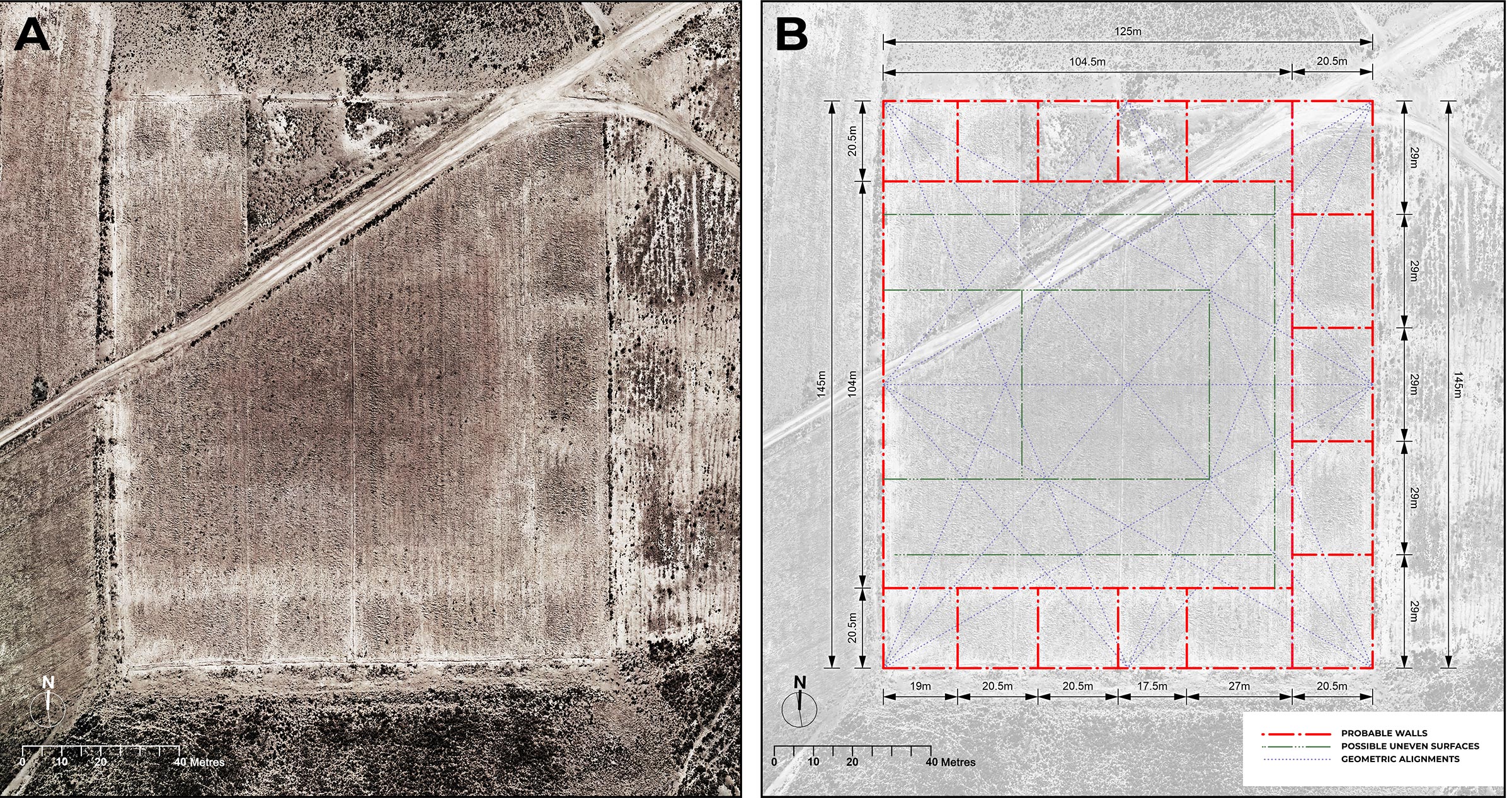
“Because the features are very faint, we blended various satellite images together,” Capriles said. “We also conducted a series of UAV, or unmanned aerial vehicle, flights to acquire better pictures. By means of photogrammetry, a technique that uses photos to construct a 3D approximation, we got a more detailed rendering of the structure and its topography.”
Palaspata temple layout and solar rituals
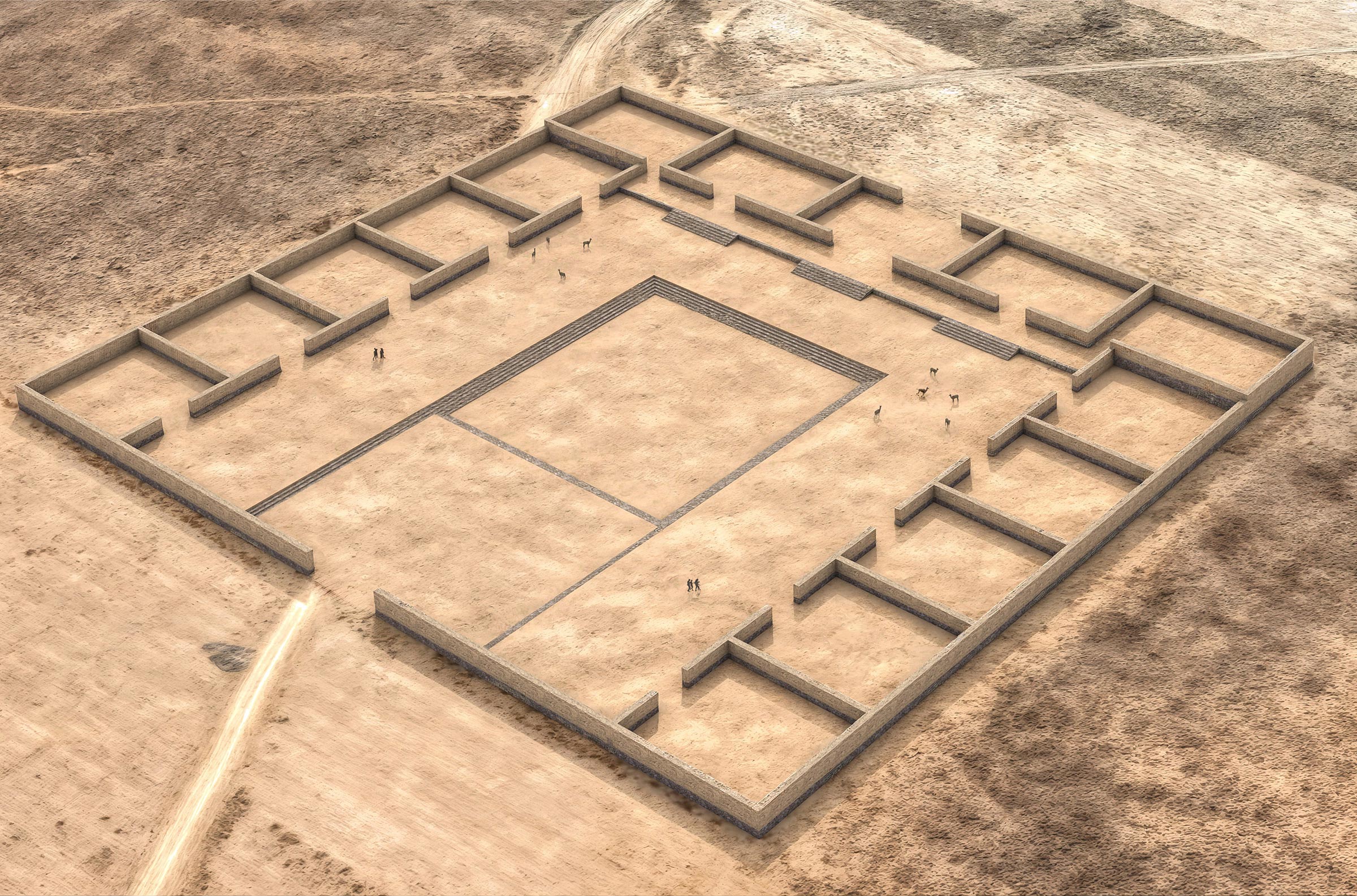
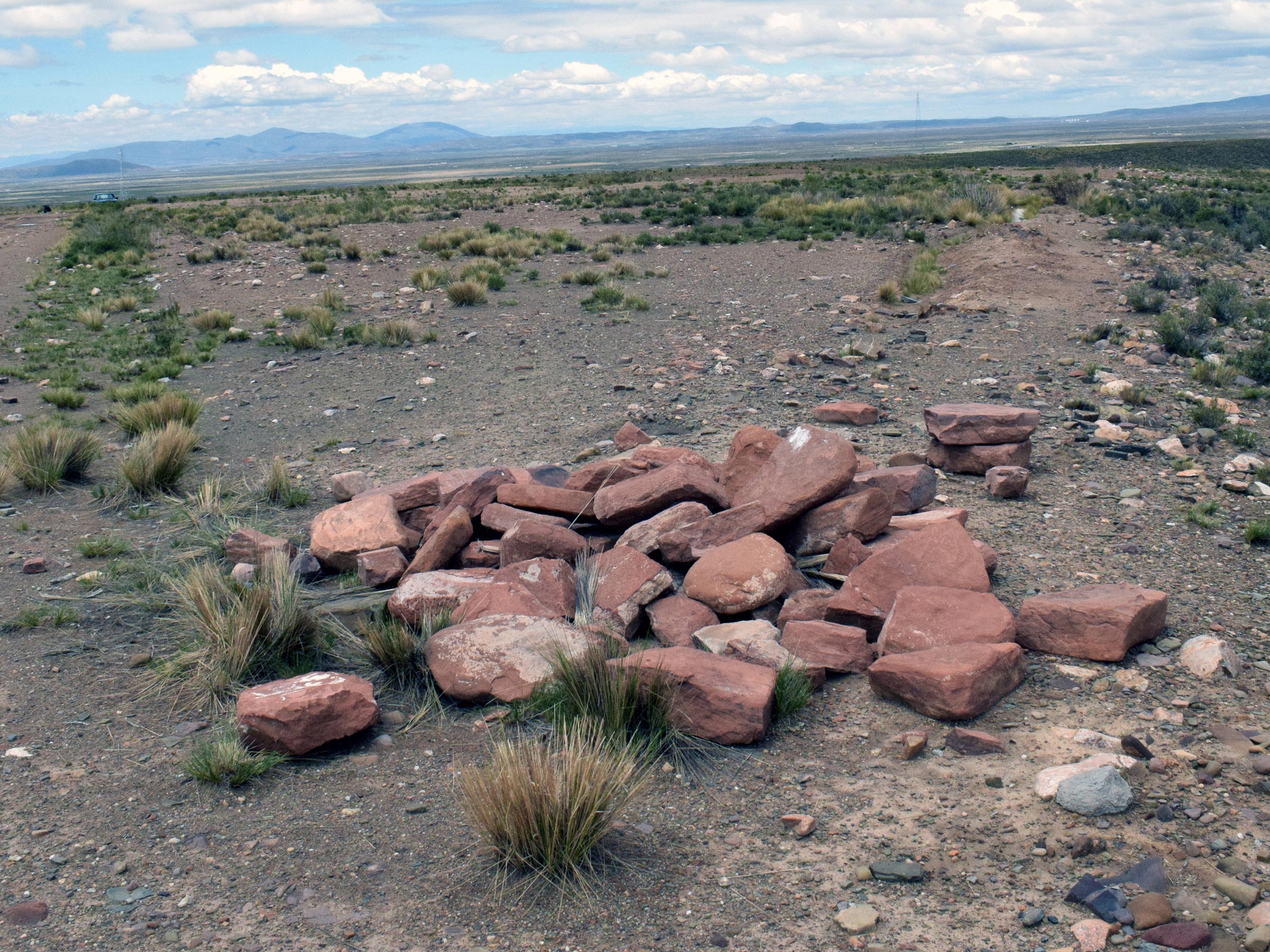
The team identified the remains of an ancient temple through visible stone alignments, naming it Palaspata after the traditional name of the region. The structure spans roughly 125 meters in length and 145 meters in width (comparable to the size of a city block) and features 15 rectangular enclosures positioned around a central rectangular courtyard.
According to Capriles, the design of the site appears to have been intentionally aligned with the solar equinox, when the sun is positioned directly above the equator. Drawing on the collected data, the researchers created a digital reconstruction to visualize the temple’s original form.
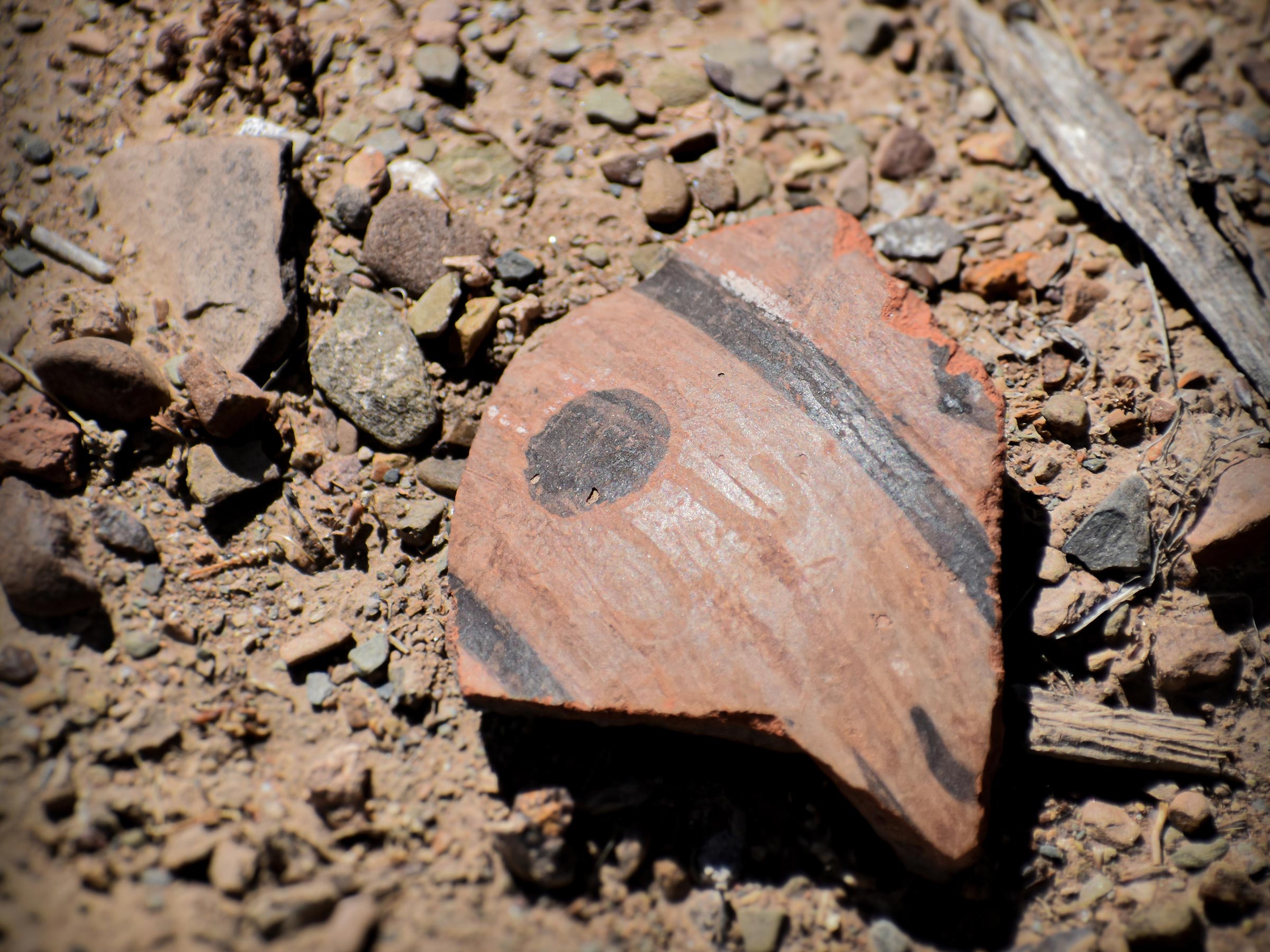
The surface of the temple contained numerous fragments of keru cups. The cups were used for drinking chicha, a traditional maize beer, during agricultural feasts and celebrations and point to the temple’s function as a central hub for trade, Capriles said. The fact that maize was not locally grown but cultivated in the Cochabamba valleys versus the high-altitude temple site underscores the temple’s importance in facilitating access to various goods, including food, and connecting different culinary traditions, he added.
Capriles said the temple likely served a religious purpose, evidenced by the designated ritual areas as well as by its physical connection mediating trade and harvest distribution.
“Most economic and political transactions had to be mediated through divinity, because that would be a common language that would facilitate various individuals cooperating,” he said, as religion was often the common ground that connected different groups.
Local reaction and future tourism
The discovery was a surprise even to the local inhabitants, explained Justo Ventura Guarayo, mayor of the municipality of Caracollo where the site is located.
“The archaeological findings at Palaspata are significant because they highlight a crucial aspect of our local heritage that had been completely overlooked,” Ventura Guarayo said. “This discovery is vital for our community, and we believe its documentation will be invaluable for promoting tourism and showcasing our region’s rich history.”
He added that the city is working with state and national authorities to ensure proper protection and preservation of the site, following guidance from archaeology experts like Capriles.
“With more insight into the past of this ancient site, we get a window into how people managed cooperation, and how we can materially see evidence of political and economic control,” Capriles added. “There’s still so much to discover that we don’t know about, and that could be hiding in plain sight. It just requires opening your eyes to see what’s out there.”
The researchers worked with the Bolivian Ministry of Cultures, Decolonization, and Depatriarchalization to export samples, which were dated at the Penn State’s Institute of Energy and the Environment Radiocarbon Dating Lab.
Reference: “Gateway to the east: the Palaspata temple and the south-eastern expansion of the Tiwanaku state” by José M. Capriles, Sergio Calla Maldonado, Juan Pablo Calero and Christophe Delaere, 24 June 2025, Antiquity.
DOI: 10.15184/aqy.2025.59
The U.S. National Science Foundation funded this research in part via grants BCS-2015924 and DEB-2208411.
Never miss a breakthrough: Join the SciTechDaily newsletter.
Follow us on Google and Google News.