
Close Menu
    Facebook X (Twitter) Instagram
    SciTechDaily
    • Biology
    • Chemistry
    • Earth
    • Health
    • Physics
    • Science
    • Space
    • Technology
    Facebook X (Twitter) Pinterest YouTube RSS
    SciTechDaily
    Home»Space»Lunar Aspirations to Pacific Disintegration: The Journey of the Peregrine Ion Trap Mass Spectrometer
    Space

    Lunar Aspirations to Pacific Disintegration: The Journey of the Peregrine Ion Trap Mass Spectrometer

    By RAL SpaceJanuary 23, 2024No Comments3 Mins Read
    Facebook Twitter Pinterest Telegram LinkedIn WhatsApp Email Reddit
    Share
    Facebook Twitter LinkedIn Pinterest Telegram Email Reddit
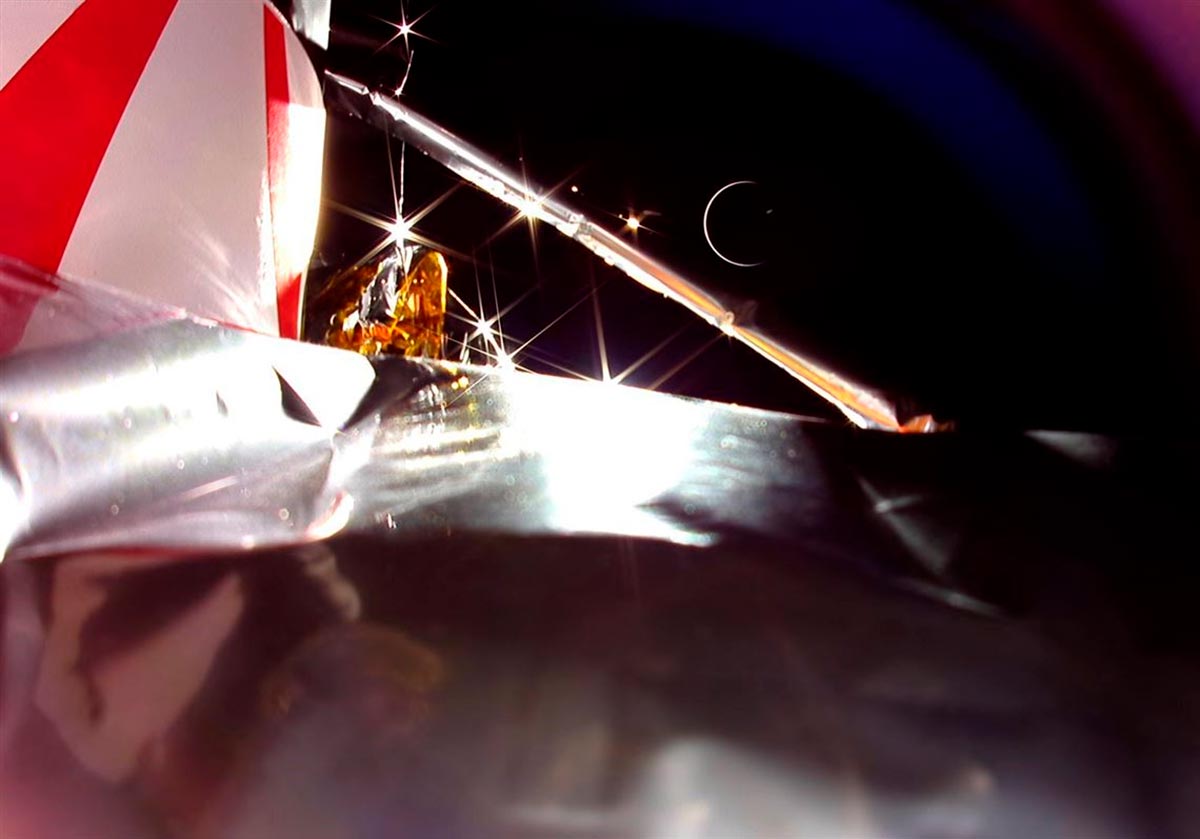
    Peregrine Lunar Lander in Space
    The Peregrine Lunar Lander developed a critical propellant leak shortly after leaving Earth. Credit: Astrobotic

    The Peregrine Ion Trap Mass Spectrometer (PITMS) has returned to Earth after an eventful ten days in space, burning up on re-entry over the Pacific Ocean.

    Developed at short notice by RAL Space, the Open University, and NASA’s Goddard Space Flight Center, the instrument was originally destined for the moon to determine the composition of the super-thin lunar atmosphere, but the mission ran into trouble shortly after leaving Earth, when a critical propellant leak was discovered on its lander.

    In an ambitious mission of firsts, PITMS was riding aboard Astrobotic’s Peregrine Lunar Lander, the world’s first commercial lunar lander, having launched on the Vulcan Centaur rocket’s maiden voyage.

    Despite not making it to the moon, the PITMS team said the mission was largely successful and achieved the majority of its goals, after they were able to turn the instrument on and demonstrate that it was fully functioning and operating as it would have on the lunar surface.

    “We were able to power on our instrument and checked everything was functioning as it should,” said Roland Trautner, a project manager for PITMS at the European Space Agency (ESA), which funded the instrument. “We were very happy to see that the data confirmed our instrument is in good health, that it survived the launch and harsh conditions of space, and that the instrument could provide clean data.
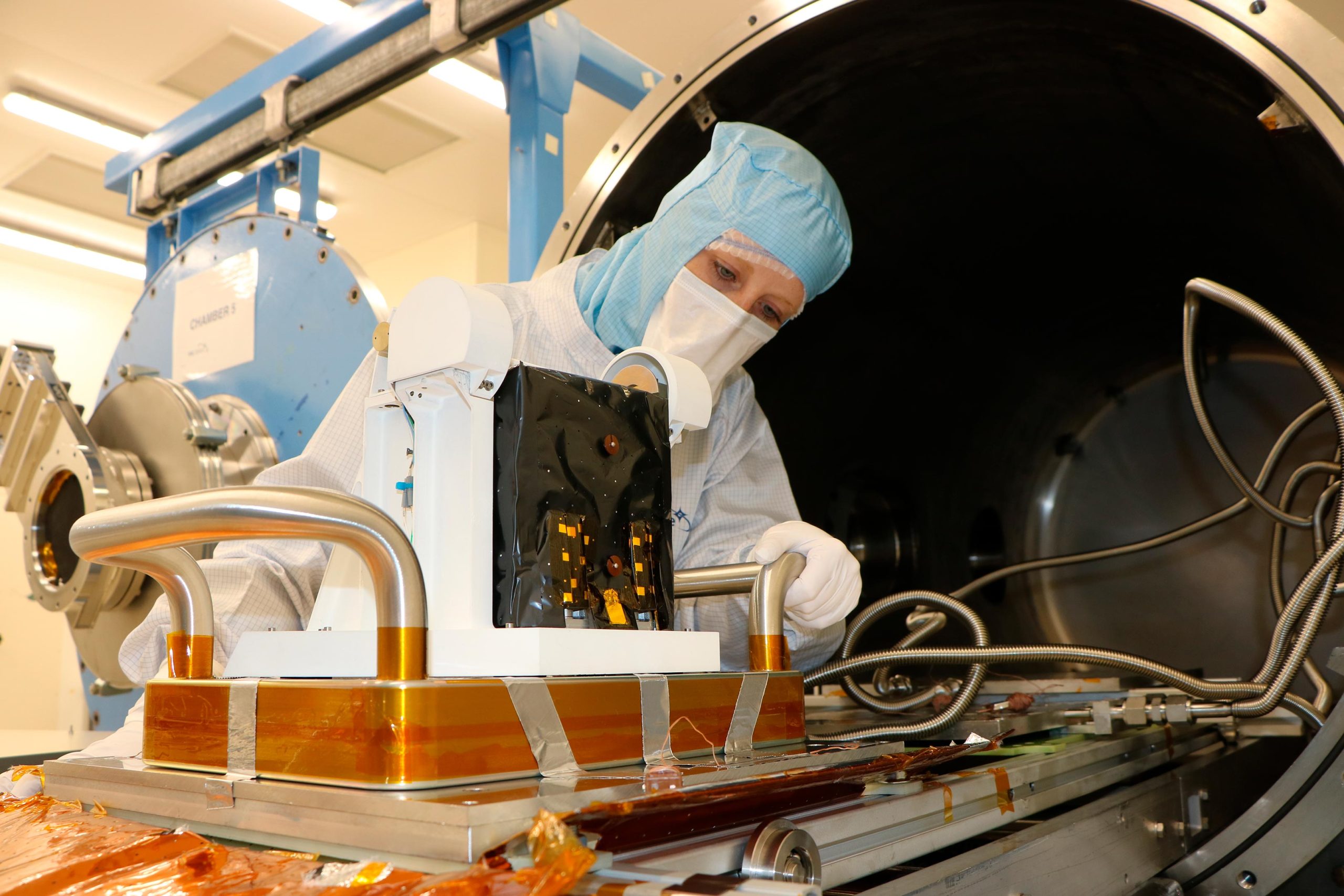
    PITMS Completing Testing at STFC RAL Space
    PITMS completing testing at STFC RAL Space before being shipped to NASA. Credit: Open University, STFC RAL Space, NASA Goddard Space Flight Center

    “We developed the spectrometer using a novel fast-track project management approach, delivering the payload in less than two years, which is twice as fast as typical payload development programs. We defined our success criteria such that what we have now achieved – delivering our instrument to NASA and the successful checkout of the instrument in orbit – constitutes 90% of our project’s success.”

    Christopher Howe, Production and Software Group Leader at RAL Space, said: “The success of EMS is also a testament to the good collaboration between the space agencies, industry, and academia.

    “The short development time would not have been possible without an efficient and trustful working relationship between those entities.”

    The technology developed for PITMS will now be used on future space missions, including ENFYS, a spectrometer designed to be fitted to the Rosalind Franklin Mars Rover, due for launch in 2028.

    PITMS represents a longstanding collaboration between RAL Space, the OU, and NASA GSFC, which aims to advance our understanding of the Moon. The important work conducted in the UK was supported by the UK Space Agency’s membership of the European Space Agency.

    Never miss a breakthrough: Join the SciTechDaily newsletter.
    Follow us on Google and Google News.

    Astrobotic Moon
    Share. Facebook Twitter Pinterest LinkedIn Email Reddit

    Related Articles

    Astrobotic’s Peregrine Lander Hit by Critical Propulsion Issue on Flight to the Moon

    Unraveling Lunar Secrets: Inside NASA’s Peregrine Moon Mission’s Five Payloads

    NASA’s Robotic Moonshot: First US Private Robotic Artemis Mission Launches

    Astrobotic Lunar Lander Ready: Watch NASA’s Historic Artemis Moon Mission Launch

    Join NASA’s Artemis Mission: Send Your Name to the Moon With VIPER Rover

    NASA Begins Building VIPER – Its First Robotic Moon Rover

    The Peregrine Ion-Trap Mass Spectrometer – Which Will Fly to the Moon – Has Been Delivered to NASA

    VIPER: NASA Rover to Search for Water & Other Resources on Moon

    Astrobotic Selected by NASA to Fly VIPER Rover to the Moon [Video]

    Leave A Reply Cancel Reply

    • Facebook
    • Twitter
    • Pinterest
    • YouTube

    Don't Miss a Discovery

    Subscribe for the Latest in Science & Tech!

    Trending News

    Popular Sugar-Free Sweetener Linked to Liver Disease, Study Warns

    What Is Hantavirus? The Deadly Disease Raising Alarm Worldwide

    Scientists Just Discovered How the Universe Builds Monster Black Holes

    Scientists Unveil New Treatment Strategy That Could Outsmart Cancer

    A Simple Vitamin May Hold the Key to Treating Rare Genetic Diseases

    Scientists Think the Real Fountain of Youth May Be Hiding in Your Gut

    Ravens Don’t Follow Wolves, They Predict Them

    This Common Knee Surgery May Be Doing More Harm Than Good

    Follow SciTechDaily
    • Facebook
    • Twitter
    • YouTube
    • Pinterest
    • Newsletter
    • RSS
    SciTech News
    • Biology News
    • Chemistry News
    • Earth News
    • Health News
    • Physics News
    • Science News
    • Space News
    • Technology News
    Recent Posts
    • Why Are So Many New Fathers Dying? Scientists Say the U.S. Has a Dangerous Blind Spot
    • Scientists Identify Simple Supplement That Greatly Reduces Alzheimer’s Damage
    • You May Have a Dangerous Type of Cholesterol Even if Your Tests Look Normal
    • Study Reveals Dangerous Flaw in AI Symptom Checkers
    • New MRI Breakthrough Captures Stunningly Clear Images of the Eye and Brain
    Copyright © 1998 - 2026 SciTechDaily. All Rights Reserved.
    • Science News
    • About
    • Contact
    • Editorial Board
    • Privacy Policy
    • Terms of Use

    Type above and press Enter to search. Press Esc to cancel.