
Close Menu
    Facebook X (Twitter) Instagram
    SciTechDaily
    • Biology
    • Chemistry
    • Earth
    • Health
    • Physics
    • Science
    • Space
    • Technology
    Facebook X (Twitter) Pinterest YouTube RSS
    SciTechDaily
    Home»Biology»Making a List of All Creatures, Great and Small: For the First Time, an Agreed List of All the World’s Species
    Biology

    Making a List of All Creatures, Great and Small: For the First Time, an Agreed List of All the World’s Species

    By PLOSJuly 18, 2020No Comments3 Mins Read
    Facebook Twitter Pinterest Telegram LinkedIn WhatsApp Email Reddit
    Share
    Facebook Twitter LinkedIn Pinterest Telegram Email Reddit
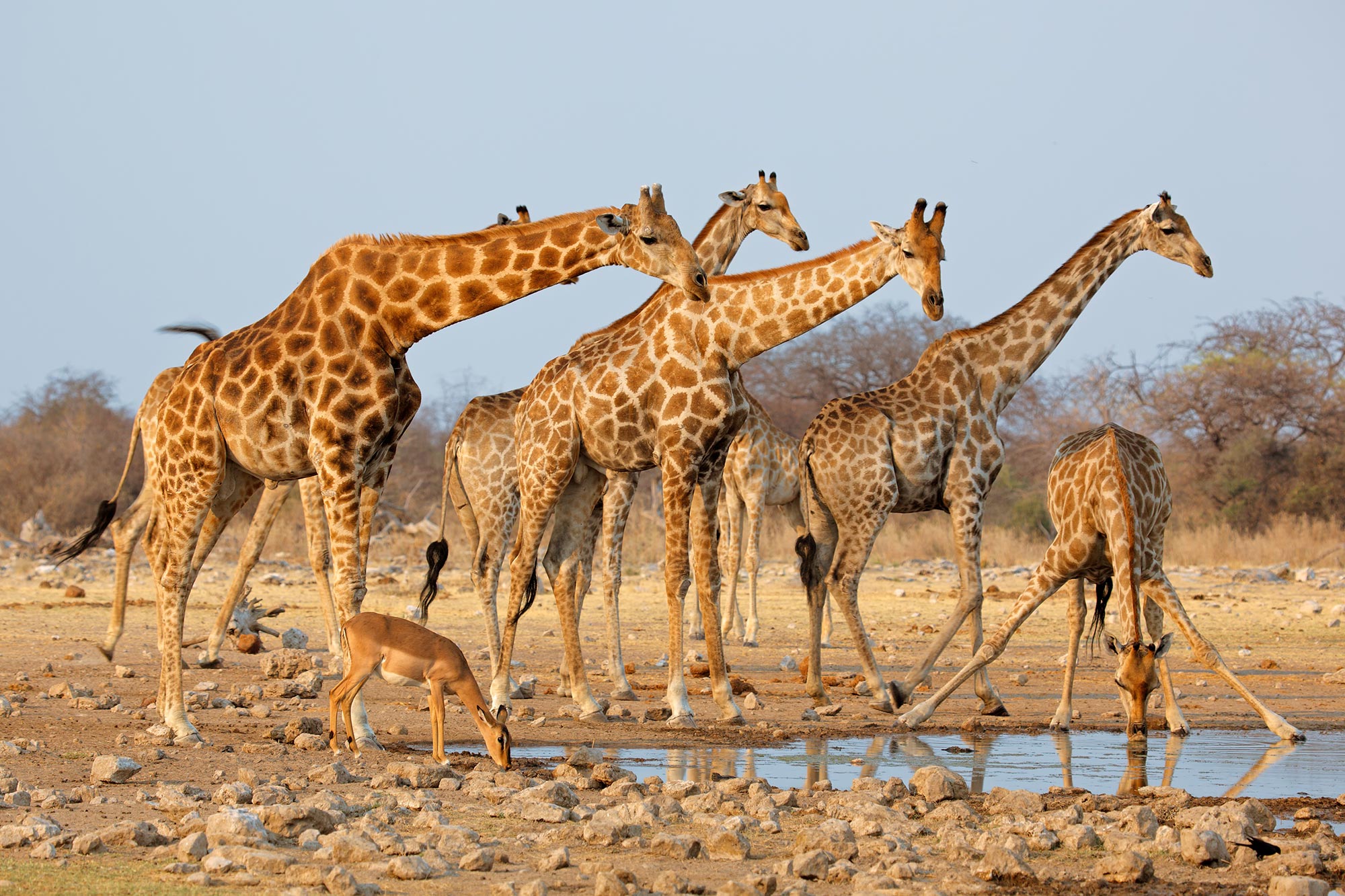
    Giraffe Herd
    A newly published paper outlines a roadmap for creating, for the first time, an agreed list of all the world’s species, from mammals and birds to plants, fungi and microbes.

    A paper published July 7, 2020, in the open access journal PLOS Biology outlines a roadmap for creating, for the first time, an agreed list of all the world’s species, from mammals and birds to plants, fungi and microbes.

    “Listing all species may sound routine, but is a difficult and complex task,” says Prof. Stephen Garnett of Charles Darwin University, the paper’s lead author. “Currently no single, agreed list of species is available.” Instead, some iconic groups of organisms such as mammals and birds have several competing lists, while other less well-known groups have none.
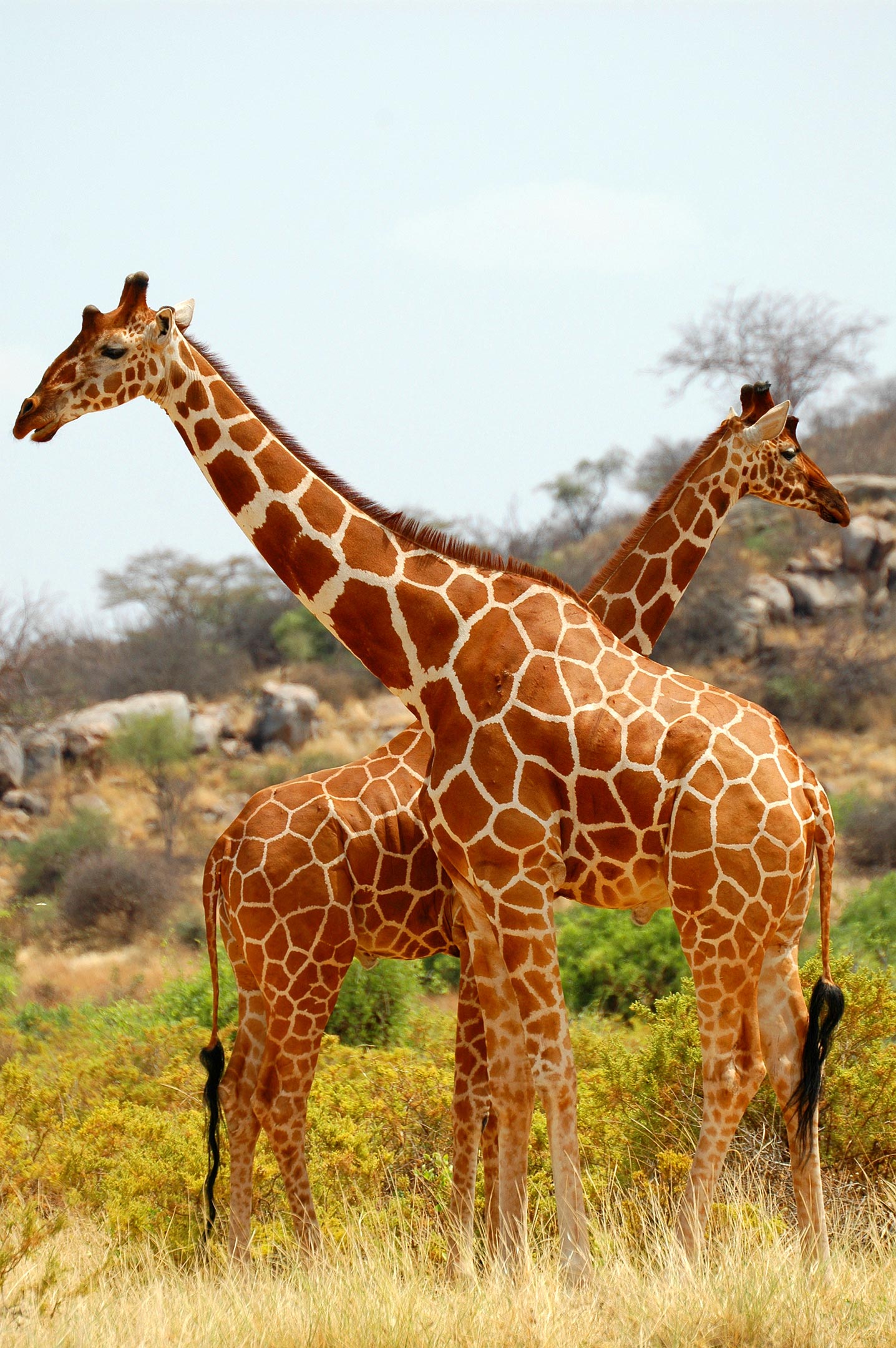
    Reticulated Giraffe
    Reticulated giraffe Giraffa (camelopardalis) reticulata, photographed in Kenya in 2013. Giraffe taxonomy is being debated, with the traditional classification recognizing a single species and other classifications recognizing up to eight distinct giraffe species. On the former view, the Reticulated giraffe would be a subspecies, on the latter, it would be a distinct species in its own right. Credit: Frank E. Zachos

    This causes problems for organizations and governments that need reliable, agreed, scientifically defensible, and accurate lists for the purposes of conservation, international treaties, biosecurity, and regulation of trade in endangered species. The lack of an agreed list of all species also hampers researchers studying Earth’s biodiversity.

    The new paper outlines a potential solution — a set of ten principles for creating and governing lists of the world’s species, and a proposed governance mechanism for ensuring that the lists are well-managed and broadly acceptable.

    “Importantly, it clearly defines the roles of taxonomists — the scientists who discover, name and classify species — and stakeholders such as conservationists and government and international agencies,” says Dr. Kevin Thiele, Director of Taxonomy Australia and a co-author on the paper. “While taxonomists would have the final say on how to recognize and name species, the process ensures that stakeholders’ needs are considered when deciding between differing taxonomic opinions.”

    The Earth’s species are facing unprecedented threats, from global heating, pollution, land clearing, disease and overutilization, which together are driving an unprecedented and accelerating extinction crisis. “Developing a single, agreed list of species won’t halt extinction,” says Garnett, “but it’s an important step in managing and conserving all the world’s species, great and small, for this and future generations.”

    Reference: “Principles for creating a single authoritative list of the world’s species” by Stephen T. Garnett, Les Christidis, Stijn Conix, Mark J. Costello, Frank E. Zachos, Olaf S. Bánki, Yiming Bao, Saroj K. Barik, John S. Buckeridge, Donald Hobern, Aaron Lien, Narelle Montgomery, Svetlana Nikolaeva, Richard L. Pyle, Scott A. Thomson, Peter Paul van Dijk, Anthony Whalen, Zhi-Qiang Zhang and Kevin R. Thiele, 7 July 2020, PLOS Biology.
    DOI: 10.1371/journal.pbio.3000736

    Authors SG, LC, SC, MC, KT, FZ received funding from the International Union for Biological Sciences to run a workshop reviewing the principles described in the paper as part of the IUBS program “Governance of Global Taxonomic Lists.” SC’s involvement was funded by the Flemish Research Council Grant 3H200026. The funders had no role in study design, data collection and analysis, decision to publish, or preparation of the manuscript. All other authors received no specific funding for this

    Never miss a breakthrough: Join the SciTechDaily newsletter.
    Follow us on Google and Google News.

    Biodiversity Entomology Marine Biology PLOS Zoology
    Share. Facebook Twitter Pinterest LinkedIn Email Reddit

    Related Articles

    Researchers Just Found a New Species of Glowing Shark

    The “Popcorn” Parasite: Scientists Discover 14 Bizarre New Marine Species

    New Species Discoveries Grow Earth’s Tree of Life: From the Lowland Forests of Madagascar to Easter Island’s Coral Reefs

    Alien Species Predicted to Increase by 36% Worldwide by 2050

    Evolution of One of the Fastest Jaws in the Natural World: Function Before Form in Trap-Jaw Ants

    Rare Deep Sea Bigfin Squid Sighted in Australian Waters for First Time

    New Species Found in the Hottest Place on Earth

    Suction Cups That Don’t Fall Off – Insects in Torrential Rivers Inspire Engineering Solutions

    Presence of Cryptic and Elusive Tiny Creatures Betrayed by Facebook and Instagram

    Leave A Reply Cancel Reply

    • Facebook
    • Twitter
    • Pinterest
    • YouTube

    Don't Miss a Discovery

    Subscribe for the Latest in Science & Tech!

    Trending News

    Bone-Strengthening Discovery Could Reverse Osteoporosis

    Scientists Uncover Hidden Trigger Behind Stem Cell Aging

    Scientists Find Way to Reverse Fatty Liver Disease Without Changing Diet

    Could Humans Regrow Limbs? New Study Reveals Promising Genetic Pathway

    Scientists Reveal Eating Fruits and Vegetables May Increase Your Risk of Lung Cancer

    Scientists Reverse Brain Aging With Simple Nasal Spray

    Scientists Uncover Potential Brain Risks of Popular Fish Oil Supplements

    Scientists Discover a Surprising Way To Make Bread Healthier and More Nutritious

    Follow SciTechDaily
    • Facebook
    • Twitter
    • YouTube
    • Pinterest
    • Newsletter
    • RSS
    SciTech News
    • Biology News
    • Chemistry News
    • Earth News
    • Health News
    • Physics News
    • Science News
    • Space News
    • Technology News
    Recent Posts
    • Europe’s Most Active Volcano Just Got Stranger – Here’s Why Scientists Are Rethinking It
    • Why Are Giant Ants Letting Tiny Ants Crawl All Over Them?
    • Revolutionary Technique Sends Healthy Mitochondria Exactly Where They’re Needed
    • This Student Recreated the Universe in a Bottle. What She Discovered Could Help Reveal How Life Started on Earth
    • Alzheimer’s Symptoms May Start Outside the Brain, Study Finds
    Copyright © 1998 - 2026 SciTechDaily. All Rights Reserved.
    • Science News
    • About
    • Contact
    • Editorial Board
    • Privacy Policy
    • Terms of Use

    Type above and press Enter to search. Press Esc to cancel.