
Archaeologists have likely found King Harold’s lost residence in Bosham, shown in the Bayeux Tapestry, confirming its elite status through surveys and excavations.
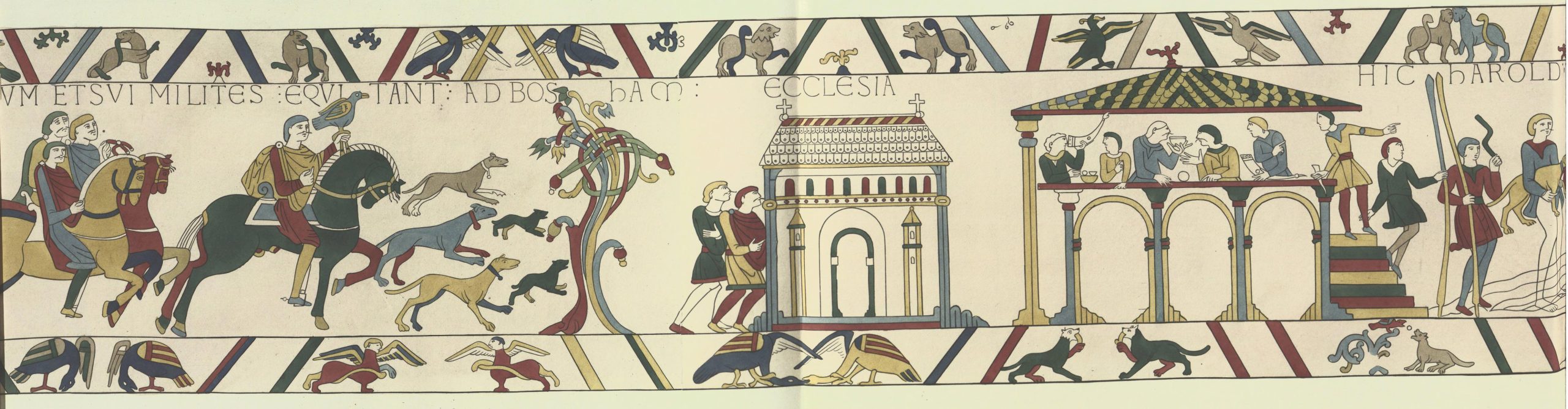
Archaeologists have uncovered evidence suggesting that a house in England sits on the site of a long-lost residence of Harold Godwinson, the last Anglo-Saxon King of England, as depicted in the Bayeux Tapestry.
A research team from Newcastle University, in collaboration with the University of Exeter, has reanalyzed previous excavations and conducted new surveys to identify what they believe was a significant power center associated with Harold. Harold was killed in the Battle of Hastings in 1066, marking the end of Anglo-Saxon rule in England.
The site is in Bosham, a coastal village in West Sussex, which appears twice in the Bayeux Tapestry. This famous medieval embroidery narrates the Norman Conquest, culminating in William, Duke of Normandy’s victory at Hastings. Earlier in the tapestry, Bosham is shown as the location where Harold feasts in a grand hall before departing for France, and again upon his return.
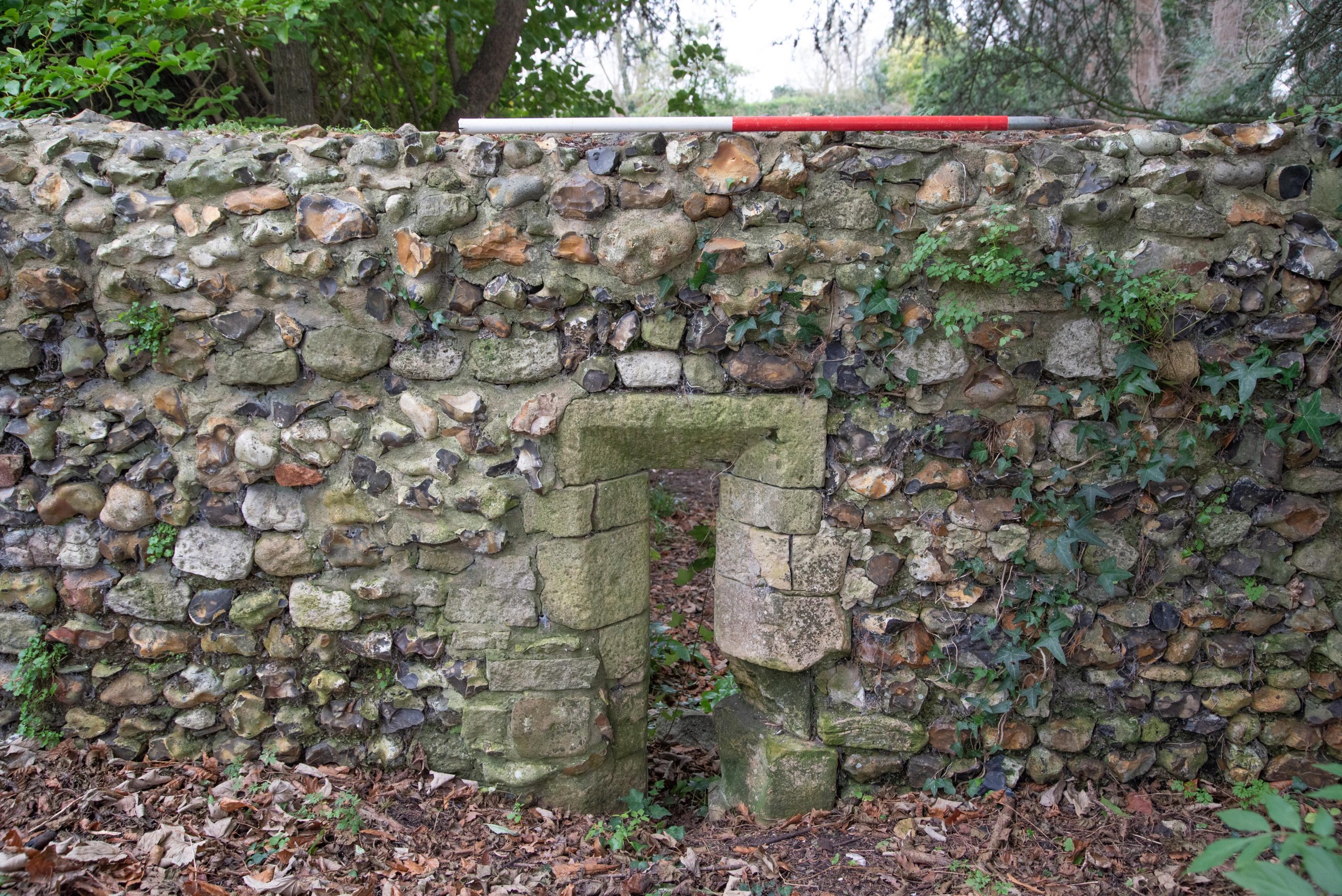
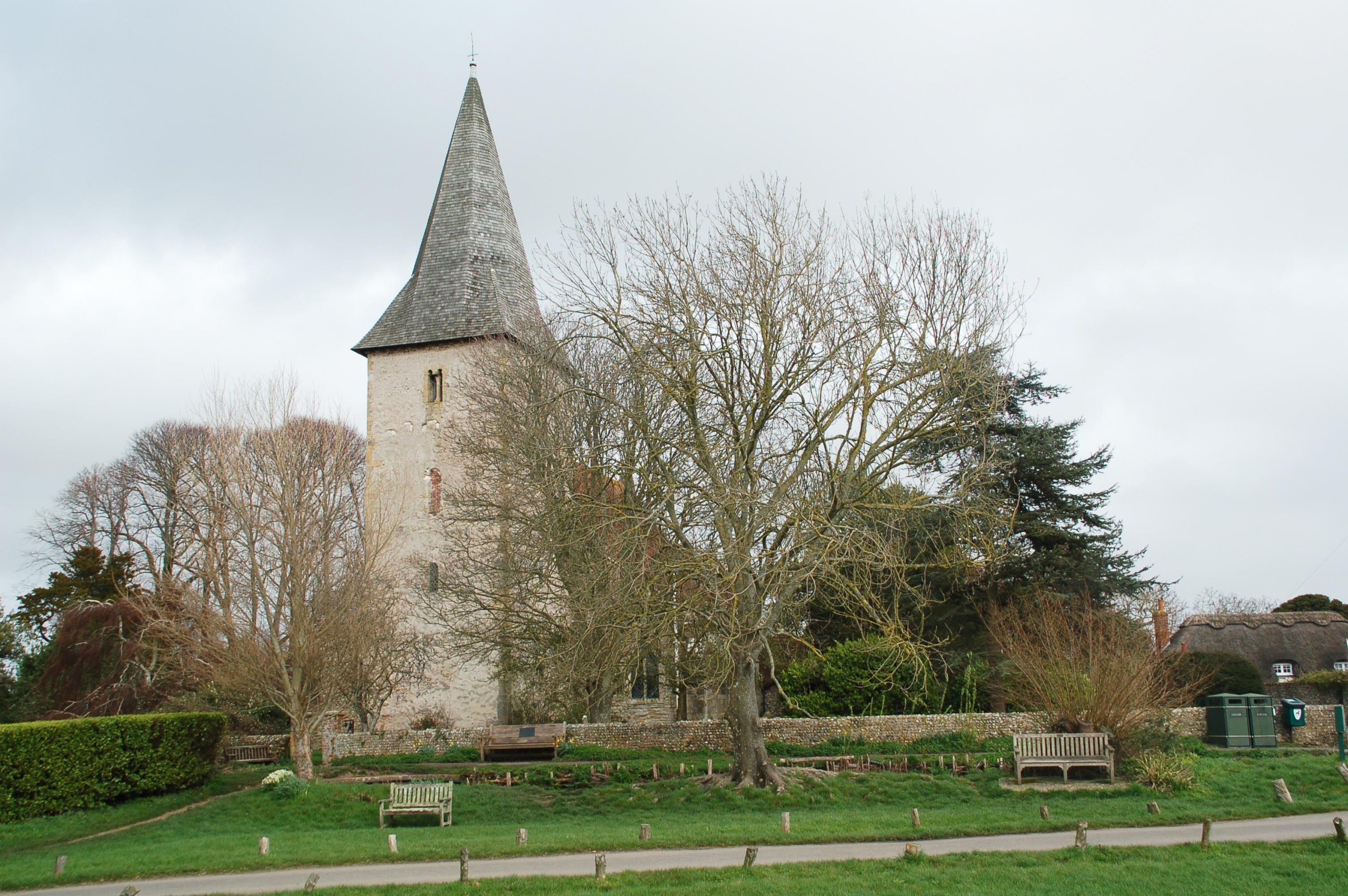
The location of Harold’s residence at Bosham has never been proved, although it has been suggested that a house in the village — now a private home — stands on the site.
Archaeological detective work
The team of archaeologists used a range of methods to unpick the early history of the property, including a geophysical survey of the surrounding area, assessment of standing remains, scrutiny of maps and records, and re-examination of evidence from excavations carried out in 2006 by West Sussex Archaeology.
This confirmed the existence of two previously unidentified Medieval buildings: one integrated into the current house and another in the garden. The crucial indication that the site had even earlier origins comes from the excavations in 2006, which identified a latrine within a large timber building. In the past decade or so archaeologists have begun to recognize a trend in England, beginning during the 10th century AD, for high-status houses to integrate toilets.
The discovery of the latrine therefore indicated to the team that the timber building was of elite status, and almost certainly represents part of Harold’s residence illustrated on the Bayeux Tapestry. The hall was one part of a more extensive complex, that also included a church, which still survives.
The research, which is published in The Antiquaries Journal, was led by Dr Duncan Wright, Senior Lecturer in Medieval Archaeology at Newcastle University, who said: “The realization that the 2006 excavations had found, in effect, an Anglo-Saxon en-suite confirmed to us that this house sits on the site of an elite residence pre-dating the Norman Conquest. Looking at this vital clue, alongside all our other evidence, it is beyond all reasonable doubt that we have here the location of Harold Godwinson’s private power center, the one famously depicted on the Bayeux Tapestry.”
Professor Oliver Creighton of the University of Exeter, and Co-Investigator of the project, added: “The Norman Conquest saw a new ruling class supplant an English aristocracy that has left little in the way of physical remains, which makes the discovery at Bosham hugely significant — we have found an Anglo-Saxon show-home.”
The research at Bosham was carried out as part of the wider Where Power Lies project, with a team drawn from Newcastle University and the University of Exeter, and funded by the Arts and Humanities Research Council. The project aims to explore the origins and early development of aristocratic centers like Bosham, assessing for the first time the archaeological evidence for these sites across the entirety of England.
Reference: “Where Power Lies: Lordly Power Centres in the English Landscape c. 800–1200” by David Gould, Oliver Creighton, Scott Chaussée, Michael Shapland and Duncan W Wright, 9 January 2025, The Antiquaries Journal.
DOI: 10.1017/S0003581524000350
Never miss a breakthrough: Join the SciTechDaily newsletter.
Follow us on Google and Google News.