
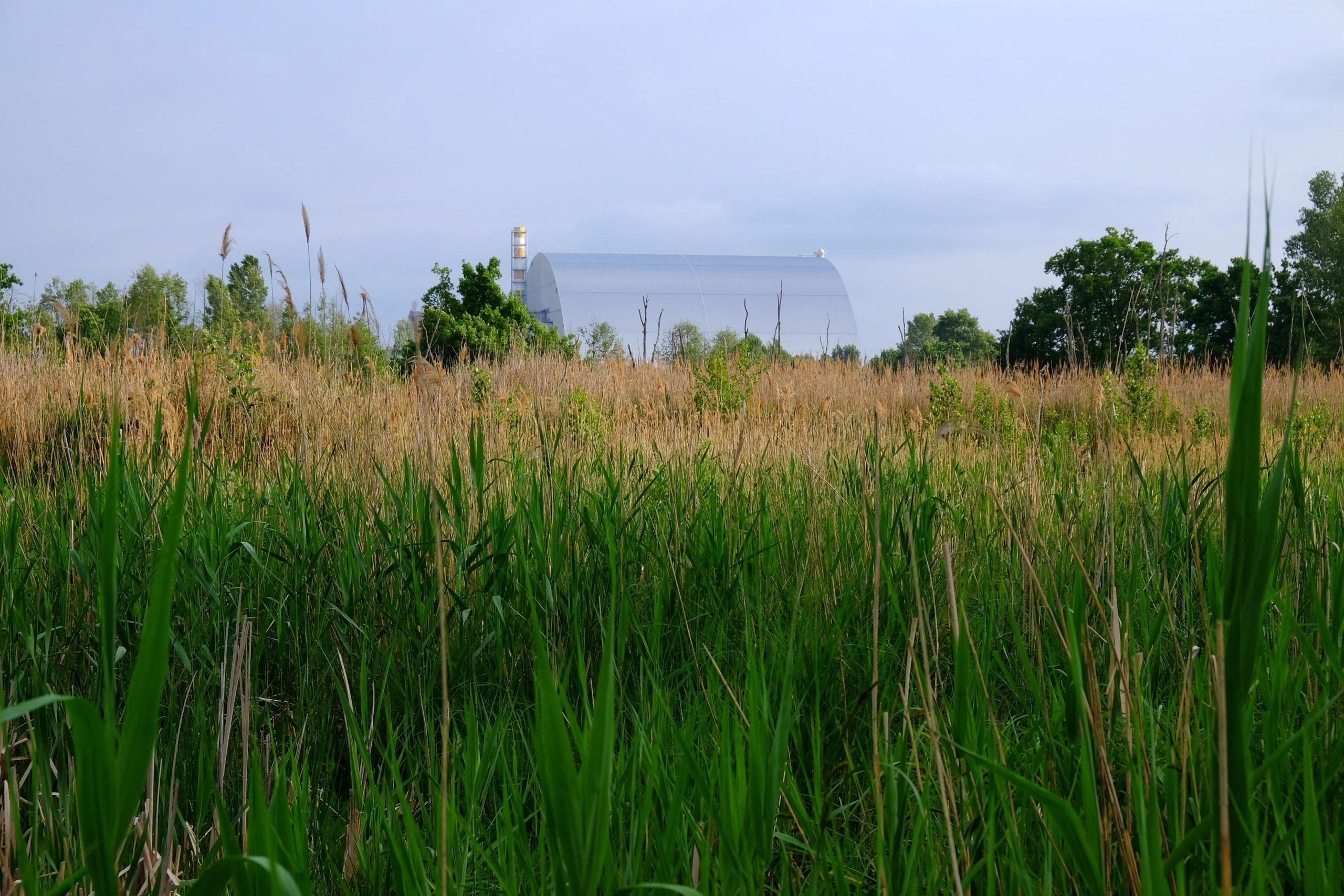
The largest release of radioactive material into the environment in human history occurred in 1986, with an accident on April 26 at reactor four of the Chornobyl Nuclear Power Plant. Severe impacts on the environment and the human population resulted from the acute exposure to high doses of radiation. But more than three decades after the accident, Chornobyl has become one of the largest nature reserves in Europe. Today, a diverse range of endangered species finds refuge there, including bears, wolves, and lynxes.
The Chornobyl disaster is one of only two nuclear energy accidents rated at seven—the maximum severity—on the International Nuclear Event Scale, the other being the 2011 Fukushima nuclear disaster in Japan.
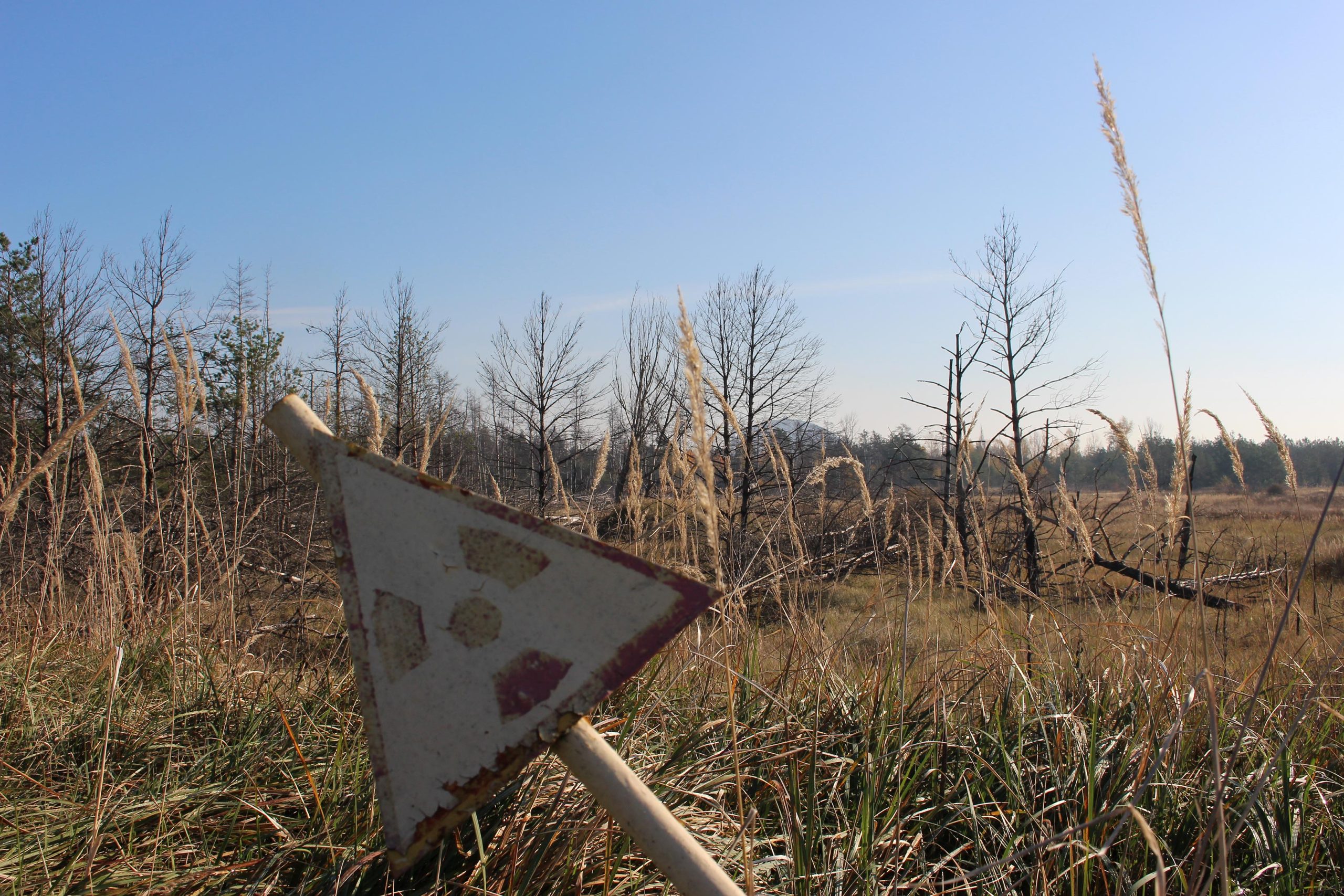
Radiation can damage the genetic material of living organisms and generate undesirable mutations. However, one of the most interesting research topics in Chornobyl is trying to detect if some species are actually adapting to live with radiation. As with other pollutants, radiation could be a very strong selective factor, favoring organisms with mechanisms that increase their survival in areas contaminated with radioactive substances.
Ironically, the Chornobyl accident occurred during a safety test. The resulting meltdown and explosions ruptured the reactor core and destroyed the reactor building. This was immediately followed by an open-air reactor core fire which lasted until May 4, 1986.
Melanin Protection Against Radiation
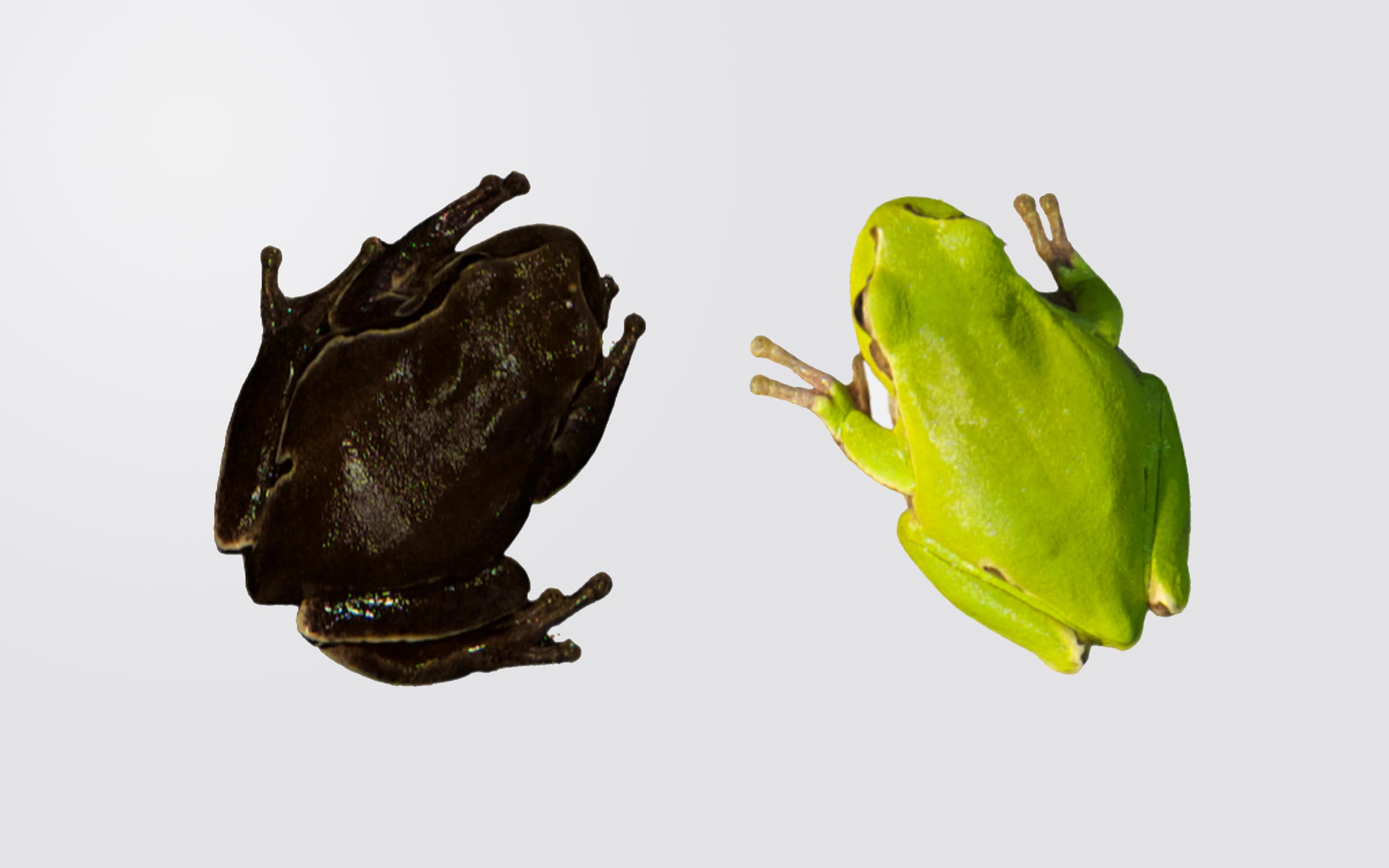
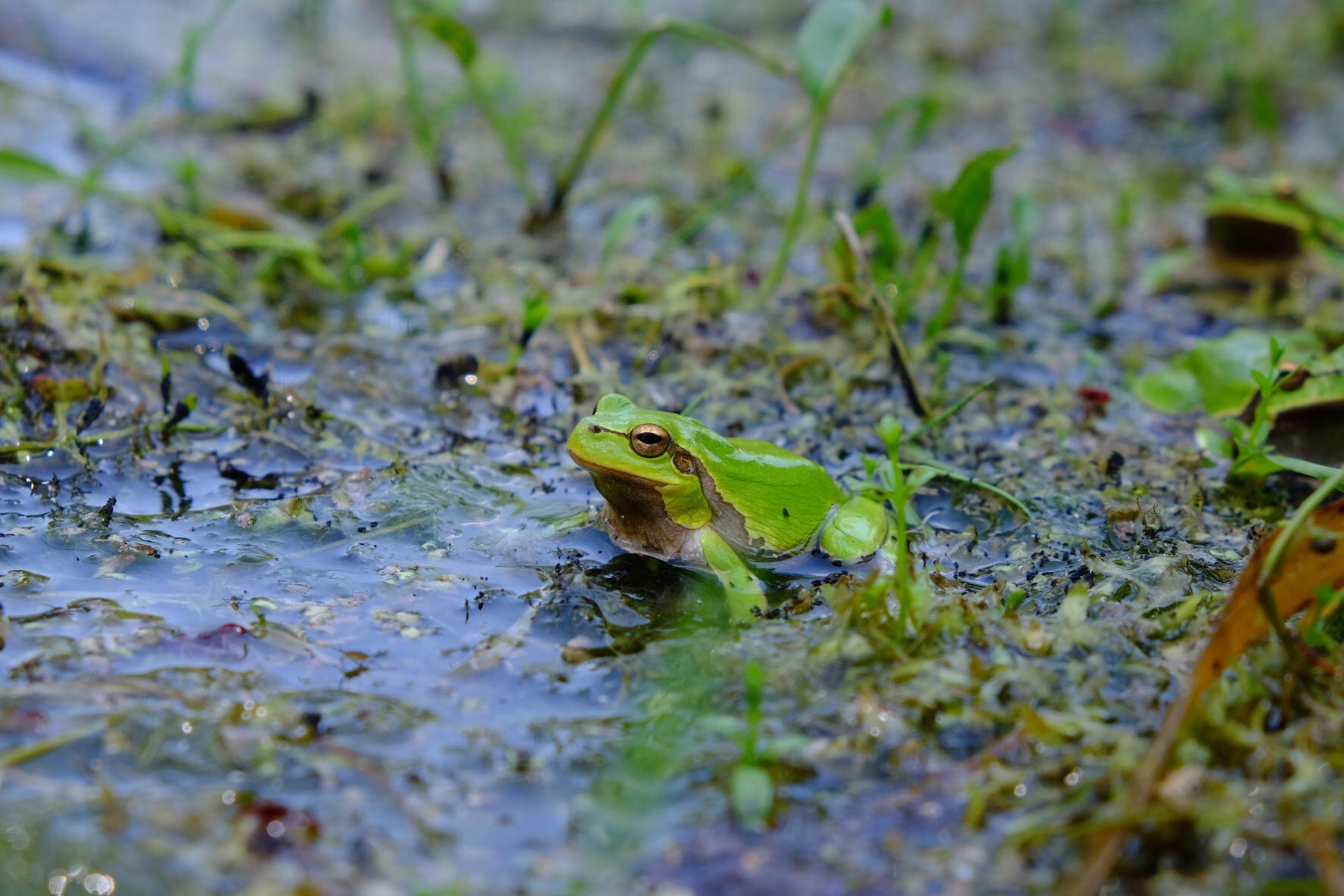
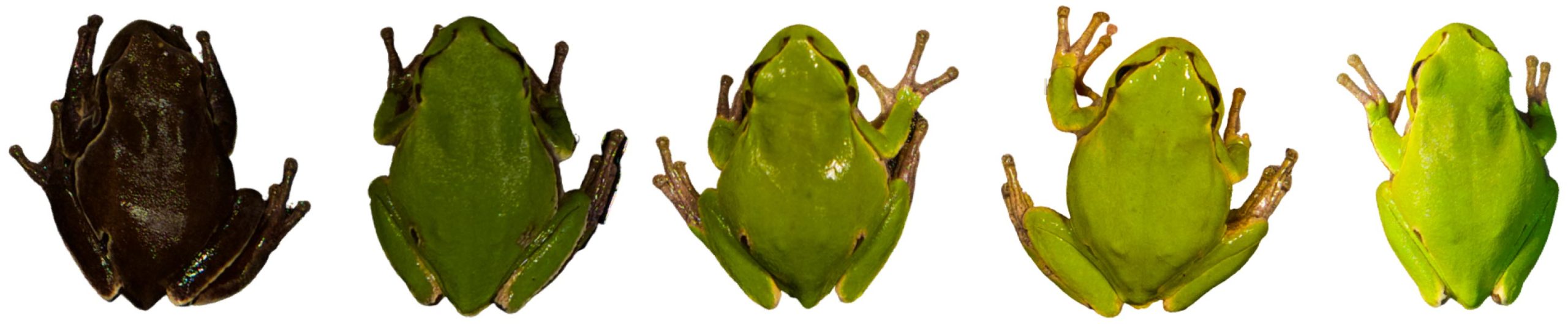
Our work in Chornobyl began in 2016. That year, close to the damaged nuclear reactor, we detected several Eastern tree frogs (Hyla orientalis) with an unusual black tint. The species normally has a bright green dorsal coloration, although occasional darker individuals can be found.
Melanin is responsible for the dark color of many organisms. What is less known is that this class of pigments can also reduce the negative effects of ultraviolet radiation. And its protective role can extend to ionizing radiation too, as it has been shown with fungi. Melanin absorbs and dissipates part of the radiation energy. In addition, it can scavenge and neutralize ionized molecules inside the cell, such as reactive oxygen species. These actions make it less likely that individuals exposed to radiation will go on to suffer cell damage and increase their survival chances.
The Color of Chornobyl Tree Frogs
After detecting the first black frogs in 2016, we decided to study the role of melanin coloration in Chornobyl wildlife. Between 2017 and 2019 we examined in detail the coloration of Eastern tree frogs in different areas of northern Ukraine.
During those three years, we analyzed the dorsal skin coloration of more than 200 male frogs captured in 12 different breeding ponds. These localities were distributed along a wide gradient of radioactive contamination. They included some of the most radioactive areas on the planet, but also four sites outside the Chornobyl Exclusion Zone and with background radiation levels used as controls.
Our work reveals that Chornobyl tree frogs have a much darker coloration than frogs captured in control areas outside the zone. As we found out in 2016, some are pitch-black. This coloration is not related to the levels of radiation that frogs experience today and that we can measure in all individuals. The dark coloration is typical of frogs from within or near the most contaminated areas at the time of the accident.
Evolutionary Responses in Chornobyl
The results of our study suggest that Chornobyl frogs could have undergone a process of rapid evolution in response to radiation. In this scenario, those frogs with darker coloration at the time of the accident, which normally represent a minority in their populations, would have been favored by the protective action of melanin.
The dark frogs would have survived the radiation better and reproduced more successfully. More than ten generations of frogs have passed since the accident and a classic, although very fast, process of natural selection may explain why these dark frogs are now the dominant type for the species within the Chornobyl Exclusion Zone.
The study of the Chornobyl black frogs constitutes a first step to better understanding the protective role of melanin in environments affected by radioactive contamination. In addition, it opens the doors to promising applications in fields as diverse as nuclear waste management and space exploration.
We hope the current war in Ukraine will end soon and the international scientific community will be able to return to study, together with our Ukrainian colleagues, the fascinating evolutionary and rewilding processes of Chornobyl ecosystems.
Written by:
- Germán Orizaola – Investigador Ramón y Cajal, Universidad de Oviedo
- Pablo Burraco – Investigador postdoctoral Juan de la Cierva Incorporación, Estación Biológica de Doñana (EBD-CSIC)
This article was first published in The Conversation.
Never miss a breakthrough: Join the SciTechDaily newsletter.
Follow us on Google and Google News.
2 Comments
This is not evolution, but rather the natural selection of a current trait amongst frogs. The frogs did not evolve in any way. Darker colored frogs simply survived better. For it to be evolution (per Darwin, anyway), a random mutation that gave the species a survival/propagation advantage would have to have occurred. This is very sloppy writing from a science site.
Natural selection of members with a pre-existing but heretofore non-advantageous trait enabling only those animals to survive new and lethal conditions is the definition of evolution.