
Close Menu
    Facebook X (Twitter) Instagram
    SciTechDaily
    • Biology
    • Chemistry
    • Earth
    • Health
    • Physics
    • Science
    • Space
    • Technology
    Facebook X (Twitter) Pinterest YouTube RSS
    SciTechDaily
    Home»Biology»Microbiota in Pregnant Women Looks Like Those of People with Diabetes
    Biology

    Microbiota in Pregnant Women Looks Like Those of People with Diabetes

    By SciTechDailyAugust 9, 2012No Comments2 Mins Read
    Facebook Twitter Pinterest Telegram LinkedIn WhatsApp Email Reddit
    Share
    Facebook Twitter LinkedIn Pinterest Telegram Email Reddit
    pregnant-woman-belly
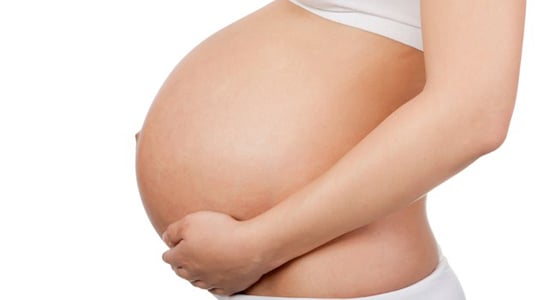
    As pregnancy progresses, gut microbiota in pregnant women change, resembling those of individuals prone to diabetes.

    The microbiota in pregnant women’s gut change as their pregnancy advances, resembling more like those of people who might develop diabetes. These changes, while not damaging maternal health, correspond with increases in blood glucose and fat deposits thought to help the nourishment of the developing child.

    This is the first time that scientists have tracked the gut microbiome during pregnancy. The team was led by Ruth Ley, a microbiologist at Cornell University in Ithaca, New York, published their findings in the journal Cell. Her team sequenced microbial DNA from stool samples collected early and late in pregnancy and found consistent shifts in bacterial communities.
    gut-bacteria

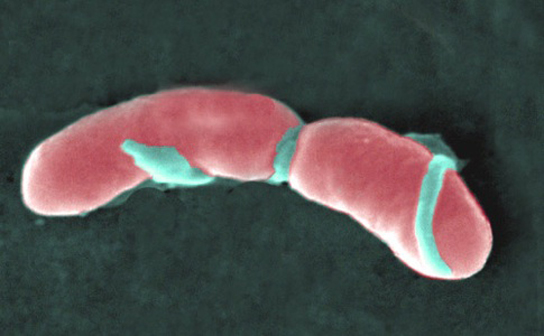
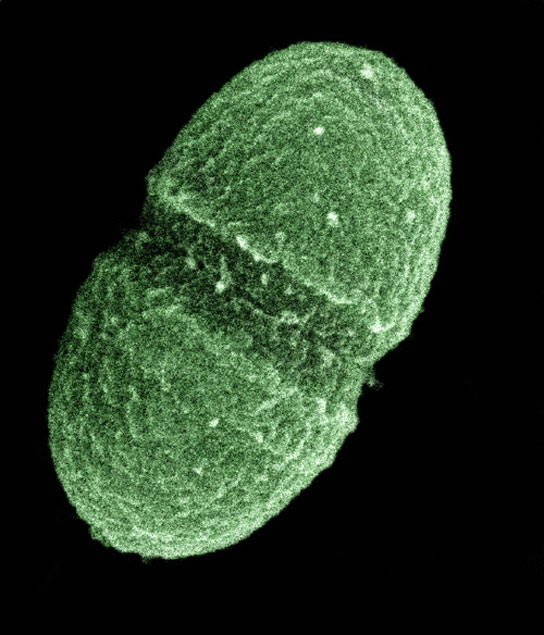
    The diversity of the gut bacteria declined between the first and third trimester, but there was an abundance of Proteobacteria and Actinobacteria which increased. They are common in people who are obese or have metabolic syndrome, and are associated with inflammation.

    The obvious shift in the third trimester makes sense, since it’s at that time that fetuses start putting on weight. The shift in microbial diversity didn’t adversely affect the mother’s health and it happened regardless of whether women were of normal weight or overweight before falling pregnant. It also didn’t matter whether they had developed diabetes, taken antibiotics or probiotics. After birth, the samples resembled those of mothers in their first trimester.

    Mice with transplanted gut bacteria from humans, raised in sterile conditions, when receiving microbiota from third-trimester women, became fatter and less sensitive to insulin. Ley speculates that physiological changes that occur in women during pregnancy alter the microbial community, which creates a positive-feedback loop sustaining conditions seen in metabolic syndrome.
    gut-microbe-big

    Reference: “Host Remodeling of the Gut Microbiome and Metabolic Changes during Pregnancy” by Omry Koren, Julia K. Goodrich, Tyler C. Cullender, Aymé Spor, Kirsi Laitinen, Helene Kling Bäckhed, Antonio Gonzalez, Jeffrey J. Werner, Largus T. Angenent, Rob Knight, Fredrik Bäckhed, Erika Isolauri, Seppo Salminen and Ruth E. Ley, 3 August 2012, Cell.
    DOI: 10.1016/j.cell.2012.07.008

    Never miss a breakthrough: Join the SciTechDaily newsletter.
    Follow us on Google and Google News.

    Bacteria Gut Microbes Microbiology Pregnancy
    Share. Facebook Twitter Pinterest LinkedIn Email Reddit

    Related Articles

    Scientists Say This Popular Food Could Help Your Body Get Rid of Microplastics

    These Tiny Magnetic Bacteria Act Like a Single Body – And Could Explain the Origins of Complex Life

    Shocking Discovery: How Bad Bacteria Use Electrical Signals To Invade the Gut

    How Scientists Are Eavesdropping on Microbes To Revolutionize Research

    Science Made Simple: What Is Microbiology?

    Study Reveals How Mucus Tames Microbes – “Therapeutic Gold Mine”

    Scientists Pinpoint Lowest Temperature Limit for Life on Earth

    HMP Maps the Healthy Human Microbiome

    Widespread Presence of Antibiotic Resistant Bacteria in Agricultural Soils

    Leave A Reply Cancel Reply

    • Facebook
    • Twitter
    • Pinterest
    • YouTube

    Don't Miss a Discovery

    Subscribe for the Latest in Science & Tech!

    Trending News

    Artificial Sweeteners May Harm Future Generations, Study Suggests

    Splashdown! NASA Artemis II Returns From Record-Breaking Moon Mission

    What If Consciousness Exists Beyond Your Brain

    Scientists Finally Crack the 100-Million-Year Evolutionary Mystery of Squid and Cuttlefish

    Beyond “Safe Levels”: Study Challenges What We Know About Pesticides and Cancer

    Researchers Have Found a Dietary Compound That Increases Longevity

    Scientists Baffled by Bizarre “Living Fossil” From 275 Million Years Ago

    Your IQ at 23 Could Predict Your Wealth at 27, Study Finds

    Follow SciTechDaily
    • Facebook
    • Twitter
    • YouTube
    • Pinterest
    • Newsletter
    • RSS
    SciTech News
    • Biology News
    • Chemistry News
    • Earth News
    • Health News
    • Physics News
    • Science News
    • Space News
    • Technology News
    Recent Posts
    • Geologists Reveal the Americas Collided Earlier Than We Thought
    • 20x Difference: Study Reveals True Source of Airborne Microplastics
    • Scientists Uncover Hidden Force Powering Yellowstone’s Supervolcano
    • This Metal Melts in Your Hand – and Scientists Just Discovered Something Strange
    • Why Losing Too Much Fat Can Be Just As Dangerous as Obesity
    Copyright © 1998 - 2026 SciTechDaily. All Rights Reserved.
    • Science News
    • About
    • Contact
    • Editorial Board
    • Privacy Policy
    • Terms of Use

    Type above and press Enter to search. Press Esc to cancel.