
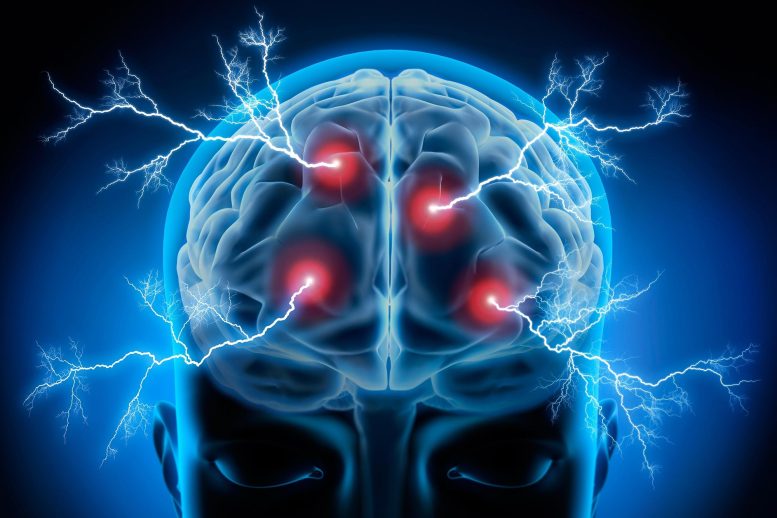
Electroshock therapy, which is unfavorably depicted in movies and TV shows, consistently produces better outcomes for depression that is resistant to treatment.
According to an analysis of six studies that recently published their findings in JAMA Psychiatry, electroconvulsive therapy (ECT) is better than ketamine in quickly relieving major depression.
According to the World Health Organization, depression is a widespread condition that affects roughly 5% of individuals globally (WHO). Feeling sad, irritable, losing enjoyment in formerly delightful things, and even enduring inexplicable pain or fatigue for weeks at a time are all signs of depression. The most common first-line treatment for depression is the use of an oral antidepressant (in conjunction with psychotherapy). However, if oral antidepressants are ineffective or if the patient is in immediate danger of self-harm, there are other, quicker therapy options, including ECT and, more recently, ketamine or esketamine.
Comparing ECT and Ketamine Effectiveness
Ketamine is less often used in the US than esketamine, a nasal spray that has been given approval by the Food and Drug Administration to treat depression. However, there are no studies comparing the effectiveness of ECT with esketamine. Ketamine, a sister drug of esketamine, has been studied. Ketamine is typically used as an injectable anesthetic in medicine, but it has lately been investigated as a fast-acting intervention to help those suffering from serious depression.
T. Greg Rhee, a psychiatric epidemiologist at the University of Connecticut School of Medicine, and associates from Harvard University, Kyungnam University in Korea, McLean Hospital and Massachusetts General Hospital in Boston, University of Toronto, VA New England Mental Illness in West Haven, and Yale University examined six global clinical trial studies contrasting ketamine with ECT for major depression. The trials, which were carried out in hospitals in Sweden, Germany, Iran, and India, involved 340 patients in total.
All six of the studies independently found that ECT was more effective than ketamine at relieving severe depression symptoms.
“ECT is consistently more successful than ketamine” at helping patients with serious depression, says Rhee. “We found no differences by age, sex, or geographic location. So we could say anyone who is ECT eligible will benefit.”
Although ketamine did generally help patients, ECT had better results overall. Ketamine could be a viable treatment for people who cannot undergo ECT. The side effect profiles of the two treatments differed, with ECT more likely to cause headaches, muscle pain, and memory loss, while ketamine was more likely to cause dissociative symptoms, vertigo, and double vision.
There are two additional studies comparing ECT and ketamine ongoing, and Rhee hopes to add their data to the analysis when they are available.
“Every single study directly reports ECT works better than ketamine. But people are still skeptical of ECT, perhaps because of stigma,” Rhee says, or negative depictions in films such as “One Flew Over the Cuckoo’s Nest” and shows such as “Stranger Things.” “We need to improve public awareness of ECT for treatment-resistant depression.”
Reference: “Efficacy and Safety of Ketamine vs Electroconvulsive Therapy Among Patients With Major Depressive Episode: A Systematic Review and Meta-analysis” by Taeho Greg Rhee, Ph.D., Sung Ryul Shim, Ph.D., Brent P. Forester, MD, MSc, Andrew A. Nierenberg, MD, Roger S. McIntyre, MD, George I. Papakostas, MD, John H. Krystal, MD, Gerard Sanacora, MD, Ph.D. and Samuel T. Wilkinson, MD, 19 October 2022, JAMA Psychiatry.
DOI: 10.1001/jamapsychiatry.2022.3352
Never miss a breakthrough: Join the SciTechDaily newsletter.
Follow us on Google and Google News.
1 Comment
Law suits taking place in the US and England around ECT. Every procedure based on trauma medicine and mechanism of injury is an acquired TBI misrepresented with long term risks for CTE, ALS, cataracts etc as all bodily systems impacted by electrical trauma. Contact the Baum Hedlund Law firm in CA if you have had ECT. More suits are coming. See site ectjustice.