
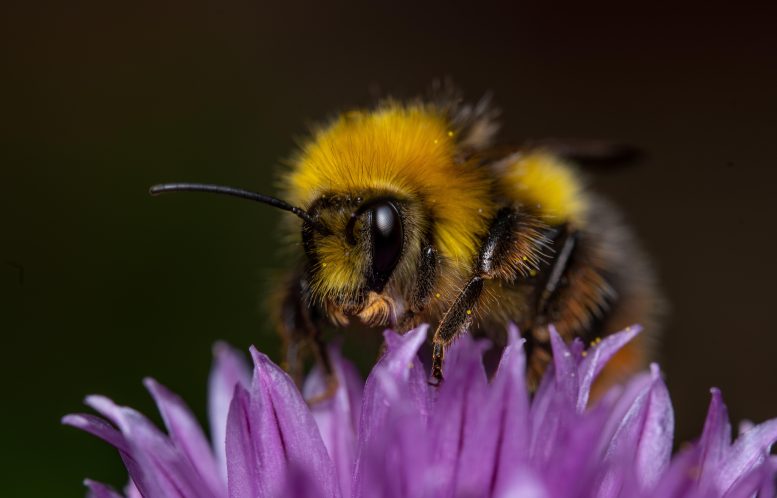
New research from the University of Sheffield indicates that nocturnal pollinators like moths, could visit as many plants as bees, and also deserve considerable conservation and protection measures.
The study discovered that compared to bees, moths may have lower resilience under the strain of urbanization, due to their intricate life cycle and more particular plant needs. However, despite facing these risks, moths make a significant contribution to the support of urban plant ecosystems. They are responsible for one-third of the pollination activity in flowering plants, crops, and trees.
The researchers suggest that when planning or redeveloping urban areas, supporting the introduction of plant species that are beneficial for moths, as well as bees, will become increasingly important for the health of urban ecosystems.
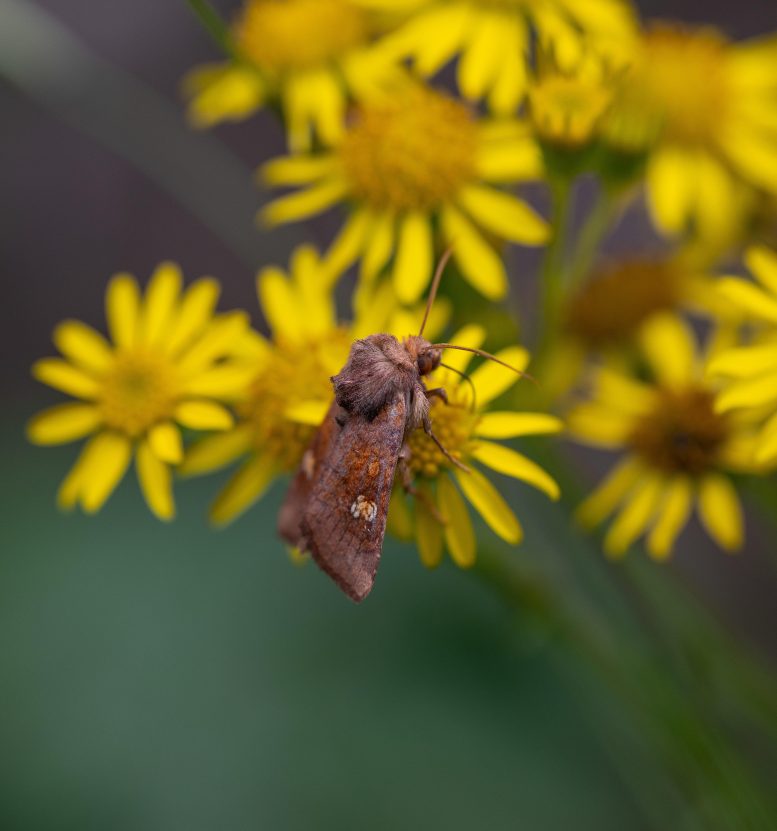
Dr. Emilie Ellis, lead author from the University of Sheffield’s Grantham Institute for Sustainable Futures, and now the Research Centre for Ecological Change (REC) at the University of Helsinki, said: “Our study found that in more urbanized areas the diversity of pollen being carried by moths and bees decreases, meaning that urban pollinators may have fewer flower resources available to them.
“As moths and bees both rely on plants for survival, plant populations also rely on insects for pollination. Protecting urban green spaces and ensuring they are developed in such a way that moves beyond bee-only conservation but also supports a diverse array of wildlife, will ensure both bee and moth populations remain resilient and our towns and cities remain healthier, greener places.”
Moths Pollinate More Than Previously Thought
In the study, Dr. Ellis and her co-authors showed that bees and moths are visiting significantly different plant communities. Along with the usual pale and fragrant flower species moths are known to frequent, the study showed that moths were found to be carrying more pollen than previously thought, and visiting more types of tree and fruit crops than previously identified.
In urbanized areas, there can sometimes be an overabundance of non-native plant species or just an overall reduction in the diversity of plant species; this may result in lower insect interactions for less attractive plant species, having negative effects on both plant and insect populations.
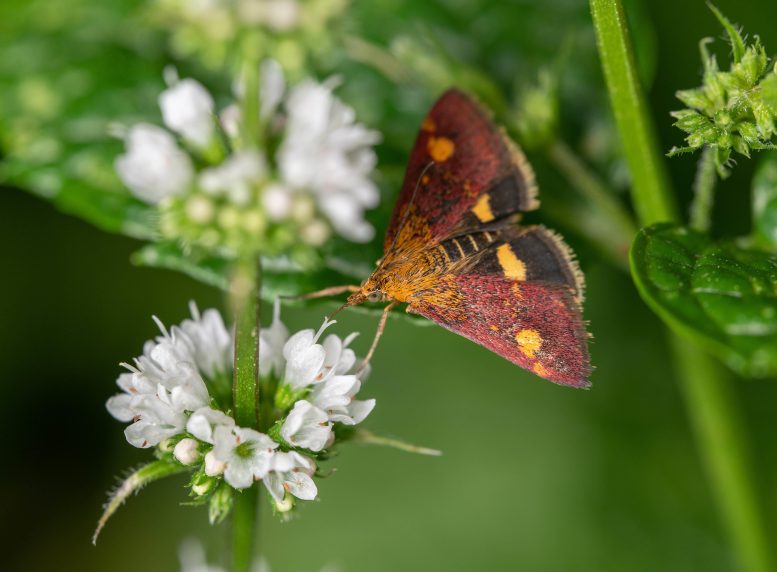
Dr. Ellis says the research demonstrates just how crucial moths are at pollinating plants, including crops, and that the study has implications for wildlife-friendly gardening initiatives, urban planners, and policymakers responsible for developing urban green spaces for parks or urban horticulture.
Dr Ellis said: “People don’t generally appreciate moths so they can often be overlooked compared to bees when talking about protection and conservation, but it’s becoming apparent that there needs to be a much more focused effort to raise awareness of the important role moths play in establishing healthy environments, especially as we know moth populations have drastically declined over the past 50 years.
“When planning green spaces, consideration needs to be given to ensure planting is diverse and moth-friendly as well as bee-friendly, to ensure both our plants and insects remain resilient in the face of the climate crisis and further losses.”
Using DNA to Uncover Moth Pollination Patterns
Dr Stuart Campbell, from the University of Sheffield’s School of Biosciences, and a senior author on the study, said: “Most plants depend on insects for pollination, but knowing which insects do the pollinating is actually a really difficult question to answer. There are about 250 species of bee in the UK, and we know quite a bit about some of these species, but we also have over 2,500 species of moth which visit flowers mostly at night. So, as you might expect, we know a lot less about these.
“What we were able to do in this study is use DNA sequencing to identify the pollen that gets stuck to night-flying moths when they visit flowers. We found that moths are probably pollinating a range of plant species, many of them wild, that are unlikely to be pollinated by bees – and vice versa. It’s clear from this study that pollination is achieved by complex networks of insects and plants, and these networks may be delicate, and sensitive to urbanization. We can also learn which plant species might be the best sources of food for different insects, including nocturnal ones like adult moths, and use that information to better provide for all our pollinators.”
Reference: “Negative effects of urbanisation on diurnal and nocturnal pollen-transport networks” by Emilie E. Ellis, Jill L. Edmondson, Kathryn H. Maher, Helen Hipperson and Stuart A. Campbell, 5 June 2023, Ecology Letters.
DOI: 10.1111/ele.14261
Never miss a breakthrough: Join the SciTechDaily newsletter.
Follow us on Google and Google News.