

Moths are important pollen transporters in English farmland and might play a role in supporting crop yields, according to a new University College London study.
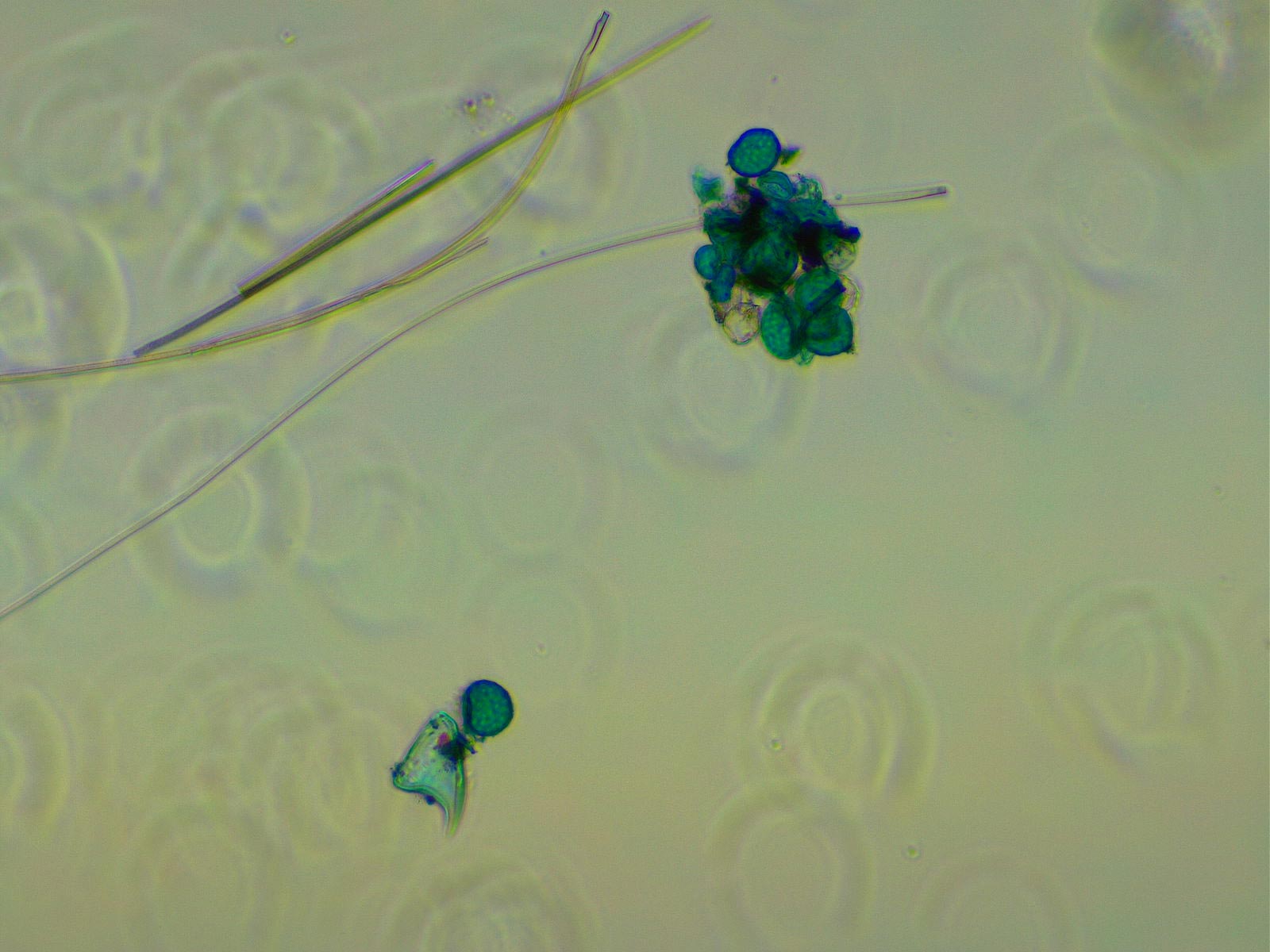
The research, published in Biology Letters, shows that moth pollen transport networks are larger and more complex than networks for daytime pollinators.
The team found that moths transport pollen from a high number of plants also visited by bees, butterflies, and hoverflies, but also interacted with plants not commonly visited by these insects.

The study also shows that pollen transport occurs most frequently on the moth’s ventral thorax (chest), rather than on the proboscis (tongue), allowing it to be easily transferred to other plants.
Lead author of the study, Dr. Richard Walton (UCL Geography) said: “Nocturnal moths have an important but overlooked ecological role. They complement the work of daytime pollinators, helping to keep plant populations diverse and abundant. They also provide natural biodiversity back-up, and without them many more plant species and animals, such as birds and bats that rely on them for food, would be at risk.
“Previous studies of pollen transport among settling moths have focused on their proboscis. However, settling moths sit on the flower while feeding, with their often distinctly hairy bodies touching the flower’s reproductive organs. This happy accident helps pollen to be easily transported during subsequent flower visits.”
This pivotal study comes at a time as moth populations are experiencing steep declines across the globe, with worrying implications that we may be losing critical pollination services at a time when we are barely beginning to understand them.
Dr. Jan Axmacher (UCL Geography) said: “In recent decades, there has been a lot of science focus on solitary and social bees driven by concerns about their dramatic decline and the strong negative effect this has had on insect-pollinated crop yields.
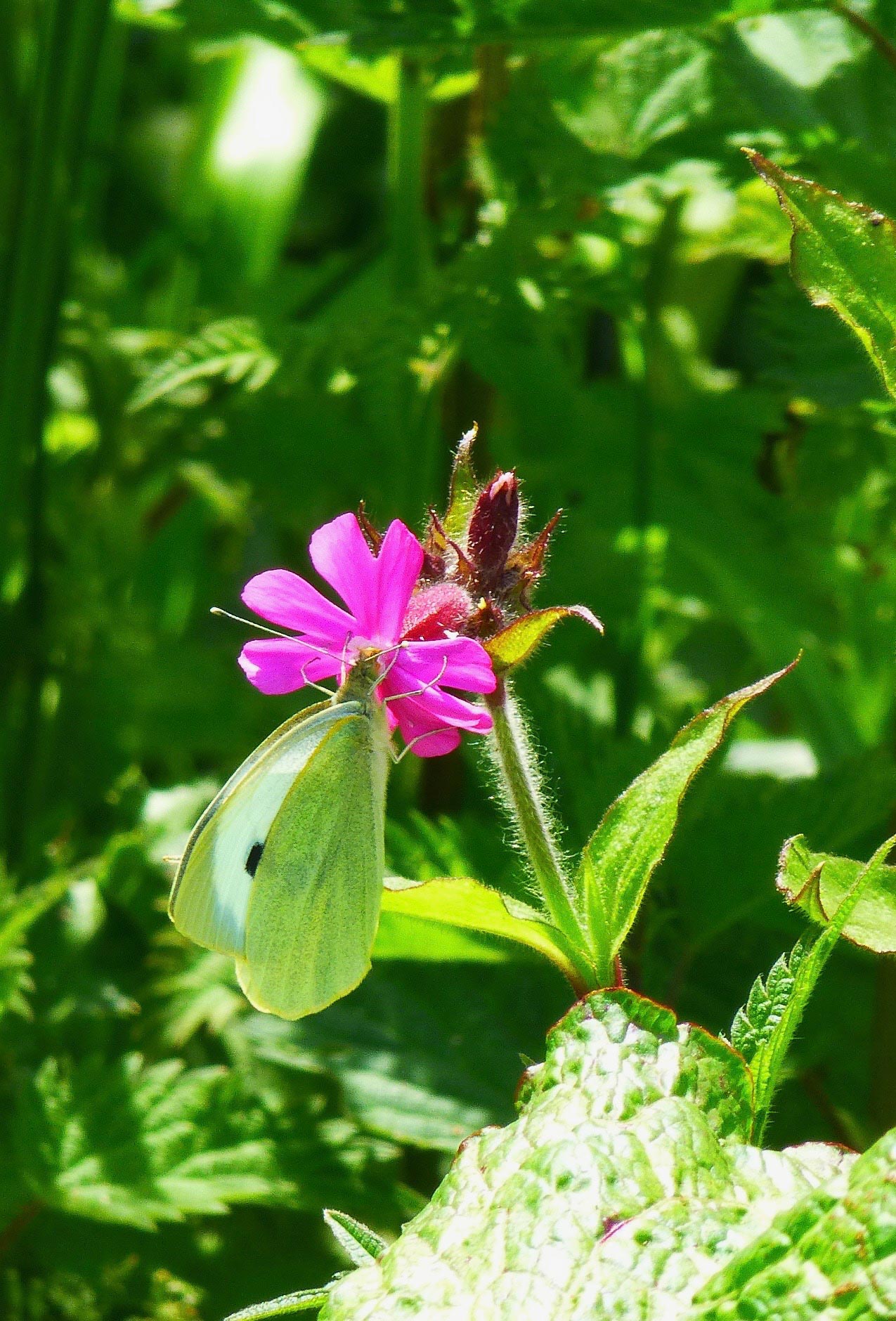
“In contrast, nocturnal settling moths – which have many more species than bees – have been neglected by pollination research. Our study highlights an urgent need for them to be included in future agricultural management and conservation strategies to help stem declines, and for more research to understand their unique and vital role as pollinators, including their currently unknown role in crop pollination.”
The study was conducted during the growing seasons (March-October) of 2016 and 2017 at the margins of nine ponds, located within agricultural fields in Norfolk, eastern England (UK).
Nocturnal moth communities and daytime pollinators were surveyed once a month to see which plants they visited and how frequently.
Of the 838 moths swabbed, 381 moths (45.5%) were found to transport pollen. In total pollen from 47 different plant species was detected, including at least 7 rarely visited by bees, hoverflies, and butterflies. 57% of the pollen transported was found on the ventral thorax of the moths.
In comparison, daytime pollinators, a network of 632 bees, wasps, hoverflies, and butterflies, visited 45 plant species, while 1,548 social bees visited 46 plant species.
Dr. Walton (UCL Geography) concluded: “While bumblebees and honeybees are known to be super pollinators they also preferentially target the most prolific nectar and pollen sources.
“Moths may appear to be less effective pollinators by comparison, but their high diversity and abundance may make them critical to pollination in ways that we still need to understand. Our research sheds light on a little known world of nocturnal plant-insect interactions that might be vital to the look and smell of our precious countryside and to the crops that we grow.”
Reference: “Nocturnal pollinators strongly contribute to pollen transport of wild flowers in an agricultural landscape” by Richard E. Walton, Carl D. Sayer, Helen Bennion and Jan C. Axmacher, 13 May 2020, Biology Letters.
DOI: 10.1098/rsbl.2019.0877
The research was funded by the Norfolk Biodiversity Information Service and the Norfolk-based farming charity The Clan Trust.
Never miss a breakthrough: Join the SciTechDaily newsletter.
Follow us on Google and Google News.
1 Comment
I would like to unsubscribe but you don’t have any exits to your site. Please unsubscribe me.